Scientists at King’s College London and the UK Dementia Research Institute have identified a previously unknown biological mechanism that explains how neurons die in patients with Alzheimer’s disease and frontotemporal dementia (FTD). The process, termed "karyoptosis," involves the progressive shrinkage and eventual disintegration of the cell nucleus, the command center containing a cell’s genetic material. This breakthrough, published in the journal Nature Communications, offers a potential "missing link" in the scientific understanding of neurodegeneration and provides a concrete molecular target for future therapeutic interventions.
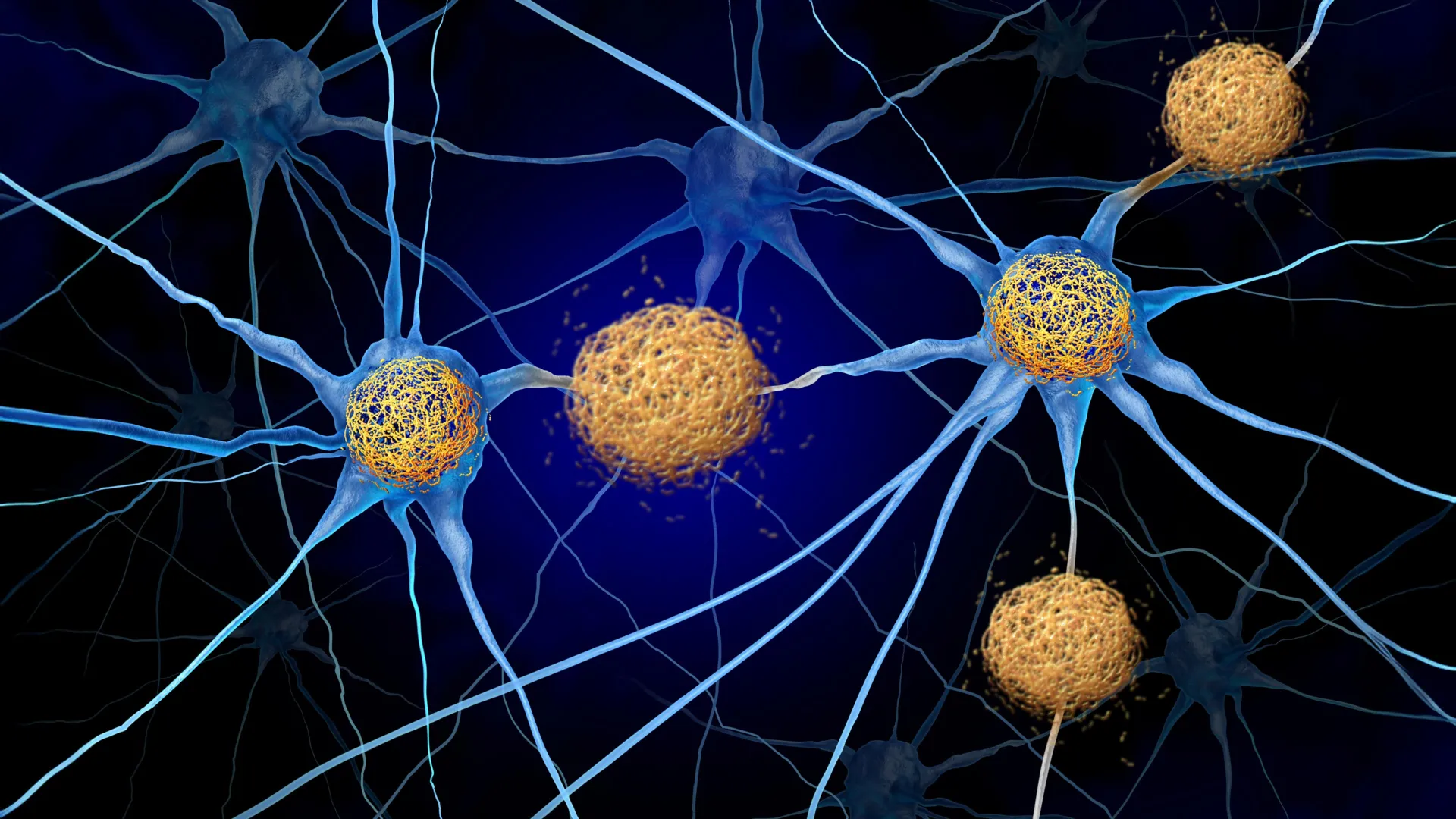
For decades, the global research community has focused on the accumulation of toxic protein aggregates—such as amyloid-beta and tau in Alzheimer’s, or TDP-43 in FTD—as the primary drivers of disease. While it was well-established that these proteins lead to the death of neurons, the specific sequence of chemical events leading from protein buildup to cell expiration remained elusive. Traditional forms of cell death, such as apoptosis (programmed cell death) or necrosis (death due to injury), did not fully account for the specific patterns of loss observed in the brains of dementia patients. The discovery of karyoptosis suggests that the brain employs a distinct, destructive pathway in response to the stress caused by these protein clumps.
The Biological Mechanism of Karyoptosis
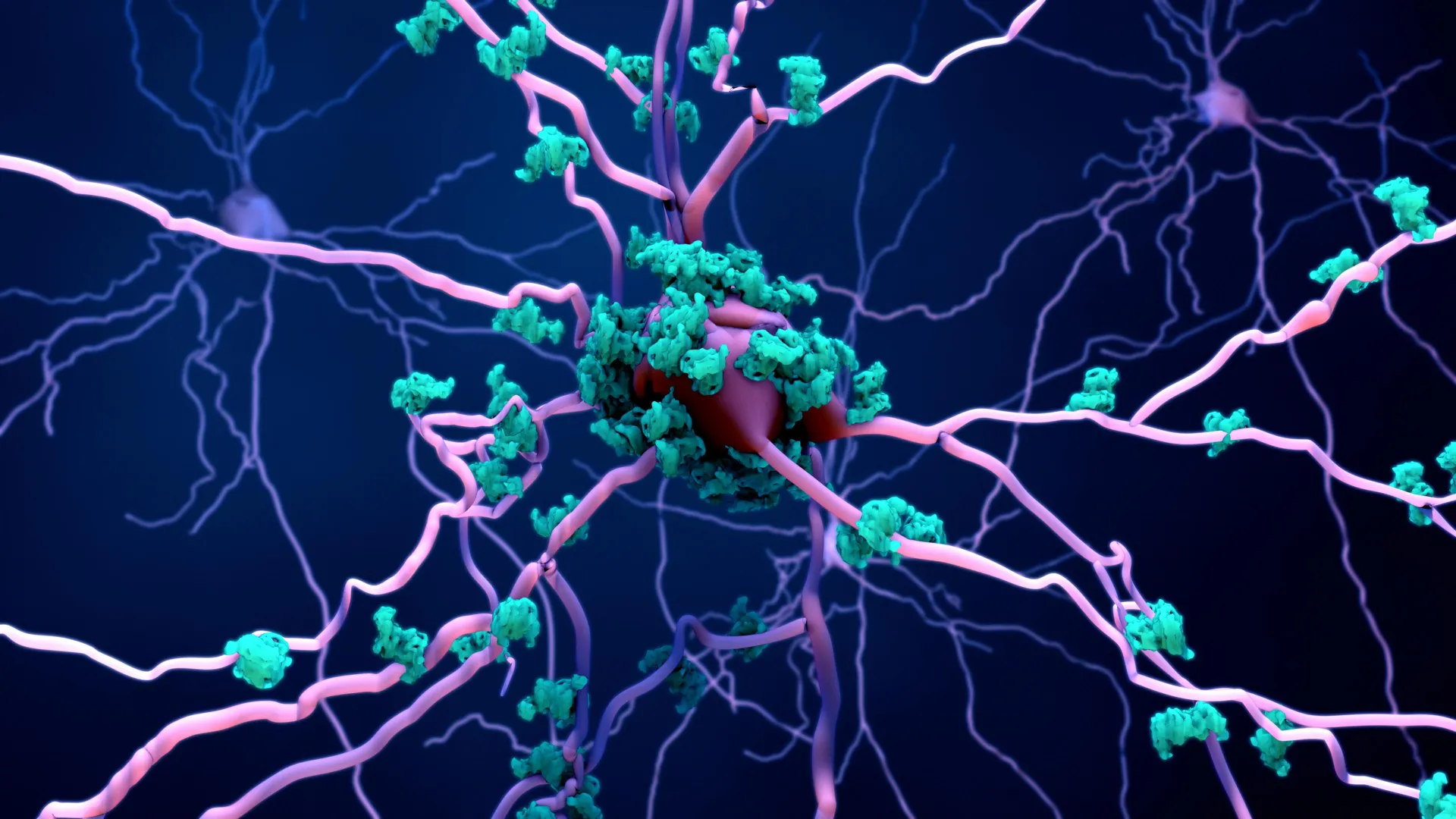
The term "karyoptosis" is derived from the Greek "karyon" (kernel or nucleus) and "ptosis" (falling or drooping). It describes a series of chemical reactions triggered by proteotoxic stress—a state where a cell is overwhelmed by misfolded or damaged proteins. According to the study, as these toxic proteins accumulate within the neuron, they begin to destabilize the nuclear envelope, the protective double membrane that surrounds the nucleus.
Under normal conditions, the nucleus maintains the integrity of the genome and regulates cellular activities by controlling gene expression. However, during karyoptosis, the destabilization of the nuclear membrane causes the nucleus to lose its structural volume. The researchers observed that the nucleus gradually shrivels and eventually breaks apart into fragments. Once the nucleus is compromised, the cell loses its ability to function and inevitably dies. This process differs significantly from apoptosis, where the cell typically undergoes a more orderly "suicide" sequence involving the blebbing of the outer plasma membrane. In karyoptosis, the destruction starts from the very core of the cell’s genetic architecture.
A Decade of Research: The Chronology of the Discovery
The identification of karyoptosis is the result of a ten-year longitudinal research effort led by King’s College London. The journey began when researchers first observed this specific type of nuclear breakdown in a relatively rare neurodegenerative condition. Initial observations suggested that the phenomenon might be an isolated occurrence; however, the team hypothesized that it might play a broader role in more common forms of dementia.
Over the last decade, the researchers refined their computational tools and experimental models to track this process. The study evolved from basic laboratory observations to sophisticated genomic and proteomic analyses. By utilizing advanced computational algorithms, the team was able to differentiate karyoptosis from other forms of cell death in complex tissue samples. This decade-long persistence allowed the team to move from identifying a niche biological curiosity to uncovering a fundamental driver of the world’s most prevalent neurodegenerative diseases.
Analyzing the Data: Evidence from Human Brain Tissue
To validate their findings, the research team conducted an extensive analysis of approximately 3,000 individual brain cells. These cells were harvested from the post-mortem brain tissue of 28 donors. The donor group included individuals who had been diagnosed with end-stage Alzheimer’s disease or frontotemporal dementia, as well as a control group of healthy older adults.
The data revealed a stark contrast between diseased and healthy brains. In the frontal cortex—the region of the brain responsible for high-level cognitive functions, decision-making, and personality—researchers found that 35 percent of neurons showed clear markers of karyoptosis in patients with Alzheimer’s disease. In contrast, only 15 percent of neurons in the healthy control group exhibited these markers. This significant statistical difference suggests that while some degree of nuclear degradation may occur during normal aging, the process is dramatically accelerated and widespread in the presence of neurodegenerative pathology.
The study further confirmed that this process was not limited to Alzheimer’s. Similar patterns of nuclear shrinkage and fragmentation were observed in cases of FTD, suggesting that karyoptosis is a common downstream effect of the proteotoxic stress that characterizes multiple forms of dementia, including potentially amyotrophic lateral sclerosis (ALS).
The Molecular Switch: p38 MAP Kinase and LaminB1
A critical component of the study involved identifying the "molecular switches" that initiate and regulate karyoptosis. The researchers focused on kinases, which are enzymes that act as signals within cells to turn various biological processes on or off. Through a series of laboratory experiments using rat neurons, the team discovered that the buildup of toxic proteins activates a specific enzyme known as p38 MAP kinase.
The p38 MAP kinase is known to respond to cellular stress, but its specific role in destroying the nucleus had not been fully mapped. The researchers found that once activated, p38 MAP kinase interacts with a structural protein called LaminB1. LaminB1 is essential for maintaining the shape and stability of the nuclear envelope. When p38 MAP kinase interacts with LaminB1 in a specific way, it triggers the breakdown of the nuclear structure, leading directly to the shriveling seen in karyoptosis.
In laboratory settings, the researchers were able to intervene in this process. By using chemical inhibitors to block the activity of p38 MAP kinase or by preventing its interaction with LaminB1, they successfully reduced the markers of karyoptosis and slowed the death of the neurons. This finding is particularly significant because it transforms a biological observation into a viable "druggable" target.
Official Responses and Expert Analysis
The scientific community has reacted with optimism to the findings, noting that the discovery provides a new framework for drug development. Dr. Manolis Fanto, Reader in Functional Genomics at the Institute of Psychiatry, Psychology and Neuroscience at King’s College London, emphasized the strategic importance of the p38-LaminB1 interaction.
"By specifically targeting the interaction between p38 MAP kinase and LaminB1 we may slow down the process of cell death," Dr. Fanto stated. He noted that while this might not "cure" the disease by removing the underlying toxic proteins, it could significantly "buy time" for patients, preserving cognitive function for longer periods while other therapies work to clear the protein aggregates.
Dr. Rebecca Casterton, Senior Researcher at the UK Dementia Research Institute at King’s and the study’s first author, highlighted the foundational nature of the work. "Our study uncovers a new series of chemical events which can coordinate cell death in brain cells," Casterton said. "We have started to lay out the road map of how karyoptosis works, and I’m excited to see future breakthroughs this may drive in the dementia research community and beyond."
Representing the funding perspective, Dr. Sara Rodrigues, Senior Research Manager at Alzheimer’s Research UK, pointed out the long-standing gap in knowledge that this research fills. She noted that while science has known about protein buildup for decades, the "how" of cell death remained a mystery. "The identification of karyoptosis is a crucial step towards finding targets for treatments that could stop or slow cell loss," Rodrigues said, adding that such discoveries bring the medical community closer to a future where dementia is a manageable or even curable condition.
Broader Impact and Future Implications for Dementia Treatment
The implications of this discovery extend beyond the laboratory. Currently, over 55 million people worldwide live with dementia, a number expected to rise to nearly 150 million by 2050 as the global population ages. The economic burden is equally staggering, with costs related to care and lost productivity exceeding $1.3 trillion annually.
Existing treatments, such as recently approved monoclonal antibodies that target amyloid plaques, have shown promise in slowing cognitive decline, but they are not a total solution. Many experts believe that a "cocktail" approach, similar to treatments for HIV or cancer, will be necessary to effectively manage Alzheimer’s and FTD. Karyoptosis inhibitors could serve as a vital component of this multi-pronged strategy. By protecting the nucleus and preventing the cell from reaching the "point of no return," these future drugs could maintain the brain’s "hardware" even while other treatments address the "software" issues of protein accumulation.
The next phase of research will focus on developing highly selective compounds that can cross the blood-brain barrier to target the p38 MAP kinase and LaminB1 interaction in humans. Because p38 MAP kinase is involved in other bodily functions, such as inflammation and immune response, the challenge for pharmacologists will be to inhibit its role in karyoptosis without causing systemic side effects.
Furthermore, the discovery opens new avenues for diagnostic tools. If biomarkers associated with karyoptosis can be detected in cerebrospinal fluid or through advanced neuroimaging, clinicians might be able to diagnose neurodegenerative diseases much earlier, potentially before significant neuron loss has occurred.
In conclusion, the identification of karyoptosis marks a pivotal shift in neurodegeneration research. By shifting the focus from the "trash" (toxic proteins) to the "victim" (the nucleus), the researchers at King’s College London have provided a new roadmap for understanding and eventually halting the progression of dementia. As the global population continues to age, the urgency of translating these molecular insights into clinical therapies has never been greater.