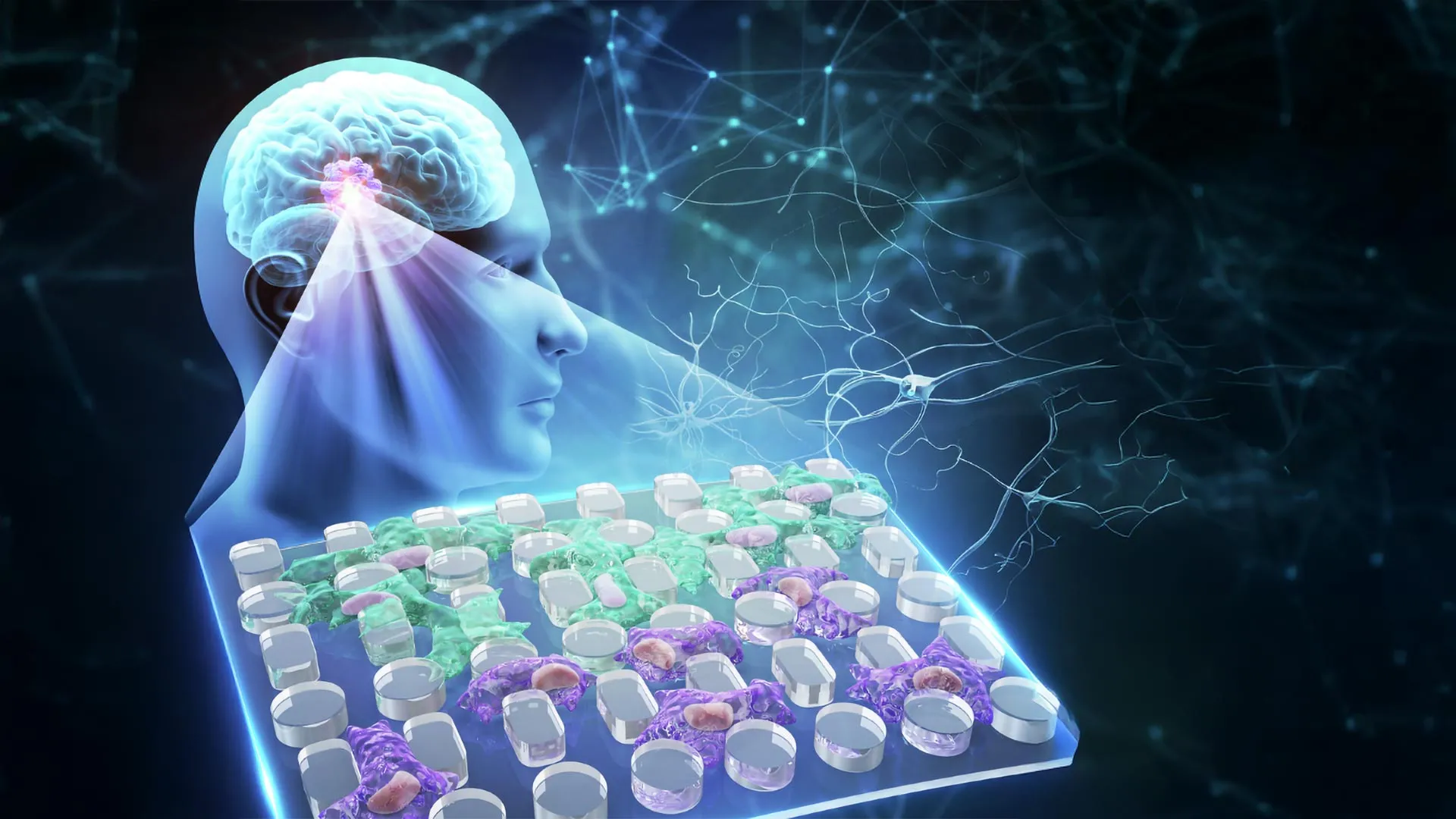
Researchers at the Shibaura Institute of Technology (SIT) in Japan have developed a novel vitamin K analogue that demonstrates significantly enhanced potency in promoting the differentiation of neural progenitor cells into neurons, offering a potential path toward regenerative therapies for neurodegenerative conditions such as Alzheimer’s and Parkinson’s disease. The study, led by Associate Professor Yoshihisa Hirota and Professor Yoshitomo Suhara, marks a critical shift in neurological research, moving beyond the mere management of symptoms toward the active restoration of damaged brain tissue. Published in the journal ACS Chemical Neuroscience on July 3, 2025, the findings highlight a hybrid compound that is approximately three times more effective than natural vitamin K in inducing neuronal growth, while also demonstrating the ability to cross the blood-brain barrier.
The Growing Crisis of Neurodegenerative Disease
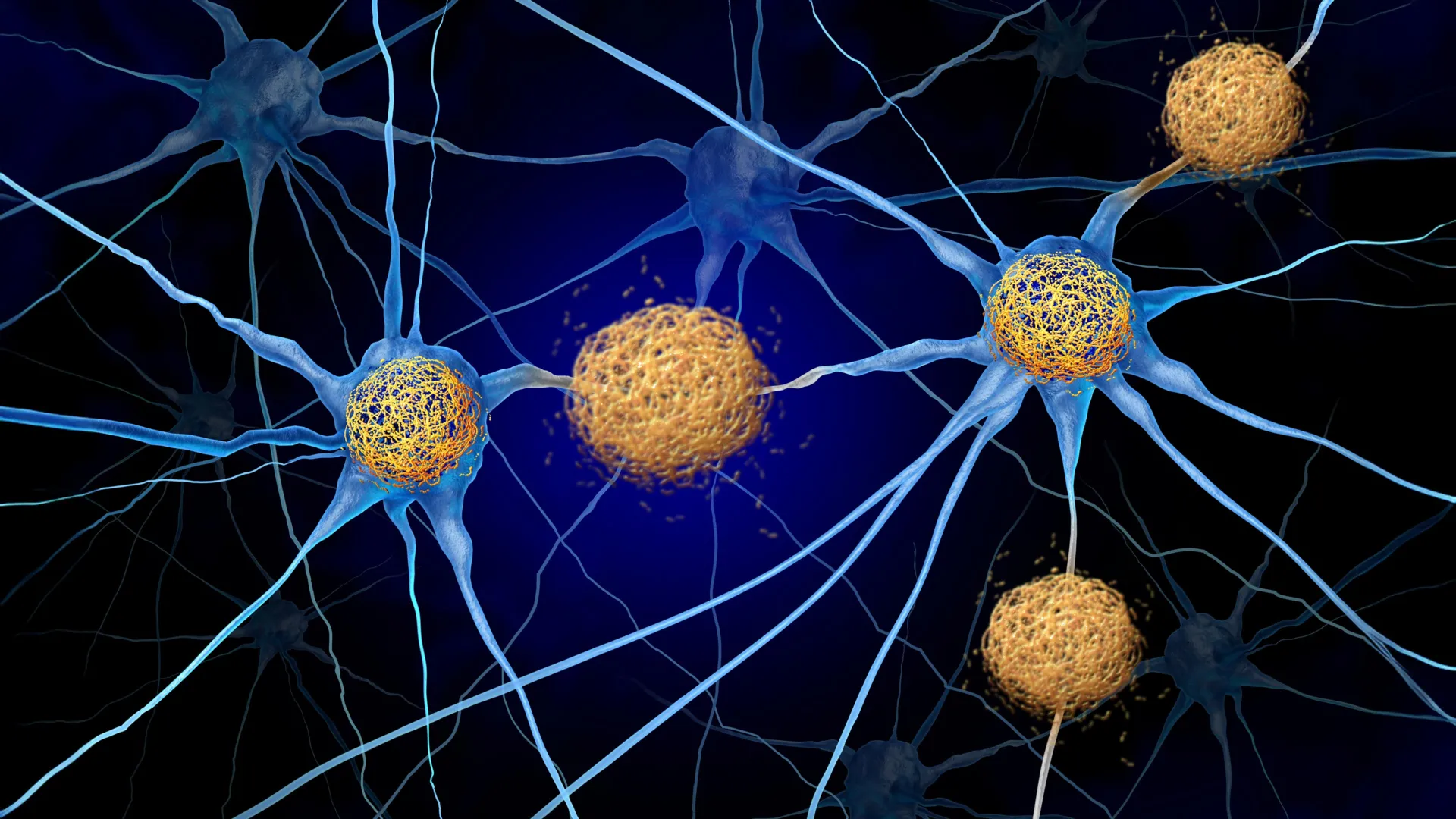
The global burden of neurodegenerative diseases is reaching unprecedented levels as populations age. Alzheimer’s disease, the most common form of dementia, currently affects an estimated 55 million people worldwide, a figure projected to rise to 139 million by 2050. These conditions—including Parkinson’s and Huntington’s—are characterized by the progressive loss of neurons, the fundamental units of the brain responsible for transmitting information. When these cells die, the brain’s architecture begins to crumble, leading to profound cognitive decline, motor dysfunction, and eventual loss of independence.
Historically, pharmacological interventions have focused on symptom relief. Drugs like cholinesterase inhibitors provide temporary cognitive boosts but do not stop the underlying death of neurons. More recently, the medical community has seen the arrival of monoclonal antibodies such as lecanemab and donanemab. While these therapies represent a milestone by targeting amyloid-beta plaques to slow the rate of decline in early-stage patients, they remain limited. They cannot recover memories already lost, nor can they rebuild the neural circuits destroyed by the disease. This "regeneration gap" is what the researchers at Shibaura Institute of Technology aim to bridge.
Beyond Blood Clotting: Vitamin K’s Neurological Potential
Vitamin K has long been recognized for its essential roles in blood coagulation (hemostasis) and the regulation of bone calcium. However, a growing body of evidence has begun to position vitamin K as a "multitasking" nutrient with neuroprotective properties. Specifically, menaquinone-4 (MK-4), a form of vitamin K2 found in the brain, has been linked to the regulation of sphingolipid metabolism and the protection of neurons against oxidative stress.
Despite these natural benefits, MK-4 in its native state is not potent enough to serve as a primary regenerative agent for severe brain damage. The challenge for the SIT research team was to engineer a molecule that retained the biological benefits of vitamin K while significantly amplifying its ability to drive "neuronal differentiation"—the process where immature neural progenitor cells are signaled to transform into mature, functioning neurons.
The Synthesis of "Novel VK": A Chemical Engineering Breakthrough
To achieve this, Professor Suhara and Associate Professor Hirota employed a strategy of medicinal chemistry known as molecular hybridization. The team synthesized 12 distinct vitamin K homologs, experimenting with various chemical modifications to optimize their bioactivity.
A key innovation involved linking vitamin K structures with retinoic acid, an active metabolite of vitamin A. Retinoic acid is well-documented for its role in cell growth and differentiation, acting through the retinoic acid receptor (RAR). By contrast, vitamin K is known to influence gene expression through the steroid and xenobiotic receptor (SXR). The researchers hypothesized that a hybrid molecule could potentially activate multiple pathways simultaneously, creating a synergistic effect on neural development.
Among the various analogues created, one compound—referred to as "Novel VK"—emerged as the superior candidate. This molecule integrated the retinoic acid structure with a specific methyl ester side chain. In laboratory tests using mouse neural progenitor cells, Novel VK demonstrated a threefold increase in neuronal differentiation potency compared to natural MK-4. The researchers confirmed this growth by measuring Microtubule Associated Protein 2 (Map2), a reliable biological marker for neuronal maturation.
Unlocking the Mechanism: The Role of mGluR1
A significant portion of the study was dedicated to understanding how these compounds exert their influence on the brain. Through gene expression analysis, the team discovered a surprising connection to metabotropic glutamate receptors (mGluRs), specifically the mGluR1 subtype.
Glutamate is the primary excitatory neurotransmitter in the brain, and its receptors are vital for synaptic plasticity—the ability of the brain to change and adapt. The SIT study found that MK-4 and its synthetic analogues drive neuronal differentiation by activating mGluR1, which then triggers downstream epigenetic and transcriptional changes. This finding is particularly relevant because mGluR1 deficiency has been linked to the very motor and synaptic deficits seen in neurodegenerative disorders. By strengthening the binding affinity to mGluR1, the "Novel VK" compound essentially provides a more robust signal for the brain to repair itself.
Chronology of Development and Pharmacokinetic Testing
The development of these analogues followed a rigorous multi-year timeline of chemical modeling and biological validation:
- Phase I: Molecular Modeling: The team used structural simulations to predict how various side chains would interact with brain-based receptors.
- Phase II: Hybrid Synthesis: 12 homologs were synthesized, focusing on combining the properties of Vitamin K and Vitamin A.
- Phase III: In Vitro Validation: Compounds were tested on mouse neural stem cells to determine which most effectively triggered the transition into mature neurons.
- Phase IV: Pharmacokinetic Analysis: The researchers moved to animal models to ensure the compound could survive the metabolic environment of a living organism.
Crucially, the mouse experiments revealed that Novel VK possesses a stable pharmacokinetic profile. One of the greatest hurdles in neuro-pharmacology is the blood-brain barrier (BBB), a protective semi-permeable membrane that prevents most drugs from reaching brain tissue. The SIT study confirmed that Novel VK successfully crossed the BBB. Furthermore, once inside the brain, the analogue converted into bioactive MK-4 at higher concentrations than natural vitamin K, ensuring a sustained therapeutic effect.
Broader Implications and Societal Impact
The potential success of a vitamin K-derived regenerative therapy would have profound implications for global healthcare systems. Currently, the economic cost of dementia is estimated at $1.3 trillion annually, much of which is spent on long-term nursing care for patients who can no longer perform basic tasks.
"Our research offers a potentially groundbreaking approach," stated Dr. Hirota. "A vitamin K-derived drug that slows the progression of Alzheimer’s disease or improves its symptoms could not only improve the quality of life for patients and their families but also significantly reduce the growing societal burden of healthcare expenditures."
From a clinical perspective, this research aligns with a broader shift in the field toward "combination therapies." Just as cancer or HIV are often treated with a cocktail of drugs targeting different mechanisms, future Alzheimer’s treatment may involve one drug to clear toxic proteins (like lecanemab) and another, such as a vitamin K analogue, to rebuild the neurons that were lost before treatment began.
Limitations and the Road to Human Trials
While the results are promising, the researchers emphasize that the study is currently in the preclinical stage. The transition from mouse models to human patients is a complex process that can take a decade or more. Human brain chemistry is significantly more complex than that of mice, and the safety of long-term administration of synthetic vitamin K analogues must be thoroughly vetted in clinical trials.
The researchers also noted that while Novel VK promotes the birth of new neurons, the next challenge is ensuring these new cells integrate correctly into existing neural networks. For a patient to regain lost memory or motor function, the new neurons must form functional synapses with surviving cells, a process known as synaptogenesis.
Conclusion: A New Target for Brain Repair
The work conducted by the Shibaura Institute of Technology provides a new target for drug discovery: the mGluR1-mediated pathway for neuronal differentiation. By proving that synthetic analogues can outperform natural vitamins in both potency and brain penetration, the study opens the door for a new generation of "neurogenic" drugs.
Supported by various Japanese scientific foundations, including the Japan Society for the Promotion of Science (JSPS), the team plans to continue refining these compounds. The ultimate goal remains a treatment that does not just stall the inevitable decline of neurodegenerative disease, but offers the brain a second chance at life through regeneration. As the global population continues to age, the "Novel VK" compound represents a vital beacon of hope in the fight against the world’s most devastating neurological conditions.