


The human body’s ability to sustain life depends on the relentless production of red blood cells, which are responsible for ferrying oxygen from the lungs to every vital organ and tissue. To maintain this delicate equilibrium, the body must manufacture approximately 200 billion new red blood cells every day. For more than a century, the scientific consensus held that this massive industrial undertaking was almost exclusively the domain of the bone marrow. However, groundbreaking research from the University of California, San Francisco (UCSF) has overturned this long-standing biological paradigm, proving that the lungs play a sophisticated and vital role in blood production.
In a study published on February 27 in the prestigious journal Blood, researchers demonstrated that human lungs house a significant population of hematopoietic stem cells (HSCs). These are the "master cells" capable of transforming into all types of blood cells. The team found that these lung-resident stem cells are not only present but are actively involved in producing red blood cells and megakaryocytes—the large bone marrow cells responsible for producing the platelets that enable blood clotting. This discovery suggests that the lungs serve as a previously unrecognized reservoir for life-saving stem cells, potentially opening new frontiers in the treatment of blood disorders and the methodology of stem cell transplants.
A Paradigm Shift in Hematology
The discovery represents the culmination of years of investigation into the secondary functions of the respiratory system. While the lungs have always been understood as the site of gas exchange, their role as a "blood factory" was largely invisible to science until sophisticated imaging and screening techniques allowed researchers to look closer at the cellular architecture of the organ.
"For decades, bone marrow transplants have been a lynchpin in the treatment of cancers like leukemia," explained Mark Looney, MD, a professor of medicine and laboratory medicine at UCSF and the senior author of the paper. "The lung HSCs could prove to be a second and significant reservoir of these precious stem cells. This changes how we view both the lungs and the hematopoietic system as a whole."
The research, which received substantial support from the National Heart, Lung, and Blood Institute (NHLBI) of the National Institutes of Health (NIH), indicates that the human body has a more redundant and decentralized system for blood production than previously realized. This redundancy likely serves as a biological fail-safe, ensuring that oxygen delivery and clotting capabilities remain functional even if the primary bone marrow system is compromised.
Chronology of Discovery: From Mice to Men
The road to this human discovery began in 2017, when Dr. Looney’s team conducted a series of experiments on mouse models. Using a technique called two-photon intravital imaging, which allows for the observation of living cells in real-time within a functioning organ, the researchers observed something startling: a vast number of megakaryocytes circulating within the mouse lung.
Further investigation revealed that the mouse lung was responsible for producing roughly 50% of the animal’s total platelet count. Beyond platelets, the 2017 study identified lung-resident stem cells in mice that were capable of generating a full spectrum of blood constituents, including red blood cells and various immune cells.
While the mouse findings were revolutionary, the scientific community remained cautious about whether these results would translate to human physiology. To bridge this gap, the UCSF team initiated a multi-year comparative study. They obtained donated samples of human lung tissue, bone marrow, and peripheral blood from the same donors to ensure an accurate comparison of cellular populations across different anatomical sites.
Methodology and Comparative Analysis
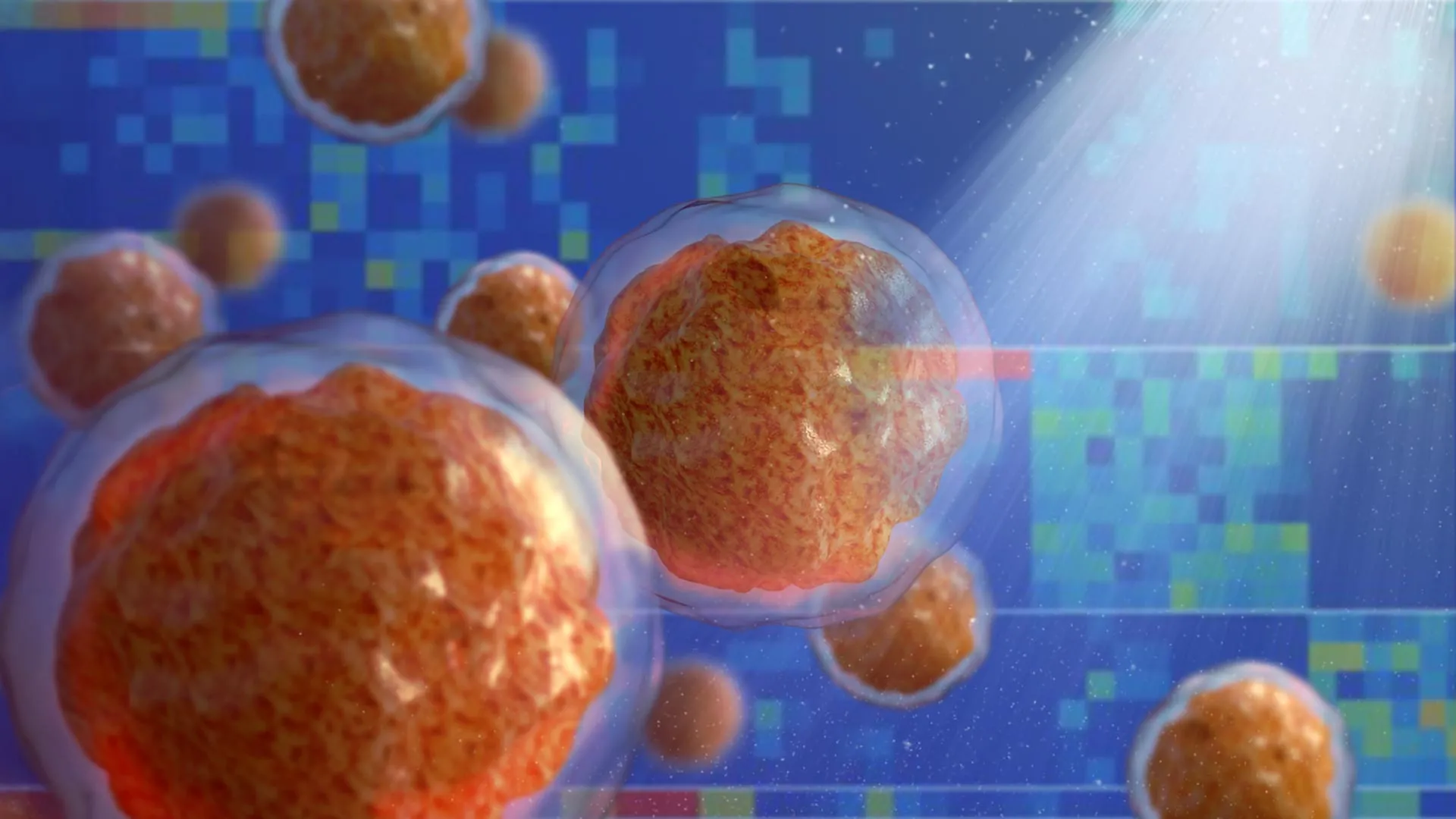
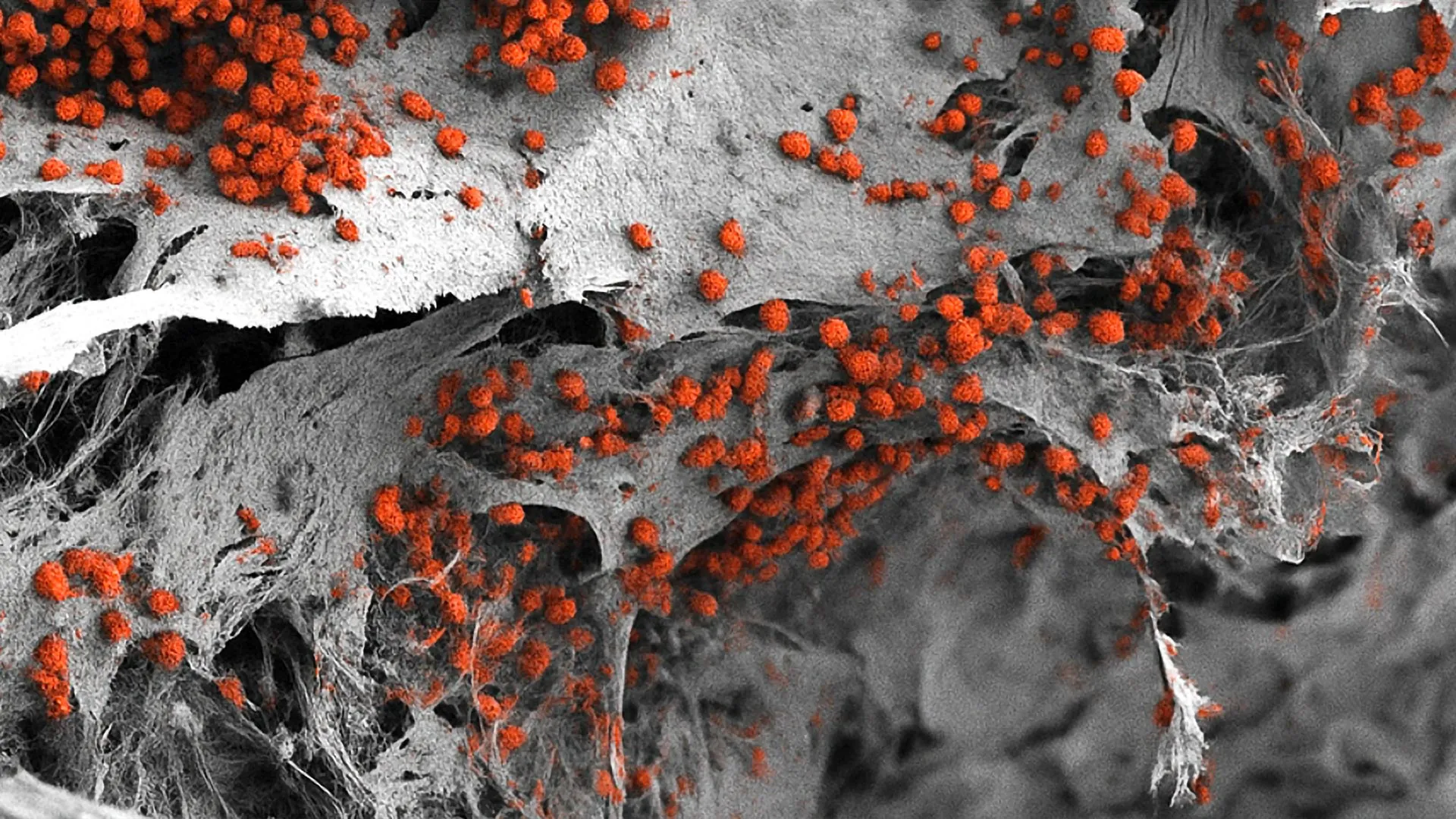
The researchers screened a volume of lung tissue roughly the size of a golf ball. Using high-resolution flow cytometry and genetic sequencing, they identified a population of cells that were phenotypically identical to the hematopoietic stem cells found in bone marrow.
One of the most surprising findings was the density of these cells. The researchers discovered that HSCs were present in the lungs at rates remarkably similar to those found in the bone marrow. This suggested that the lungs were not merely a site of accidental accumulation but a dedicated "niche" for stem cell activity.
"The lung HSCs weren’t one-offs—they were a reliable presence in the lungs," said Catharina Conrad, MD, PhD, a postdoctoral scholar in Looney’s lab and the study’s first author. "But the presence of the cells was only half the story. We still needed to know that they were actually functional and capable of producing blood."
To test this, the scientists placed the lung-derived HSCs and bone-marrow-derived HSCs into petri dishes, providing them with the necessary growth factors to mature. Both sets of cells thrived, but their outputs showed distinct specializations.
Key Data Findings:
- Production Bias: While both sets of stem cells were productive, the lung-resident HSCs produced significantly higher volumes of red blood cells and megakaryocytes. In contrast, the bone marrow HSC colonies showed a higher propensity for producing immune cells, such as leukocytes.
- Transplant Viability: In a "gold-standard" stem cell experiment, the human lung HSCs were transplanted into mice with deficient bone marrow. The lung cells successfully migrated to the bone marrow and restored the animals’ ability to produce blood, confirming their potency and versatility.
- Anatomical Location: The researchers found that these cells reside in the interstitium—the space between blood vessels in the lung. This specific arrangement mirrors the "vascular niches" found in bone marrow, providing further evidence that the lung environment is specialized to support stem cell life.
Redefining "Bone Marrow" Transplants
Perhaps the most provocative aspect of the UCSF study involves the re-evaluation of current medical procedures. Today, many "bone marrow transplants" do not actually involve extracting marrow from a bone. Instead, donors are given medication to "mobilize" stem cells into their bloodstream, which are then collected via a blood draw.
The UCSF team analyzed the cellular signatures of these routine stem cell collections. They discovered that nearly 20% of the stem cells currently used in these transplants carry the specific molecular signature of lung-resident HSCs. This implies that for years, doctors have unknowingly been using lung-derived cells to treat patients with blood cancers and marrow failure.
This finding has immediate implications for hematology. If lung-derived stem cells are more efficient at producing red blood cells and platelets, they might be superior for treating certain conditions, such as severe anemia or thrombocytopenia (low platelet count), compared to traditional bone marrow cells.
Broader Implications and Future Research
The discovery that the lungs are a hematopoietic organ opens a wide array of questions regarding human evolution and disease management. Scientists are now investigating why the body evolved to have a secondary blood production site in the respiratory system.
One leading theory, proposed by Dr. Looney, is that the lungs act as an "emergency reservoir." Because the lungs receive the entirety of the heart’s right ventricular output, they are uniquely positioned to sense changes in oxygen levels or systemic trauma. In the event of massive blood loss or severe hypoxia, the lung HSCs may be the first to be "activated" to surge the production of red blood cells and platelets.
Furthermore, this research may change how we approach lung transplants. If a donated lung contains a significant reservoir of stem cells, those cells may migrate to the recipient’s bone marrow, potentially creating a "chimerism" where the recipient begins producing blood cells derived from the donor’s DNA. This could have profound effects on organ rejection and the recipient’s immune system.
Expert Reactions and Medical Outlook
The medical community has reacted with cautious optimism to the findings. Hematologists note that while the bone marrow remains the primary factory, the lung’s contribution cannot be overlooked in clinical settings.
"The idea that we have been overlooking a major site of blood production for over a century is humbling," said an independent reviewer of the study. "It suggests that our understanding of organ ‘specialization’ is far too narrow. The lungs are not just for breathing; they are an integral part of the circulatory and regenerative systems."
As researchers move forward, the focus will shift toward understanding the signals that trigger lung HSCs. If scientists can learn how to "turn on" these cells in situ, it may be possible to treat certain types of anemia or clotting disorders without the need for invasive transplants.
"Now that we know they exist, it opens up a lot of new opportunities for therapy," Dr. Looney concluded. "Hematopoietic stem cell transplantation is a common and life-saving procedure, but it is also fraught with challenges. By expanding the pool of available cells and understanding the unique strengths of lung-derived HSCs, we can make these treatments more effective and accessible for patients in need."
With 200 billion red blood cells required every day to keep the human engine running, the discovery of a "second factory" in the lungs provides a new level of appreciation for the complexity of human biology and a promising new tool for modern medicine.










Leave a Reply