

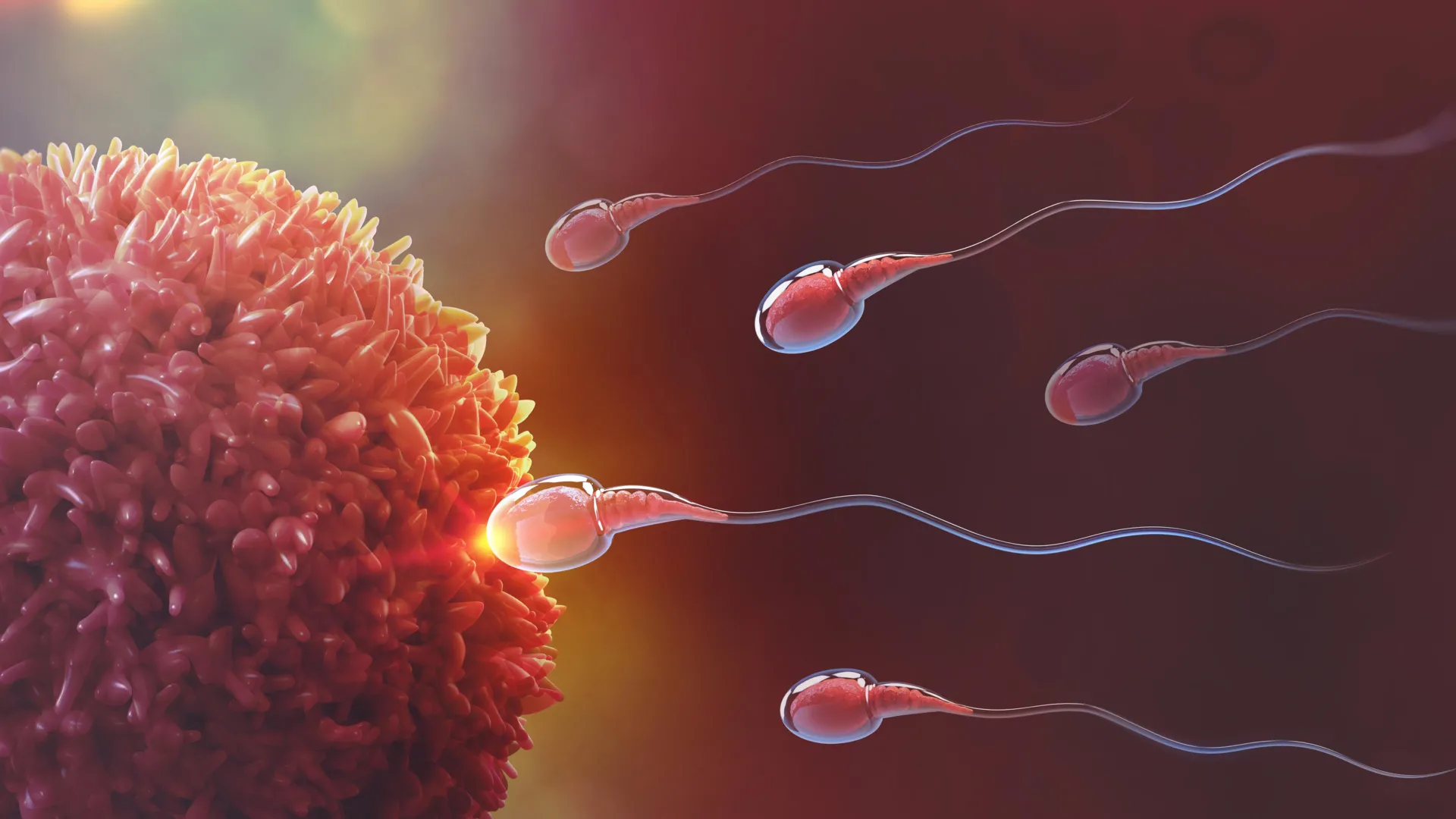
In a landmark study published in the Proceedings of the National Academy of Sciences, a team of researchers led by Michigan State University (MSU) has unmasked a critical molecular mechanism that dictates the success of mammalian fertilization. By identifying a specific enzymatic "switch" that triggers a massive surge in sperm energy, the research provides a potential roadmap for addressing two of the most pressing challenges in reproductive medicine: the rising rates of global infertility and the long-standing absence of safe, effective, nonhormonal male contraceptives.
The study centers on the metabolic reprogramming that occurs within a sperm cell as it prepares for its final sprint toward the egg. While it has long been understood that sperm undergo a dramatic physical transformation upon entering the female reproductive tract—a process known as capacitation—the precise biochemical "engine" driving this transformation remained elusive until now. The findings from MSU’s Department of Biochemistry and Molecular Biology suggest that the enzyme aldolase acts as a primary regulator, shifting sperm from a quiescent, low-energy state into a high-performance mode required for fertilization.
The Biological Marathon: Understanding Sperm Metabolism
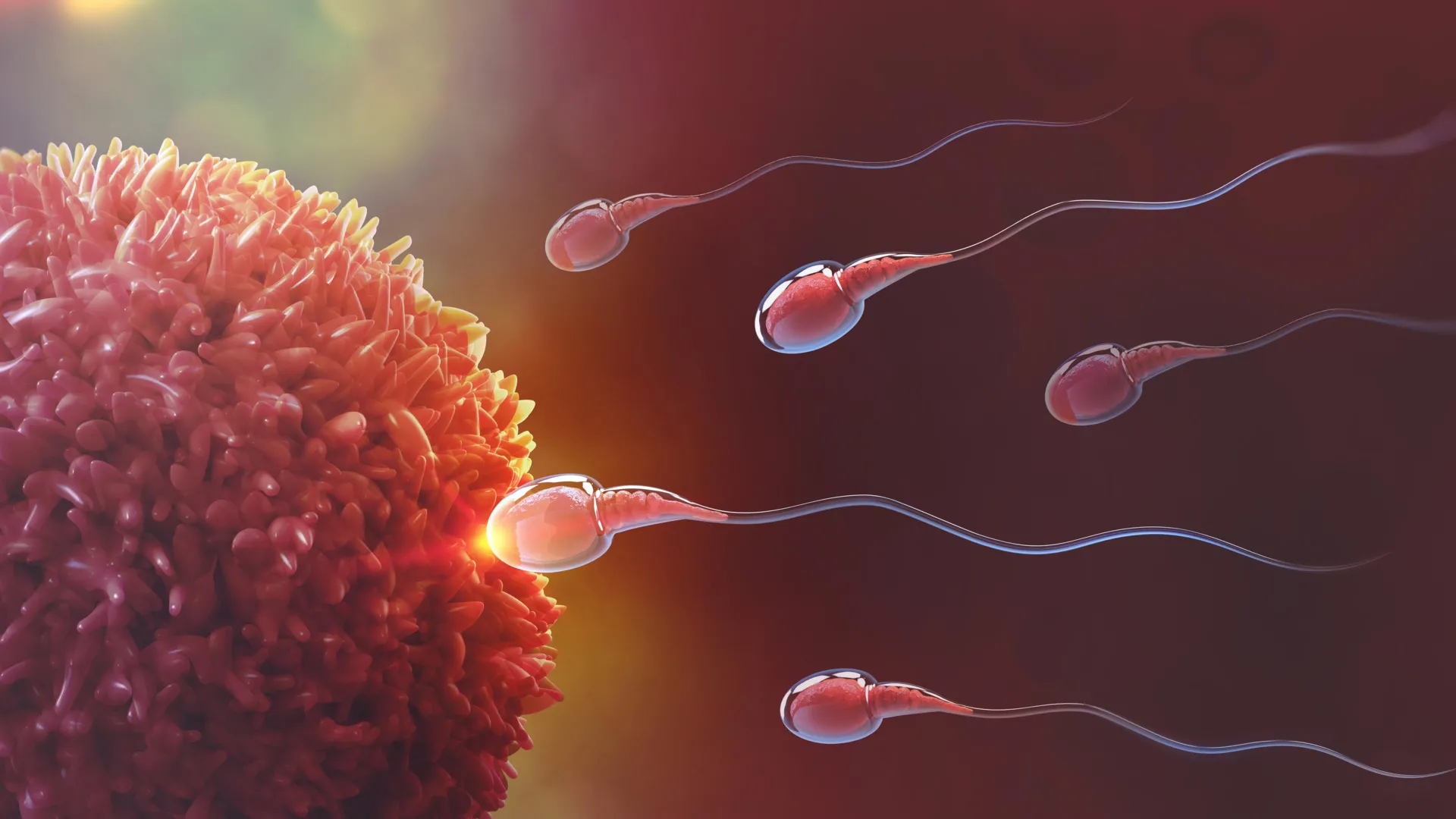
Sperm cells are unique biological entities. Unlike somatic cells, which maintain homeostasis to ensure the longevity of the organism, a sperm cell is a single-use biological projectile with one definitive objective. "Sperm metabolism is special since it’s only focused on generating more energy to achieve a single goal: fertilization," explained Melanie Balbach, an assistant professor at MSU and the senior author of the study.
Before ejaculation, mammalian sperm are held in a state of metabolic suspension within the male reproductive tract. This dormant phase conserves resources and prevents premature exhaustion. However, once introduced into the female reproductive environment, the sperm must undergo a rapid and radical shift. They begin to swim with significantly more force—a behavior termed hyperactivation—and undergo structural changes to their outer membranes. These physiological shifts are energetically expensive, requiring a sudden and massive uptick in adenosine triphosphate (ATP) production.
The MSU study clarifies how this energy is harvested. By focusing on glycolysis—the process by which cells break down glucose into energy—the researchers discovered that sperm do not merely "turn on" their existing machinery. Instead, they undergo a sophisticated metabolic reprogramming.
Mapping the Path: The "Pink Car" Analogy of Glucose Tracking
To uncover these hidden pathways, Balbach and her collaborators at the Memorial Sloan Kettering Cancer Center and the Van Andel Institute employed advanced metabolomics and mass spectrometry. The team developed a novel method to track how sperm process glucose, a primary sugar found in the reproductive tract.
Using the MSU Mass Spectrometry and Metabolomics Core, the researchers "labeled" glucose molecules, allowing them to follow the chemical evolution of the sugar as it moved through the sperm’s internal machinery. Balbach described the complexity of this tracking using a vivid analogy. "You can think of this approach like painting the roof of a car bright pink and then following that car through traffic using a drone," she stated.
In the inactive sperm, the "pink cars" (glucose) moved slowly and followed predictable, low-volume routes. However, in activated sperm, the researchers observed a dramatic change. The glucose moved at much higher velocities and favored specific metabolic intersections. This mapping revealed that the enzyme aldolase was the primary "traffic controller," directing the flow of glucose to maximize energy output at the exact moment the sperm requires it for hyperactivated motility and egg penetration.
Historical Context and the Evolution of the Research
The discovery at Michigan State University is the culmination of years of focused investigation into male reproductive biology. Prior to joining MSU in 2023, Balbach conducted pivotal research at Weill Cornell Medicine. During her tenure there, she was part of a team that demonstrated that inhibiting a specific sperm enzyme (soluble adenylyl cyclase) could render male mice temporarily infertile without affecting their libido or long-term health.
That earlier work laid the conceptual foundation for the current study. While the previous research identified the "on" button for sperm movement, the new findings at MSU identify the "fuel injection system" that keeps the engine running at high speeds. By understanding both the signal and the metabolic response, scientists are now closer than ever to being able to manipulate these processes for therapeutic or contraceptive purposes.
Addressing the Global Infertility Crisis
The implications of this research for infertility are profound. According to the World Health Organization (WHO), approximately 17.5% of the adult population—roughly one in six people worldwide—experience infertility. In about half of these cases, male factors are a primary or contributing cause.
Current diagnostic tools for male infertility often focus on sperm count, morphology, and basic motility. However, many men with "normal" parameters still face difficulty conceiving, a condition often categorized as unexplained infertility. The discovery of the aldolase-driven metabolic switch suggests that some cases of infertility may stem from a "engine failure" at the molecular level—where sperm are present and moving, but unable to achieve the high-energy state necessary to penetrate the egg’s protective layers.
"Better understanding the metabolism of glucose during sperm activation was an important first step," Balbach noted. By identifying the specific enzymes responsible for the energy surge, clinicians may eventually be able to develop new diagnostic tests that assess the metabolic "fitness" of sperm. Furthermore, in the realm of assisted reproductive technologies (ART) such as in vitro fertilization (IVF), these findings could lead to the development of specialized media that optimize sperm energy production before fertilization attempts, potentially increasing the success rates of these expensive and emotionally taxing procedures.
The Search for a Nonhormonal Male Contraceptive
Perhaps the most culturally significant application of the MSU study lies in the development of a male birth control pill. For decades, the burden of contraception has fallen disproportionately on women. While female options are numerous—ranging from oral pills and patches to intrauterine devices (IUDs)—men have been limited largely to condoms and vasectomies.
Previous attempts to create a male pill have predominantly focused on hormonal intervention, specifically targeting testosterone to halt sperm production (spermatogenesis). However, these efforts have frequently stalled in clinical trials due to significant side effects, including mood swings, weight gain, acne, and changes in libido. Furthermore, hormonal methods often take weeks or months to become effective and an equal amount of time to reverse.
The MSU research points toward a "nonhormonal, on-demand" alternative. By targeting the metabolic switch (aldolase) rather than sperm production, a potential contraceptive could disable the sperm’s ability to fertilize an egg without altering the man’s hormonal profile.
"One option is to explore if one of our ‘traffic-control’ enzymes could be safely targeted as a nonhormonal male or female contraceptive," Balbach said. Such a drug would ideally be taken shortly before intercourse to temporarily "stall" the sperm’s engine, providing a window of infertility that is both immediate and rapidly reversible.
Societal Impact and Agency
The drive for a male contraceptive is not merely a scientific pursuit but a social one. Unplanned pregnancies account for approximately 50% of all pregnancies globally, contributing to a range of socio-economic challenges. Providing men with a reliable, nonhormonal contraceptive option would grant them greater agency in family planning while alleviating the physical and hormonal burden often borne by their partners.
"This would give men additional options and agency in their fertility," Balbach emphasized. "Likewise, it creates freedom for those using female birth control, which is hormone-based and highly prone to side effects."
The potential for a nonhormonal approach also appeals to a growing demographic of users who are wary of long-term hormonal use due to concerns over mental health, cardiovascular risks, and other systemic side effects. By focusing on a sperm-specific enzyme like aldolase, researchers hope to minimize "off-target" effects, as the specific metabolic pathways used by sperm are distinct from those used by other cells in the body.
Future Directions and Research Horizons
While the results in the PNAS study are groundbreaking, the transition from laboratory discovery to a consumer product is a multi-year journey. The MSU team is currently working to translate these findings from mouse models to human sperm. Because metabolic pathways can vary between species, the researchers must confirm that the aldolase switch functions identically in humans.
Furthermore, the team plans to investigate how sperm utilize other fuel sources. While glucose is a major player, the reproductive tract also contains fructose and other nutrients. Understanding how sperm switch between these "fuel tanks" will be essential for creating a comprehensive model of sperm health.
The research was supported by the National Institute of Child Health and Human Development, reflecting a federal commitment to advancing reproductive science. As Balbach and her colleagues continue their work at Michigan State University, the scientific community remains optimistic that the "pink car" tracking glucose through the microscopic traffic of a sperm cell will eventually lead to a new era of reproductive freedom and health.
The identification of the aldolase switch stands as a testament to the power of modern metabolomics. It transforms our understanding of the sperm not just as a carrier of genetic material, but as a sophisticated metabolic machine. Whether the end result is a new treatment for an infertile couple or a revolutionary birth control pill for men, the discovery marks a significant milestone in the ongoing quest to master the complexities of human life at its very beginning.













Leave a Reply