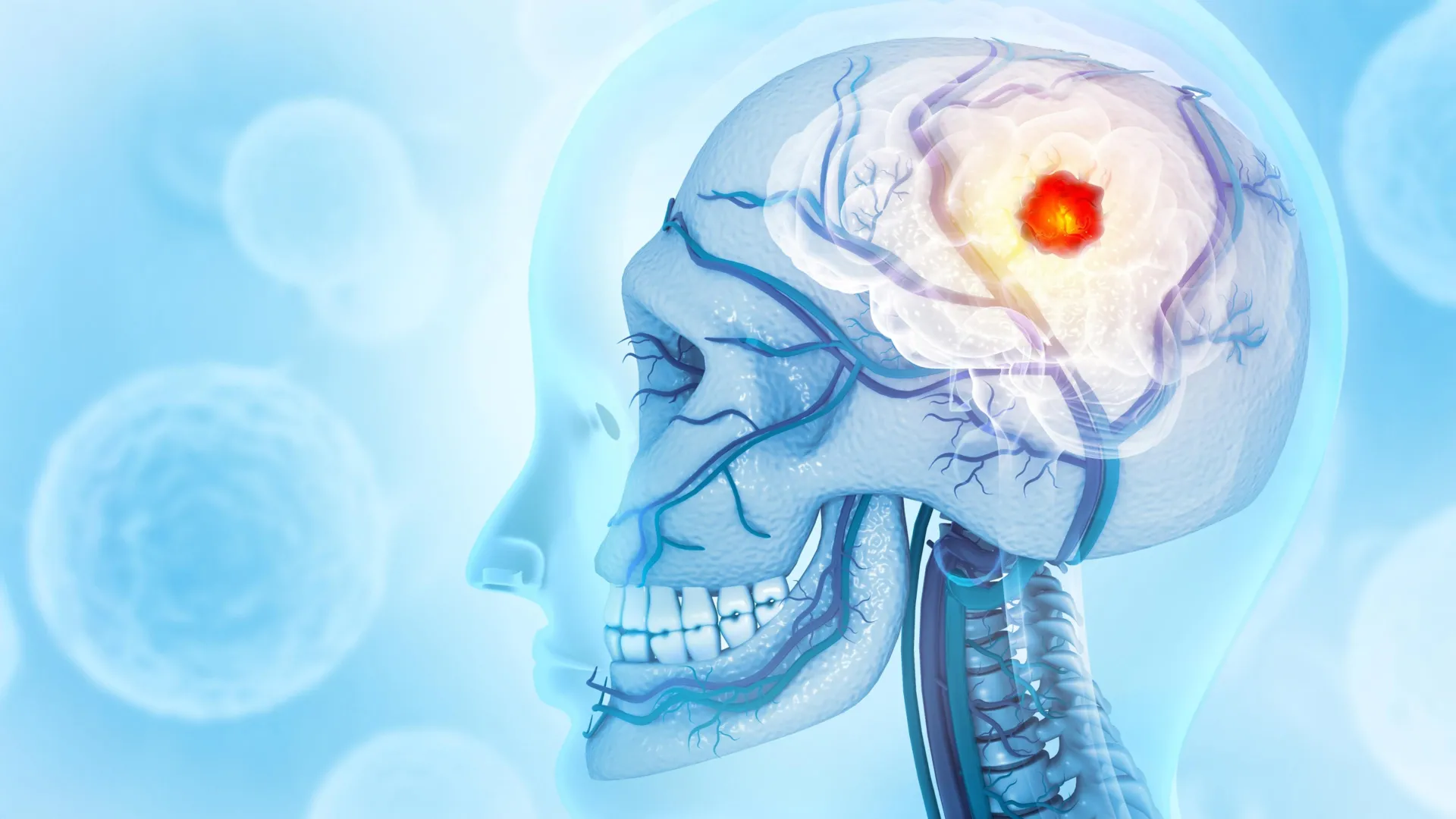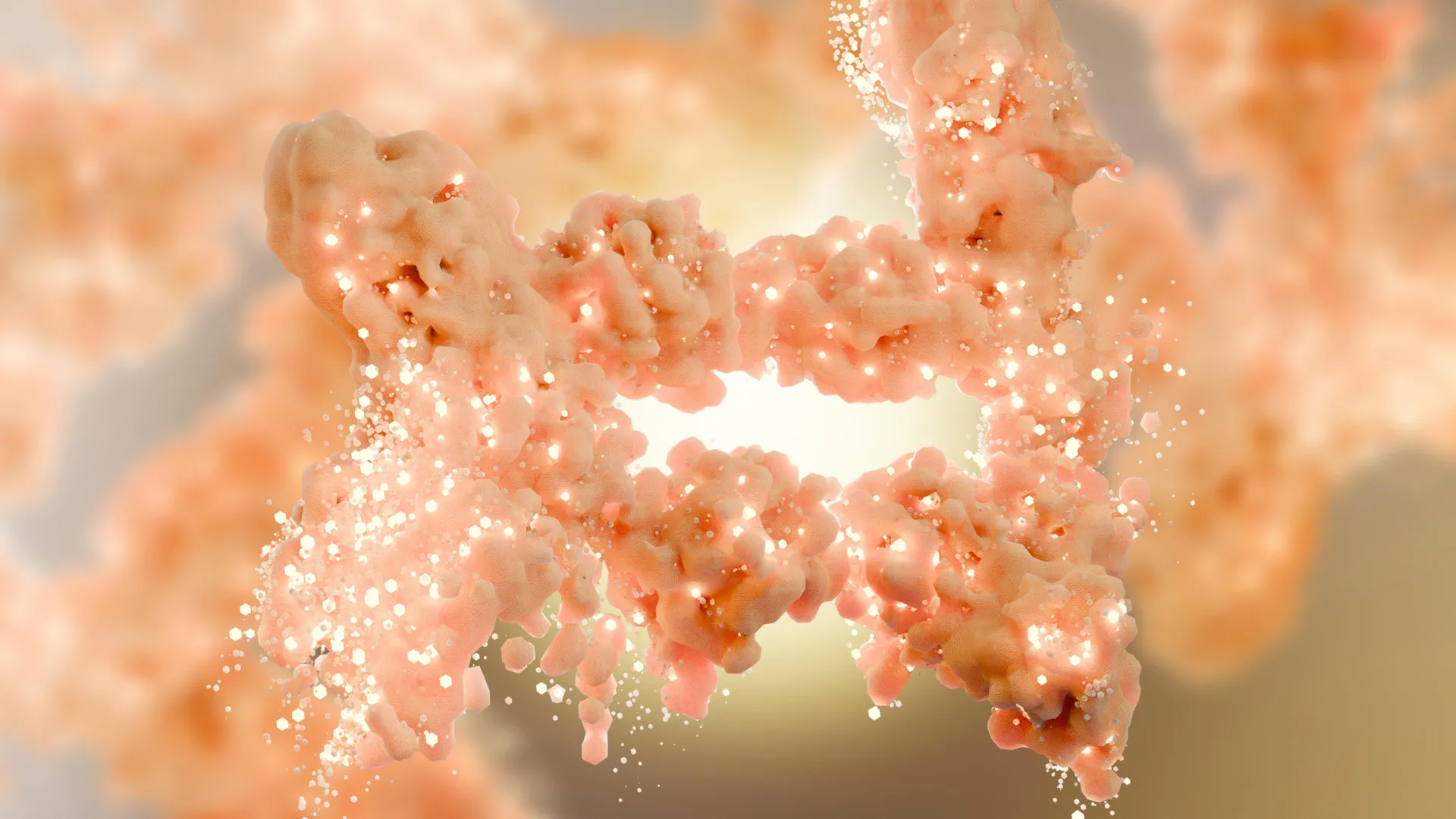
The human bone marrow serves as a silent but tireless factory, situated within the skeletal cavities, where it orchestrates the complex production of billions of blood cells every single day. From the red blood cells that transport life-sustaining oxygen to every corner of the body to the white blood cells that form the frontline of the immune system, the marrow is the cornerstone of human vitality. However, for patients battling cancer, this vital organ is often the "Achilles’ heel" of treatment. Chemotherapy and radiation, while effective at targeting malignant cells, frequently inflict collateral damage on the marrow, leading to dangerously low white blood cell counts and leaving patients acutely vulnerable to life-threatening infections.
In a landmark study published in the journal Cell Stem Cell, a multidisciplinary team of researchers from the University of Pennsylvania School of Engineering and Applied Science (Penn Engineering), the Perelman School of Medicine (PSOM), and the Children’s Hospital of Philadelphia (CHOP) has announced the development of a sophisticated "bone marrow-on-a-chip." This platform successfully emulates the native environment of human marrow, providing a window into a biological process that has historically been difficult to observe and manipulate. By creating a living, functional model of human marrow tissue, the researchers have addressed a long-standing bottleneck in medical science: the inability of animal models to accurately replicate the unique complexities of human hematopoiesis.
The Architecture of a Synthetic Bio-Factory
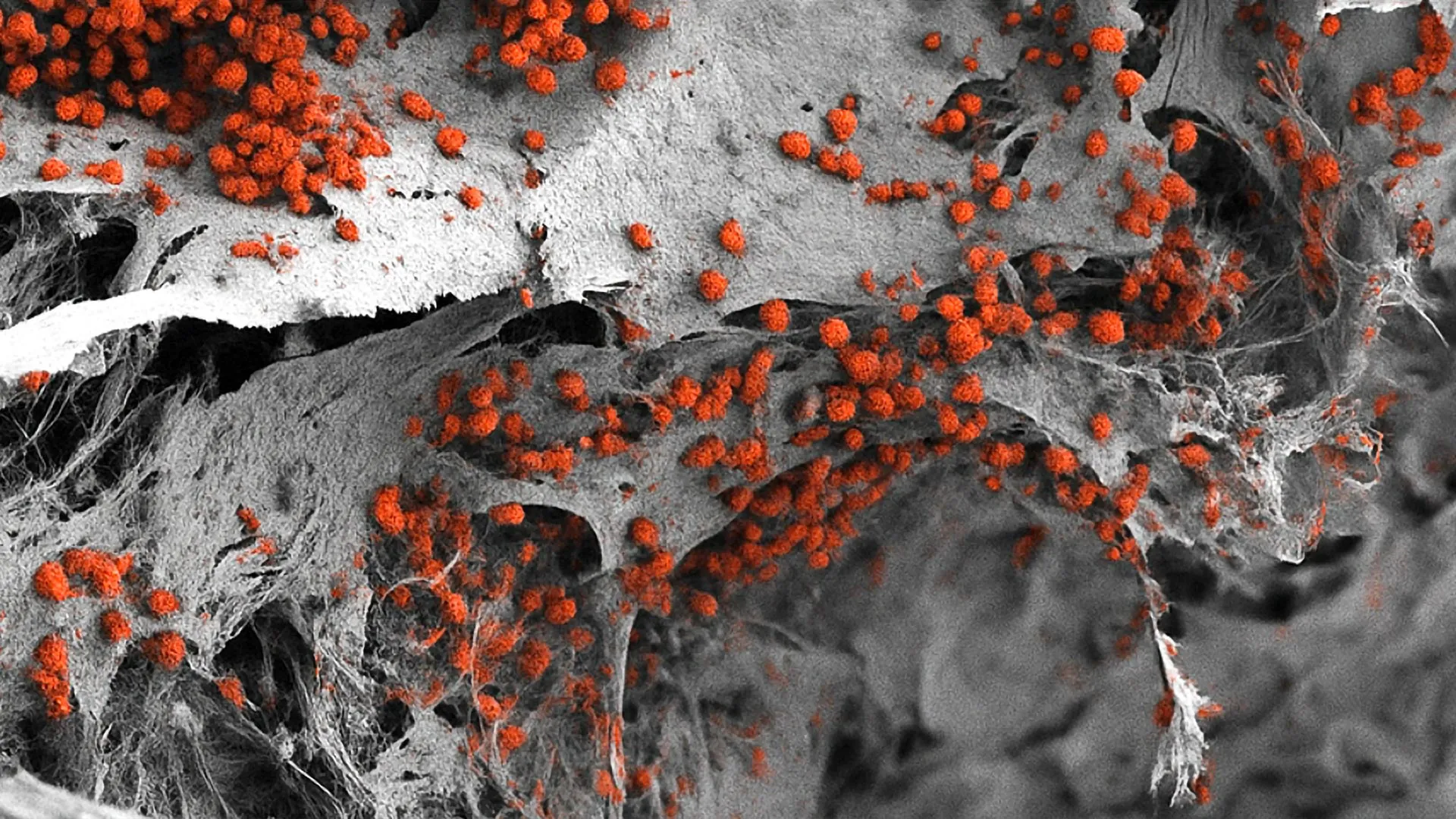
The bone marrow-on-a-chip is a marvel of microfluidic engineering. It consists of a small plastic device containing precision-engineered chambers. These chambers are not merely containers but are carefully calibrated environments filled with human blood stem cells—known as hematopoietic stem cells (HSCs)—and the surrounding mesenchymal and endothelial support cells they interact with in the body. By suspending these cells within a specialized hydrogel, the researchers were able to trigger a process of self-organization that mimics the development of bone marrow in a human embryo.
Unlike previous attempts to model marrow, which often resulted in static or disorganized cell clusters, this new platform allows for the creation of interconnected capillary blood vessels. These engineered vessels serve a dual purpose: they provide the necessary nutrients to the developing tissue and act as a conduit for functional human blood cells to be released into the "circulation" of the culture media. This breakthrough allows scientists to witness the birth and migration of immune cells in real-time, providing an unprecedented level of physiological relevance.
"We’ve come a long way in terms of our ability to regenerate human tissues in vitro and mimic their complex functions, but I would say this system is probably one of the most sophisticated bioengineered tissue models developed to date," said Dan Huh, Professor in Bioengineering at Penn Engineering and the paper’s senior author. The sophistication of the model is highlighted by its ability to replicate the "biochemical crosstalk" between different organ systems, a feat that was previously considered the "holy grail" of organ-on-a-chip technology.
A Decadelong Journey: From the International Space Station to Terrestrial Labs
The origins of this project are as extraordinary as the technology itself. Nearly ten years ago, the research began not with a focus on cancer, but with an eye toward the stars. Dan Huh and G. Scott Worthen, an attending physician at CHOP and Professor Emeritus at PSOM, proposed a mission to the International Space Station (ISS). Their goal was to understand why astronauts on prolonged missions often experience a decline in immune function and an increased risk of infection.
The hypothesis was that microgravity—the weightless environment of space—might disrupt the delicate process of blood cell production in the marrow. "Based on accumulating evidence showing increased risk of infection in astronauts on prolonged missions, we wanted to study how weightlessness affects our immune system," explained Worthen. However, the path to space was fraught with technical challenges. A first attempt to launch the experiment ended in disappointment when the flow controller of the "cubelab" system—designed to sustain the tissue models—short-circuited during the rocket’s ascent. A second scheduled launch was subsequently canceled due to the global disruptions caused by the COVID-19 pandemic.
Despite these setbacks, the researchers redirected their focus to terrestrial applications. The failure of the space missions forced the team to refine the chip’s design for large-scale production and automation, ultimately leading to the robust platform described in their recent publication. The transition from a niche space experiment to a versatile medical tool has opened doors to a wide array of clinical and industrial uses.
Bridging the Gap in Drug Development and Toxicity Screening
One of the most immediate applications for the bone marrow-on-a-chip is in the realm of preclinical drug testing. Currently, the pharmaceutical industry relies heavily on animal testing to determine whether a new drug will be toxic to human bone marrow. However, mice and other animal models often have different immune responses and marrow structures than humans, leading to "false negatives" where drugs appear safe in animals but cause severe marrow suppression in human clinical trials.
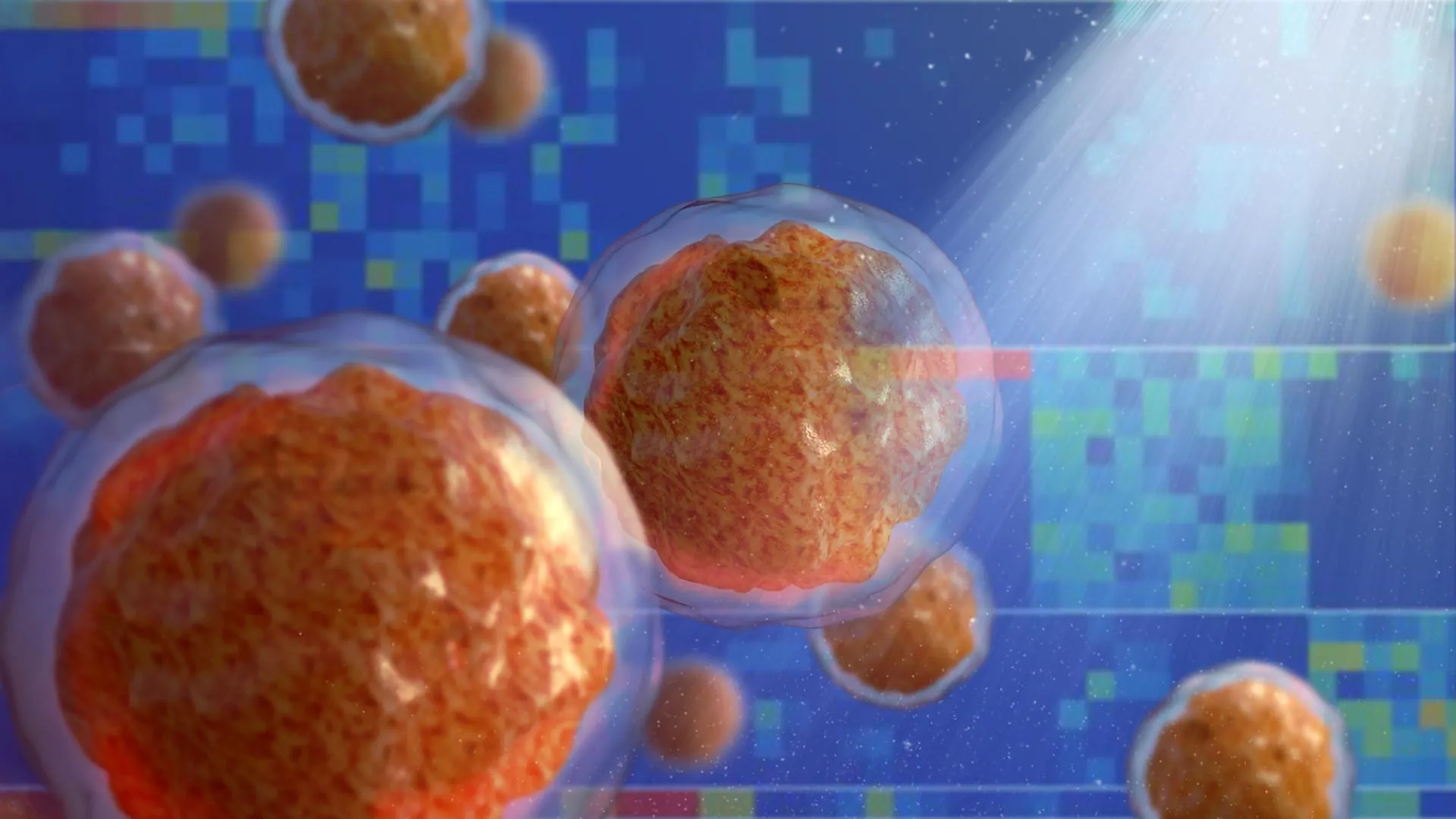
By using the marrow-on-a-chip, pharmaceutical companies can perform high-throughput screening of anticancer drugs on actual human tissue before a single patient is ever dosed. This could significantly reduce the cost of drug development and, more importantly, increase patient safety. The platform’s ability to be automated means that thousands of drug variations can be tested simultaneously, identifying those that effectively kill cancer cells while sparing the precious hematopoietic stem cells.
Furthermore, the device allows for the simulation of radiotherapy. Researchers can expose the chip to varying levels of radiation to study how the marrow’s vascular network and stem cell colonies degrade and, potentially, how they might be repaired. This provides a controlled environment to develop new "radioprotective" drugs that could help cancer patients maintain their immune strength during treatment.
Modeling the "Crosstalk" of the Human Immune Response
Perhaps the most groundbreaking demonstration in the study involved connecting the marrow-on-a-chip to another organ model: a bacteria-infected lung-on-a-chip. This setup allowed the researchers to observe the entire "innate immune response" in a controlled system.
When the lung tissue was introduced to bacteria, it sent out biochemical signals—effectively "cries for help"—that traveled through the engineered bloodstream to the bone marrow chip. In response, the bone marrow chip rapidly accelerated the production and release of neutrophils, a type of white blood cell. These cells then trafficked through the capillary network into the infected lung tissue, where they began the process of engulfing and destroying the bacterial invaders.
This level of systemic modeling is a major leap forward. It allows scientists to study not just how an organ functions in isolation, but how the body operates as a unified system. Such models are crucial for understanding complex conditions like sepsis, where an overactive immune response can lead to multi-organ failure.
The Future of Stem Cell Therapy and Regenerative Medicine
The study also hints at a future where the "Holy Grail" of hematology—the ability to expand human stem cells outside the body—might be within reach. Currently, hematopoietic stem cell transplants for leukemia and other blood disorders require a donor, and the process of harvesting these cells is invasive and costly. Furthermore, HSCs are notoriously difficult to maintain in a lab setting; they often lose their "stemness" and differentiate into other cells too quickly.
The marrow chip, however, provides an environment that mimics the "embryonic niche," which the researchers found was conducive to maintaining HSCs for extended periods. "Given the clinical significance of hematopoietic stem cell transplantation for treating various disorders, exploring the utility of our technology for HSC-based cell therapies will be an important goal of our future work," said Huh. If researchers can use these chips to grow a patient’s own stem cells into a larger population, it could revolutionize the treatment of bone marrow failure and genetic blood diseases.
Conclusion and Broader Implications
The development of the bone marrow-on-a-chip represents a convergence of biology, micro-engineering, and clinical medicine. By "borrowing nature’s recipe" and allowing cells to self-organize, the team at Penn and CHOP has created a tool that is more than the sum of its parts. It is a living laboratory that offers a new way to probe the inner workings of human immunity.
As the technology moves toward commercialization through startups like Vivodyne, the potential for impact continues to grow. From helping astronauts survive the radiation of deep space to ensuring a cancer patient’s immune system remains intact during chemotherapy, the implications of this bioengineered platform are vast. By providing a more accurate, human-centric model for research, this technology is poised to accelerate the next generation of medical breakthroughs, making the "black box" of human bone marrow a little more transparent for the benefit of global health.