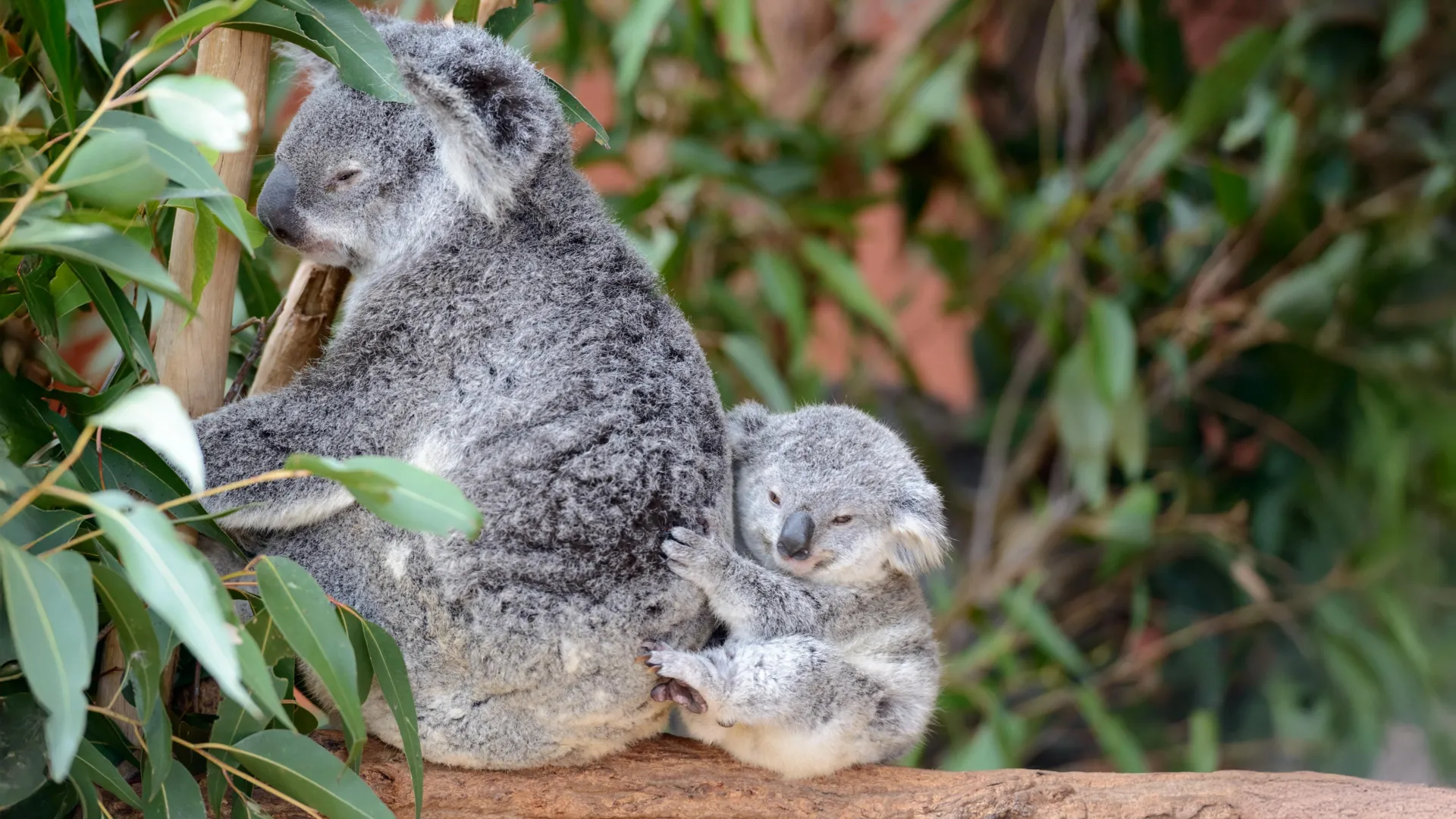
A groundbreaking genomic study of Australia’s iconic koala populations has revealed a potentially significant mechanism for species recovery: rapid population growth may be instrumental in restoring genetic variation lost during severe historical declines. Researchers have identified that swift increases in population numbers, following periods of drastic reduction, can invigorate the process of genetic recombination. This fundamental biological process shuffles DNA into novel combinations, offering a vital pathway for bottlenecked populations to potentially regain the genetic diversity essential for their long-term evolutionary viability and adaptation.
The Peril of Population Bottlenecks
The concept of a population bottleneck is a critical one in conservation biology and evolutionary genetics. It describes a sharp and often catastrophic reduction in the size of a population. Such events can be triggered by a multitude of factors, including disease outbreaks, habitat destruction, environmental disasters like bushfires or floods, or intensive hunting and culling. When a population is drastically reduced, the surviving individuals represent only a fraction of the original genetic diversity. This loss can have profound and lasting consequences.
The immediate aftermath of a bottleneck often sees a significant decrease in the overall genetic variation within the population. This reduced variation means fewer unique alleles (different versions of a gene) are present. Consequently, the population becomes more genetically homogenous. This homogeneity makes individuals within the population more genetically similar to each other. This increased similarity is a precursor to inbreeding, a mating system where closely related individuals reproduce.
Inbreeding, in turn, can lead to a phenomenon known as "inbreeding depression." This occurs when harmful recessive alleles, which are normally masked by their dominant counterparts in a genetically diverse population, are more likely to be expressed when individuals with similar genetic makeup reproduce. The expression of these deleterious alleles can manifest in several detrimental ways, including reduced fertility, lower survival rates of offspring, weakened immune systems, and an overall decrease in the population’s fitness.
These compounding genetic issues can create a dangerous feedback loop, often referred to as an "extinction vortex." In this scenario, shrinking population size leads to increased inbreeding and reduced genetic diversity. This genetic damage then further reduces fertility and survival, leading to an even smaller population size. This downward spiral can be incredibly difficult to escape and can inexorably push a species towards extinction, even if the initial environmental pressures that caused the bottleneck have somewhat abated.
A Ray of Hope: How Growth Can Rekindle Diversity
Despite the grim prognosis often associated with population bottlenecks and subsequent genetic decline, the study by Ahrens and colleagues offers a glimmer of hope, suggesting that genetic damage is not necessarily permanent. The research highlights a crucial insight: when populations not only survive a bottleneck but also experience rapid demographic expansion in its wake, the sheer increase in numbers can act as a powerful restorative force for genetic diversity.
The theoretical underpinnings of this observation are rooted in population genetics. As a population grows, the number of individuals available for reproduction increases. This larger breeding pool inherently provides more opportunities for genetic shuffling. The process of recombination, a cornerstone of sexual reproduction, is particularly important here. During meiosis, the cell division process that produces gametes (sperm and eggs), homologous chromosomes exchange segments of DNA. This "crossing over" shuffles alleles from the parental chromosomes, creating new combinations of genes in the offspring. In a rapidly growing population, with more individuals and thus more meiotic events occurring, there are exponentially more opportunities for these new genetic combinations to arise and spread.
Furthermore, while recombination rearranges existing genetic material, population growth can also indirectly facilitate the introduction or increased frequency of new mutations. Although mutations are the ultimate source of new genetic variation, and they occur at a relatively constant rate, their impact can be amplified in a growing population. Even if a beneficial mutation arises in a single individual within a bottlenecked population, its spread through the gene pool can be slow. However, in a population that is rapidly expanding, this mutation has a greater chance of being passed on to a larger number of offspring, potentially increasing its frequency and contributing to the overall genetic resilience of the population.
Even when a population recovers from a severe bottleneck starting with a very small number of founders, the ongoing process of population growth can begin to mitigate the negative effects of inbreeding. As the population size increases, the probability of closely related individuals mating decreases. Simultaneously, the increased opportunities for recombination can begin to break up the harmful associations of deleterious alleles that may have become prevalent during the bottleneck. While it may not fully restore the genetic diversity lost during the bottleneck, rapid demographic expansion can effectively offset some of the most damaging genetic consequences, partially rebuilding the lost variation and enhancing the population’s adaptive potential.
Therefore, rapid demographic expansion can function as a critical buffer against the genetic vulnerabilities that so frequently accompany severe population declines. It provides a biological mechanism for a species to "outgrow" some of its genetic limitations.
Koalas: A Living Laboratory for Genetic Recovery
The research team, led by Collin Ahrens, recognized that the history of koala populations in Australia provided a unique and compelling natural experiment to test these hypotheses. Koalas have experienced well-documented periods of severe population decline across much of their range, leading to significant genetic bottlenecks. These declines were driven by a combination of factors, including habitat loss due to European settlement, hunting for their fur, and the devastating impact of diseases like chlamydia. In many areas, however, koala populations have shown remarkable resilience and have rebounded in subsequent decades, particularly with increased conservation efforts.
This pattern of drastic decline followed by recovery made the koala an ideal species to study the interplay between population dynamics and genetic health. The researchers aimed to determine whether the observed genetic deficits in koala populations were a permanent scar or if signs of recovery could be detected, and if so, what mechanisms might be driving this recovery.
Genomic Insights into Koala Genetic Health
To investigate these questions, Ahrens and his colleagues embarked on an extensive genomic analysis. They collected DNA samples from a substantial number of koalas, totaling 418 individuals. These samples were drawn from 27 distinct koala populations distributed across various regions of Australia, representing a broad geographical and genetic spectrum of the species.
The analysis involved sequencing the whole genomes of these individuals. This comprehensive approach allowed researchers to examine the genetic makeup of each koala at a very detailed level, providing insights into genetic diversity, patterns of relatedness, and the presence of specific genetic variations.
The findings of this genomic analysis painted a complex picture. As anticipated, the study confirmed that koala populations, on average, still exhibit relatively low levels of genetic diversity when compared to what might be expected in a species that has not experienced severe bottlenecks. This finding is a direct legacy of the historical population crashes that significantly reduced their genetic pool.
However, the study also uncovered crucial evidence of genetic recovery in several of these populations. Despite the overarching low diversity, the researchers identified genetic signatures that suggested a rebuilding of variation. This was not a uniform pattern across all populations, indicating that the success of recovery is likely influenced by local population dynamics and environmental factors. The key observation was that populations that had experienced more rapid growth following their bottlenecks showed more pronounced signs of this genetic resurgence.
The Crucial Role of Recombination in Koala Recovery
The study’s analysis pointed strongly towards recombination as a primary driver of this emerging genetic recovery in koalas. Recombination, as previously described, is the process by which parental DNA is shuffled to create new combinations of genes in offspring. In the context of a recovering koala population, this shuffling is instrumental in several ways.
Firstly, recombination can help to re-establish functional diversity. Even if certain advantageous alleles were lost during the bottleneck, recombination can bring together the remaining alleles in novel combinations. This can lead to offspring with improved traits or a greater capacity to cope with environmental challenges.
Secondly, recombination can break down the negative associations of deleterious alleles. During a bottleneck, harmful recessive genes, which might have been rare in the original population, can become more common and more likely to be paired together in offspring due to increased inbreeding. Recombination acts like a genetic "reset," shuffling the chromosomes and increasing the probability that a harmful allele will be paired with a beneficial or neutral allele, thus masking its detrimental effects and reducing the overall genetic load on the population.
The researchers found that in koala populations that had undergone significant growth, there was evidence of increased recombination rates. This suggests that the larger number of breeding individuals and the subsequent increase in meiotic events were actively contributing to the generation of new genetic combinations. This process, while not creating entirely new genetic material, is vital in re-diversifying the existing gene pool and improving the functional genetic makeup of the population.
Broader Implications for Conservation
The findings from this koala study carry significant implications for conservation strategies worldwide. For many endangered and threatened species, the primary challenge after a period of decline is not just the low population numbers, but also the compromised genetic health that often accompanies them. Understanding how species can naturally recover some of their lost genetic diversity offers new avenues for intervention and management.
The study underscores the critical importance of not just preventing population declines but also fostering rapid recovery when it does occur. Conservation efforts that focus on facilitating population growth and ensuring connectivity between populations (to allow for gene flow) may be particularly effective in promoting genetic resilience.
Future Directions and Challenges
While the findings are promising, several questions remain. The study indicates that recombination can help rebuild genetic health, but it also acknowledges that koalas still face challenges. The long-term evolutionary potential of these recovering populations will depend on the extent to which they can further increase their genetic diversity and adapt to ongoing environmental changes, such as climate change and continued habitat fragmentation.
Further research could focus on identifying the specific genetic variations that are most critical for koala adaptation and resilience. Understanding these factors could inform targeted conservation interventions, such as habitat restoration initiatives designed to support the growth of healthy, genetically diverse koala populations.
The study also highlights the need for continued monitoring of koala populations, both demographically and genetically. Tracking population growth rates and genetic diversity over time will be essential to assess the effectiveness of conservation strategies and to identify any emerging threats.
In conclusion, this genomic study of koalas offers a vital scientific insight: rapid population growth, following severe historical declines, can be a powerful engine for genetic recovery. By promoting recombination and mitigating the effects of inbreeding, burgeoning populations can begin to rebuild their genetic reservoir, thereby enhancing their long-term survival prospects and evolutionary potential. This research provides a crucial reminder that nature often possesses inherent mechanisms for resilience, and understanding these processes can empower conservationists to implement more effective strategies for safeguarding vulnerable species.