A groundbreaking food supplement developed by a multidisciplinary team of researchers, spearheaded by the University of Oxford, holds significant promise for combating the precipitous decline in honeybee populations worldwide. This innovative approach aims to address a critical nutritional deficiency that has been identified as a major contributor to colony collapse, offering a potential lifeline to these vital pollinators.
The collaborative effort, which also involved the Royal Botanic Gardens Kew, the University of Greenwich, and the Technical University of Denmark, focused on replicating the essential nutrients bees derive from natural pollen. Through sophisticated bioengineering, the scientists have successfully created a diet that mimics the vital components of pollen, particularly its sterol content, which is crucial for bee development and reproduction.
Early trials have yielded remarkable results, with bee colonies fed the experimental supplement exhibiting an astonishing increase of up to 15 times in their reproductive output. These findings, meticulously documented and peer-reviewed, have been published in the prestigious scientific journal Nature, underscoring the significance of this scientific advancement.
The Silent Starvation: Bees Losing Access to Essential Nutrients
Honeybees, Apis mellifera, are fundamentally reliant on pollen as their primary food source. This complex substance is rich in proteins, carbohydrates, lipids, vitamins, and minerals, all of which are indispensable for the bees’ growth, immune function, and reproductive success. Among the most critical components found in pollen are sterols, a group of lipid compounds vital for cell membrane structure and hormonal regulation in insects.
However, the delicate ecological balance that supports healthy bee populations is increasingly under threat. The pervasive impacts of climate change, characterized by unpredictable weather patterns and altered blooming seasons, coupled with the widespread adoption of intensive monoculture farming practices, have led to a significant reduction in the floral diversity available to bees. This floral scarcity directly translates into a diminished and less varied diet, meaning bees are often missing out on the specific nutrients they require.
In an effort to mitigate these nutritional deficits, beekeepers have historically employed artificial pollen substitutes. These commercial concoctions typically comprise protein flour, sugars, and oils, designed to provide a caloric intake. While they offer a source of energy, these substitutes have been found to be severely lacking in essential sterols. Consequently, bee colonies reliant on these artificial diets often suffer from chronic nutritional deficiencies, weakening their immune systems and impairing their ability to reproduce and thrive. This nutritional gap has been a persistent challenge for beekeepers striving to maintain healthy and productive colonies.
Engineering a Solution: Lab-Grown Sterols from Engineered Yeast
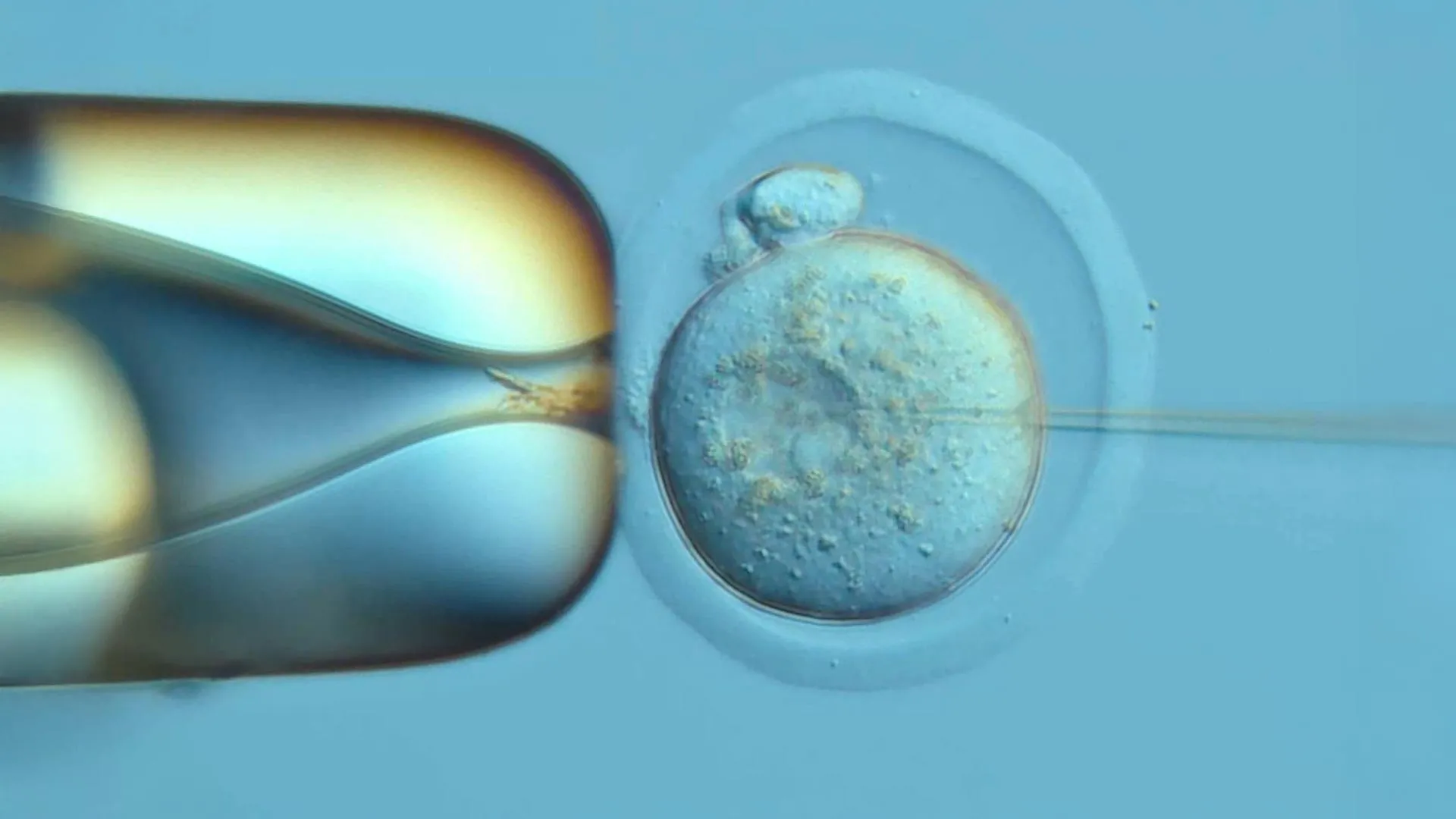
The scientific team’s breakthrough lies in their ingenious use of synthetic biology to bridge this critical nutritional gap. They have successfully engineered a strain of yeast, Yarrowia lipolytica, to produce a precise and balanced blend of six essential sterols that are paramount for bee health. This genetically modified yeast acts as a miniature bio-factory, capable of synthesizing these complex molecules that are otherwise difficult to source in sufficient quantities from natural sources.
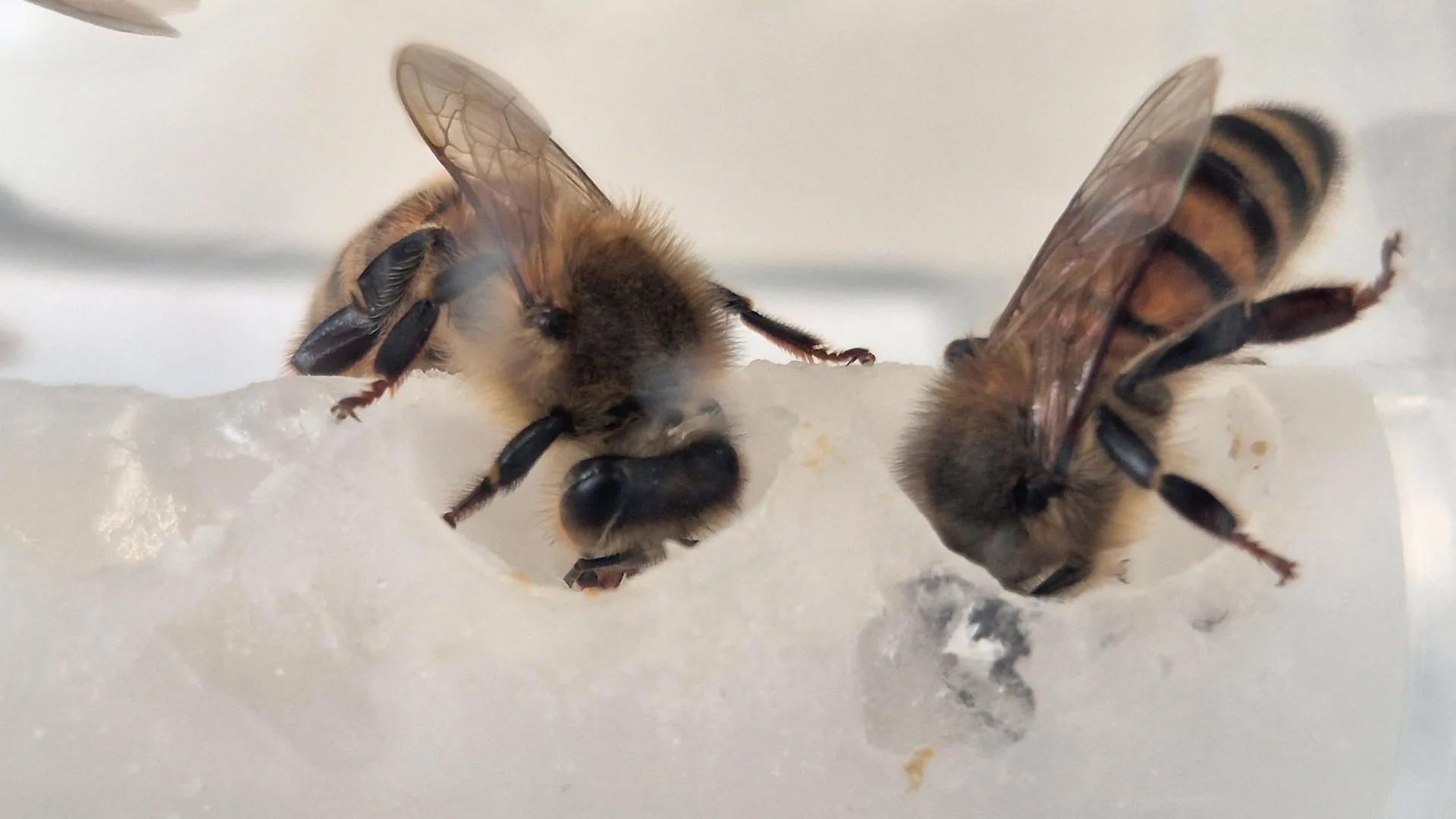
The engineered yeast was then incorporated into a specially formulated bee diet. To rigorously assess the efficacy of this novel supplement, the researchers conducted a series of controlled experiments within glasshouse environments over a three-month period. This enclosed setup was crucial to ensure that the bees consumed exclusively the experimental feed, eliminating confounding variables and allowing for precise measurement of the supplement’s impact.
Dramatic Improvements in Colony Growth and Health
The results of these controlled trials were nothing short of extraordinary. Colonies that received the sterol-enriched diet demonstrated a dramatic increase in reproductive capacity, producing up to an astounding 15 times more larvae that successfully progressed to the pupal stage compared to control colonies fed standard diets. This surge in brood production indicates a significant improvement in the queen’s laying rate and the nurse bees’ ability to nurture developing young.
Furthermore, the supplemented colonies exhibited sustained brood-rearing throughout the entire three-month study period. In stark contrast, colonies deprived of sterols ceased producing brood altogether after approximately 90 days, highlighting the essential role of these nutrients in maintaining reproductive cycles.
Perhaps even more compelling was the analysis of the larvae from the supplemented colonies. Their nutrient profiles closely mirrored those of larvae from bees feeding on natural pollen. This finding is a critical validation of the supplement’s ability to effectively replicate the complex nutritional composition of natural pollen, suggesting it provides a truly complete and balanced diet at the molecular level.
A Potential Paradigm Shift in Pollinator Conservation
Professor Geraldine Wright, a senior author of the study and a distinguished researcher from the University of Oxford’s Department of Biology, emphasized the transformative potential of this research. "Our study demonstrates how we can harness synthetic biology to solve real-world ecological challenges," she stated. "Most of the pollen sterols used by bees are not available naturally in quantities that could be harvested on a commercial scale, making it otherwise impossible to create a nutritionally complete feed that is a substitute for pollen." This underscores the unique advantage of the engineered yeast approach, overcoming natural limitations in sterol availability.
Dr. Elynor Moore, the lead author of the study, who was at the University of Oxford during the research and is now with Delft University of Technology, drew a powerful analogy to human nutrition. "For bees, the difference between the sterol-enriched diet and conventional bee feeds would be comparable to the difference for humans between eating balanced, nutritionally complete meals and eating meals missing essential nutrients like essential fatty acids," she explained. "Using precision fermentation, we are now able to provide bees with a tailor-made feed that is nutritionally complete at the molecular level." This highlights the sophisticated precision of the engineered solution.
Unraveling the Mysteries of Bee Nutrition
The journey to this breakthrough began with a meticulous investigation into the fundamental nutritional requirements of honeybees. The research team undertook the painstaking task of analyzing the tissues of bee pupae and adult bees, a process that involved incredibly delicate laboratory work, including the dissection of individual nurse bees to isolate and study their cellular composition.
Through this intensive analysis, they identified six key sterols that are overwhelmingly dominant in bee biology and critical for their development. These essential compounds include 24-methylenecholesterol, campesterol, isofucosterol, β-sitosterol, cholesterol, and desmosterol. Understanding this precise molecular signature of bee nutrition was the crucial first step in designing an effective dietary supplement.
The Power of CRISPR and Scalable Yeast Technology
The realization of this nutritional blueprint was made possible by the cutting-edge application of CRISPR-Cas9 gene editing technology. The researchers adeptly programmed the Yarrowia lipolytica yeast to efficiently produce these identified sterols. This yeast strain was strategically chosen for its inherent ability to produce lipids, its established safety for food use, and, crucially, its potential for large-scale industrial production. The resulting supplement is produced by cultivating the engineered yeast in bioreactors, followed by a drying process that transforms it into a readily usable powder. This method ensures a consistent and scalable supply of the vital sterol blend.
Implications for Global Food Security and Agriculture
The significance of this research extends far beyond the realm of entomology; it has profound implications for global food security and the sustainability of agricultural systems. Honeybees are indispensable pollinators, playing a critical role in the production of over 70% of the world’s major food crops. From the vibrant almonds of California to the crisp apples of orchards and the sweet cherries of summer, bees are the silent partners in our food supply.
However, these essential pollinators are facing an unprecedented crisis. Their populations are under immense pressure from a confluence of stressors, including poor nutrition, the escalating impacts of climate change, the proliferation of parasites like the Varroa mite, the spread of devastating diseases, and the pervasive use of harmful pesticides.
In the United States, for example, annual colony losses have been alarmingly high in recent years, often ranging between 40% and 50%. Projections for the near future are even more concerning, with some estimates suggesting potential losses as high as 60% to 70% by 2025 if current trends continue unabated. This rate of decline poses a severe threat to agricultural productivity and food availability.
The development of this novel sterol-enriched supplement offers a powerful new tool to bolster bee health without exacerbating competition for dwindling wildflower resources. By providing a complete and targeted nutritional solution, it can strengthen bee resilience to the myriad threats they face, potentially averting catastrophic colony collapses. The research team envisions this supplement evolving into a comprehensive nutritional feed, capable of supporting bees through challenging periods and periods of limited natural forage.
A Boon for Wild Bee Populations
Beyond their vital role in commercial agriculture, honeybees also interact with wild bee species, many of which are also experiencing population declines. Professor Phil Stevenson of RBG Kew and the Natural Resources Institute at the University of Greenwich, a co-author of the study, highlighted this broader ecological benefit. "Honey bees are critically important pollinators for the production of crops such as almonds, apples, and cherries and so are present in some crop locations in very large numbers, which can put pressure on limited wildflowers," he explained. "Our engineered supplement could therefore benefit wild bee species by reducing competition for limited pollen supplies." By providing a reliable and accessible food source for managed honeybees, the pressure on natural floral resources for wild pollinators could be significantly alleviated, fostering a more robust and diverse pollinator ecosystem.
A Game Changer for Beekeepers and the Industry
The potential impact of this research on the beekeeping industry is immense. Danielle Downey, Executive Director of the honeybee research nonprofit Project Apis m., who is not affiliated with the study, expressed considerable optimism. "We rely on honey bees to pollinate one in three bites of our food, yet bees face many stressors. Good nutrition is one way to improve their resilience to these threats, and in landscapes with dwindling natural forage for bees, a more complete diet supplement could be a game changer," Downey stated. She further elaborated, "This breakthrough discovery of key phytonutrients that, when included in feed supplements, allow sustained honey bee brood rearing has immense potential to improve outcomes for colony survival, and in turn the beekeeping businesses we rely on for our food production." This sentiment reflects the widespread hope within the beekeeping community for effective solutions to the ongoing challenges.
The Road Ahead: From Lab to Field
While the results from the controlled laboratory and glasshouse experiments are highly encouraging, the researchers acknowledge that larger-scale field trials are the crucial next step. These trials will be essential to confirm the long-term benefits of the supplement in real-world apiary settings, accounting for the full spectrum of environmental factors and stressors that bees encounter.
If these forthcoming field trials prove successful, the innovative sterol-enriched supplement could be available to farmers and beekeepers within a two-year timeframe. This rapid deployment would be a testament to the efficiency of the research and development process.
Looking beyond honeybees, the underlying technology and the principles of precision fermentation used to create this supplement hold considerable promise for other areas of sustainable agriculture. The same bioengineering approach could be adapted to support the nutritional needs of other crucial pollinator species, as well as various types of farmed insects used for food or other industrial applications, opening up exciting new avenues for sustainable and resilient food production systems. This research represents a significant leap forward in our ability to understand and actively support the insect populations that are fundamental to our planet’s ecological health and our own food security.