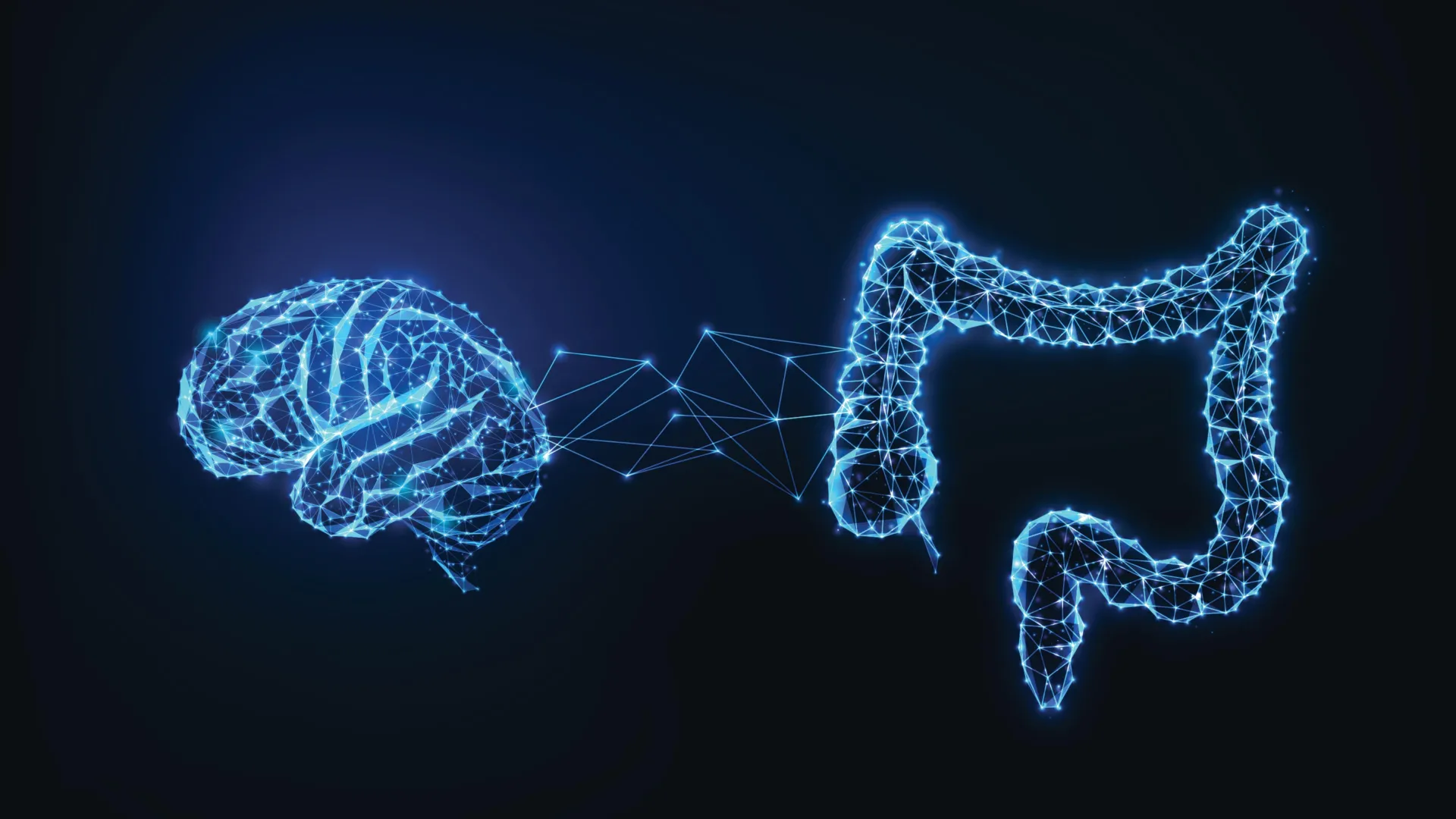
The biological drive to consume food is one of the most fundamental instincts for survival, yet the internal mechanisms that govern specific nutritional choices have long remained a mystery to science. While it is well-understood that the body requires a steady intake of calories to maintain energy, the pursuit of specific macronutrients—particularly proteins—is a far more complex physiological process. A groundbreaking study published in the journal Science on May 21 has finally unveiled a sophisticated communication network between the gastrointestinal tract and the brain that specifically monitors protein levels. This discovery, led by Director SUH Seong-Bae of the Center for Microbiome-Body-Brain Physiology at the Institute for Basic Science (IBS), in collaboration with researchers from Seoul National University and Ewha Womans University, identifies a dual-pathway signaling system that allows animals to detect amino acid deficiencies and rapidly alter their dietary preferences to compensate.
The Biological Necessity of Protein and Amino Acids
To understand the significance of this discovery, one must first consider the role of protein in animal biology. Proteins are the "workhorses" of the cell, essential for the construction of tissues, the production of enzymes, and the synthesis of neurotransmitters. These proteins are built from 20 different amino acids. While the body can synthesize some of these internally, others—known as "essential amino acids"—must be obtained through diet.
When an organism experiences a shortage of these essential building blocks, it cannot simply wait for a random encounter with protein-rich food. Instead, it must actively prioritize protein over other energy sources, such as carbohydrates or fats. This phenomenon, often referred to by nutritional ecologists as the "protein leverage" effect, suggests that animals will continue to eat until their protein requirements are met, even if it means overconsuming calories from other sources. Until now, the exact "sensor" that told the brain the body was low on protein remained a missing piece of the metabolic puzzle.
A Dual-Pathway Signaling Mechanism
The research team identified that the gut does not rely on a single signal to communicate protein status to the brain. Instead, it utilizes a coordinated "fast and slow" system that ensures both immediate behavioral changes and long-term nutritional focus.
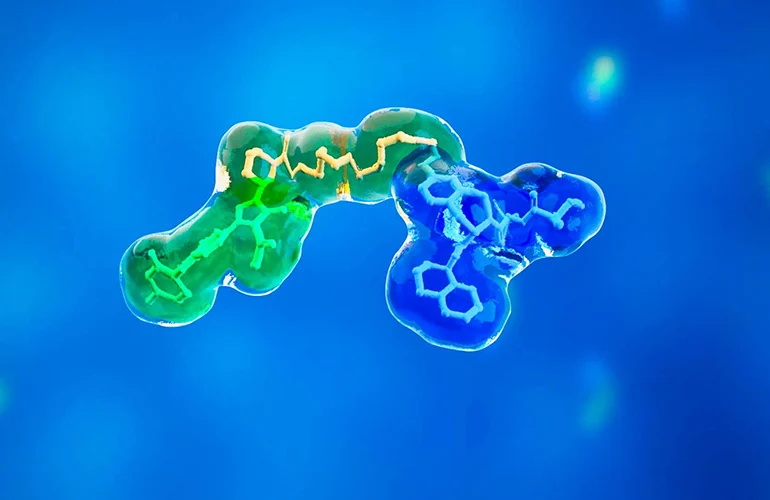
The primary driver of this system is a peptide hormone known as CNMa. When the internal lining of the gut detects a lack of essential amino acids, specialized cells in the intestine release CNMa. This hormone then triggers two distinct communication routes:
-
The Rapid Neural Pathway: CNMa immediately activates enteric neurons located within the gut wall. These neurons are directly connected to the brain through a dedicated neural circuit. This pathway acts like a high-speed fiber-optic cable, sending an instant "alert" to the brain’s feeding centers that protein is missing. This results in a nearly immediate shift in the animal’s interest toward protein-rich food sources.
-
The Sustained Hormonal Pathway: Simultaneously, CNMa is released into the bloodstream, where it acts as a traditional hormone. This blood-borne signal travels more slowly than the neural impulse but provides a sustained message to the brain. This ensures that the animal remains focused on seeking protein even after the initial "alert" has passed, maintaining the craving until the nutritional deficit is corrected.
Experimental Methodology: From Fruit Flies to Mammals
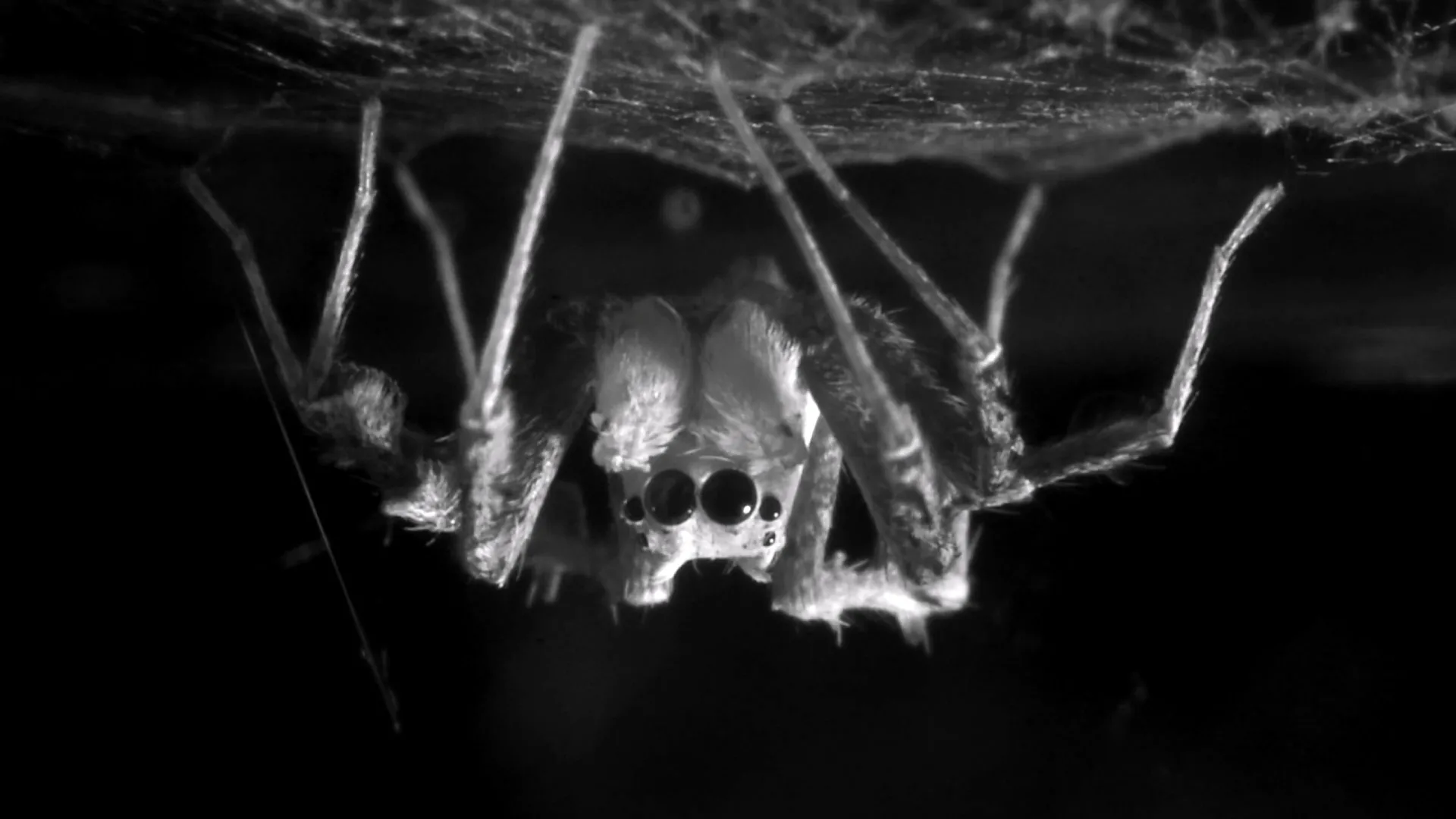
The research utilized Drosophila melanogaster, or the common fruit fly, as the primary model organism. Despite their small size, fruit flies possess highly sophisticated neural circuits for feeding that share many fundamental characteristics with human biology. Using advanced brain imaging and genetic manipulation, the scientists were able to observe the firing of specific neurons in real-time as the flies were exposed to different dietary conditions.
The team discovered that when flies were deprived of protein, the CNMa signal didn’t just make them "hungry" in a general sense. It specifically altered their sensory perception. The signaling suppressed the activity of sugar-sensitive brain cells known as DH44 neurons. Under normal conditions, these neurons drive an attraction to carbohydrates. However, when the protein-deficiency signal was active, the flies’ interest in sugar plummeted, and their attraction to amino acids increased dramatically.
To determine if these findings were applicable to higher organisms, the researchers conducted parallel experiments in mice. The results were remarkably consistent. Mice deprived of protein showed an identical behavioral shift, developing a profound preference for solutions containing essential amino acids over plain water or sugar solutions.
Challenging Existing Paradigms: The FGF21 Discovery
One of the most significant aspects of the study involved the hormone FGF21 (Fibroblast Growth Factor 21). In the field of metabolic research, FGF21 has long been considered the primary regulator of protein appetite in mammals. It was believed that the liver produced FGF21 in response to protein restriction, which then signaled the brain to seek more protein.
However, the IBS-led study produced a surprising result: mice that were genetically engineered to lack FGF21 still exhibited a strong, instinctive drive to seek out amino acids when deprived of protein. This finding suggests that while FGF21 may play a role in metabolic regulation, it is not the sole or even the primary sensor for protein deficiency. The newly discovered gut-brain CNMa pathway (or its mammalian equivalent) appears to be a more fundamental, "fail-safe" system for nutrient sensing that operates independently of previously known hormonal markers.
The Role of the Microbiome
The research also shed light on the complex relationship between gut bacteria and host nutrition. The team found that fruit flies lacking a healthy microbiome (germ-free flies) exhibited a much more intense activation of the protein-seeking neural circuits.
This suggests that a healthy population of gut microbes may actually mitigate the effects of protein deficiency, possibly by synthesizing certain amino acids or by modulating the signals sent from the gut to the brain. When the microbiome is absent or imbalanced, the "protein alarm" in the gut rings much louder, driving the animal to more desperate feeding behaviors. This highlights the microbiome’s role not just in digestion, but as a crucial mediator of the gut-brain axis and behavioral regulation.
Chronology of the Research and Key Milestones
The path to this discovery involved several years of incremental breakthroughs in the field of neuro-gastroenterology:
- Phase 1 (Circuit Mapping): The team initially focused on identifying which cells in the gut were sensitive to nutrient fluctuations, leading to the identification of CNMa-producing cells.
- Phase 2 (Behavioral Analysis): Researchers conducted "choice tests" where animals were given options between various nutrient profiles, confirming that the shift in preference was specific to protein deficiency rather than general caloric deprivation.
- Phase 3 (Neural Imaging): Using calcium imaging, the team visualized the activation of the enteric neurons and the subsequent suppression of sugar-seeking DH44 neurons in the brain.
- Phase 4 (Mammalian Verification): The study expanded to mouse models to confirm the evolutionary conservation of these pathways, leading to the unexpected findings regarding FGF21.
Expert Analysis and Implications for Public Health
The identification of this signaling network has profound implications for understanding human health, particularly in the context of the global obesity epidemic and metabolic disorders. Director SUH Seong-Bae emphasized that current pharmaceutical approaches to appetite control often target general hunger or satiety hormones, such as GLP-1, but do not necessarily address the underlying "nutritional wisdom" of the body.
"Our study shows that the gut is not simply a digestive organ, but an active sensory system that continuously monitors nutritional state and directly guides behavioral decisions," Suh stated.
If the human body utilizes a similar CNMa-like pathway to prioritize protein, it could explain why diets high in ultra-processed carbohydrates often lead to overeating. If these foods lack essential amino acids, the gut may continue to signal "protein hunger" to the brain, causing individuals to consume excess calories in a futile attempt to satisfy a specific nutritional deficit.
Furthermore, this research provides a new foundation for treating eating disorders and metabolic diseases. By targeting the specific receptors involved in the protein-sensing pathway, scientists may be able to develop therapies that "reset" nutritional cravings or improve the body’s ability to regulate intake based on actual physiological needs rather than psychological triggers.
Future Research Directions
The discovery of this "hidden communication system" opens several new avenues for scientific inquiry. The researchers are now looking to identify the specific mammalian equivalent of the CNMa peptide and its corresponding receptors in the human gut. Additionally, further study is needed to understand how other nutrients—such as fats and specific vitamins—might have their own dedicated signaling pathways.
Another area of interest is the interaction between these gut signals and the brain’s reward system. Understanding how a protein-deficiency signal overrides the dopamine hit usually associated with sugar consumption could lead to a better understanding of addiction-like eating behaviors.
In conclusion, the work by the Institute for Basic Science and its partners represents a paradigm shift in nutritional science. It moves the focus away from simple caloric balance and toward a more nuanced understanding of how the "second brain" in the gut dictates our most basic survival behaviors. By uncovering the intricate dialogue between what we eat and how we think, this research paves the way for a more sophisticated approach to nutrition, health, and the treatment of metabolic disease.