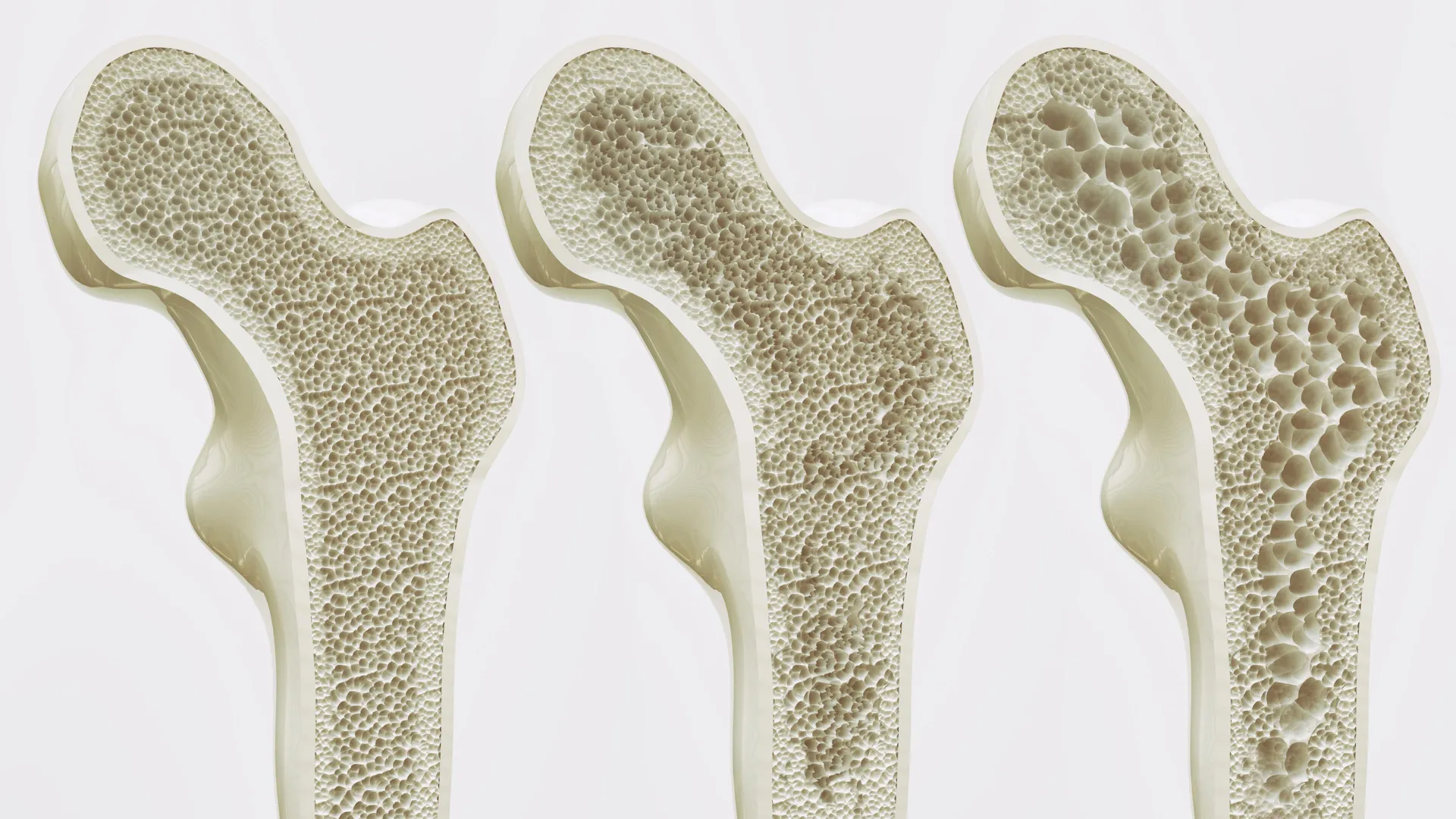
The modern pharmaceutical landscape has been fundamentally reshaped over the past decade by a new class of weight-loss therapeutics. Medications such as semaglutide and tirzepatide have achieved unprecedented success in helping patients shed excess pounds, primarily by modulating appetite and altering the gastrointestinal and neurological cues that govern food intake. Yet, as millions of patients worldwide embrace these treatments, clinicians and researchers have grown increasingly vocal about a persistent physiological trade-off: significant weight reduction frequently comes at the cost of lean body mass. According to a landmark 2026 analytical review encompassing 20 separate clinical trials and 15,782 participants, lean tissue—inclusive of vital skeletal muscle—accounts for approximately 25% to 39% of the total weight lost under these popular pharmacological regimens. This unintended depletion of muscle mass threatens functional strength, physical mobility, and long-term metabolic health, leaving the scientific community searching for innovative strategies that preferentially target adipose tissue while preserving lean tissue.
Against this clinical backdrop, a team of researchers at Israel’s Weizmann Institute of Science has unveiled a fundamentally different paradigm in metabolic regulation. Rather than focusing exclusively on appetite suppression or caloric restriction, these scientists have identified a critical intracellular switch that dictates whether the human body stores energy as fat or actively consumes it as fuel. This groundbreaking discovery centers on a mitochondrial protein formally designated as MTCH2, but affectionately nicknamed "Mitch" within the research community. By manipulating this single molecular gatekeeper, researchers have demonstrated a profound ability to accelerate cellular respiration, block the formation of new fat cells, and protect living organisms against diet-induced obesity without sacrificing overall muscle health.
The Chronology of Discovery: From Animal Models to Human Cellular Pathways
The scientific journey toward understanding the multifaceted roles of MTCH2 spans several years of rigorous, multi-tiered experimentation across international laboratories. The initial breakthrough emerged from pioneering animal studies led by Professor Atan Gross and his investigative team at the Weizmann Institute. In these early phases, researchers genetically engineered mice to disable the MTCH2 gene specifically within muscle tissue. The physiological consequences were immediate and striking. The modified mice exhibited an elevated metabolic rate, displayed extraordinary resistance to the adiposity typically induced by high-fat diets, and developed a proliferation of oxygen-rich muscle fibers that drastically enhanced their physical endurance and cardiac function.
Seeking to understand the precise mechanical drivers behind these widespread metabolic shifts, the Weizmann team shifted their focus toward mitochondria—the microscopic powerhouses responsible for converting dietary nutrients into adenosine triphosphate (ATP), the fundamental cellular energy currency. Previous academic literature had already established that MTCH2 acts as a principal mediator of mitochondrial fusion, the dynamic biological process wherein separate mitochondrial networks merge to coordinate energy production. When Mitch is absent, these intricate networks become fragmented. Although the cells retain their baseline capacity to generate energy, their internal efficiency plummets, plunging them into a state of chronic energy demand.
To determine whether these murine observations translated to human physiology, doctoral student Sabita Chourasia spearheaded a subsequent phase of research utilizing human cells cultivated in laboratory environments. Employing advanced genetic engineering techniques, Chourasia and her colleagues deleted the MTCH2 gene from human cell lines and tracked the biochemical fallout across more than 100 distinct metabolic pathways at regular intervals. Their findings, published in The EMBO Journal on January 3, 2025, under the formal title "MTCH2 controls energy demand and expenditure to fuel anabolism during adipogenesis," provided definitive proof of how the protein governs cellular nutrient allocation.
Dissecting the Cellular Machinery: How Mitch Directs Nutrient Fate
When MTCH2 was deleted from human cells, the disruption of mitochondrial networks triggered an immediate imbalance between energy supply and demand. Deprived of their normal efficiency, the cells experienced an internal energy deficit despite ramping up their oxygen consumption. To compensate for this persistent shortage, the cells significantly upregulated cellular respiration, systematically increasing their intake and combustion of carbohydrates, amino acids, and fatty acids.
Most notably, the research illuminated a profound shift in lipid metabolism. The cells did not merely consume circulating dietary fats; rather, they actively broke down structural lipids derived from their own cellular membranes to sustain their accelerated energy demands. Professor Gross highlighted the significance of this mechanism, noting that the cell essentially cannibalizes its internal lipid reserves to fuel its heightened metabolic furnace. Consequently, MTCH2 functions not merely as a passive participant in mitochondrial maintenance, but as an active master regulator that dictates the ultimate biological fate of fats within human cells.
Expanding upon this cellular phenomenon, the Weizmann team investigated whether Mitch similarly influenced adipogenesis—the developmental pathway through which immature precursor cells mature into fully functional fat-storing adipocytes. Previous clinical observations had noted abnormally elevated levels of MTCH2 in the adipose tissue of women struggling with obesity, suggesting a pathological correlation between high protein expression and excessive fat accumulation.
To test this hypothesis, the researchers evaluated mouse-derived progenitor fat cells lacking the MTCH2 gene. While approximately 80% to 90% of normal, unmodified precursor cells routinely differentiated into mature adipocytes within a six-day window, a mere 5% to 10% of cells lacking Mitch successfully completed the differentiation process. Furthermore, the few cells that did mature accumulated drastically fewer lipid droplets. The underlying cause was twofold: the energy-intensive synthesis of new cellular membranes and fat-storing apparatuses could not proceed in the face of the energy shortage induced by Mitch’s absence, and the genetic pathways essential for adipocyte maturation were simultaneously suppressed.
Unlocking a Second Fat-Burning Pathway in Adipose Tissue
The scientific consensus surrounding MTCH2 solidified further later that year with the publication of follow-up research on October 3, 2025, in the journal Nature Communications. This subsequent international collaborative effort—which included prominent contributions from Gross, Chourasia, and researchers across institutions such as ETH Zurich—delved deeply into how MTCH2 regulates metabolism specifically within living adipose tissue.
By analyzing human and mouse fat samples alongside genetically modified murine models, the research team uncovered an additional, complementary mechanism of action. They discovered that MTCH2 physically interacts with carnitine palmitoyltransferase 1 (CPT1), an essential enzymatic checkpoint that regulates the import of fatty acids into the mitochondrial matrix for oxidative breakdown. Normally, the activity of CPT1 is strictly governed by malonyl-CoA, a regulatory molecule that signals cells to restrict fatty acid oxidation. However, by interacting directly with CPT1, MTCH2 modulates how strongly this inhibitory signal restrains the enzyme.
When researchers selectively removed MTCH2 from the fat tissue of living mice, this regulatory constraint was altered, allowing mitochondria to import and oxidize fatty acids at a significantly accelerated rate. The phenotypic results were striking: when subjected to a high-fat diet, mice lacking MTCH2 in their adipose tissue gained substantially less weight and accumulated far less body fat than wild-type control animals, despite consuming identical quantities of food and maintaining equivalent levels of physical activity. Moreover, these genetically engineered mice demonstrated marked improvements in systemic metabolic health, exhibiting superior glucose tolerance, more favorable blood lipid profiles, and preserved lean body mass. Crucially, these metabolic improvements occurred entirely independently of uncoupling protein 1 (UCP1), the hallmark protein responsible for heat generation in brown adipose tissue, thereby establishing an entirely novel pathway for energy expenditure.
Broader Impacts, Clinical Implications, and Future Horizons
The identification of MTCH2 as a dual-action molecular switch—simultaneously driving cellular fat consumption and inhibiting the de novo formation of adipocytes—represents a compelling frontier in metabolic medicine. By demonstrating that mammalian fat tissue can be induced to burn excess energy without requiring concurrent reductions in caloric intake or increases in physical exertion, these findings point toward a potential generation of anti-obesity interventions designed to complement, rather than merely replicate, existing appetite-suppression therapies.
Nevertheless, leading endocrinologists and metabolic researchers urge a measured approach, emphasizing that translating these preclinical findings into safe, viable human therapeutics will require navigating significant biological complexities. MTCH2 is a ubiquitously expressed protein that plays vital housekeeping roles in mitochondrial maintenance and cellular survival across multiple organ systems. Systemic pharmacological inhibition of the protein could therefore unleash unintended systemic consequences. Furthermore, physiological fat tissue is not merely a liability; healthy adipose depots play indispensable endocrine and metabolic roles, including the storage of excess circulating lipids and the prevention of ectopic fat deposition in sensitive organs such as the liver and heart.
As the scientific community digests the implications of the Weizmann Institute’s discoveries, foundational lifestyle interventions—such as structured resistance training and adequate dietary protein intake—remain the clinical gold standard for preserving vital lean muscle mass during weight loss. Yet, the work spearheaded by Professor Gross, Sabita Chourasia, and their international colleagues offers a transformative glimpse into the future of metabolic therapeutics. By shifting the scientific focus from simply curbing appetite to directly reprogramming how human cells allocate nutrients and expend energy, future therapies may soon harness the power of a single microscopic switch to redefine the biological management of obesity.