Scientists at Cornell University have achieved a significant milestone in reproductive biology, moving closer to the long-sought goal of developing a safe, reversible, long-acting, and fully effective nonhormonal male contraceptive. In a comprehensive proof-of-principle study spanning six years, a dedicated research team demonstrated that safely interrupting a specific biological phase of sperm production can temporarily halt male fertility without causing permanent damage to the reproductive system or affecting the health of future offspring.
The findings, which represent a paradigm shift in how researchers approach family planning and reproductive medicine, were published today in the Proceedings of the National Academy of Sciences. Led by prominent geneticists at the Cornell Reproductive Sciences Center, the breakthrough addresses a long-standing imbalance in modern contraceptive availability, offering a fresh prospective avenue for male-centric birth control that bypasses the complexities and side effects associated with hormonal interventions.
Main Facts and the Core Discovery
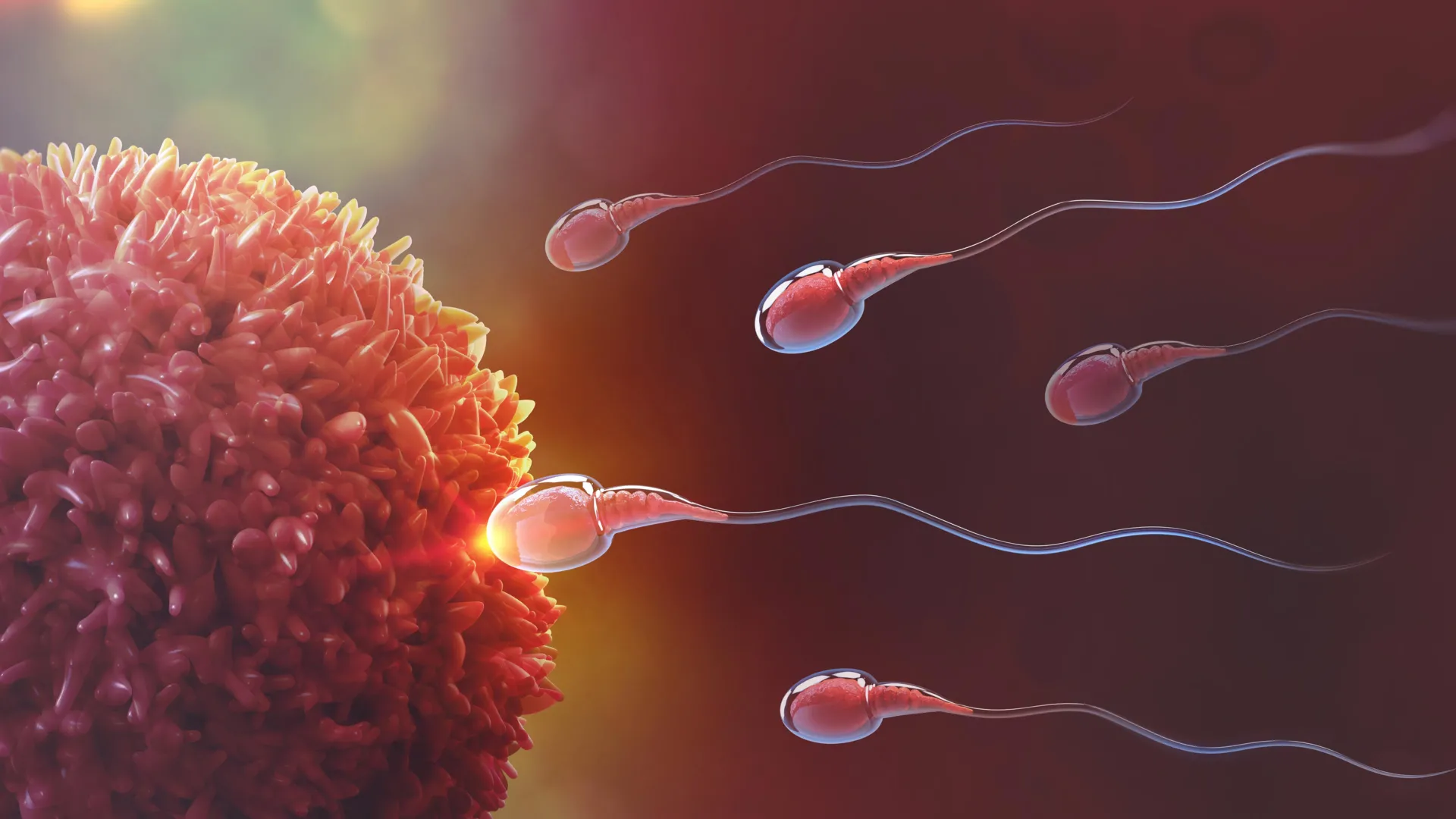
For decades, the pharmaceutical landscape of birth control has heavily prioritized female physiology, leaving men with only two primary choices: barrier methods such as condoms, which carry a risk of user failure, and surgical interventions such as vasectomies, which are often irreversible or require costly, delicate microsurgery. The latest research from Cornell University introduces a third alternative: a targeted pharmacological approach that temporarily halts spermatogenesis—the creation of sperm—at its cellular root.
The investigative team focused their efforts on meiosis, the specialized type of cell division that reduces the chromosome number by half, creating four haploid sex cells. Specifically, the researchers targeted prophase 1, a critical stage within meiosis where genetic material is exchanged between homologous chromosomes. By intervening at this precise juncture, the scientists were able to temporarily shut down the production of viable sperm cells while leaving the underlying stem cell population completely unharmed.
To achieve this targeted disruption, the research team utilized JQ1, a small-molecule inhibitor originally synthesized for oncology and immunology research to combat cancer cells and inflammatory conditions. Although JQ1 itself is unsuitable for human contraceptive use due to off-target neurological side effects, it served as an invaluable research tool. By administering JQ1, the team was able to prove definitively for the first time that targeting the meiotic phase is a viable, safe, and entirely reversible method for inducing temporary male sterility.
Chronology of a Six-Year Investigation
The journey toward this landmark publication was methodical, requiring a rigorous six-year research timeline to ensure absolute safety, reversibility, and genetic integrity.
In the early stages of the project, the Cornell team evaluated various cellular checkpoints during spermatogenesis to determine the most strategic intervention point. They deliberately avoided targeting spermatogonial stem cells—the foundational cells responsible for continuous sperm production throughout a man’s life. Destroying these stem cells would result in permanent sterility, an unacceptable outcome for a reversible contraceptive. Similarly, researchers bypassed spermiogenesis, the final maturation stage of sperm, because allowing cells to advance too far down the developmental pipeline increases the risk of defective or partially mature sperm leaking out and potentially causing abnormal fertilization.
By focusing squarely on prophase 1 of meiosis, the team struck a delicate balance. During the experimental phase, male laboratory mice were administered JQ1 over a controlled three-week period. Throughout this window of administration, sperm production ceased entirely as the developing cells underwent programmed cell death (apoptosis) specifically during the disrupted meiotic phase.
Following the cessation of the JQ1 treatment, the chronological focus shifted to recovery and recuperation. The researchers monitored the subjects closely to observe how long it would take for normal cellular functions to resume. Within six weeks of terminating the inhibitor protocol, the mice exhibited a complete return of normal meiotic processes and robust, healthy sperm production.
To confirm functional viability, the treated male mice were subsequently paired with females for breeding trials. The results were definitive: the male subjects were fully fertile, and their resulting offspring displayed entirely normal physiological development, robust health, and normal reproductive capabilities of their own.
Supporting Data and Biological Mechanisms
The mechanics of JQ1 within the cellular environment offer profound insights for future drug design. JQ1 operates by inhibiting bromodomain and extra-terminal (BET) proteins, which act as epigenetic readers that regulate gene expression. During male meiosis, specific BET proteins are required to activate the genes responsible for chromosome pairing and DNA repair during prophase 1.
When JQ1 was introduced, it effectively blocked these epigenetic signals, freezing the meiotic process in its tracks. The developing germ cells, recognizing the irreparable disruption in chromosome alignment and gene transcription, triggered internal apoptotic pathways and died off cleanly without causing systemic inflammation or tissue damage in surrounding testicular architecture.
Quantitative data gathered during the six-week recovery period highlighted the resilience of the testis microenvironment. Sperm counts rebounded to pre-treatment baselines, motility metrics remained unaffected, and genetic screening of the subsequent generations of mice revealed no chromosomal aberrations, birth defects, or elevated mutation rates. This foundational data provides quantitative reassurance that temporary meiotic arrest does not inflict genomic instability on surviving germ cells.
Official Responses and Perspectives from the Scientific Community
The publication of the study has drawn widespread commentary from reproductive endocrinologists, geneticists, and public health advocates who recognize the pressing need for modern contraceptive innovation.
"We’re practically the only group that’s pushing the idea that contraception targets in the testis are a feasible way to stop sperm production," said Paula Cohen, professor of genetics and director of the Cornell Reproductive Sciences Center, who spearheaded the research initiative. Cohen emphasized that the psychological and physiological burden of family planning has historically fallen disproportionately on women, a dynamic that could be significantly rebalanced through safe, male-administered options.
Reflecting on the data regarding offspring health, Cohen underscored the absolute importance of genomic safety. "Our study shows that mostly we recover normal meiosis and complete sperm function, and more importantly, that the offspring are completely normal," she reiterated, addressing the primary concern of regulatory bodies and prospective users regarding potential birth defects or delayed genetic mutations.
Independent experts in reproductive biology have lauded the study for bridging the gap between theoretical pharmacology and practical application. While pharmaceutical companies have historically shied away from nonhormonal male contraceptives due to the high risk of irreversible damage, the Cornell methodology provides a clear blueprint for screening future, highly specific inhibitors that lack the neurological side effects of JQ1.
Broader Impact and Clinical Implications
The implications of this research extend far beyond the laboratory, touching upon global public health, family dynamics, and the pharmaceutical industry. Unintended pregnancies remain a persistent global challenge, with nearly half of all pregnancies worldwide classified as unintended. Expanding the array of reliable, reversible contraceptive tools is widely viewed by the World Health Organization and other public health entities as a crucial step toward improving maternal and child health outcomes.
While hormonal approaches—such as testosterone-progestin combinations—have been studied extensively in men, they frequently encounter resistance due to adverse side effects reminiscent of those experienced by women using hormonal birth control, including mood changes, acne, weight gain, and undesirable shifts in lipid profiles. A nonhormonal approach targeted specifically at testicular meiosis bypasses systemic hormonal receptors entirely, theoretically eliminating these mood-altering and metabolic side effects.
Looking toward the future, the research team envisions a clinical translation where men could manage their fertility through convenient, long-acting delivery mechanisms. According to Dr. Cohen, a successful pharmaceutical derivative of this research could eventually be formulated as an injectable medication administered once every three months, or potentially engineered into a transdermal skin patch designed to maintain steady therapeutic levels of the inhibitor.
Before human clinical trials can commence, however, secondary phases of drug development must focus on optimizing specificity. Researchers must engineer molecules that target the exact meiotic proteins identified in this study without crossing the blood-brain barrier or interacting with unrelated epigenetic pathways, thereby eliminating the neurological side effects that precluded JQ1 from direct human application.
As pharmaceutical interest in male reproductive health gradually accelerates, the Cornell University study stands as a watershed moment. By proving that meiosis can be safely interrupted and subsequently reversed without compromising future generations, the research has effectively shifted the horizon of modern contraception, bringing society one step closer to a shared responsibility in family planning.