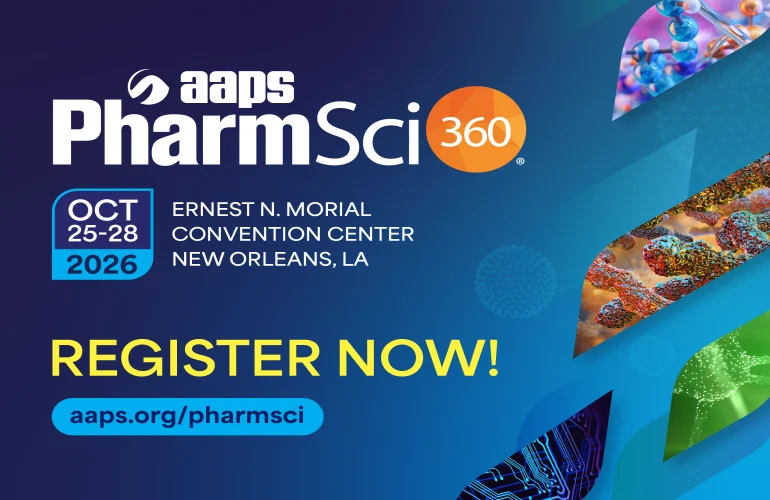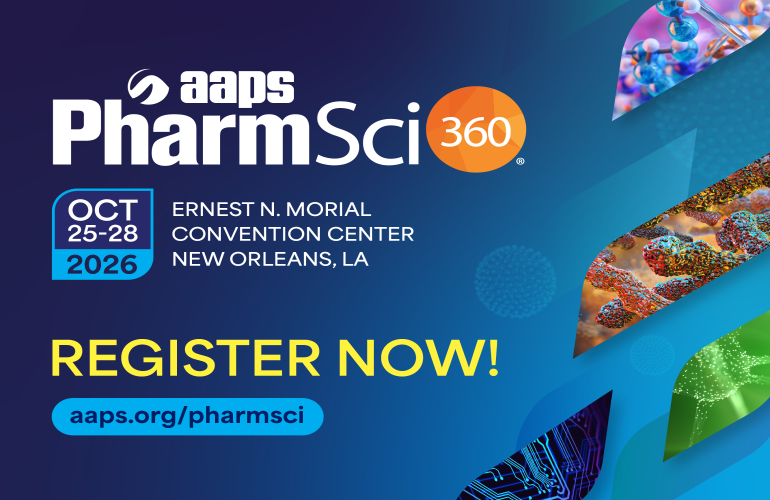
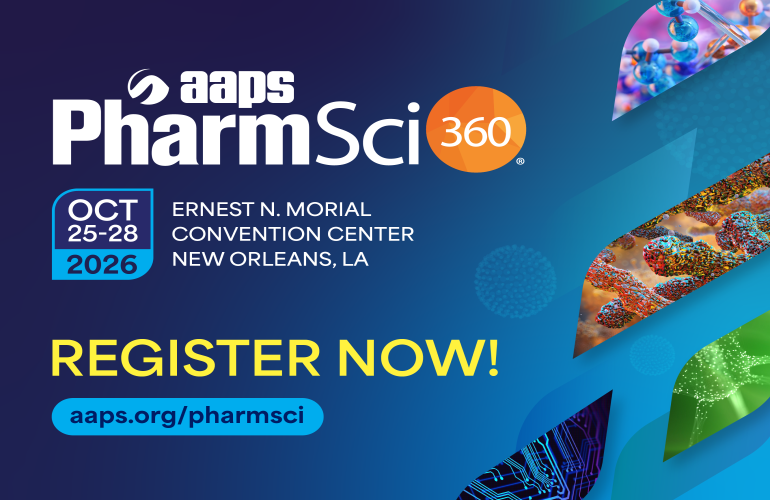
The pharmaceutical landscape is currently undergoing a rapid transformation, characterized by the integration of artificial intelligence in drug discovery, the rise of complex biologics, and shifting regulatory frameworks for global clinical trials. As the industry grapples with these complexities, the upcoming AAPS PharmSci 360 conference, scheduled for October 25–28, 2026, at the Ernest N. Morial Convention Center in New Orleans, serves as a critical nexus for researchers, executives, and regulatory experts. The event represents a comprehensive examination of the pharmaceutical product lifecycle, gathering thousands of global participants to address the technical and operational hurdles defining modern drug development.
A Legacy of Scientific Exchange
The American Association of Pharmaceutical Scientists (AAPS) has long maintained PharmSci 360 as its flagship event, designed to bridge the gap between academic discovery and industrial application. By providing a platform where early-stage researchers can engage with representatives from industry leaders like AstraZeneca, Merck, and the Mayo Clinic, the conference facilitates a cross-pollination of ideas that is essential for accelerating the delivery of life-saving therapies to patients.
The 2026 iteration of the conference is particularly significant due to its focus on New Approach Methodologies (NAMs) and research integrity. As traditional animal models face increasing scrutiny and regulatory requirements evolve, the shift toward human-centric, in-silico, and microphysiological systems has become a priority for both the public and private sectors.
Strategic Chronology: A Three-Day Deep Dive
The conference schedule is structured to provide a logical flow of information, starting with executive-level strategy and concluding with the technical application of predictive modeling.
Monday, October 26: Strategy and Foundational Science
The event kicks off with a focus on systemic inefficiencies in the drug development pipeline. The executive track features a candid "autopsy" of development delays, led by industry experts including Dr. Leigh Verbois of Rx-360 and Dr. Teresa R. Henry of Blue Oaks Biotech. This session aims to identify the root causes of clinical trial bottlenecks, providing actionable insights for firms looking to optimize their timelines.
Following the executive overview, the scientific programming moves into regulatory-ready strategies. A key highlight is the focus on ICH S12 guidelines, with Dr. Nagendra Chemuturi of Eli Lilly presenting on biodistribution and persistence strategies. Simultaneously, the conference addresses the growing importance of advanced cell culture models, including liver-on-a-chip systems and sandwich-cultured hepatocytes, which are vital for hepatotoxicity testing in early development.
Tuesday, October 27: Technological Advancements and Microphysiological Systems
The second day shifts toward the application of high-tech tools in drug safety and efficacy. Quantitative systems toxicology and the utilization of microphysiological systems represent the vanguard of drug discovery. Dr. Jeffrey Woodhead from Simulations Plus and Dr. Jing Bai from Xellar Biosystems will lead sessions focused on the scalability of these models, which are becoming standard in predicting drug-induced liver injury (DILI) and other adverse outcomes.
Furthermore, the session on nanomedicine, led by Dr. Annette Bak of AstraZeneca, highlights the growing demand for precision delivery systems. As complex drugs become the norm, the ability to design nanocarriers that precisely target tissues while minimizing systemic toxicity is a major focal point for the pharmaceutical engineering community.
Wednesday, October 28: Modeling, Regulation, and Global Standards
The final day focuses on the "dose code" and regulatory harmonization. Dr. Ran Li from Genentech will discuss the modeling strategies for multispecific biologics, a segment of the market that has seen exponential growth in the last five years.
The "Hot Topic" session on pediatric drug data, featuring representatives from the U.S. FDA and Health Canada, underscores the importance of global regulatory cooperation. As the pharmaceutical industry becomes increasingly internationalized, the lack of uniformity in pediatric trial standards remains a significant hurdle. This session is expected to provide much-needed clarity on the alignment of expectations between regulators and sponsors.
Implications of Emerging Trends in Drug Development
The inclusion of Innovator-Curated tracks this year signals a departure from traditional conference formats, reflecting a trend toward more agile, topic-specific scientific discourse. By entrusting leaders like Brian Nosek and Dr. Thomas Hartung to curate content on research integrity and NAMs, AAPS is acknowledging that the future of the industry depends as much on the quality of data as it does on the speed of discovery.
The emphasis on research integrity is particularly timely. With the global scientific community facing challenges regarding reproducibility and data transparency, the commitment of AAPS to provide a dedicated forum for these issues is a proactive measure to maintain public trust in the pharmaceutical enterprise.
Furthermore, the new partnership with the United States Pharmacopeia (USP) in the exhibit hall offers a practical benefit to attendees. By integrating discussions on complex generics and excipient quality directly into the exhibit space, the conference creates a "learning-by-doing" environment where scientists can view the latest instrumentation from companies like Agilent and Thermo Fisher Scientific while simultaneously discussing the regulatory standards that govern their use.
Supporting Infrastructure and Workforce Development
Beyond the scientific sessions, PharmSci 360 recognizes the human element of the industry. The "Careers 360" resources are designed to address a critical talent gap in the pharmaceutical sector. With the industry pivoting toward AI-driven research and specialized biologics, there is a heightened demand for personnel who possess both deep scientific knowledge and the ability to leverage digital tools.
The inclusion of workshops on AI skill-building, intellectual property (IP) management, and startup funding reflects a broader shift toward an entrepreneurial culture in the life sciences. As smaller, biotech-focused firms become the primary drivers of innovation, providing their staff with the tools to navigate the commercial landscape—from patent filings to venture capital acquisition—is critical for the long-term sustainability of the sector.
Public Health and the Future Market
The opening and closing plenaries frame the conference within the context of global public health. Dr. Julie Gerberding’s opening session on FNIH initiatives sets the stage for a discussion on how the pharmaceutical sector can better align with public health needs, particularly in the wake of lessons learned from the recent global pandemic. Closing the event, Dr. David Berry’s analysis of market transformation provides attendees with the strategic foresight necessary to navigate the next decade of pharmaceutical innovation.
The shift toward technology-driven medicine, as highlighted in the final plenary, is supported by data from the broader industry, which suggests that the adoption of AI and digital twins in drug development can reduce R&D costs by up to 20% over the next decade. By focusing on these high-impact areas, PharmSci 360 ensures that its attendees are not only keeping pace with current trends but are also equipped to lead the charge in future advancements.
Conclusion: A Hub for Collaborative Innovation
PharmSci 360 stands as a vital gathering for those at the intersection of science and industry. Through its blend of high-level strategic discourse, rigorous scientific sessions, and hands-on professional development, the conference creates a unique environment for solving the complex challenges of the 21st-century pharmaceutical industry. For the thousands of professionals convening in New Orleans, the event offers an opportunity to refine their research, expand their professional networks, and contribute to a more efficient and transparent drug development ecosystem. As the industry looks toward the next wave of therapeutic breakthroughs, the insights gathered at this year’s event will likely serve as the foundation for the next decade of medical advancement.