The landscape of modern nicotine consumption has shifted dramatically over the past two decades, with electronic cigarettes frequently marketed as a safer alternative to traditional combustible tobacco products. However, a growing body of scientific inquiry continues to challenge the safety profile of these devices, particularly regarding populations that were never targeted by conventional cigarette marketing. A new study led by researchers at the University of California, Riverside, has brought fresh urgency to these concerns by identifying a specific chemical mechanism through which common e-cigarette flavorings may compromise very early human development. Published on August 12 in the peer-reviewed journal Human Reproduction, the research demonstrates that vanillin, a widely used flavoring agent in vaping liquids, can interfere with the normal developmental trajectory of human embryonic stem cells in laboratory settings.
While the study was conducted entirely in vitro using stem cell models rather than human subjects, the implications are profound. The findings offer a scientifically plausible biological explanation for clinical observations that have long puzzled medical professionals: the statistically significant correlations between e-cigarette use, diminished fertility, difficulties in conception, and elevated rates of spontaneous miscarriage. As regulatory bodies worldwide grapple with the explosive popularity of vaping products—especially among younger demographics of childbearing age—this research underscores the urgent need to scrutinize not just the nicotine delivery mechanisms of e-cigarettes, but the vast and largely unregulated catalog of chemical additives designed to make these products palatable.
Experimental Framework and the Investigation of Vanillin
To understand the scope of the UC Riverside study, one must examine the methodology deployed by the research team, headed by Prue Talbot, a professor of the graduate division in the Department of Molecular Cell & Systems Biology at UCR, alongside coauthor Shabnam Etemadi, a stem cell biologist and computational scientist. The investigators sought to answer a fundamental question: how do aerosolized chemicals inhaled during vaping interact with the earliest stages of human embryonic life?
The researchers chose to focus specifically on vanillin for several compelling reasons. First, vanillin is ubiquitous in the commercial e-cigarette marketplace, frequently incorporated into complex flavoring formulations at exceptionally high concentrations. Second, prior biochemical mapping suggested that human embryonic cells possess a specific transmembrane protein on their surfaces known as TRPV4 (Transient Receptor Potential Vanilloid 4). This calcium-permeable ion channel was recognized as a prime candidate for binding with vanillin molecules.
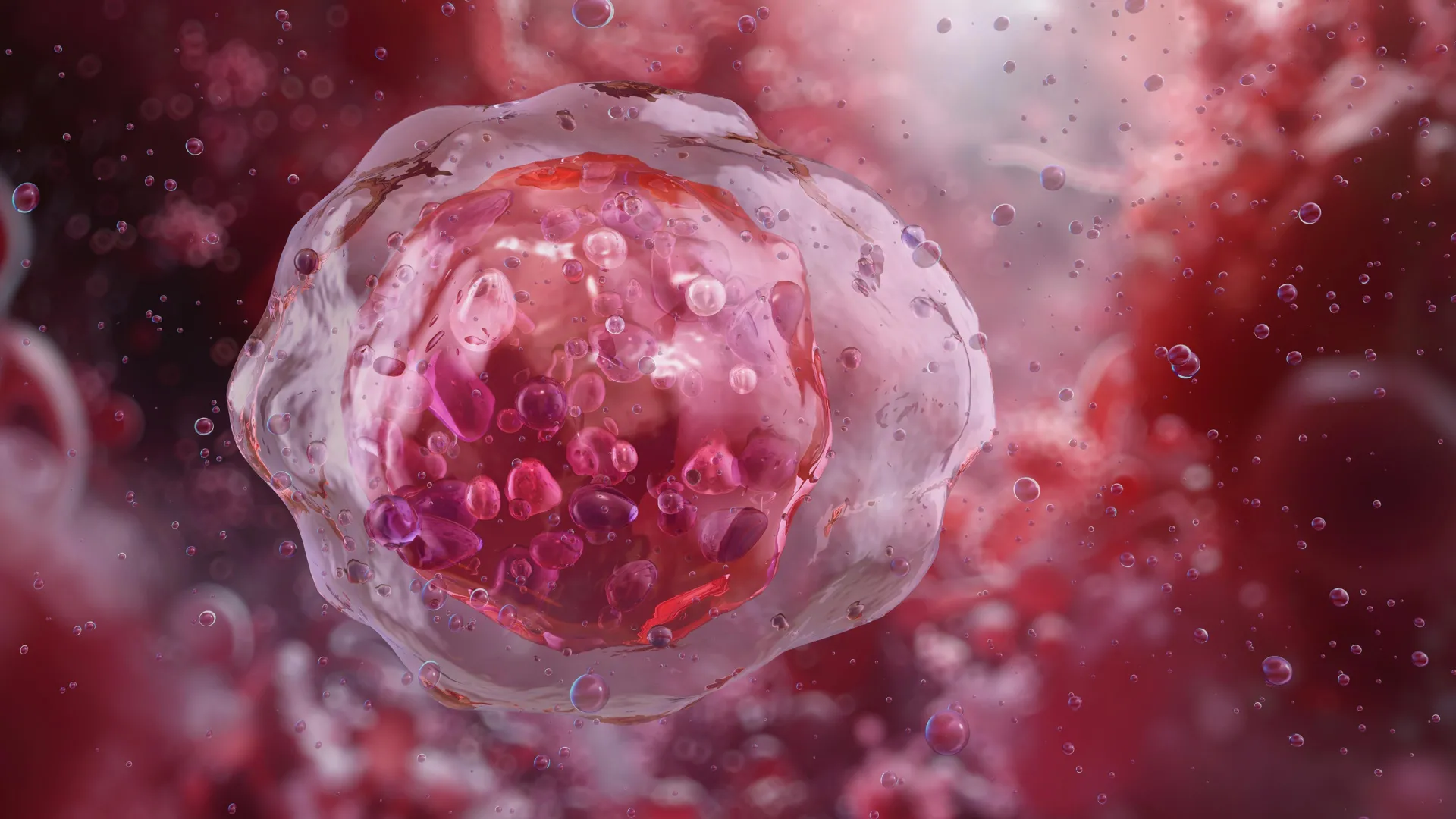
In the controlled environment of the laboratory, the researchers exposed human embryonic stem cells—which biologically mirror cells found in natural human embryos at approximately three weeks of post-fertilization development—to varying concentrations of vanillin. These exposures spanned both nanomolar (low) and micromolar (high) concentrations. To rigorously test their hypothesis regarding the TRPV4 channel, the team also introduced a TRPV4 antagonist (a pharmacological substance designed to inhibit vanillin binding), a specialized blocking antibody targeting TRPV4, and various combinatorial treatments pairing vanillin with these inhibitors.
The results revealed a stark, concentration-dependent cellular response. At micromolar concentrations, vanillin proved overtly cytotoxic, leading to the death of the embryonic stem cells. More insidiously, exposure to nanomolar concentrations—levels that the researchers project are capable of reaching an embryo in a pregnant woman who vapes—triggered profound alterations in cell fate.
Cellular Disruption and the Mechanism of Action
Human embryonic stem cells are famously pluripotent, meaning they possess the remarkable developmental plasticity to differentiate into virtually any specialized cell type in the human body. During normal embryogenesis, these pluripotent cells systematically give rise to the three primary germ layers: the endoderm, the ectoderm, and the mesoderm. This tripartite division is an absolute prerequisite for normal embryonic architecture; each layer is destined to construct specific organ systems. The ectoderm forms the nervous system and skin, the mesoderm gives rise to the musculoskeletal and circulatory systems, and the endoderm builds the internal linings of the respiratory and gastrointestinal tracts.
When exposed to nanomolar concentrations of vanillin, the UCR study observed that the stem cells prematurely lost their pluripotency. Rather than maintaining their developmental versatility or differentiating in a balanced manner, the cells were pushed down a singular pathway, abnormally differentiating into endodermal tissue while failing to develop into ectoderm or mesoderm.
The mechanics of this disruption are rooted in cellular signaling pathways. When vanillin binds to the TRPV4 channel on the surface of the embryonic cell, it induces a rapid, uncontrolled influx of calcium ions into the intracellular space. Calcium acts as a master signaling molecule in cellular biology; in this context, the sudden flood of calcium sets off a cascade of downstream molecular events that forces the stem cells out of their pluripotent state and drives them prematurely into endodermal lineages.
Crucially, when the researchers blocked the TRPV4 channel using the specific antagonist or the blocking antibody, vanillin was rendered incapable of producing these teratogenic cellular changes. This pharmacological rescue experiment provided definitive proof that TRPV4 is the primary biological conduit through which vanillin exerts its toxic effects on early embryonic cells.
Broader Context and Public Health Implications
The implications of these findings extend far beyond the cellular laboratory, touching upon critical questions of public health, consumer awareness, and government regulation. For years, epidemiological data has hinted at adverse reproductive outcomes associated with vaping. Women who use electronic cigarettes have reported higher incidences of subfertility, prolonged time-to-pregnancy intervals, and elevated miscarriage rates. Yet, establishing direct causation in human populations is notoriously difficult due to confounding lifestyle variables, variable chemical exposures, and ethical barriers to human experimentation.
By bridging the gap with controlled stem cell models, the UC Riverside research provides a mechanistic foundation for these clinical observations. Professor Talbot emphasizes that healthy embryonic development is an exquisitely sensitive biological process. If an embryo is chemically coerced into overproducing endodermal tissue at the expense of ectoderm and mesoderm, the foundational blueprint of the organism is compromised. An embryo lacking proper ectodermal development cannot form a functional nervous system, just as a deficit in mesoderm precludes the proper formation of muscle, bone, and cardiovascular structures.
Furthermore, the research highlights a dangerous regulatory blind spot. While conventional pharmaceutical agents undergo rigorous pre-clinical reproductive toxicity testing, e-cigarette flavorings are largely unregulated regarding their systemic and prenatal impacts. Consumers—including pregnant women—are frequently kept in the dark about the complex chemical concoctions they are inhaling. Many individuals assume that because e-cigarettes lack the thousands of combustion products found in traditional cigarette smoke, they are inherently benign. The UCR study starkly challenges this assumption, demonstrating that individual flavoring compounds present in aerosols can actively interfere with fundamental developmental pathways.
Regulatory Lags and Institutional Responses
Public health advocates and medical professionals have increasingly called for stricter oversight of the multi-billion-dollar vaping industry, pointing to studies of this nature as a clarion call for legislative action. Historically, regulatory policies governing tobacco and nicotine products have relied primarily on toxicological data derived from adult populations or adult cellular models. However, developmental biology teaches that prenatal stages of life are vastly more sensitive to environmental xenobiotics than adult systems, as rapidly dividing embryonic cells lack the metabolic and defensive buffering capacities of fully matured tissues.
In light of these findings, the research team at UC Riverside has advocated for sweeping policy revisions. Foremost among their recommendations is that regulatory agencies—such as the U.S. Food and Drug Administration (FDA)—should mandate full ingredient disclosure on all e-cigarette product packaging. Consumers currently possess little to no means of identifying the precise chemical flavorants contained within a given pod or disposable device, let alone the concentrations of those chemicals.
Moreover, the researchers argue that regulatory frameworks must explicitly account for the potential harms inflicted upon the unborn. For expectant mothers, or those actively attempting to conceive, the medical consensus emerging from this research is one of extreme caution. Physicians are increasingly advised to counsel patients against the use of any electronic nicotine delivery systems, framing vaping not as a harmless habit, but as a potential vector for reproductive and developmental toxicity.
Ongoing Research and Future Directions
The work published in Human Reproduction represents one piece of an ongoing, broader research initiative at UC Riverside aimed at dissecting the systemic toxicity of e-cigarette additives. The research group has a history of investigating popular vape constituents; previous studies from the laboratory examined the physiological impacts of menthol flavoring, successfully linking it to the promotion of respiratory disease in humans.
Building upon their current findings with vanillin, Talbot and her colleagues have already expanded their laboratory investigations to evaluate other common chemical additives. Currently, the team is actively studying WS-23, a synthetic cooling agent frequently incorporated into e-cigarette liquids to impart a refreshing sensation without the distinct taste of menthol. They are examining how both menthol and WS-23 influence the differentiation pathways of human embryonic stem cells, seeking to determine whether TRPV4 activation or similar mechanisms are broadly shared across multiple flavoring classes.
The researchers also issue an important caveat regarding the scope of their current data: the study evaluated acute exposure responses and did not simulate the cumulative effects of chronic, repeated vanillin exposure spanning days, weeks, months, or years. In real-world scenarios, chronic vapers—including women who may be continuously exposed to these aerosols before realizing they are pregnant—likely experience sustained chemical burdens. The cumulative, long-term impact of such sustained exposures on embryonic and fetal development remains an alarming variable that demands further scientific exploration.
Financial support for this pioneering research was provided by competitive grants from the Tobacco-Related Disease Research Program and the California Institute of Regenerative Medicine, alongside institutional backing from the UCR Yvonne Danielson Endowed Graduate and Dissertation Completion Fellowship Awards. As the scientific community continues to map the biochemical consequences of the vaping epidemic, studies like this one serve as an essential foundation for protecting public health, reshaping regulatory standards, and safeguarding the earliest stages of human life from unseen chemical hazards.