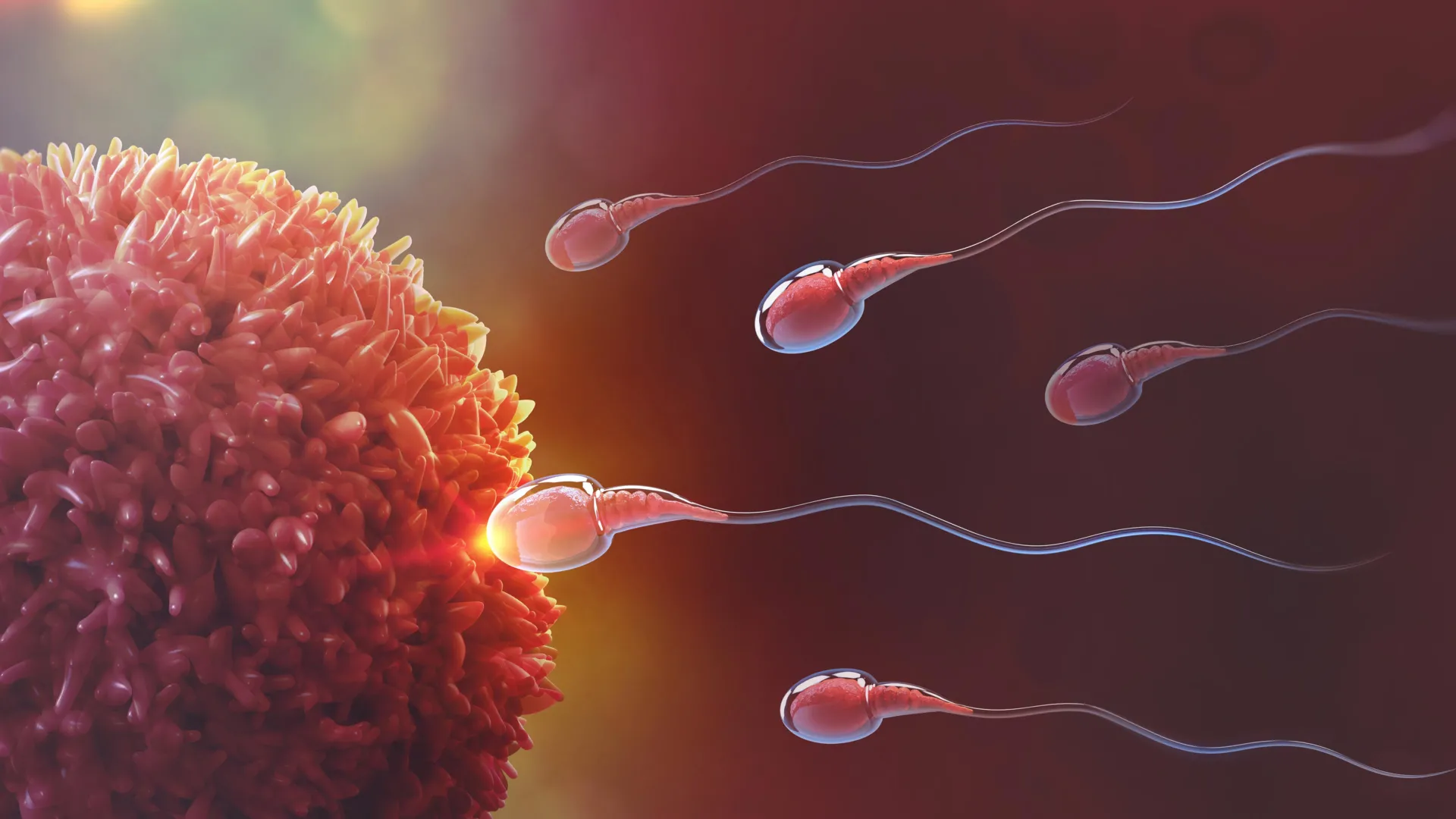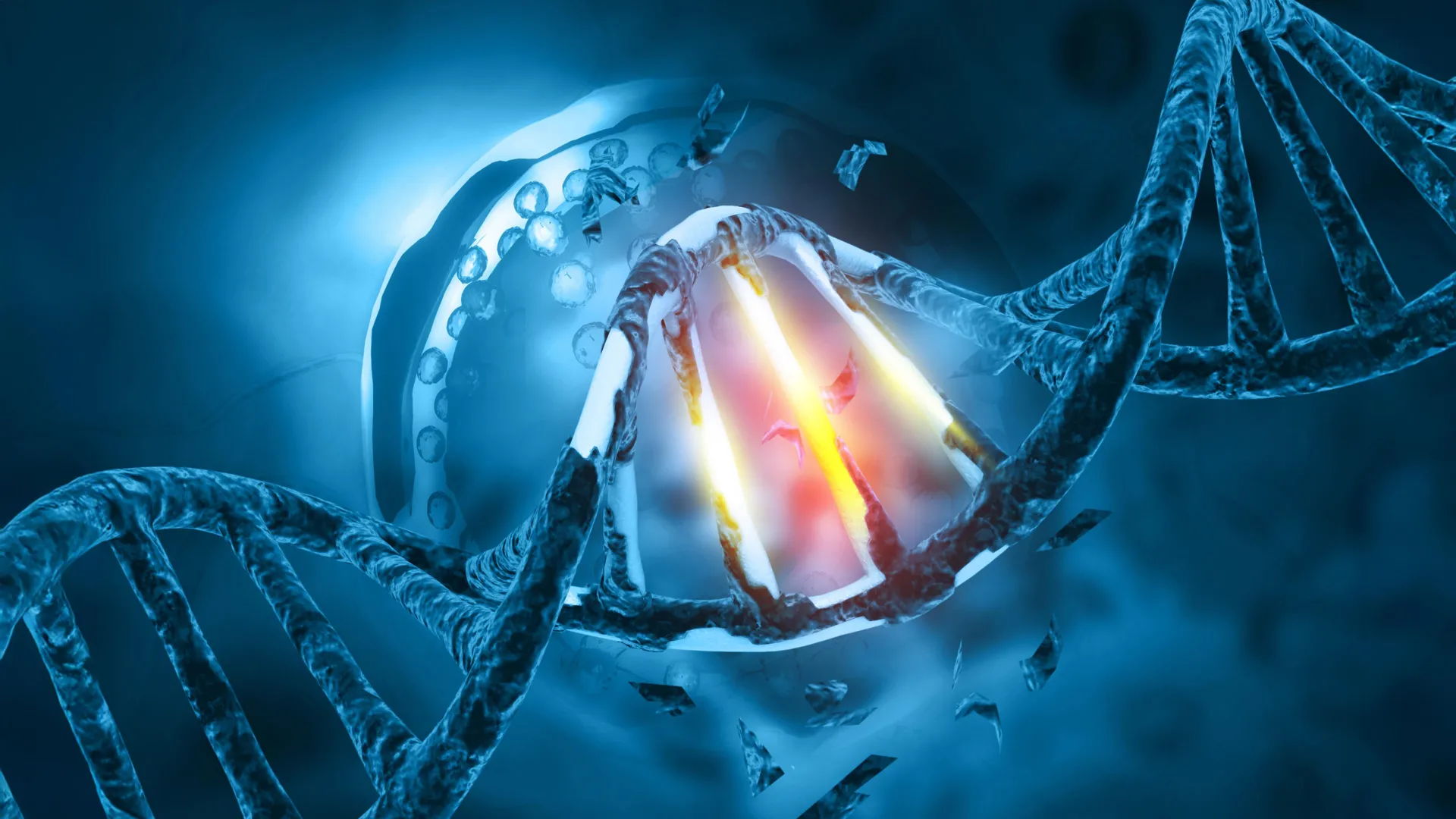
As men age, their biological clock ticks not only in terms of overall vitality but also at the microscopic level of cellular replication. For decades, medical science has understood that older fathers face a higher statistical probability of passing genetic mutations to their offspring, contributing to a spectrum of neurodevelopmental disorders and childhood cancers. However, the precise biological mechanics behind this phenomenon remained opaque, largely chalked up to the accumulation of random copying errors over time. Now, groundbreaking research published in the journal Nature completely refutes that passive model. Scientists have discovered that the rising tide of genetic mutations in aging sperm is not merely the result of passive degradation; rather, it is actively driven by a form of cellular natural selection operating directly within the human testes.
In two landmark studies published simultaneously, international teams of researchers revealed that certain disease-causing DNA mutations are actively favored during sperm production. These advantageous genetic changes allow mutant cells to outpace and outnumber their healthy neighbors in a process known as clonal expansion. Consequently, men who delay fatherhood are not just dealing with the baseline risks of aging cellular machinery, but are unknowingly hosting a microscopic evolutionary arena where harmful mutations are selected to thrive.
The Mechanistic Shift: From Passive Decay to Active Selection
For years, the prevailing consensus in reproductive genetics held that the germline—the lineage of sex cells that transmit genetic material from parents to offspring—was heavily guarded against mutations. While ordinary somatic cells throughout the body (such as those in skin, muscle, and bone) frequently undergo mutations that can lead to cancer, these changes are typically evolutionary dead ends because they cannot be passed on to children. Sperm and egg cells, conversely, were viewed as relatively static or strictly regulated systems where mutations accumulated slowly through random transcription errors during cell division.
The new research upends this paradigm. In tissues that constantly renew throughout an adult life, such as the lining of the gut, bone marrow, and the testes, stem cells divide continually to maintain tissue function. During these millions of divisions, spelling mistakes in the DNA sequence inevitably occur. While most mutations are neutral or harmful to the cell itself, occasionally a specific mutation confers a survival or growth advantage.
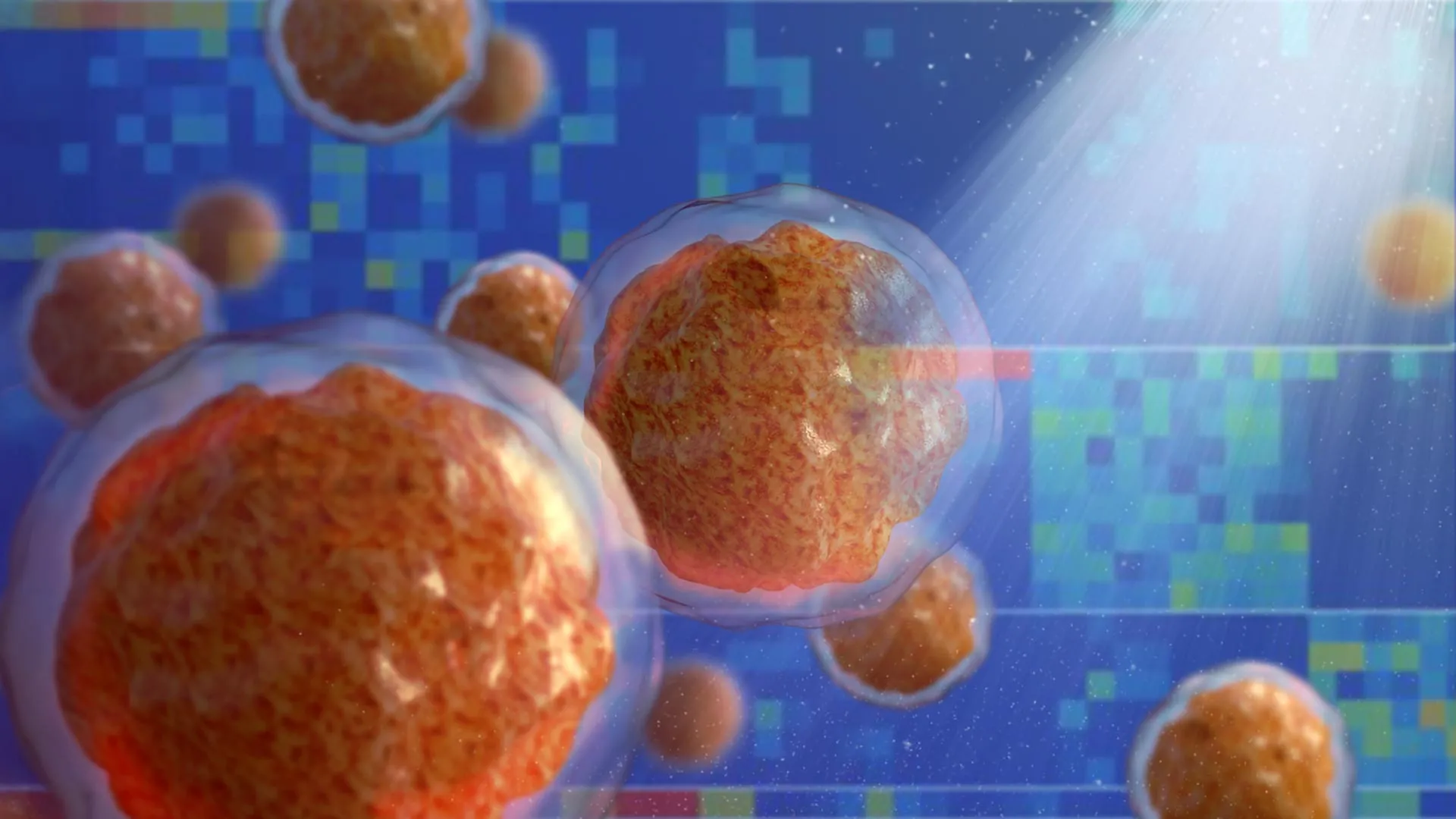
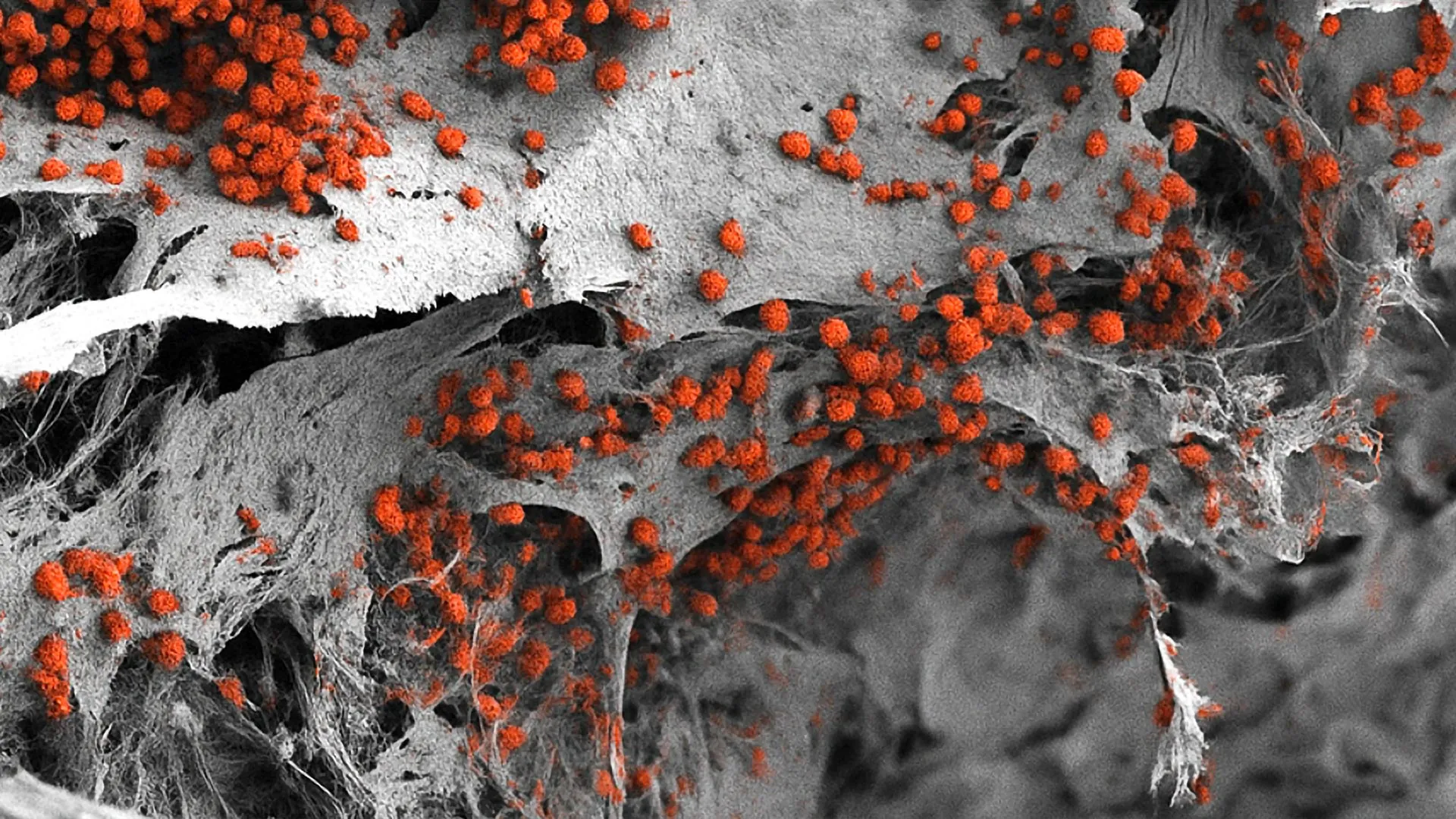
In the male germline, this advantage translates to clonal expansion: a single mutated stem cell begins to divide faster than the surrounding healthy tissue, creating expanding islands of identical cells. Over the decades, these mutant clones take over larger portions of the testicular landscape, drastically increasing the likelihood that a sperm carrying the specific disease-linked mutation will be the one to successfully fertilize an egg.
Inside the Laboratory: NanoSeq and Population-Scale Trios
To uncover these hidden dynamics, the scientific community required technological innovations capable of detecting rare mutations lurking within vast genomic landscapes. Traditional DNA sequencing technologies often struggle to spot rare mutations hidden among billions of normal base pairs because of background technological noise. To overcome this hurdle, researchers deployed NanoSeq, an ultra-accurate DNA sequencing technology designed to catch minute genetic variations with unprecedented precision.
Using NanoSeq, researchers from the Wellcome Sanger Institute and the TwinsUK study at King’s College London analyzed high-purity sperm samples from 81 healthy male participants ranging in age from 24 to 75 years old. The biological samples were sourced from the TwinsUK cohort, the United Kingdom’s largest adult twin registry, providing a meticulously documented, genetically diverse, and well-characterized population pool for baseline comparisons.
Simultaneously, a complementary research team hailing from Harvard Medical School and the Sanger Institute approached the problem from the opposite end of the reproductive equation. Instead of looking directly at sperm cells, this second team analyzed genomic data drawn from more than 54,000 parent-child trios and over 800,000 healthy individuals. By mapping mutations that had already been successfully transmitted to children, the Harvard-led team traced the statistical footprints of these events backward to estimate their frequency of origin in the paternal germline.
Quantifying the Risk: What the Data Shows
The empirical data yielded by both studies paint a striking quantitative picture of how paternal age reshapes the landscape of human inheritance.
According to the NanoSeq sperm analysis, roughly 2 percent of all sperm cells sampled from men in their early thirties carried detectable disease-causing mutations. As the donors aged into their forties and mid-seventies, that proportion surged dramatically. Among participants aged 43 to 74, the rate of harmful mutations found in sperm increased to between 3 and 5 percent. Specifically, in the cohort of 70-year-old participants, an average of 4.5 percent of their sperm contained verified disease-associated mutations.
The Harvard-led trio study corroborated these findings on a massive scale, demonstrating that specific mutations in certain genes can increase the local sperm mutation rate by an astonishing factor of 500. This hyper-mutational pressure helps resolve a longstanding clinical mystery: why certain rare genetic disorders appear in children whose parents show no trace of the mutation in their own blood or saliva DNA. Because the mutation is concentrated strictly within the testes via clonal expansion, standard genetic testing of the father often yields a false negative, masking the true origin of the condition.
Furthermore, the researchers pinpointed approximately 40 distinct genes that consistently benefit from this testicular natural selection process. While 13 of these genes were already flagged in prior genetic literature, the new research revealed that the phenomenon is far more widespread than previously understood, encompassing a broad suite of genes intimately involved in cellular growth, developmental pathways, and oncogenesis. Many of these heavily impacted genes are directly tied to severe neurodevelopmental conditions—such as autism spectrum disorders and intellectual disabilities—as well as inherited cancer syndromes.
Nuances of Reproduction and Embryonic Viability
An important caveat highlighted by the research teams is that possessing a higher volume of mutated sperm does not translate to a 1:1 ratio of affected live births. Biological filters exist at multiple stages of the reproductive process.
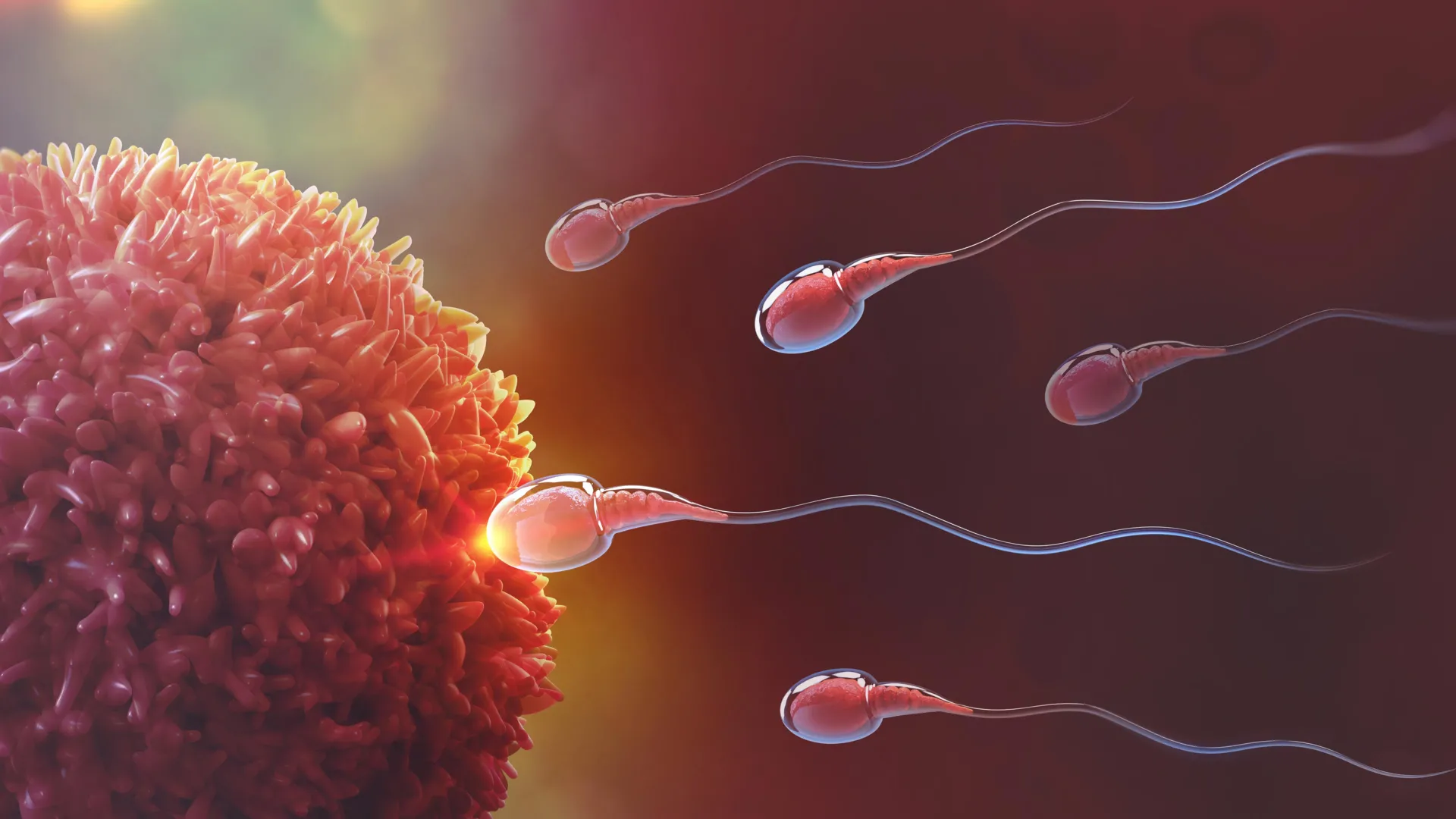
Many sperm carrying severe genetic mutations suffer from functional defects that impair their motility or ability to successfully navigate the female reproductive tract and fertilize an egg. Even if fertilization occurs, a significant portion of embryos carrying catastrophic genomic errors fail to implant, trigger spontaneous miscarriages early in pregnancy, or result in embryonic lethality before the pregnancy is recognized.
Nevertheless, a measurable percentage of these mutations bypass these natural checkpoints, resulting in live births where children inherit rare genetic conditions linked directly to the paternal age-related selection bias.
Voices from the Research Frontline
The publication of these twin studies has drawn widespread attention from the global genetics and reproductive medicine communities, prompting reflections on the complex interplay between human aging, evolutionary biology, and family planning.
Dr. Matthew Neville, the first author of the study from the Wellcome Sanger Institute, emphasized the unexpected scale of the biological forces at play. "We expected to find some evidence of selection shaping mutations in sperm," Dr. Neville noted. "What surprised us was just how much it drives up the number of sperm carrying mutations linked to serious diseases."
Professor Matt Hurles, Director of the Wellcome Sanger Institute and co-author of the research, pointed to the hidden nature of the risk. "Our findings reveal a hidden genetic risk that increases with paternal age," Professor Hurles explained. "Some changes in DNA not only survive but thrive within the testes, meaning that fathers who conceive later in life may unknowingly have a higher risk of passing on a harmful mutation to their children."
The value of robust, long-term population registries was underscored by Professor Kerrin Small, co-author and Scientific Director of the TwinsUK study at King’s College London. "We are incredibly grateful to the twins who took part in this study," Professor Small stated. "By working with the TwinsUK cohort, we could include valuable longitudinal samples linked to rich health and genetic information, allowing us to explore how mutations accumulate and evolve with age in healthy individuals. This collaboration highlights the power of large, population-based cohorts for advancing our understanding of human development and inheritance."
Dr. Raheleh Rahbari, senior author and Group Leader at the Wellcome Sanger Institute, challenged long-held assumptions regarding the invulnerability of the germline. "There’s a common assumption that because the germline has a low mutation rate, it is well protected," Dr. Rahbari observed. "But in reality, the male germline is a dynamic environment where natural selection can favour harmful mutations, sometimes with consequences for the next generation."
Broader Implications for Medicine and Society
As demographic trends across industrialized nations continue to show a steady rise in the average age of first-time fathers, the implications of these findings extend far beyond academic genetics. Modern socio-economic factors—including career pursuits, changing family structures, and delayed marriage—have normalized childbearing well into a man’s late thirties, forties, and beyond.
While older fatherhood brings psychological maturity, financial stability, and established resources to parenting, these biological insights suggest that it also introduces a quantifiable, albeit statistically modest, elevation in genetic risk that couples should be aware of.
In clinical settings, the realization that natural selection within the testes can amplify specific mutations may fundamentally reshape how genetic counseling is conducted. Traditional risk assessments have typically relied on linear models assuming a steady, random ticking of the molecular clock. Incorporating the dynamics of clonal expansion and positive selection will allow geneticists to develop more refined predictive models, potentially improving pre-implantation genetic diagnosis (PGD) and screening protocols for couples undergoing assisted reproduction later in life.
Furthermore, the discovery opens novel avenues for future preventative research. By understanding the precise microenvironmental factors within the testes that encourage mutant clones to outgrow healthy stem cells, scientists may one day explore pharmacological or lifestyle interventions designed to slow down or counteract this localized evolutionary pressure.
For now, the research serves as a profound reminder of the intricate biological compromises inherent in human aging. The testes, designed to perpetuate life across generations, are simultaneously subject to the cold, impartial mechanics of natural selection—an evolutionary engine that, in the context of a long human lifespan, can inadvertently turn against the future health of the offspring it was built to create.