Researchers at the University of Hong Kong (HKUMed) have successfully identified a critical biological mechanism that explains how physical activity translates into skeletal strength. Conducted by a multidisciplinary team within the Department of Medicine at the School of Clinical Medicine, the study centers on the identification of a specialized protein, Piezo1, which acts as the body’s internal mechanical sensor for movement. Published in the peer-reviewed journal Signal Transduction and Targeted Therapy, these findings offer a foundational breakthrough that could eventually lead to the development of pharmacological interventions—often referred to as "exercise mimetics"—designed to replicate the bone-strengthening benefits of physical activity for individuals who are incapable of exercising.
The implications of this discovery are profound, particularly within the context of global demographic shifts toward aging populations. Osteoporosis and age-related bone deterioration constitute a pervasive worldwide health crisis. According to data compiled by the World Health Organization (WHO), approximately one in three women and one in five men over the age of fifty will experience an osteoporotic fracture during their lifetime. The societal and economic ramifications of these fractures include chronic pain, long-term immobility, loss of personal independence, and immense financial strain on global healthcare systems. In urban centers with exceptionally high life expectancies, such as Hong Kong, the impact is even more pronounced; epidemiological statistics indicate that osteoporosis affects roughly 45 percent of women and 13 percent of men aged 65 and older.
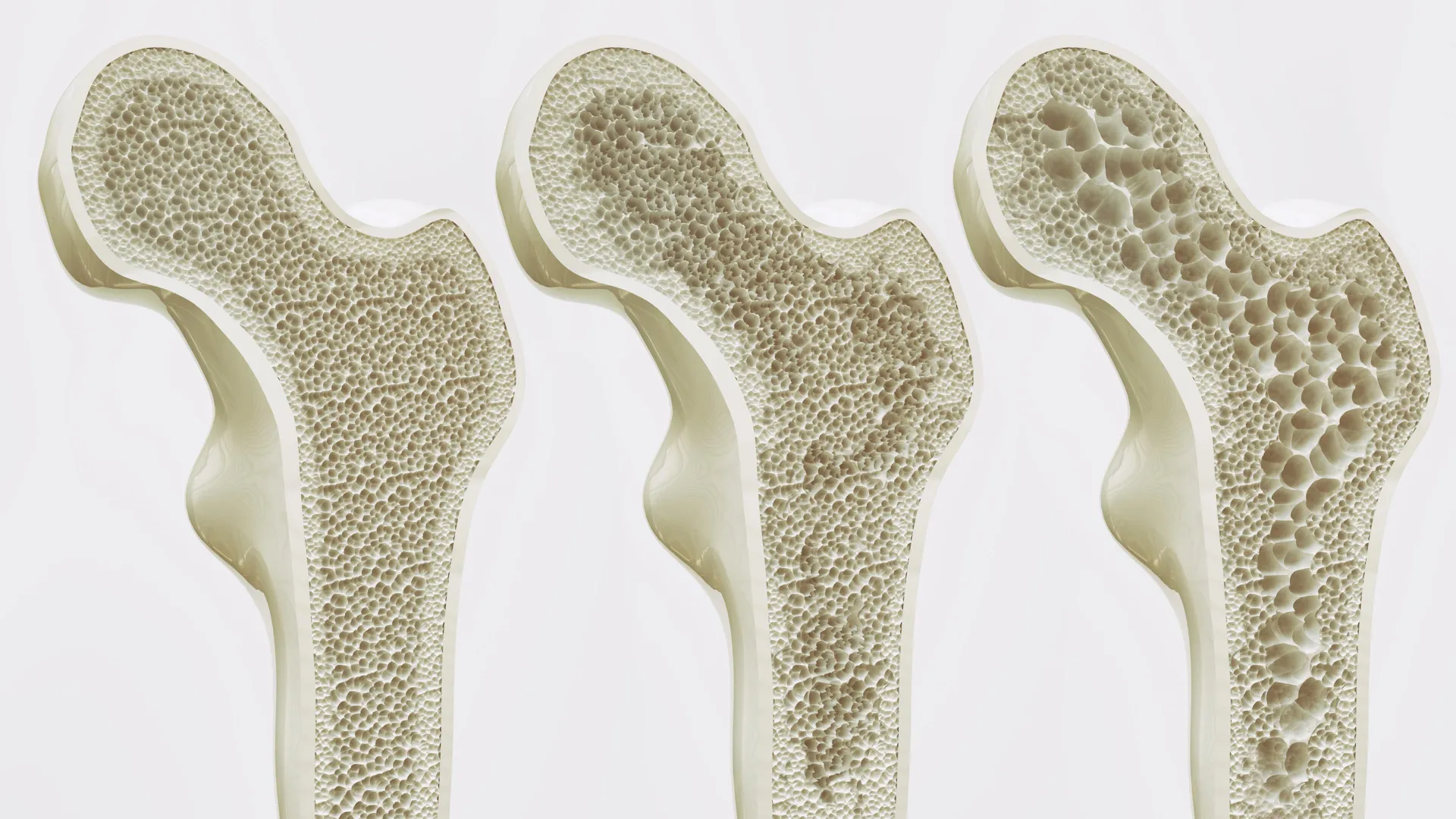
The biological degradation of bone mass is an insidious, progressive process linked closely to cellular aging. Within healthy bone marrow reside mesenchymal stem cells—multipotent progenitor cells capable of differentiating into various cell lineages, including osteoblasts (bone-forming cells) and adipocytes (fat cells). In a youthful, physically active body, mechanical forces generated by movement stimulate these stem cells to favor osteogenesis, thereby continuously reinforcing bone density and structural integrity. However, as individuals age, a physiological shift occurs. The natural mechanical loading of bones decreases due to reduced mobility, and the internal signaling environment changes. This shift causes an increasing proportion of mesenchymal stem cells to differentiate into fat cells rather than bone cells.
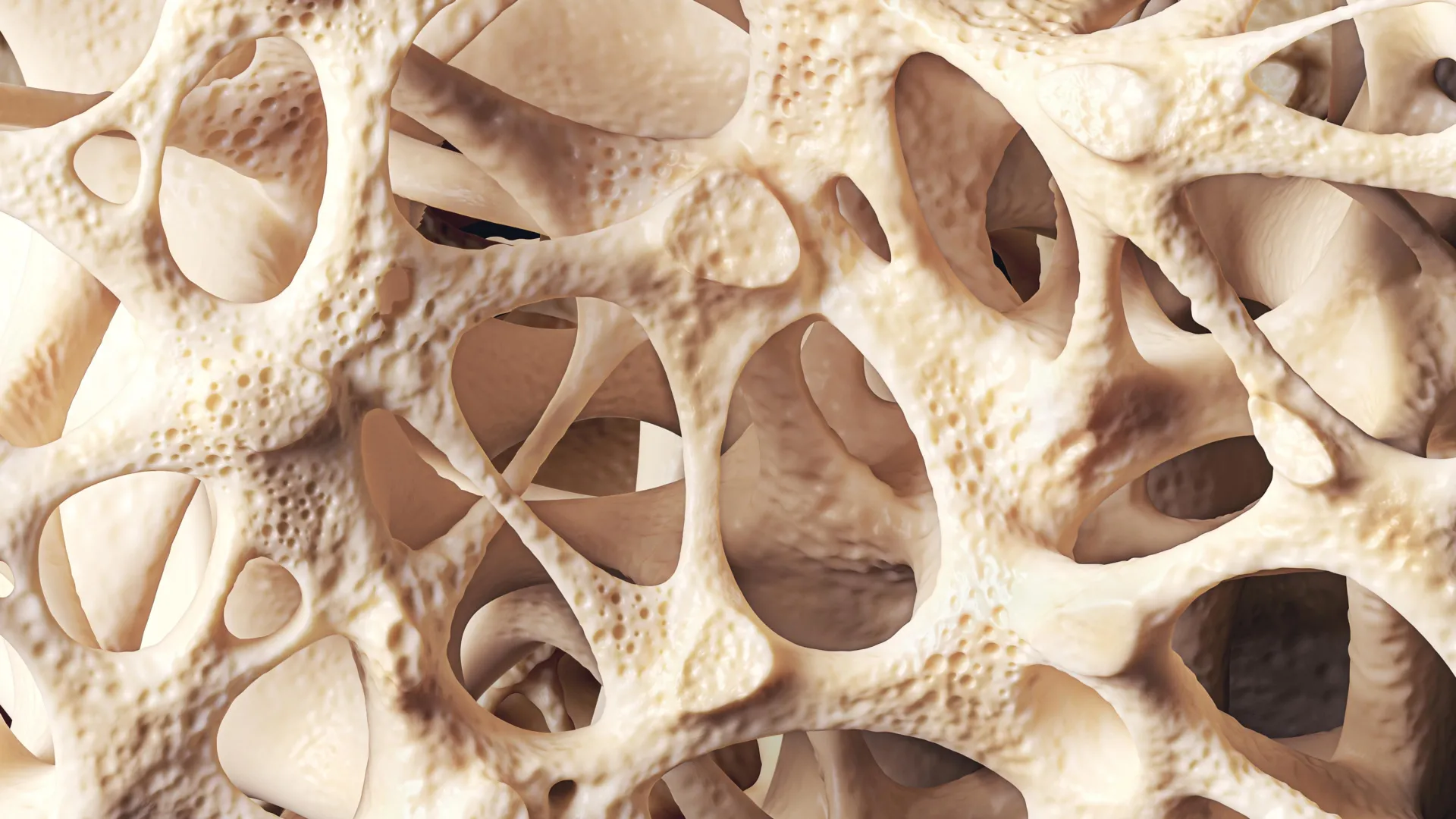
Consequently, adipose tissue accumulates within the bone marrow cavity. This internal accumulation of fat physically crowds out healthy bone tissue, increasing porosity and reducing mineral density. The resulting structural weakening creates a degenerative cycle that is notoriously difficult to interrupt using conventional therapeutic interventions. For elderly patients, bedridden individuals, and those living with severe chronic illnesses or mobility-limiting injuries, physical rehabilitation is often impossible or severely restricted. This leaves clinicians with limited options to halt or reverse the progression of bone loss, emphasizing an urgent medical need for therapies that can bypass the physical requirement for movement.
To address this challenge, the HKUMed research team, co-led by Professor Xu Aimin—Director of the State Key Laboratory of Pharmaceutical Biotechnology and Chair Professor in the Department of Medicine—alongside Research Assistant Professor Dr. Wang Baile and Professor Eric Honore from the French National Centre for Scientific Research (CNRS), embarked on a rigorous investigative journey. Utilizing advanced experimental models that incorporated both transgenic mouse models and human stem cell cultures, the investigators set out to isolate the specific cellular receptors responsible for mechanotransduction, the process by which cells convert mechanical stimuli into biochemical signals.
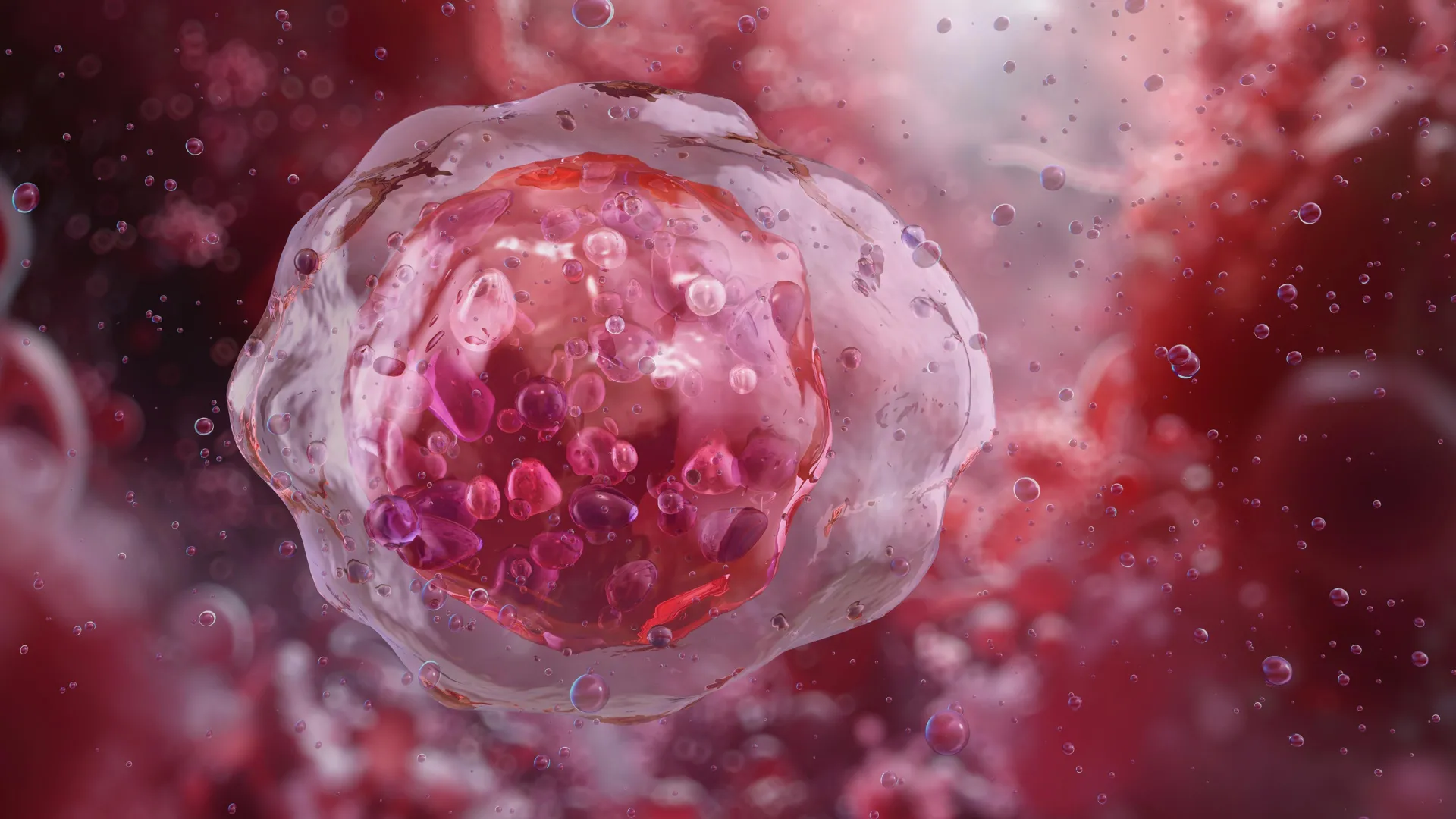
Their investigations revealed that Piezo1, a transmembrane protein located on the surface of bone marrow mesenchymal stem cells, functions as the primary mechanical sensor. When activated by physical forces—such as the mechanical loading experienced during walking, running, or resistance training—Piezo1 triggers a signaling cascade that suppresses adipogenesis (fat cell formation) and actively promotes osteogenesis (bone formation).
Conversely, the absence or dysfunction of the Piezo1 protein yields deleterious effects. In experimental models lacking functional Piezo1, mesenchymal stem cells preferentially differentiate into fat cells, accelerating bone mass reduction. Furthermore, the absence of Piezo1 prompts the secretion of specific inflammatory signaling molecules, specifically Ccl2 and lipocalin-2. These cytokines further exacerbate fat accumulation within the bone marrow microenvironment while actively suppressing the proliferation and differentiation of bone-forming cells. Crucially, the research team demonstrated that pharmacologically blocking these inflammatory pathways helped restore a healthier balance within the bone marrow, offering early validation for targeted therapeutic strategies.
The chronology of this research reflects years of collaborative international effort across academic institutions and funding bodies. The foundational concepts of mechanotransduction in skeletal tissues have been studied for decades, but the specific identification of Piezo1 as a primary regulator in bone marrow stem cell fate represents a recent paradigm shift. The project benefited from extensive international cooperation, uniting HKUMed’s expertise in molecular metabolism with European leadership in molecular and cellular pharmacology, represented by Professor Honore of the Institute of Molecular and Cellular Pharmacology at Université Côte d’Azur and Inserm.
Financial backing for this multi-year endeavor was secured through a diverse portfolio of competitive grants and public health research funds. Support was provided by the Areas of Excellence Scheme and the General Research Fund of the Research Grants Council in Hong Kong, the Health and Medical Research Fund under the Health Bureau of the Government of the Hong Kong Special Administrative Region, the National Key R&D Program of China, the National Natural Science Foundation of China, the Human Frontier Science Program, the French National Research Agency, Fondation de France, Fondation pour la Recherche Médicale, and the Macau Science and Technology Development Fund. This robust financial infrastructure enabled comprehensive preclinical testing, molecular mapping, and validation across multiple experimental models.
Speaking on the translational potential of the discovery, Professor Xu Aimin emphasized the core objective of the research. "We have essentially decoded how the body converts movement into stronger bones," Professor Xu stated. "We have identified the molecular exercise sensor, Piezo1, and the signaling pathways it controls. This gives us a clear target for intervention. By activating the Piezo1 pathway, we can mimic the benefits of exercise, effectively tricking the body into thinking it is exercising, even in the absence of movement."
The clinical implications of developing such therapeutics are vast. Dr. Wang Baile underscored the targeted impact these future drugs could have on vulnerable demographics. "This discovery is especially meaningful for older individuals and patients who cannot exercise due to frailty, injury, or chronic illness," Dr. Wang noted. "Our findings open the door to developing exercise mimetics—drugs that chemically activate the Piezo1 pathway to help maintain bone mass and support independence."
Echoing these sentiments, Professor Eric Honore pointed toward the broader medical paradigm shift represented by the study. "This offers a promising strategy beyond traditional physical therapy," Professor Honore observed. "In the future, we could potentially provide the biological benefits of exercise through targeted treatments, thereby slowing bone loss in vulnerable groups such as bedridden patients or those with limited mobility, and substantially reducing their risk of fractures."
From a clinical and public health perspective, the successful development of Piezo1-targeting medications could fundamentally transform the management of osteoporosis. Current pharmacological treatments for bone loss primarily consist of bisphosphonates, denosumab, and parathyroid hormone analogs, which work either by inhibiting bone resorption (the breakdown of bone tissue by osteoclasts) or by stimulating bone formation. While effective to varying degrees, these therapies often carry long-term side effects, require careful clinical monitoring, and do not address the root cellular imbalance caused by immobility and bone marrow fat accumulation.
An exercise mimetic acting upstream via the Piezo1 pathway would offer a fundamentally distinct mechanism of action. By mimicking the biochemical consequences of mechanical loading, such a drug could theoretically normalize the microenvironment of the bone marrow, rebalancing stem cell differentiation away from adipogenesis and toward osteogenesis. This approach would complement existing anti-resorptive therapies, providing a dual-action defense against the structural degradation characteristic of advanced age and prolonged bedrest.
As the research team transitions from basic science to translational and clinical development, several key milestones lie ahead. Future phases of the research will likely involve rigorous pharmacokinetic and pharmacodynamic optimization of candidate molecules designed to safely and selectively activate Piezo1 in human tissues without inducing off-target cardiovascular or neurological side effects—as mechanosensitive channels are expressed in various organ systems throughout the body. Preclinical safety evaluations, followed by phased clinical trials, will be necessary to establish efficacy, dosage parameters, and safety profiles in human populations.
While clinical availability of exercise mimetics remains a future prospect, the identification of Piezo1 as the definitive mechanical sensor in bone marrow stem cells marks a watershed moment in bone biology. By bridging the gap between physical mechanics and molecular signaling, HKUMed researchers have provided the scientific community with a precise pharmacological target. If successfully translated into human therapeutics, this discovery promises to redefine standard care for millions of elderly and immobile patients worldwide, offering a biochemical bridge to skeletal health and sustained physical independence.