Scientists at the University of Edinburgh have unveiled promising results from the MATCH clinical trial, demonstrating the potential of a novel macrophage cell therapy as a viable alternative to liver transplantation for individuals suffering from advanced liver disease. The innovative treatment, which utilizes a patient’s own immune cells to regenerate liver tissue, has shown a significant improvement in survival rates and a reduction in the need for transplants over a four-year follow-up period, offering a beacon of hope for a patient population with limited therapeutic options.
The Challenge of End-Stage Liver Disease
End-stage liver disease (ESLD) represents the final, irreversible stage of chronic liver conditions, including cirrhosis caused by hepatitis, alcohol abuse, and non-alcoholic fatty liver disease (NAFLD). In this critical phase, the liver is so severely damaged that it can no longer perform its essential functions, leading to a cascade of life-threatening complications such as hepatic encephalopathy, ascites, variceal bleeding, and liver cancer. For many patients, a liver transplant is the only curative treatment. However, the severe shortage of suitable donor organs presents a formidable barrier, resulting in many patients succumbing to their illness while on the transplant waiting list. This stark reality underscores the urgent need for innovative therapeutic strategies that can either prevent disease progression, facilitate liver regeneration, or serve as effective bridge therapies to transplantation.
The Science Behind Macrophage Therapy
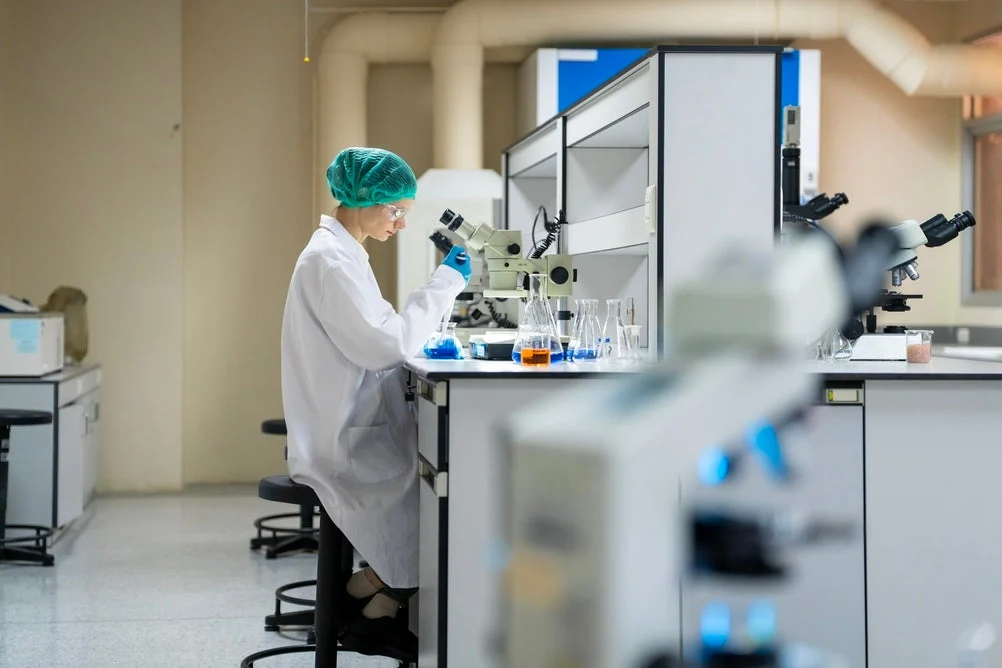
The pioneering therapy developed by the University of Edinburgh team harnesses the power of macrophages, a type of white blood cell that plays a crucial role in the immune system’s defense and tissue repair. In this novel approach, a patient’s peripheral blood mononuclear cells (PBMCs), which contain monocytes that can differentiate into macrophages, are collected. These monocytes are then cultured and differentiated into mature macrophages in a laboratory setting. These engineered macrophages are designed to possess enhanced capabilities for clearing fibrotic scar tissue that accumulates in damaged livers and to stimulate the growth of healthy, functional liver cells.
The mechanism of action involves the macrophages actively breaking down the excessive collagen and extracellular matrix components that form scar tissue, a hallmark of liver fibrosis and cirrhosis. Concurrently, they are believed to secrete growth factors and cytokines that promote hepatocyte proliferation and tissue remodeling, thereby restoring liver architecture and function. This regenerative approach offers a fundamentally different paradigm compared to current treatments, which primarily focus on managing symptoms or, in the case of transplantation, replacing the entire organ.
The MATCH Clinical Trial: Design and Findings
The efficacy and safety of this macrophage therapy were rigorously evaluated in the MATCH (Macrophage therapy for advanced liver disease) clinical trial. This study enrolled a total of 50 patients diagnosed with advanced liver disease. The participants were prospectively assigned to one of two groups: 26 patients received the novel macrophage therapy, while 24 patients were managed with standard care. Standard care for patients with advanced liver disease typically involves a combination of medical management to control complications, lifestyle modifications, and, if eligible, placement on the liver transplant waiting list.

The trial was designed to assess a range of clinical outcomes, with a primary focus on survival and the need for liver transplantation. After a substantial four-year follow-up period, the results presented a compelling narrative of the therapy’s potential.
Key Findings from the MATCH Trial:
- Survival Rates: A significant difference in survival was observed between the two groups. At the four-year mark, an impressive 70% of patients who received the macrophage therapy were alive and did not require a liver transplant. In stark contrast, only 40% of patients in the standard care group were alive and transplant-free. This represents a substantial increase in the likelihood of survival without the need for a major organ transplant.
- Transplantation and Mortality: The study meticulously tracked mortality and transplant events. In the macrophage therapy group, a total of eight deaths were recorded over the four-year period. The control group, receiving standard care, experienced nine deaths and five patients underwent liver transplantation. While the number of deaths in the therapy group was slightly lower, the combined outcome of survival without transplant was markedly better in the treated cohort.
- Safety Profile: A crucial aspect of any new therapy is its safety. The researchers reported that no serious adverse events were attributed to the macrophage treatment itself. This finding is particularly encouraging, given that patients with advanced liver disease often have multiple comorbidities, making them more vulnerable to treatment-related complications. The therapy’s favorable safety profile suggests it could be a well-tolerated option for this fragile patient population.
- Long-Term Efficacy: The four-year follow-up provided invaluable data on the sustained benefits and safety of the macrophage therapy. The consistent positive outcomes over this extended period lend strong support to the therapy’s potential for long-term disease management and improvement in quality of life.
Expert Commentary and Future Implications
The implications of these findings have been met with considerable optimism within the medical community. Professor Stuart Forbes, Director of the University of Edinburgh’s Institute for Regeneration and Repair, articulated the critical unmet need that this therapy aims to address.
"Although we can use liver transplantation as a rescue treatment for a proportion of people who have advanced liver disease, this is restricted by a lack of suitable donor organs," Professor Forbes stated. "Unfortunately, many patients may die whilst on the liver transplant waiting list. There is therefore a desperate need for alternative treatments for patients with advanced liver disease. We hope this type of approach could one day add to our treatment choices for patients with advanced liver disease, reducing the need for liver transplants."
His remarks highlight the dual benefit of the therapy: not only does it offer a chance for survival, but it also aims to alleviate the immense pressure on the limited supply of donor livers. By enabling patients to live longer and healthier lives without a transplant, the macrophage therapy could significantly alter the landscape of liver disease management.
The development of this therapy represents a significant achievement in regenerative medicine, stemming from a collaborative effort involving leading institutions. Scientists from the University of Edinburgh and the Scottish National Blood Transfusion Service were instrumental in its creation. Furthermore, the research team comprised expertise from the University of Dundee, Resolution Therapeutics, the Tayside Clinical Research Centre, and Glasgow Royal Infirmary, underscoring a broad and robust scientific collaboration.

Funding for this pivotal research was provided by the Medical Research Council and the Chief Scientist Office, demonstrating governmental and institutional commitment to advancing novel therapeutic solutions. The comprehensive results were published in the esteemed journal Cell Stem Cell, ensuring dissemination to the global scientific community and facilitating further research and development.
Broader Impact and the Road Ahead
The success of the MATCH trial has far-reaching implications for the field of cell and gene therapy and the treatment of chronic organ failure. It validates the potential of using autologous (patient’s own) cells to repair damaged organs, a strategy that minimizes the risk of immune rejection and avoids the complexities associated with allogeneic (donor) transplantation.
Potential Future Applications and Considerations:
- Expanding Treatment Options: If further trials confirm these findings and regulatory approvals are obtained, macrophage therapy could become a standard of care for select patients with advanced liver disease, offering an alternative or complementary strategy to transplantation.
- Economic and Societal Benefits: A successful non-transplant therapy could lead to substantial cost savings for healthcare systems by reducing the need for complex transplant surgeries, lifelong immunosuppression, and the management of transplant-related complications. It would also alleviate the emotional and financial burden on patients and their families.
- Further Research and Clinical Trials: While the four-year data is highly encouraging, larger, multi-center Phase III clinical trials will be essential to confirm these results, further refine the treatment protocol, and establish its long-term efficacy and safety profile across a broader patient population. Investigating the optimal timing for administering the therapy and identifying specific patient subgroups who are most likely to benefit will also be crucial.
- Technological Advancements: The manufacturing and scalability of cell therapies are critical for widespread adoption. Continued investment in optimizing the production of clinical-grade macrophages will be necessary to meet potential demand.
- Policy and Regulatory Pathways: Navigating the regulatory landscape for novel cell therapies is a complex process. Successful progression through clinical trials will be followed by rigorous review by regulatory bodies like the FDA and EMA.
The development of this macrophage therapy represents a significant leap forward in the quest to combat end-stage liver disease. The positive outcomes from the MATCH trial not only offer a tangible hope for patients facing dire prognoses but also pave the way for a new era of regenerative medicine, where the body’s own cells are harnessed to repair and restore vital organs, potentially transforming the lives of millions worldwide. The journey from laboratory discovery to clinical application is often long and arduous, but the promising results from Edinburgh suggest that this innovative approach is well on its way to becoming a vital tool in the fight against liver disease.