Swedish Orphan Biovitrum (Sobi) has received a complete response letter (CRL) from the U.S. Food and Drug Administration (FDA) concerning its Biologics License Application (BLA) for nanoencapsulated sirolimus plus pegadricase (NASP), an investigational therapy developed for adults suffering from uncontrolled gout. While the FDA did not identify any concerns regarding the clinical efficacy or safety of NASP that would preclude its potential approval, the letter indicates that the agency requires further information and action primarily related to the manufacturing control strategy of the biological component of NASP and deficiencies identified at contract manufacturing facilities.
Key Developments and FDA Feedback
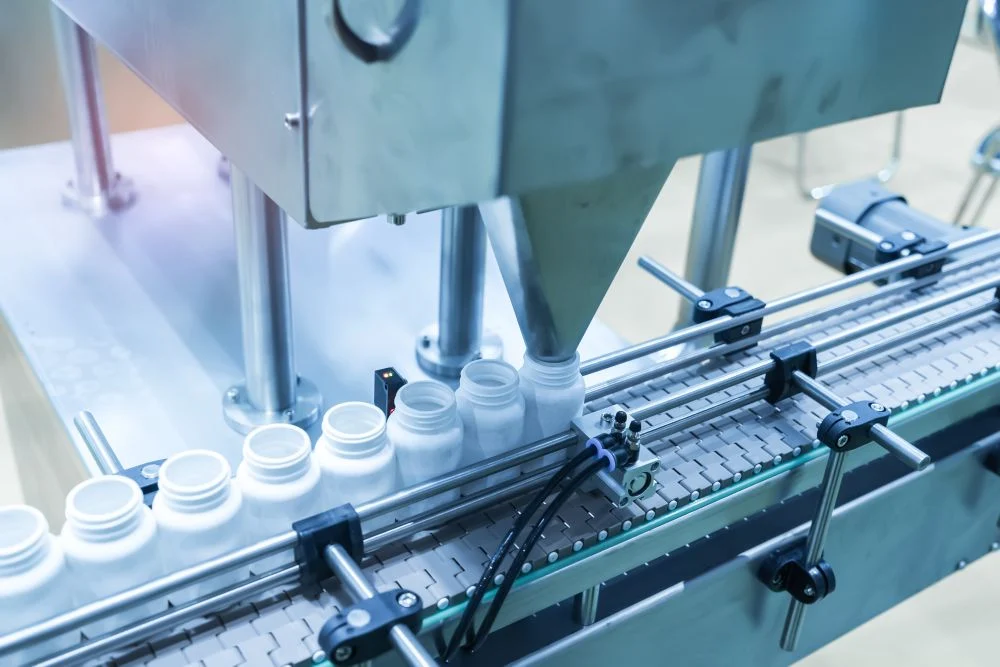
The CRL signifies that the FDA cannot approve the BLA in its current form. Sobi has clarified that the FDA’s feedback centers on the manufacturing processes and facilities involved in producing NASP, rather than the drug’s therapeutic profile. Specifically, the agency has requested additional details and remediation concerning the manufacturing control strategy for the biological aspect of NASP, which involves complex biotechnological processes. Furthermore, deficiencies were noted at contract manufacturing organizations (CMOs) responsible for producing components or the final drug product.
Despite these manufacturing-related setbacks, Sobi’s leadership has expressed confidence in the underlying clinical data. The company intends to initiate discussions with the FDA to gain a comprehensive understanding of the feedback and to map out the necessary steps for resubmission. This proactive approach underscores Sobi’s commitment to advancing NASP through the regulatory process.
Sobi’s Commitment and Clinical Rationale
Lydia Abad-Franch, Sobi’s Chief Medical Officer, emphasized the company’s unwavering belief in NASP’s therapeutic potential. "We continue to believe strongly in NASP’s potential to address the significant unmet need faced by people living with uncontrolled gout," Abad-Franch stated. "The clinical data generated to date have demonstrated meaningful reductions in serum uric acid levels in patients with uncontrolled gout."
She further elaborated on the clarity of the FDA’s feedback, characterizing it as "a clear and actionable path forward." Sobi’s commitment to patients remains a driving force, and the company aims to work collaboratively with the FDA to achieve a successful resubmission. The investigational therapy is designed to offer a new therapeutic option for a patient population that often struggles to manage their condition effectively with existing treatments.
Understanding NASP: Mechanism and Target Population
NASP is a novel, sequential, two-component infusion therapy administered on a monthly basis. Its unique formulation combines two distinct agents:
- Tolerogenic Nanoencapsulated Sirolimus: This component is designed to mitigate the body’s immune response, specifically by reducing the formation of anti-drug antibodies. Anti-drug antibodies can compromise the efficacy of biologic therapies and potentially lead to adverse reactions. By encapsulating sirolimus in nanoparticles, Sobi aims to create a more immunologically favorable profile for the drug.
- Pegadricase: This is a pegylated uricase enzyme. Uricase is a naturally occurring enzyme that breaks down uric acid, a purine metabolite that can accumulate in the body and lead to the formation of urate crystals. These crystals deposit in joints and tissues, causing the painful inflammation characteristic of gout flares. Pegadricase, by efficiently lowering serum uric acid levels, aims to prevent these crystal formations and reduce the frequency and severity of gout attacks.
The investigational therapy is specifically targeted at adults with uncontrolled gout. This patient segment is characterized by persistent high uric acid levels and recurrent, debilitating gout flares despite their adherence to existing oral therapies. Gout is a form of inflammatory arthritis that, in its uncontrolled state, can significantly impair quality of life. In the United States, approximately 200,000 individuals are estimated to fall into this category, highlighting a substantial unmet medical need that NASP aims to address.
Broader Market Context and Sobi’s Strategic Moves
The development of NASP is part of Sobi’s broader strategy to expand its presence in the rheumatology and immunology space, particularly in the treatment of gout. The company has made significant strategic moves to bolster its portfolio in this area. In December 2025, Sobi announced an agreement to acquire Arthrosi Therapeutics, a U.S.-based biotechnology company with a focus on gout treatments. This acquisition is poised to enhance Sobi’s pipeline and market position in the gout therapeutic area, complementing its existing efforts with NASP.

The gout market is a significant one, driven by increasing prevalence of metabolic syndrome, obesity, and aging populations, all of which are risk factors for hyperuricemia and gout. While current treatments exist, including xanthine oxidase inhibitors (like allopurinol and febuxostat) and uricosuric agents, a considerable portion of patients remain inadequately controlled. This necessitates the development of novel therapies that can offer more potent and sustained uric acid lowering, alongside mechanisms to manage immunogenicity.
Timeline and Future Outlook
The journey of NASP to market has been characterized by ongoing research and development, culminating in the submission of the BLA. The receipt of a CRL is a common occurrence in drug development, particularly for complex biologics. The timeline for addressing the FDA’s concerns will depend on the complexity of the manufacturing issues and the speed at which Sobi and its CMO partners can implement the necessary corrective actions.
Key Chronology of Events (Inferred and Based on Announcement):
- Development and Clinical Trials: Sobi has conducted extensive clinical trials to assess the safety and efficacy of NASP in patients with uncontrolled gout. These trials have generated the data supporting the BLA submission.
- BLA Submission: Sobi submitted the Biologics License Application for NASP to the FDA, marking a significant milestone in the regulatory review process.
- FDA Review: The FDA undertook a comprehensive review of the BLA, evaluating preclinical data, clinical trial results, and manufacturing information.
- Receipt of Complete Response Letter: The FDA issued a CRL to Sobi, outlining the deficiencies that need to be addressed before the BLA can be approved.
- Planned Actions: Sobi intends to request a meeting with the FDA, work with CMOs to rectify manufacturing issues, and prepare for a resubmission of the BLA.
Potential Implications of the FDA’s Feedback
The FDA’s feedback, while delaying the approval timeline, does not appear to be a fundamental indictment of NASP’s therapeutic promise. The absence of concerns regarding clinical efficacy and safety is a positive indicator for the drug’s eventual approval, provided the manufacturing issues can be resolved to the FDA’s satisfaction.
The emphasis on manufacturing control strategies for biological components is a critical aspect of drug regulation. Biological drugs, due to their complex production processes involving living cells or organisms, are inherently more challenging to manufacture consistently compared to small-molecule drugs. The FDA’s rigorous scrutiny in this area is designed to ensure product quality, safety, and efficacy throughout the product’s lifecycle.
For Sobi, the immediate implication is a revised timeline for market entry and potentially increased development costs associated with addressing the manufacturing deficiencies. The company’s close collaboration with its CMO partners will be paramount in expediting the remediation process. Successful resolution of these manufacturing issues would pave the way for NASP to become a valuable treatment option for a significant patient population.
Expert and Stakeholder Perspectives (Inferred)
While no direct statements from independent experts or patient advocacy groups were provided in the original content, it can be inferred that the gout patient community, which suffers from chronic pain and limited treatment options, will be keenly awaiting further developments. The unmet need for effective treatments for uncontrolled gout remains high, and any potential new therapy that demonstrates significant efficacy and a favorable safety profile would be met with considerable interest.
Medical professionals specializing in rheumatology will also be closely monitoring the progress of NASP. The drug’s mechanism of action, targeting both immunogenicity and uric acid reduction, presents an innovative approach to gout management. The success of NASP could influence treatment paradigms for patients who are refractory to current therapies.
Conclusion
Sobi’s receipt of a complete response letter from the FDA for NASP signifies a temporary hurdle in the regulatory approval process, primarily related to manufacturing and contract manufacturing facility deficiencies. Crucially, the FDA has not raised concerns about the drug’s clinical efficacy or safety, which bodes well for its future prospects. Sobi’s swift engagement with the FDA and its commitment to addressing the outlined issues, coupled with its strategic expansion in the gout market through the acquisition of Arthrosi Therapeutics, indicates a determined effort to bring this potentially important therapy to patients who desperately need it. The coming months will be critical as Sobi works to resolve these manufacturing challenges and pursue the resubmission of its Biologics License Application.