In a landmark study published on March 12 in the journal Nature Synthesis, a team of researchers at the University of Cambridge has unveiled a transformative chemical technique that utilizes visible light to modify complex drug molecules. This breakthrough, described as an "anti-Friedel-Crafts" reaction, represents a significant departure from traditional synthetic methods that rely on toxic reagents, heavy metal catalysts, and harsh environmental conditions. By employing simple LED lamps at ambient temperatures, the researchers have unlocked a more efficient, sustainable, and precise pathway for drug discovery, potentially shaving months off the development timelines for new medicines.
The discovery, led by Professor Erwin Reisner and PhD researcher David Vahey of the Yusuf Hamied Department of Chemistry, addresses one of the most persistent challenges in organic chemistry: the selective formation of carbon-carbon bonds in highly complex structures. This new method allows scientists to perform "late-stage functionalization," a process where a nearly finished drug molecule is tweaked or optimized without the need to dismantle and rebuild it from scratch.
The Evolution of Synthetic Chemistry: From Traditional to Light-Driven
To understand the significance of the Cambridge discovery, one must look at the history of the Friedel-Crafts reaction. Developed in 1877, the traditional Friedel-Crafts reaction is a cornerstone of organic synthesis, used to attach substituents to aromatic rings. However, it typically requires "Lewis acid" catalysts—often corrosive substances like aluminum chloride—and produces significant chemical waste. Furthermore, these reactions are often difficult to control, frequently occurring early in a multi-step synthesis because the harsh conditions required would destroy the delicate functional groups found in a nearly completed drug molecule.
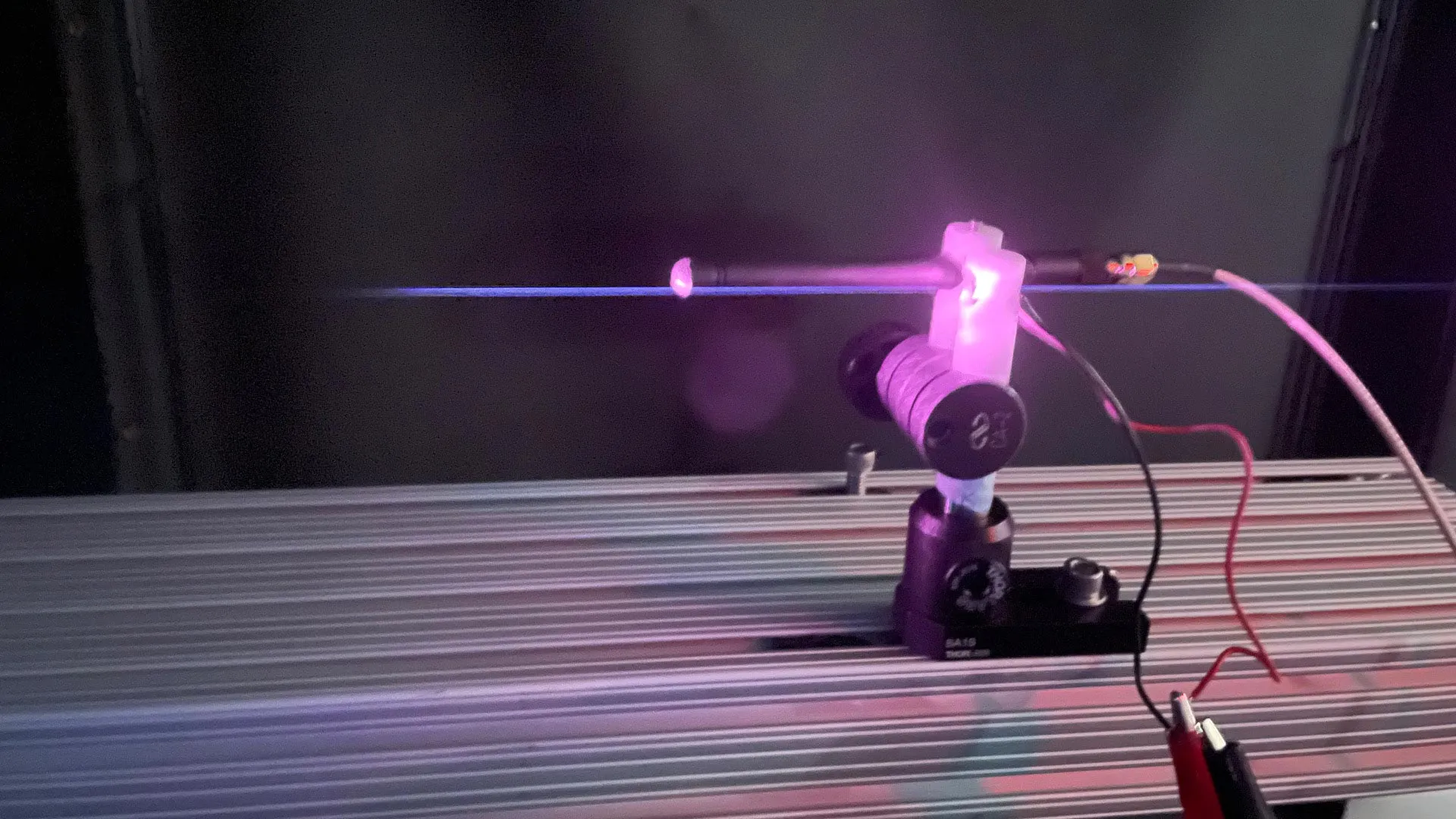
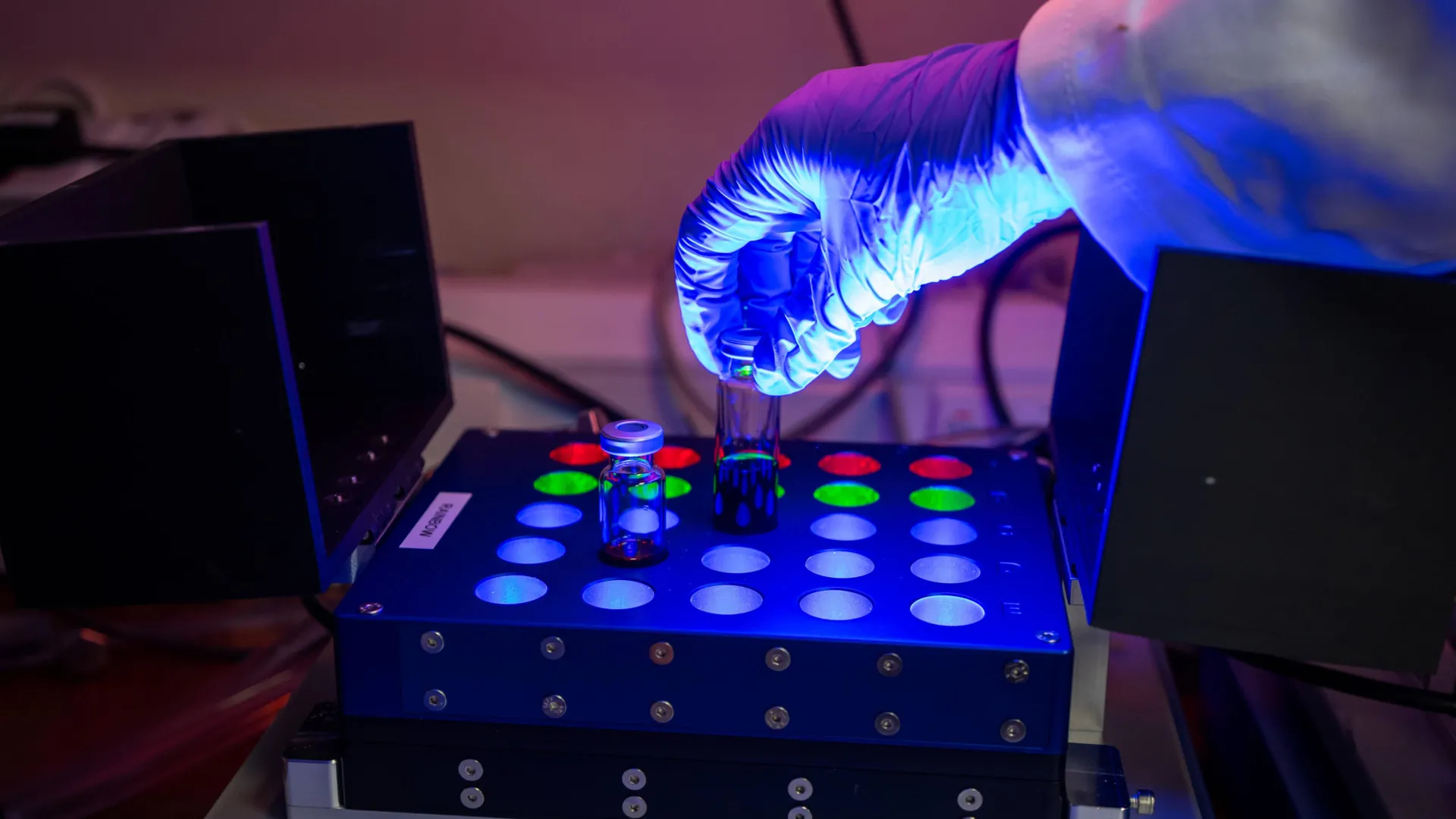
The Cambridge team’s "anti-Friedel-Crafts" reaction flips this paradigm. By using light as the primary energy source, the reaction proceeds under exceptionally mild conditions. Instead of forcing a change through thermal energy or aggressive reagents, the LED light triggers a self-sustaining chain process. This allows for the precise modification of molecules that were previously considered too fragile for such interventions.
According to the study, this method demonstrates "high functional-group tolerance." In practical terms, this means a chemist can target one specific carbon atom in a massive, complex molecule while leaving dozens of other sensitive areas untouched. This level of surgical precision is vital in pharmacology, where moving a single atom can mean the difference between an effective life-saving treatment and a compound that causes toxic side effects.
A Serendipitous Breakthrough Born from Laboratory Failure
The trajectory of this discovery followed a path familiar to many of history’s greatest scientific milestones: it began with a failed experiment. David Vahey, the study’s first author, was originally investigating a specific photocatalyst to drive chemical changes. During a routine control experiment, Vahey removed the catalyst to confirm its necessity—an industry-standard "blank" test. To his surprise, the reaction not only proceeded without the catalyst but in some instances performed better.
"Failure after failure, then we found something we weren’t expecting in the mess—a real diamond in the rough," Vahey remarked. Rather than discarding the result as an anomaly or a contaminated sample, the team pivoted to investigate why the reaction was occurring spontaneously under light. This investigation revealed a previously unknown radical chain mechanism that did not require the expensive or toxic additives usually associated with such transformations.
Professor Erwin Reisner, whose lab focuses on sustainable chemistry and photosynthesis-inspired systems, noted that recognizing the value of the unexpected is a hallmark of scientific progress. "David could have dismissed it as a failed control," Reisner said. "Instead, he stopped and thought about what he was seeing. That moment, choosing to investigate rather than ignore it, is where discovery happens."
Technical Specifications and the Role of Artificial Intelligence
The research was not limited to traditional bench chemistry. To validate the versatility of the reaction, the Cambridge team collaborated with researchers at Trinity College Dublin to integrate machine learning and artificial intelligence into the process.
Modern drug discovery generates vast amounts of data, often more than human researchers can analyze in real-time. The team developed an algorithm capable of predicting reactivity—essentially telling scientists where the light-driven reaction would likely occur on a new, untested molecule. By training the AI on known chemical patterns, the researchers created a predictive model that reduces the "trial and error" phase of synthesis.
"We generate enormous amounts of data, and increasingly we use artificial intelligence to help analyze it," the researchers noted. While the AI provides a roadmap, the team emphasized that human intuition remains the deciding factor. The algorithm follows established rules, but it cannot yet replicate the human ability to spot a "fruitful mistake" like the one that led to this discovery.
Industrial Collaboration and Scalability with AstraZeneca
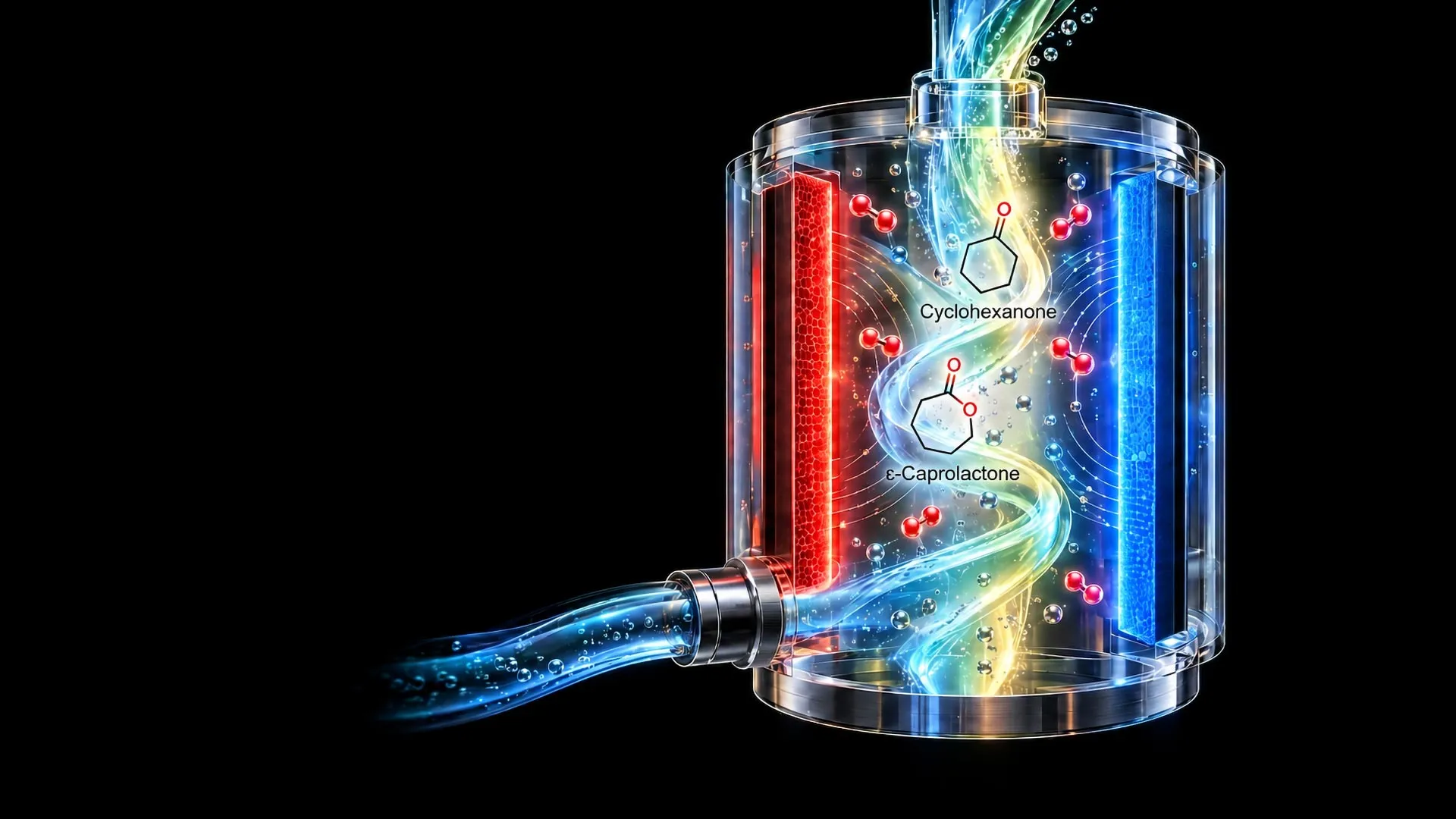
A critical component of the study involved testing the reaction’s viability in a commercial setting. Through a collaboration with pharmaceutical giant AstraZeneca, the researchers demonstrated that the technique could be adapted for "continuous flow systems."
In traditional "batch" chemistry, ingredients are mixed in a vat. In continuous flow chemistry, the substances move through a series of tubes where they are exposed to light or heat in a steady stream. This is the preferred method for large-scale industrial manufacturing because it allows for better control, higher safety standards, and more consistent output. By proving that the light-driven reaction works in flow, the Cambridge team has cleared a major hurdle for the technique’s adoption by the global pharmaceutical industry.
The environmental implications are equally significant. The pharmaceutical industry is currently under pressure to reduce its carbon footprint and the volume of toxic waste it produces. Traditional synthesis often requires massive amounts of solvents and energy-intensive heating. The Cambridge method, by operating at room temperature and avoiding heavy metals, aligns with the principles of "Green Chemistry."
Broader Impact: Speeding Up the Hit-to-Lead Process
The journey from discovering a "hit" (a molecule that shows biological activity) to a "lead" (a refined version suitable for clinical trials) is notoriously slow and expensive. Currently, if a medicinal chemist wants to test how a small change—such as adding a methyl group—affects a drug’s performance, they might have to go back ten steps in the synthesis process and rebuild the entire molecule. This can take weeks or months for a single variation.
With the light-driven anti-Friedel-Crafts reaction, that change can be made at the very end of the process. This "late-stage optimization" allows researchers to create hundreds of different versions of a potential drug in the time it used to take to create one. This acceleration could lead to faster response times for emerging health crises and lower development costs for rare disease treatments.
"This reaction lets scientists make precise adjustments much later in the process," the authors explained. "That opens chemical space that has been hard to access before and gives medicinal chemists a cleaner, more efficient tool for exploring new versions of a drug."
A History of Accidental Innovation
The Cambridge discovery adds a new chapter to the long history of serendipity in science. The researchers highlighted how accidental findings have historically reshaped human life, providing a context for their own "failed control" success.
- X-rays (1895): Wilhelm Conrad Röntgen’s observation of a glowing screen led to a diagnostic tool that revolutionized surgery.
- Radioactivity (1898): Marie Curie’s investigation of unexpected radiation levels in uranium minerals birthed nuclear physics.
- Vulcanized Rubber (1839): Charles Goodyear’s accidental spill of sulfur and rubber onto a stove created the durable material used in tires today.
- Penicillin (1928): Alexander Fleming’s contaminated petri dish introduced the era of antibiotics.
- Teflon (1938): Roy Plunkett’s failed refrigerant experiment resulted in the world’s slipperiest solid.
- Super Glue (1942): Harry Coover’s attempt to build clear plastic gun sights resulted in an unintended, ultra-strong adhesive.
- LSD (1943): Albert Hofmann’s accidental absorption of a compound led to breakthroughs in understanding brain chemistry.
- Pulsars (1967): Jocelyn Bell Burnell’s "interference" in radio data turned out to be the first evidence of neutron stars.
- Viagra (1990s): A failed heart medication trial revealed a side effect that created a multi-billion dollar market.
- Weight Loss Injections (2021): Diabetes treatments mimicking the GLP-1 hormone were found to cause significant weight loss, shifting the paradigm of obesity management.
Conclusion and Future Outlook
The University of Cambridge’s new technique is more than just a chemical novelty; it is a fundamental shift in how we approach the building blocks of modern medicine. By harnessing the power of the visible light spectrum, the team has provided a blueprint for a more sustainable and responsive chemical industry.
"Transitioning the chemical industry to a sustainable industry is arguably one of the most difficult parts of the whole energy transition," Professor Reisner stated. This research proves that green chemistry does not have to come at the cost of efficacy. In fact, by moving toward milder, light-driven reactions, scientists may actually find more "diamonds in the rough" that traditional, harsher methods would have destroyed.
As the pharmaceutical industry begins to integrate these findings, the focus will shift toward expanding the library of molecules that can be modified using this method. For Vahey, Reisner, and their colleagues, the work continues, fueled by the knowledge that the next great medical breakthrough might be hidden within the next "failed" experiment.