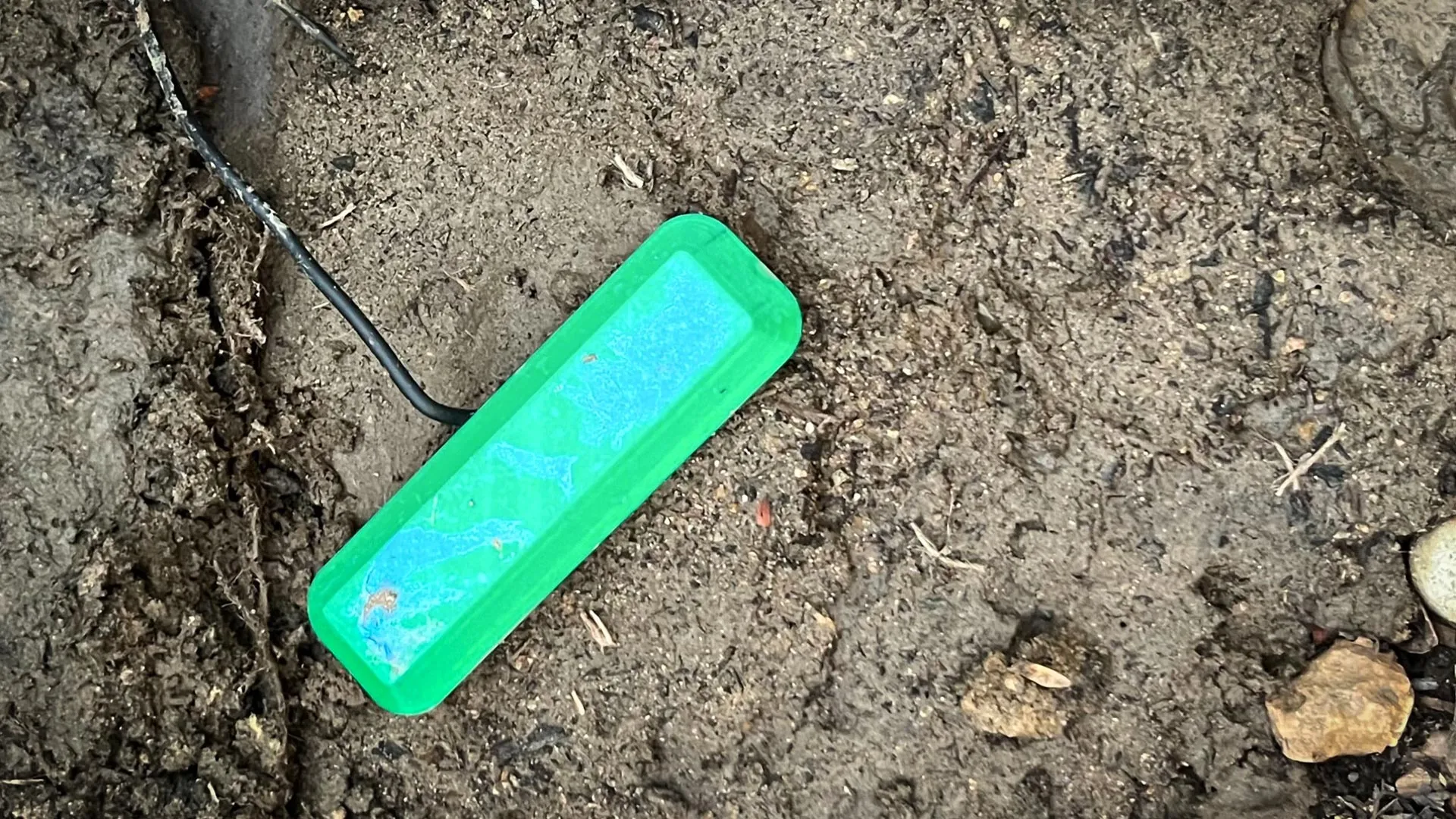
A multidisciplinary team of engineers led by Northwestern University has achieved a significant breakthrough in renewable energy by developing a new microbial fuel cell (MFC) capable of generating electricity from the metabolic activity of bacteria naturally residing in soil. This innovative device, roughly the dimensions of a standard paperback book, offers a sustainable solution for powering the burgeoning network of underground sensors used in precision agriculture and environmental monitoring. By harvesting energy released as microorganisms decompose organic matter within the earth, the system bypasses the environmental and logistical drawbacks associated with traditional lithium-ion batteries and solar power.
The research comes at a critical juncture as the global community grapples with the environmental footprint of the Internet of Things (IoT). As the world moves toward a future integrated with trillions of interconnected devices, the reliance on conventional batteries—which contain toxic chemicals, are prone to combustion, and contribute to a mounting global e-waste crisis—has become increasingly untenable. The Northwestern team’s soil-powered fuel cell addresses these challenges by providing a low-maintenance, long-lasting, and environmentally benign alternative that can operate indefinitely as long as organic carbon is present in the soil.
The Evolution of Microbial Fuel Cell Technology
While the concept of a microbial fuel cell is not new—the first instances were documented as early as 1911—the technology has historically been plagued by inconsistency and low power output. Early designs struggled to maintain the delicate balance of moisture and oxygen required for the microbes to thrive and effectively transfer electrons. If a cell became too dry, the microbial activity would cease; if it became too saturated, oxygen levels would drop, preventing the chemical reactions necessary for power generation.
The Northwestern researchers spent two years refining the geometry and material composition of their device to overcome these hurdles. The team tested four distinct iterations, collecting nine months of performance data to identify the most resilient design. Their final prototype utilizes a unique perpendicular arrangement of components: a horizontal anode buried deep in the soil to capture electrons from anaerobic microbes, and a vertical cathode that extends to the surface.
This "T-shaped" design allows the device to function across a spectrum of environmental extremes. The vertical cathode ensures a consistent supply of oxygen from the air, while the deep-set anode remains hydrated by the moisture retained in the lower soil layers. To further enhance durability, the team implemented a waterproof coating on the cathode and an internal air chamber, allowing the system to continue generating power even during heavy rainfall or total submersion in floodwaters.
Technical Specifications and Performance Metrics
The performance of the Northwestern MFC was validated through rigorous outdoor testing, where it demonstrated a remarkable 120% increase in sustained power compared to previous state-of-the-art soil-based energy harvesters. On average, the device generated approximately 68 times the amount of energy required to operate its onboard sensors and communication systems.
The system is equipped with sensors designed to measure soil moisture and detect physical movement. In a series of demonstrations, the researchers showed that the fuel cell could power a touch-sensing mechanism capable of tracking wildlife or livestock movement across a field. Data transmission is handled via a specialized low-power antenna that utilizes "backscatter" technology. Rather than generating its own radio signal, which is energy-intensive, the antenna reflects existing ambient radio frequency signals to transmit data wirelessly. This method ensures that the device remains within its modest energy budget while providing real-time environmental insights.
The researchers have published their findings in the Proceedings of the Association for Computing Machinery on Interactive, Mobile, Wearable and Ubiquitous Technologies. In a move toward democratizing the technology, the team also released their designs, tutorials, and simulation tools as open-source resources, encouraging global collaboration and further refinement of the technology by the scientific community.
Addressing the Limitations of Solar and Battery Power
In the context of precision agriculture, the limitations of current power sources are a significant barrier to efficiency. Modern farming relies on dense networks of sensors to monitor nutrient levels, contaminants, and hydration, allowing for targeted interventions that maximize crop yields and minimize waste. However, maintaining these networks is a logistical nightmare.
"Solar panels do not work well in dirty environments because they get covered with dirt, do not work when the sun isn’t out, and take up a lot of space," noted Bill Yen, a Northwestern alumnus who led the project. "Batteries also are challenging because they run out of power. Farmers are not going to go around a 100-acre farm to regularly swap out batteries or dust off solar panels."
The soil-powered MFC eliminates these maintenance requirements. By turning the soil itself into the power source, the device creates a "set-it-and-forget-it" infrastructure. This is particularly vital for monitoring remote wetlands or expansive agricultural tracts where human intervention is difficult and costly. Furthermore, the absence of toxic heavy metals like lithium or cobalt makes the devices safer for long-term burial in food-producing soil.
Global Supply Chain Resilience and Ethical Engineering
The development of the soil-powered fuel cell also addresses broader socioeconomic concerns regarding the electronics industry. The global supply chain for traditional batteries is notoriously fragile and often reliant on minerals sourced from conflict zones. The COVID-19 pandemic highlighted the vulnerability of these systems, as shortages of specialized components halted production across multiple sectors.
Josiah Hester, a former Northwestern faculty member now at the Georgia Institute of Technology and a co-author of the study, emphasized the importance of using locally sourced and abundant materials. "We want to build devices that use local supply chains and low-cost materials so that computing is accessible for all communities," Hester said. The Northwestern prototype is constructed from common hardware materials, such as carbon felt and standard conductive metals, which are widely available and inexpensive.
Looking forward, the team is exploring the development of fully biodegradable versions of the fuel cell. Such a device would not only harvest energy from the earth but would eventually decompose back into it, leaving no electronic waste or trace behind. This vision aligns with the growing movement toward "green electronics" and a circular economy, where the lifecycle of a product is designed with environmental preservation as a core priority.
Broader Implications for the Internet of Things
As the "Internet of Things" expands into the "Internet of Everything," the demand for decentralized, low-power energy sources will only intensify. While microbial fuel cells are not intended to power high-drain devices like smartphones or electric vehicles, they are perfectly suited for the "minute amounts of energy" required for practical, low-power applications.
George Wells, a senior author of the study and an associate professor of civil and environmental engineering at Northwestern, pointed out the ubiquity of the energy source. "These microbes are ubiquitous; they already live in soil everywhere," Wells said. "We can use very simple engineered systems to capture their electricity. We’re not going to power entire cities with this energy. But we can capture minute amounts of energy to fuel practical, low-power applications."
The success of this project suggests a shift in how engineers approach environmental sensing. Instead of imposing external power sources onto an ecosystem, the next generation of technology may function as a symbiotic extension of the environment itself. By leveraging the natural biological processes of the earth, researchers are paving the way for a more resilient and sustainable digital future.
The research was supported by a diverse coalition of institutions, including the National Science Foundation, the USDA National Institute of Food and Agriculture, the Alfred P. Sloan Foundation, VMware Research, and 3M. This broad support underscores the interdisciplinary importance of the work, touching on fields as varied as computer science, agricultural engineering, and microbiology. As the technology moves toward commercial viability, it holds the potential to transform how we monitor the health of our planet and manage the resources necessary to feed a growing global population.