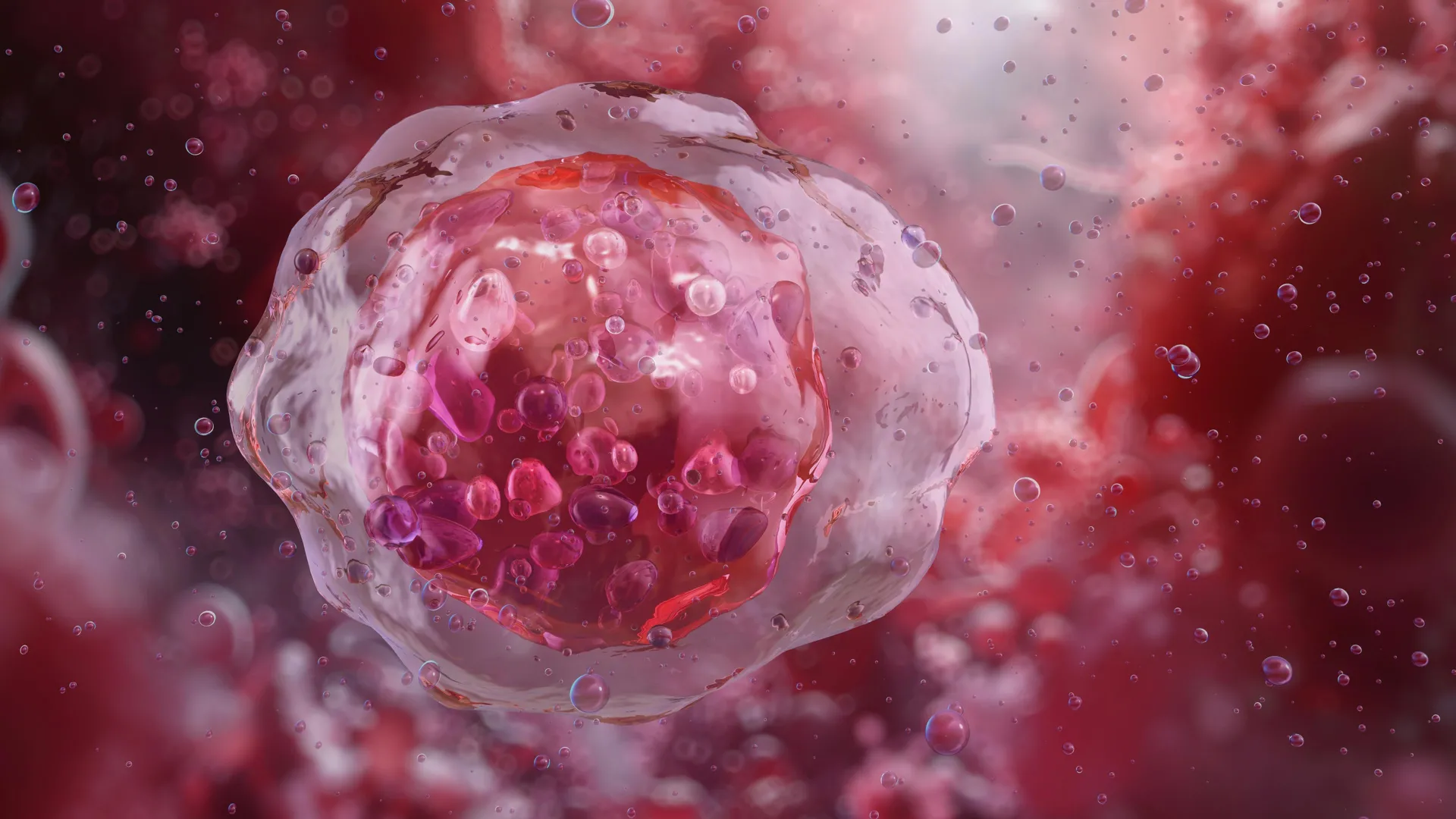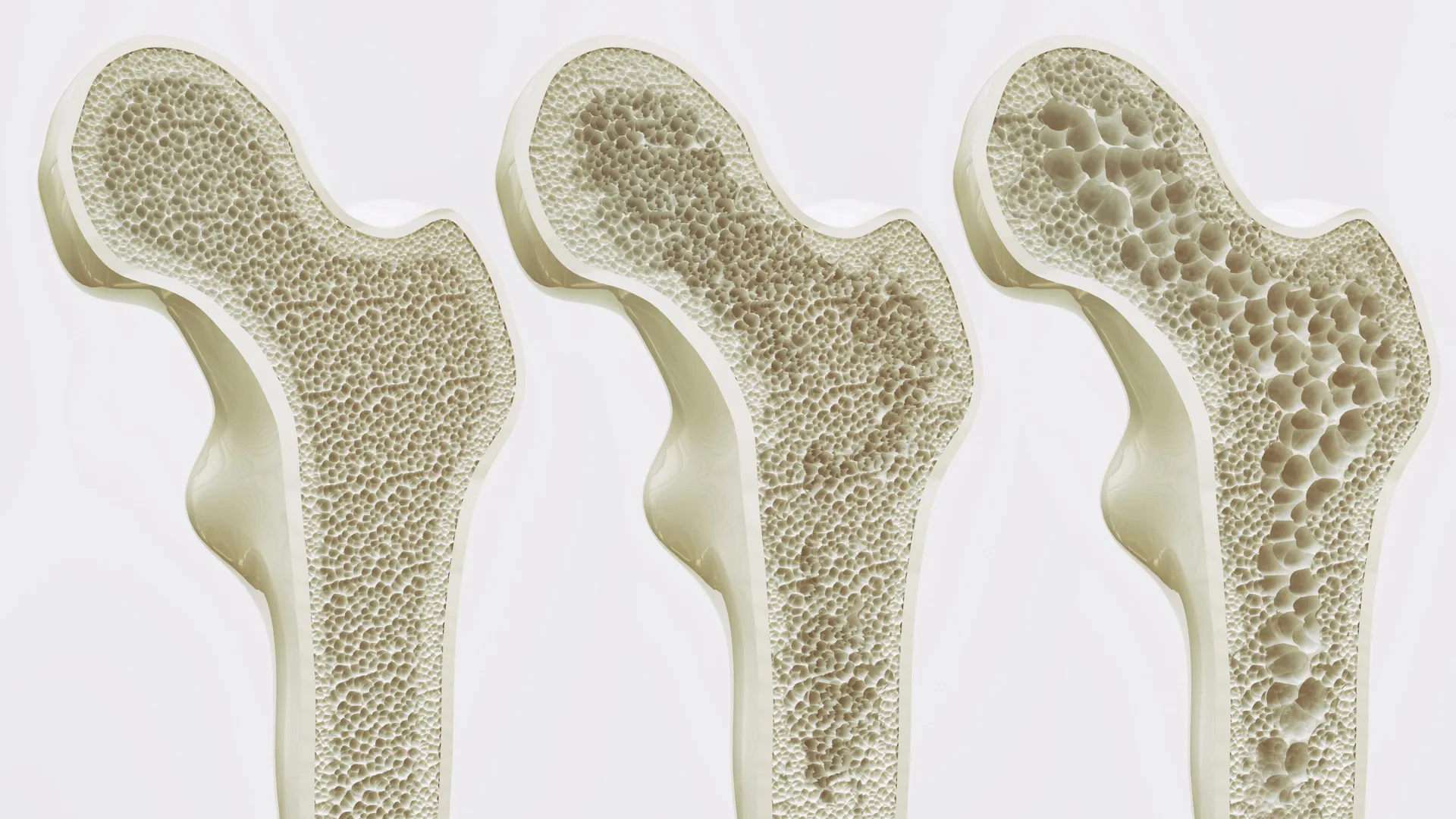
Every single second, the human bone marrow functions as a biological factory of astonishing scale, generating millions of fresh blood and immune cells to maintain systemic health. This relentless, lifelong renewal is governed by a delicate and finely tuned ecological balance. At the heart of this ecosystem reside hematopoietic stem cells (HSCs), which rely entirely on a supportive matrix of stromal cells and a complex network of local and systemic immune signals to regulate their self-renewal and differentiation. However, as human bodies age, this once-harmonious microenvironment begins to fray.
Over decades of life, cumulative cellular wear and tear, chronic low-grade systemic inflammation, and random somatic mutations gradually disrupt the critical communication pathways among these vital bone marrow cell groups. This breakdown compromises normal stem-cell regeneration while simultaneously creating an unintended evolutionary advantage for mutated HSC clones, allowing them to expand unchecked and unnoticed by the body’s routine surveillance mechanisms. This insidious biological transition gives rise to clonal hematopoiesis of indeterminate potential, a clinical state commonly known as CHIP.
Epidemiological data underscore how common this pre-malignant condition is within aging populations. CHIP is clinically detectable in approximately 10% to 20% of adults over the age of 60, and its prevalence surges to nearly 30% among individuals over 80. While individuals diagnosed with CHIP typically remain entirely asymptomatic during the early phases, the condition carries profound long-term health risks. Patients with CHIP face a roughly tenfold increase in the incidence of hematologic malignancies and a doubling of their likelihood of developing cardiovascular disease and premature mortality.
Furthermore, CHIP can progress into more severe disorders, such as myelodysplastic syndrome (MDS). MDS is a related clonal bone marrow failure disorder characterized by severely inefficient blood-cell production, progressive cytopenias, and eventual marrow exhaustion. Affecting up to 20 in every 100,000 adults over the age of 70, MDS represents an even more perilous clinical milestone because approximately 30% of all cases eventually advance to acute myeloid leukemia (AML), an aggressive, notoriously treatment-resistant, and frequently fatal form of blood cancer. Despite the immense clinical gravity of these conditions, the precise contributions of the bone marrow microenvironment—often referred to as the bone marrow niche—to the initiation and progression of these diseases have historically remained poorly understood, leaving a critical gap in modern hematological therapeutics.
Mapping Hidden Structural Changes Within the Bone Marrow Ecosystem
To unravel the complex biological mechanisms that allow mutated hematopoietic clones to gain dominance within the body, an ambitious international research consortium embarked on an exhaustive molecular and spatial investigation of human bone marrow architecture. This multidisciplinary project was co-led by Dr. Judith Zaugg, a senior group leader at the European Molecular Biology Laboratory (EMBL) and professor at the University of Basel, alongside Dr. Borhane Guezguez, a principal investigator in the Department of Hematology, Oncology, and Pneumology at the University Medical Center (UMC) Mainz. The human biological samples essential for this rigorous undertaking were sourced through the well-characterized BoHemE cohort study, executed in close clinical collaboration with Professor Uwe Platzbecker at the National Center for Tumor Diseases (NCT) in Dresden, Germany.
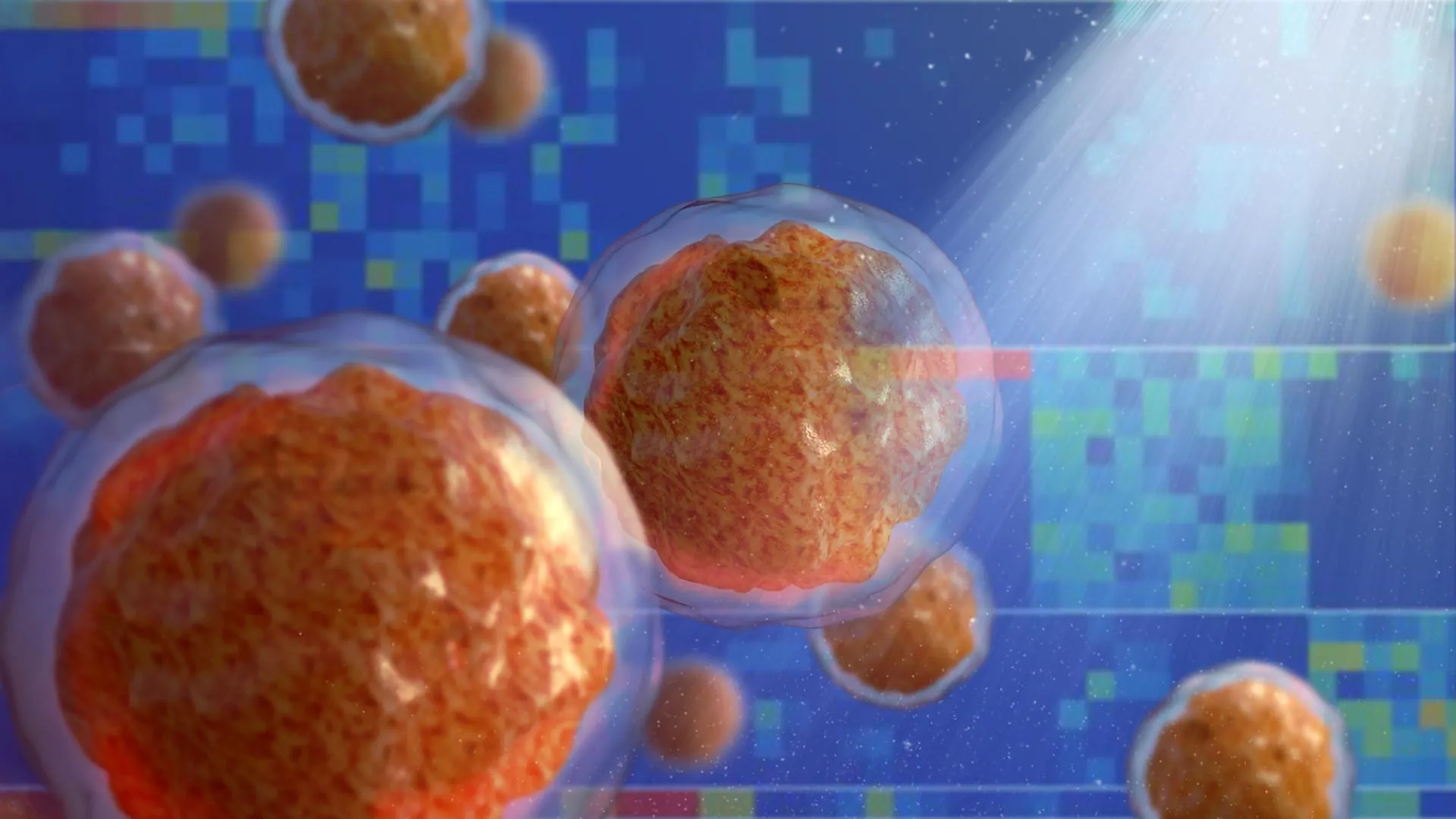
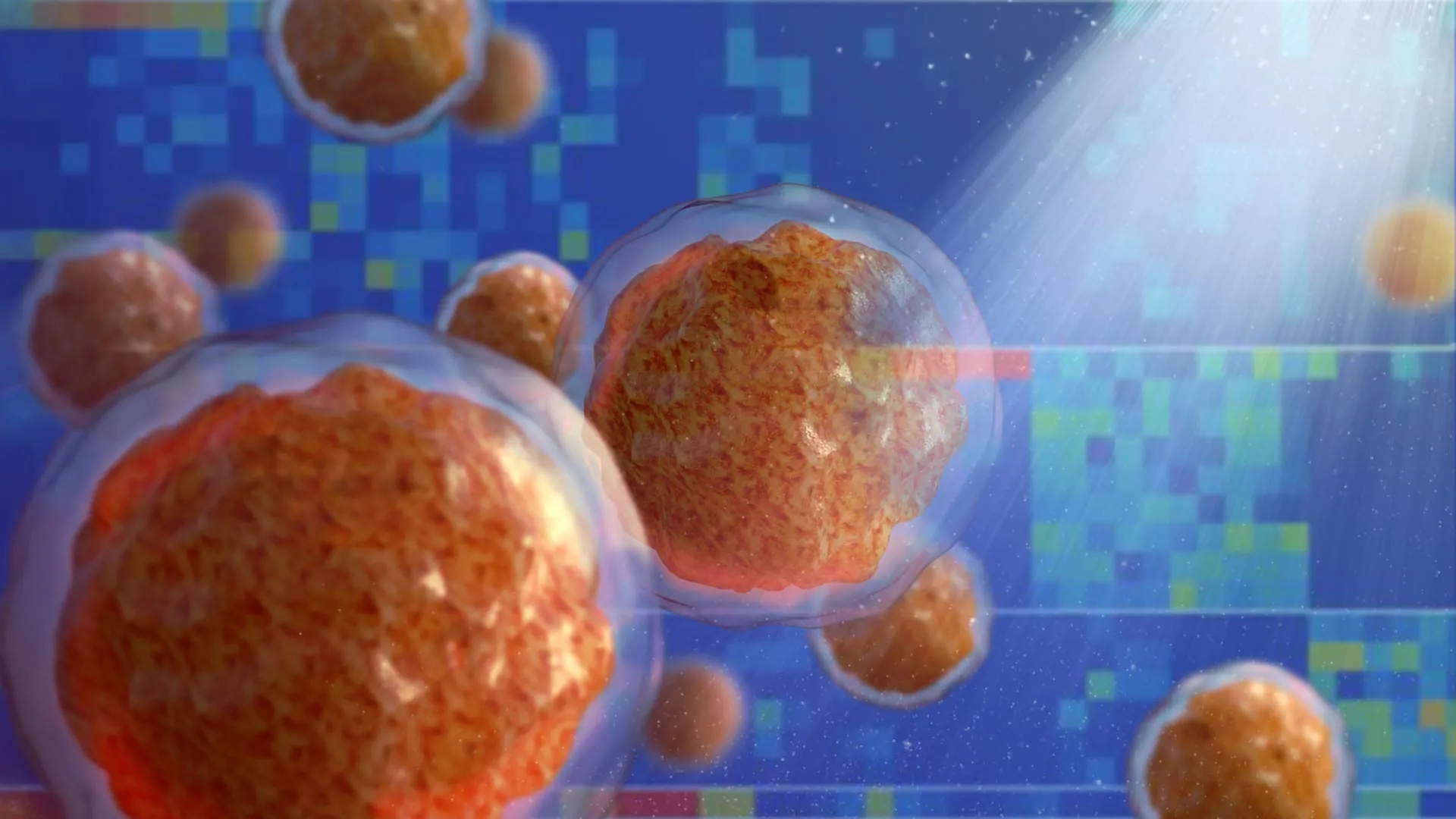
To construct an unprecedentedly high-resolution view of the pathological landscape, the research team deployed a cutting-edge suite of multi-omic technologies. By combining single-cell RNA sequencing, sophisticated biopsy imaging, advanced proteomics, and complex ex vivo co-culture models, the investigators mapped the cellular terrain of the bone marrow microenvironment across healthy donors, individuals harboring CHIP mutations, and patients suffering from established MDS.
This comprehensive analysis unveiled a startling and unexpected cellular shift that takes place deep within the bone marrow long before any overt clinical symptoms manifest. The research team discovered that a distinct population of inflammatory stromal cells progressively replaces the normal, health-supporting mesenchymal stromal cells (MSCs) that traditionally foster regular stem-cell maintenance and blood production.
Elucidating the Inflammatory Feed-Forward Loop
Reflecting on the unexpected nature of the discovery, Dr. Zaugg noted the magnitude of the tissue remodeling observed in patients who had not yet progressed to full-blown malignancy. "I was surprised to observe such pronounced remodeling of the bone marrow microenvironment already in individuals with CHIP, although the underlying cause-and-effect relationships remain unclear," she stated.
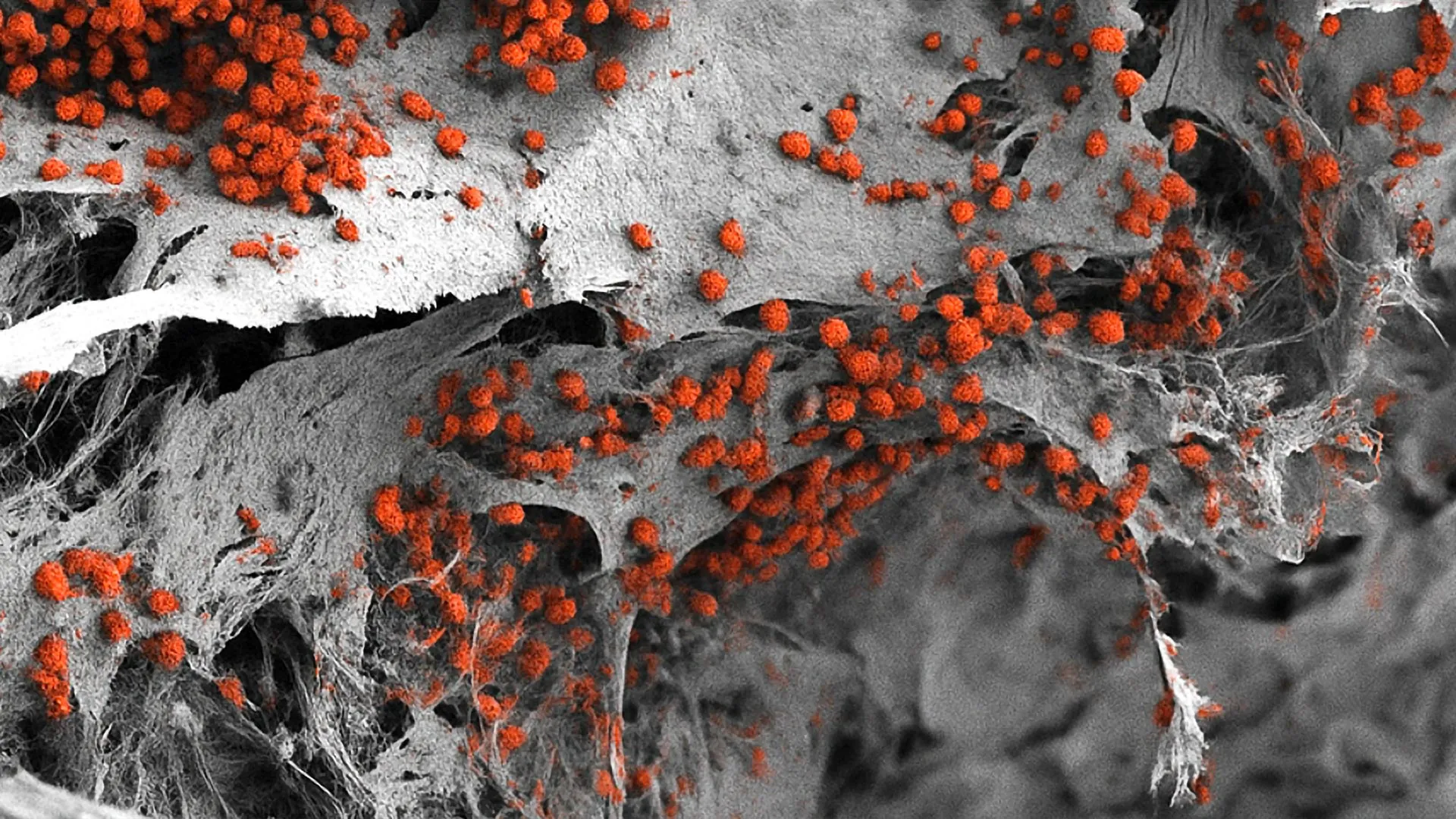
Unlike their healthy counterparts, these newly identified inflammatory mesenchymal stromal cells—designated as iMSCs—secrete copious amounts of interferon-induced cytokines and chemokines into the surrounding extracellular matrix. These signaling molecules act as biochemical beacons, actively recruiting and intensely activating interferon-responsive T cells within the marrow niche. Once activated, these T cells release additional inflammatory cytokines, creating a self-sustaining, pathological feed-forward loop. This persistent inflammatory cascade actively disrupts normal hematopoiesis, damages delicate vascular structures within the bone marrow, and provides a hospitable environment tailored for the survival and expansion of mutated clones.
Deconstructing the Drivers of Marrow Inflammation
A central question facing the research team was whether the mutated hematopoietic cells themselves were directly responsible for triggering this destructive inflammatory environment. To answer this definitively, the investigators needed a reliable way to differentiate between genetically mutated cells and their healthy neighbors within the same tissue samples.
To achieve this cellular sorting in silico, the team utilized SpliceUp, an innovative computational method specifically developed by co-lead author and EMBL alumnus Dr. Maksim Kholmatov, working in close collaboration with researchers Pedro Moura and Professor Eva Hellström-Lindberg from the Karolinska Institute in Sweden. SpliceUp successfully identifies cells carrying pathogenic mutations within complex single-cell datasets by detecting aberrant RNA-splicing patterns.
Surprisingly, the data revealed that mutated hematopoietic cells in MDS do not directly ignite this widespread inflammatory response. Instead, the inflammatory network established within the microenvironment achieves self-sustaining dominance, systematically dismantling and replacing the marrow’s normal regenerative architecture independently of direct mutational instruction.
Furthermore, the study illuminated specific functional failures within the diseased niche. Dr. Karin Prummel, an EMBL postdoctoral researcher and co-lead author, highlighted another critical mechanical breakdown: "Another striking observation was that MDS stem cells couldn’t trigger stromal cells to produce CXCL12, an important signal that triggers blood cells to settle in the bone marrow. This failure may help explain why the bone marrow stops working properly."
Echoing these sentiments regarding the unexpected primacy of the niche, Dr. Kholmatov emphasized the paradigm shift required to understand disease progression. "It was quite surprising to see the lack of a direct inflammatory effect that we could attribute to the mutant cells," Dr. Kholmatov observed. "However, when viewed in the context of changes in the T cell and stromal compartments, it underlines the importance of the bone marrow microenvironment in shaping disease progression."
Inflammation as an Early Catalyst for Malignant Evolution
These empirical findings fundamentally reshape the scientific understanding of how blood disorders initiate and evolve. By demonstrating that localized tissue inflammation acts as a primary catalyst in the earliest phases of disease, the study repositions the bone marrow niche from a passive bystander to an active accomplice in malignant transformation. Consequently, the research points toward an entirely new therapeutic frontier: rather than focusing solely on eradicating mutated stem cells after cancer has taken root, future interventions may target the supportive ecosystem that nurtures those cells.
Public health analysts and clinical researchers suggest that this ecological perspective opens up promising avenues for early treatment and chemoprevention. For example, targeted anti-inflammatory pharmaceuticals or customized therapies designed to modulate interferon signaling pathways could potentially preserve functional bone marrow integrity in elderly patients diagnosed with CHIP. By administering such dual-action treatments—combining interventions directed at mutant clones with therapies that repair the microenvironment—physicians might successfully halt or significantly delay the dreaded transition from benign clonal expansion to aggressive leukemia. Furthermore, the distinct molecular signatures characterizing iMSCs and interferon-responsive T cells could eventually serve as reliable early-warning biomarkers, helping clinicians identify vulnerable individuals long before overt symptoms appear.
Articulating the translational promise of these discoveries, Dr. Guezguez emphasized the long-term clinical potential for preventive medicine. "Our findings reveal that the bone marrow microenvironment actively shapes the earliest stages of malignant evolution," Dr. Guezguez noted. "As advances in molecular profiling allow us to detect pre-leukemic states years before clinical onset, understanding how stromal and immune cells interact provides a foundation for preventive therapies that intercept disease progression before leukemia develops."
The Broader Context of Inflammaging and Age-Related Pathology
Beyond the immediate field of hematology, these findings offer profound insights into the broader biological phenomenon known as "inflammaging"—the chronic, low-grade, systemic inflammation that characterizes aging across mammalian species and underpins a vast spectrum of age-related maladies, including metabolic disorders, cardiovascular disease, and solid-tumor cancers. Traditionally viewed simply as an internal organ dedicated solely to blood cell manufacture, the bone marrow is now recognized as both a victim of systemic aging and an active contributor to systemic inflammation. By illuminating the precise cellular dialogues between immune cells and stromal elements that drive this localized tissue decline, this research provides a robust conceptual framework for investigating similar inflammatory remodeling processes in other myeloid malignancies and advanced hematologic cancers.
Looking toward the future, the research team acknowledges that much work remains. Because the current conclusions are derived from cross-sectional clinical data, longitudinal studies tracking patients over extended periods will be essential to map the exact temporal sequence of niche degradation. Furthermore, these insights carry vital implications for existing therapies, such as allogeneic hematopoietic stem cell transplantation, which traditionally focus entirely on replacing malignant blood cells while leaving the host bone marrow niche completely intact. Research groups are now actively investigating the degree to which the aged or diseased niche retains a cellular "memory" of pathology, which could potentially undermine the engraftment and survival of newly introduced, healthy donor stem cells.
The publication of this landmark study in Nature Communications coincides with a complementary investigation examining the MDS bone marrow microenvironment, led by Professor Marc Raaijmakers from the Erasmus MC Cancer Institute in Rotterdam. Together, these two independent studies provide clinicians and researchers with a remarkably comprehensive, dual-perspective view of the inflammatory tissue remodeling that defines the early phases of bone marrow failure and pre-leukemic states.
The international collaborative effort behind this work brought together leading scientific minds and institutions, including the University Medical Center Mainz, the University of Basel, the University Hospital Dresden, the Karolinska Institute, The Jackson Laboratory in the United States, Sorbonne University in France, and partner institutions within the German Consortium for Translational Cancer Research (DKTK), encompassing the German Cancer Research Center (DKFZ) and NCT Dresden. Financial support for this extensive research endeavor was generously provided by the DKTK-CHOICE program, an European Research Council (ERC) grant under the project EpiNicheAML awarded to Dr. Judith Zaugg, the Marie Skłodowska-Curie Actions Innovative Training Network ENHPATHY, the European Molecular Biology Organization (EMBO), the Swiss National Science Foundation, and the José Carreras Leukämie-Stiftung.