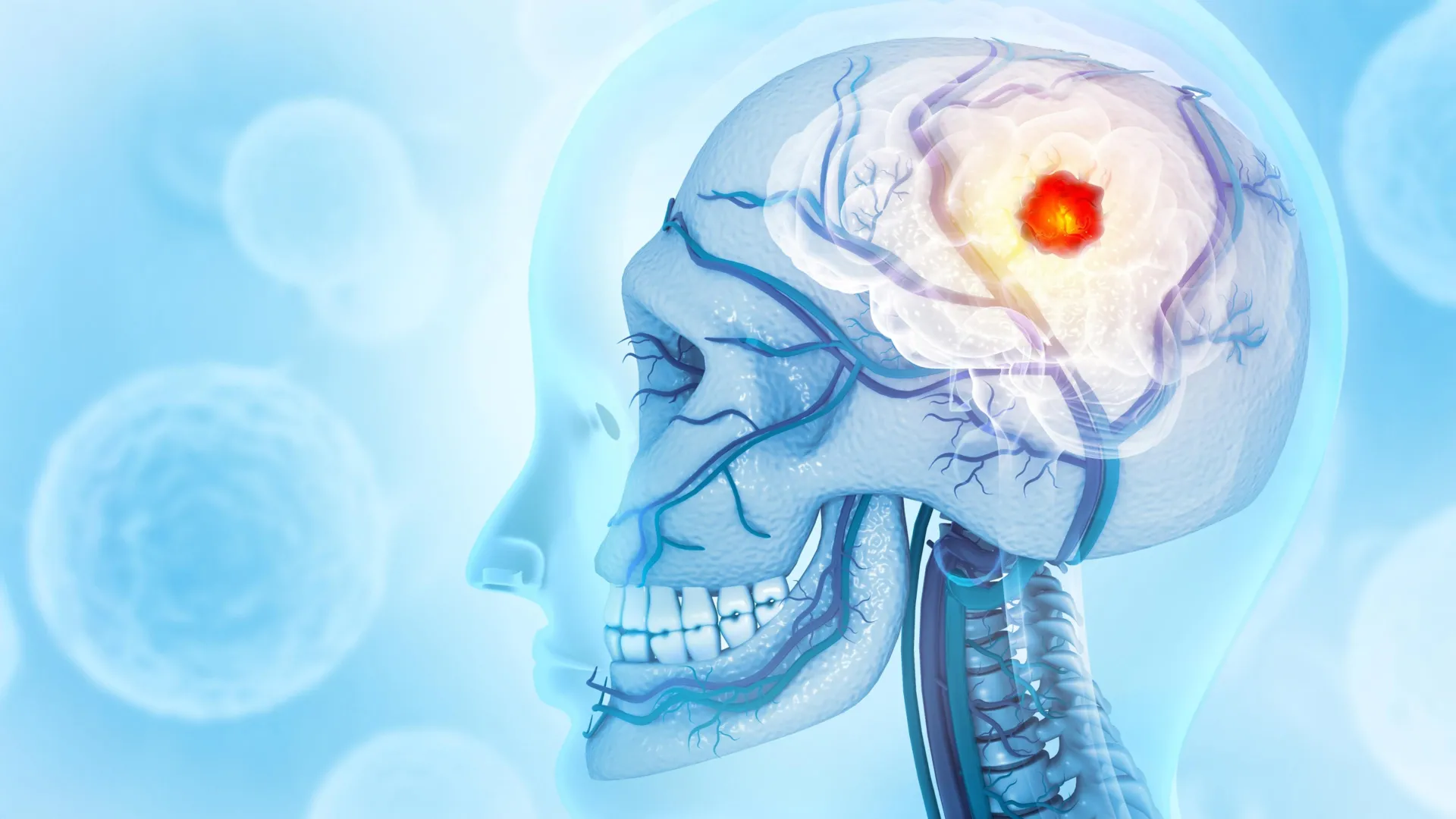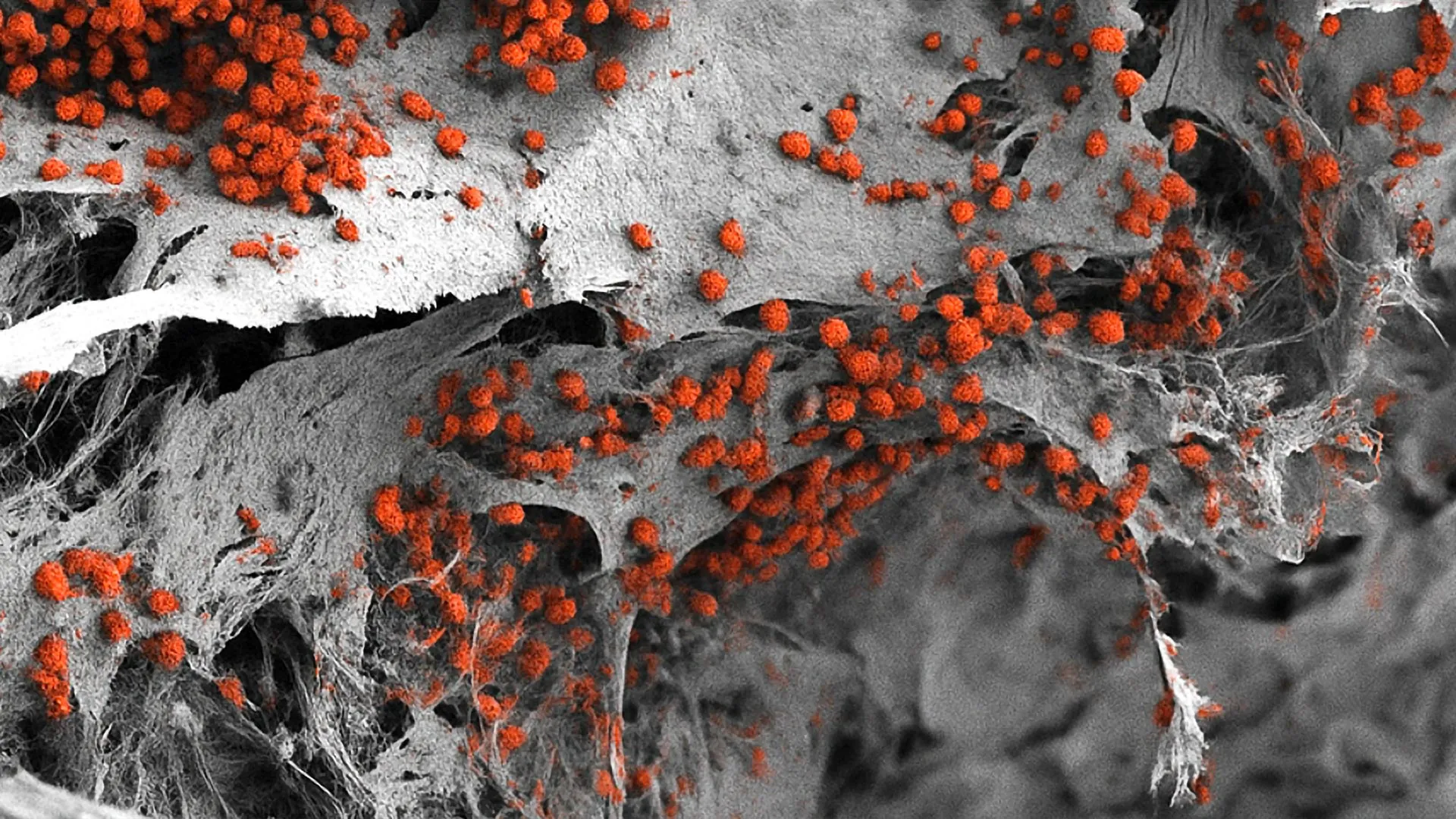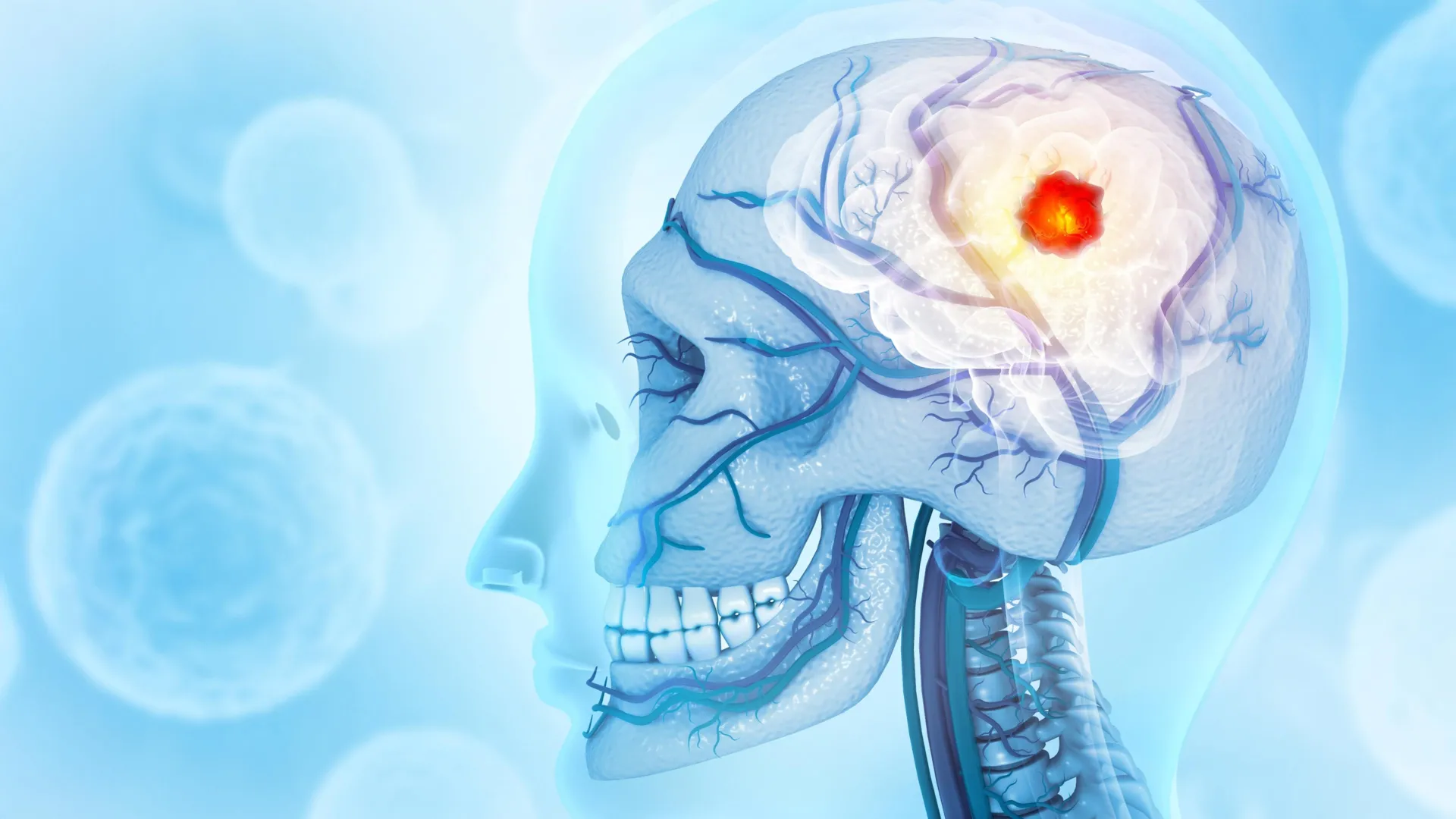
In a paradigm-shifting discovery that challenges decades of neurological oncology dogma, researchers have revealed that glioblastoma—the most aggressive and lethal form of primary brain cancer—functions far beyond the localized boundaries previously assumed. Published on October 3 in the prestigious journal Nature Neuroscience, a comprehensive study led by scientists at the Montefiore Einstein Comprehensive Cancer Center (MECCC) and the Albert Einstein College of Medicine demonstrates that glioblastoma actively erodes the skull, fundamentally alters the composition of skull bone marrow, and systematically hijacks the body’s systemic immune architecture.
This multi-institutional breakthrough not only redefines glioblastoma as a systemic disease rather than a purely local brain tumor, but it also sounds a critical alarm for clinicians. The research team discovered that commonly prescribed medications designed to prevent bone loss can inadvertently accelerate tumor growth and blunt the effectiveness of cutting-edge immunotherapies. By illuminating the biological crosstalk between the brain, the skull, and the immune system, these findings offer a vital explanation for why conventional therapies have historically fallen short, paving the way for a complete overhaul of future therapeutic strategies.
The Anatomy of a Devastating Disease: Background and Clinical Context
Glioblastoma remains one of the most formidable challenges in modern medicine. According to data from the National Cancer Institute (NCI), approximately 15,000 individuals are diagnosed with the malignancy annually in the United States alone. Despite aggressive interventions that comprise the current standard of care—typically involving maximal safe surgical resection followed by concurrent radiation therapy and temozolomide-based chemotherapy—the prognosis remains grim. The median survival time for patients diagnosed with glioblastoma hovers stubbornly around 15 months, a statistic that has seen frustratingly incremental improvements over the past several decades.
Historically, neuro-oncologists and researchers viewed glioblastoma through a localized lens. Treatment protocols were overwhelmingly designed to target the intracranial tumor mass while sparing surrounding healthy brain tissue. However, this localized approach has continually been undermined by the tumor’s relentless recurrence. Even after a seemingly successful surgical removal, microscopic cancer cells invariably infiltrate adjacent brain tissue, rendering total eradication nearly impossible.
The new study from the MECCC and Einstein research teams suggests that the medical community’s traditional focus on the brain in isolation may have missed a critical piece of the puzzle. By proving that glioblastoma exerts a devastating systemic influence on the skeletal and immune systems, the research opens a new frontier in cancer biology, suggesting that effective future treatments must address the tumor’s widespread systemic footprint.
A Matter of Marrow: Uncovering the Skull-Brain Axis
To understand how a brain tumor could impact distant anatomical structures, the research team looked closely at the unique physiological relationship between the brain and the skull. Like all major bones in the human body, the skull contains bone marrow, a specialized tissue responsible for generating a vast array of immune cells and blood cells.
For years, the cranium was thought to be entirely isolated from the intracranial environment by the dura mater and the thick plates of skull bone. However, recent scientific breakthroughs have altered this view, revealing the existence of extremely thin, microscopic vascular channels that directly connect the skull bone marrow to the meninges and the brain. These channels act as biological highways, facilitating a continuous, bidirectional exchange of signaling molecules and immune cells between the skull and the central nervous system.
Capitalizing on these recent insights, Dr. Jinan Behnan, assistant professor in the Leo M. Davidoff Department of Neurological Surgery and in the Department of Microbiology & Immunology at Einstein, spearheaded an investigation to determine whether glioblastoma exploits this skull-brain axis. Utilizing advanced, high-resolution imaging modalities, Dr. Behnan’s team analyzed murine models engineered to develop two distinct types of glioblastoma.
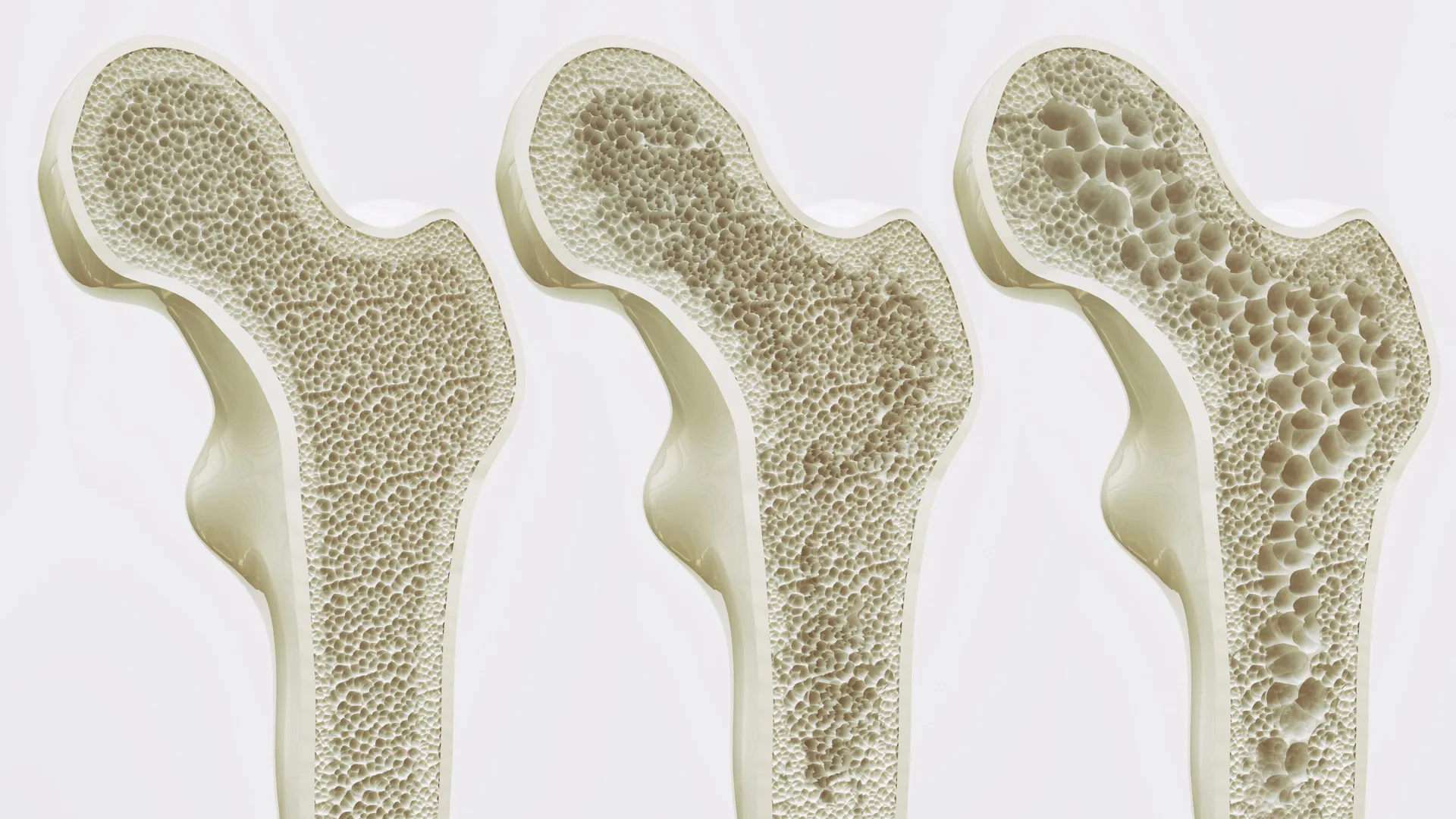
The results were striking. The presence of the brain tumor induced pronounced erosion of the skull bones, particularly concentrated along the cranial sutures—the fibrous joints where the individual plates of the skull fuse together during development. Crucially, this localized skeletal degeneration was entirely specific to aggressive intracranial malignancies like glioblastoma. Control mice subjected to ischemic strokes, other non-cancerous forms of brain injury, or tumors originating outside the central nervous system exhibited no such skull erosion. Follow-up evaluations utilizing computed tomography (CT) scans confirmed that human patients battling glioblastoma experience remarkably similar reductions in skull thickness in the exact anatomical regions identified in the murine models.
Furthermore, the researchers observed that the erosion of the skull bone significantly increased both the numerical density and the physical dimensions of the micro-channels linking the skull to the brain. The scientific consensus emerging from these observations is that these enlarged channels provide a direct conduit for the tumor to broadcast molecular distress signals directly into the skull marrow, profoundly subverting its normal physiological functions.
A Tilt Toward Inflammation: Skewing the Immune Landscape
To decipher the precise cellular consequences of this skull-brain crosstalk, the research team employed single-cell RNA sequencing, a cutting-edge genomic technique capable of analyzing gene expression profiles at the level of individual cells. The data revealed that glioblastoma fundamentally re-engineered the immune landscape within the skull marrow, steering it toward a chronic, pro-inflammatory state.
Specifically, the presence of the brain tumor nearly doubled the population of inflammatory neutrophils—a subset of myeloid cells—within the skull marrow. Concurrently, the tumor drove the near-total elimination of several crucial populations of antibody-producing B cells and other related lymphocytes.
"The skull-to-brain channels allow an influx of these numerous pro-inflammatory cells from the skull marrow to the tumor, rendering the glioblastoma increasingly aggressive and, all too often, untreatable," explained study co-author Dr. E. Richard Stanley, professor of developmental and molecular biology at Einstein. "This indicates the need for treatments that restore the normal balance of immune cells in the skull marrow of people with glioblastoma. One strategy would be suppressing the production of pro-inflammatory neutrophils and monocytes while at the same time restoring the production of T and B cells."
Adding further weight to the theory that glioblastoma is a systemic illness, the researchers uncovered a fascinating dichotomy in how different skeletal sites react to the cancer. While the skull marrow responded to the intracranial tumor by upregulating genes that supercharge the production of inflammatory myeloid cells, bone marrow harvested from the femur (thigh bone) exhibited the exact opposite behavior. In the femur marrow, glioblastoma suppressed the genes required to manufacture various essential immune cells. This systemic polarization highlights how the tumor selectively manipulates microenvironments to favor its own survival and proliferation.
The Double-Edged Sword of Anti-Osteoporosis Therapeutics
Armed with the discovery that glioblastoma causes severe degradation of the skull bone, the research team hypothesized whether administering pharmacological agents designed to prevent bone loss might mitigate the damage, slow tumor progression, or both. To test this hypothesis, the scientists administered two FDA-approved medications commonly prescribed for osteoporosis—zoledronic acid and denosumab—to mice bearing glioblastoma tumors.
The outcomes of this therapeutic intervention yielded both encouraging breakthroughs and alarming cautions. On one hand, both zoledronic acid and denosumab successfully halted the progression of skull-bone erosion. However, the similarities ended there, revealing a stark pharmacological divergence.
Zoledronic acid, while successful at preserving skull bone density, paradoxically fueled tumor progression in a specific subtype of glioblastoma. Even more concerning, both zoledronic acid and denosumab completely neutralized the beneficial therapeutic effects of anti-PD-L1, an advanced immunotherapy drug designed to ramp up the body’s production of tumor-fighting T cells.
This finding carries immediate, real-world clinical implications. Because osteoporosis is a common comorbidity among elderly populations—who also represent the primary demographic affected by glioblastoma—clinicians frequently encounter patients who may be prescribed bone-protecting agents. The study suggests that the administration of certain anti-osteoporosis drugs to glioblastoma patients could inadvertently exacerbate their prognosis or interfere with breakthrough immunotherapies, mandating a rigorous reassessment of current medication management protocols in neuro-oncology.
Chronology of the Discovery and Global Collaboration
The landmark study, formally titled "Brain Tumors Induce Widespread disruption of Calvarial Bone and Alteration of Skull Marrow Immune Landscape," is the culmination of extensive international collaboration and years of meticulous investigative work.
The research was anchored by a robust multidisciplinary team at the Montefiore Einstein Comprehensive Cancer Center and the Albert Einstein College of Medicine. Alongside Dr. Behnan and Dr. Stanley, the author roster features Abhishek Dubey, Biljana Stangeland, Imane Abbas, Dr. David Fooksman, Wade R. Koba, Dr. Jinghang Zhang, Dr. Benjamin T. Himes, Dr. Derek Huffman, Zhiping Wu, Rachel Welch, David Reynolds, Dr. Kostantin Dobrenis, Qinge Ye, Kevin Fisher, and Dr. Emad Eskandar.
The scope of the project was further amplified by institutional partners across the globe. International contributors included Erika Yamashita, Yutaka Uchida, and Masaru Ishii at Osaka University in Osaka, Japan; Robert A. Harris at the Karolinska Hospital Solna in Stockholm, Sweden; Gregory M. Palmer at the Duke University Medical Center in Durham, North Carolina; Olivia R. Lu and Winson S. Ho at the University of California, San Francisco; and Alexander F. Fiedler at the German Rheumatism Research Center (DRFZ) and Freie Universität Berlin in Berlin, Germany.
Broader Impact, Implications, and Future Treatment Strategies
The implications of the MECCC and Einstein study extend far beyond the immediate academic spheres of neuro-oncology and immunology. By proving that glioblastoma acts as a master manipulator of the body’s skeletal and immune systems, the research provides a definitive blueprint for why local therapies alone have repeatedly failed to conquer the disease.
"Our discovery that this notoriously hard-to-treat brain cancer interacts with the body’s immune system may help explain why current therapies—all of them dealing with glioblastoma as a local disease—have failed, and it will hopefully lead to better treatment strategies," Dr. Behnan emphasized.
Moving forward, the scientific community must pivot toward holistic, multi-pronged therapeutic paradigms. Future clinical trials inspired by these findings will likely focus on combinatorial approaches: therapies that not only target the primary intracranial mass through conventional surgery and radiation, but also actively repair skull-bone integrity without fueling tumor growth, suppress pathogenic pro-inflammatory myeloid cells in the skull marrow, and restore healthy populations of T and B lymphocytes.
Furthermore, oncologists will need to exercise extreme caution when prescribing bone-modifying medications to patients diagnosed with brain cancers, carefully weighing the skeletal benefits against the risk of accelerating tumor aggressiveness or compromising immunotherapy efficacy.
As researchers continue to decode the intricate signaling pathways operating along the skull-brain axis, patients and clinicians alike are offered a renewed sense of hope. By exposing glioblastoma’s systemic strategy of evasion and destruction, this groundbreaking study marks a pivotal turning point in the global fight against one of humanity’s most elusive medical adversaries.