A pioneering research project led by the Wellcome Sanger Institute has fundamentally altered the scientific understanding of chronic myeloid leukemia (CML), uncovering that the cancer begins its progression years earlier than previously suspected and expands at rates described as "explosive." The study, published in the journal Nature on April 9, utilizes advanced whole-genome sequencing to map the evolutionary trajectory of the disease, revealing that the genetic foundations of CML can be traced back over a decade before clinical symptoms manifest. Furthermore, the data suggests that CML is a biological outlier in the oncology landscape, driven by a single genetic event that triggers growth rates far exceeding those seen in most other blood cancers and solid tumors.
The Genetic Catalyst: Understanding the Philadelphia Chromosome
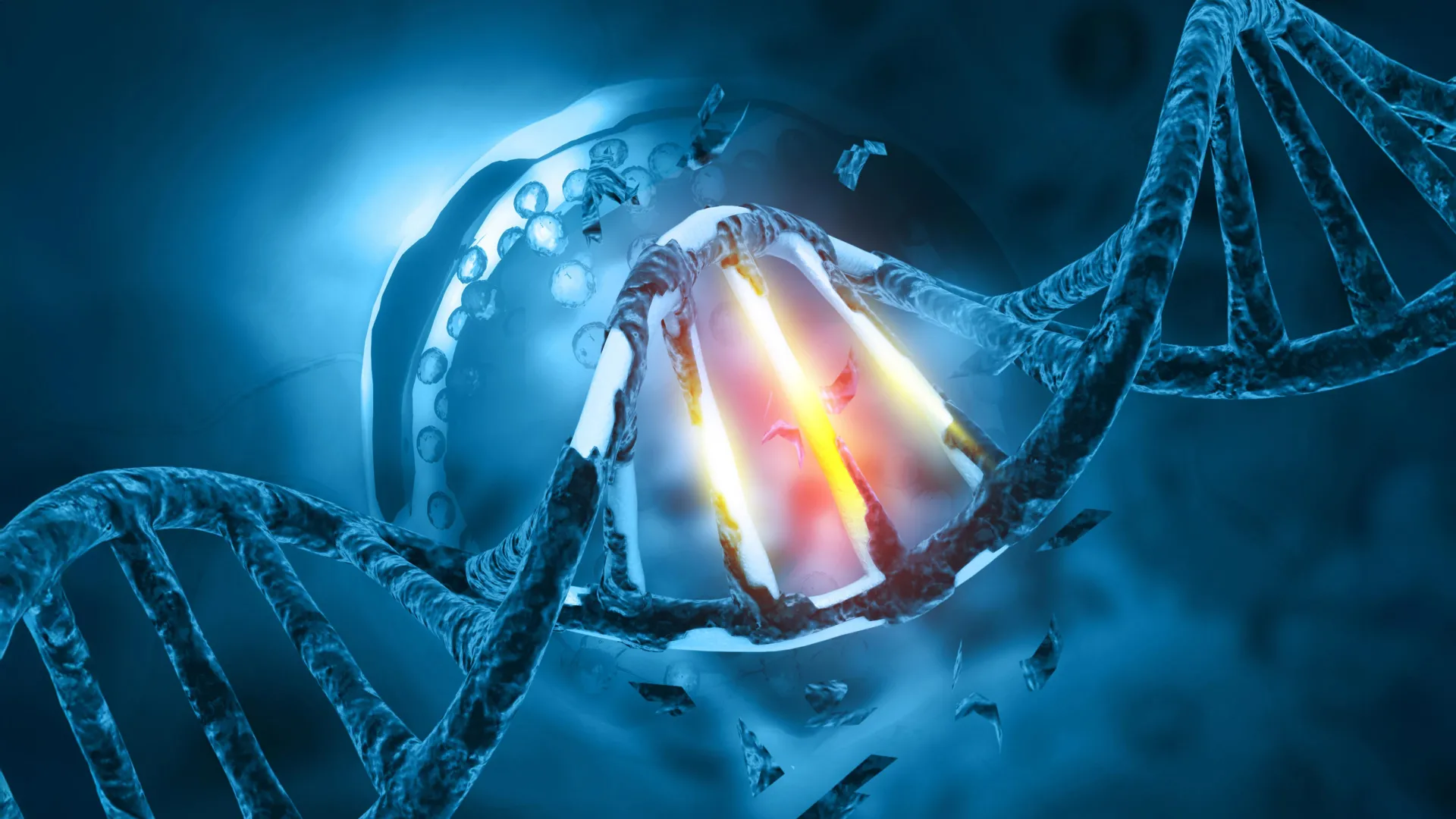
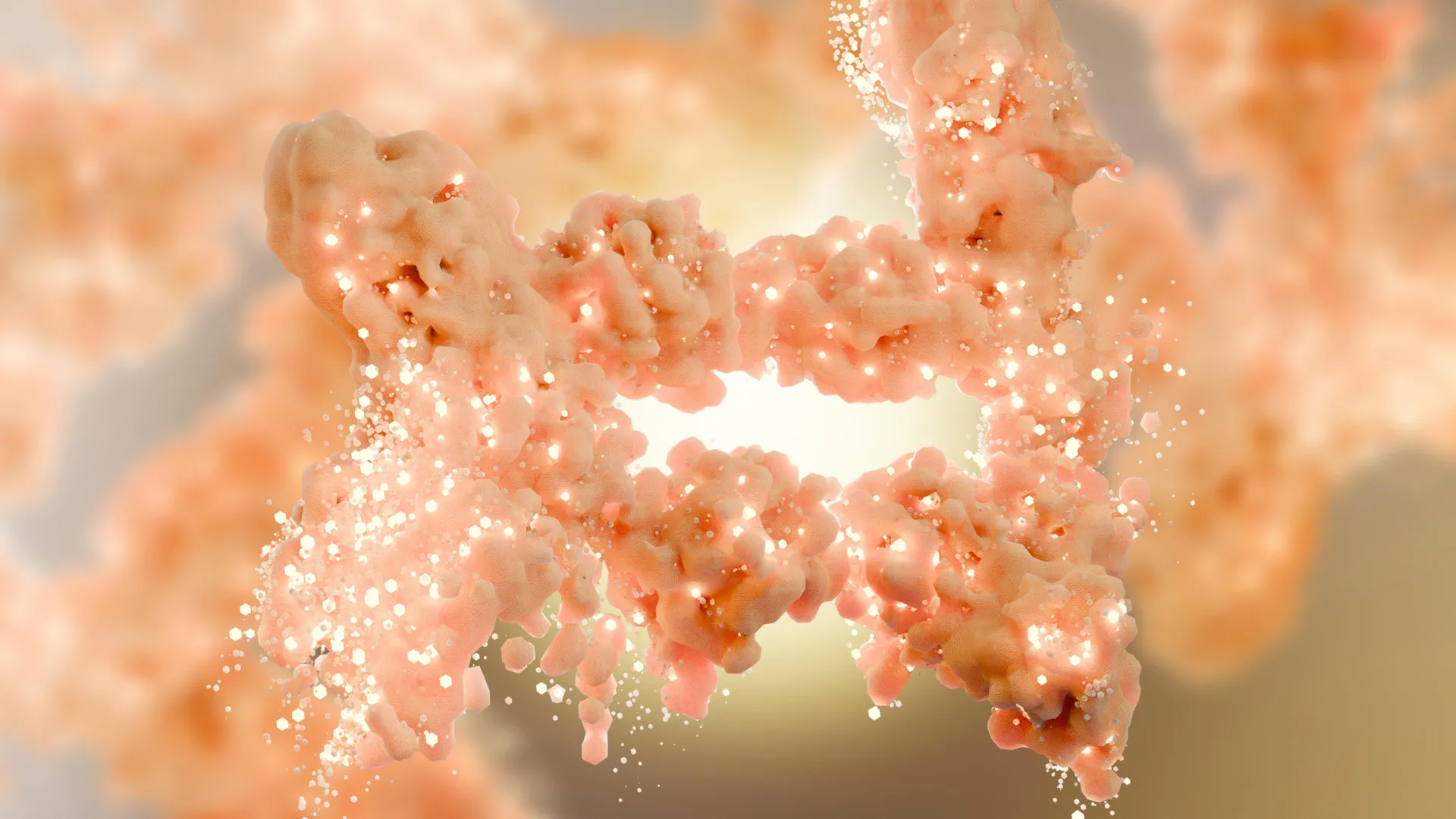
Chronic myeloid leukemia is a primary cancer of the bone marrow and blood, characterized by the overproduction of white blood cells. For decades, the medical community has recognized the "Philadelphia chromosome" as the hallmark of this disease. This chromosomal abnormality occurs when pieces of chromosome 9 and chromosome 22 break off and trade places. Specifically, a segment of the ABL1 gene from chromosome 9 fuses with the BCR gene on chromosome 22, creating the BCR::ABL1 fusion gene.
This fusion gene acts as a constitutive "on switch," signaling the bone marrow to continuously produce abnormal granulocytes. While the presence of BCR::ABL1 has long been established as the causative agent of CML, the timeline of its emergence and the pace at which it dominates the hematopoietic system remained elusive until now. Previous assumptions often posited that cancers develop through a slow, multi-decade accumulation of various mutations. The Sanger Institute’s research challenges this paradigm by demonstrating the sheer potency of the BCR::ABL1 fusion as a solitary driver of malignancy.
Methodology: Reconstructing Cellular Family Trees
To look back in time at the evolution of the cancer, the research team employed a sophisticated technique known as phylogenetic analysis. They performed whole-genome sequencing on more than 1,000 single blood cells obtained from nine patients diagnosed with CML. These patients represented a broad demographic, ranging in age from 22 to 81 years.
By identifying somatic mutations—natural genetic changes that occur as cells divide over a lifetime—the researchers were able to construct "family trees" for the blood cells. These trees allowed the team to pinpoint the exact moment the BCR::ABL1 fusion occurred and track the subsequent expansion of the "clone" (the population of cells descended from that original mutated cell). This retrospective look into the life history of the cancer provided a chronological map of the disease’s progression from the first mutation to the point of clinical diagnosis.
A Decadal Timeline: The 3-to-14 Year Window
The findings reveal a significant latency period between the birth of the cancer and its detection. In the patients studied, the BCR::ABL1 fusion gene typically appeared between three and 14 years before they were diagnosed with leukemia. This discovery refutes the idea that CML is an acute-onset disease, showing instead that it smolders beneath the surface for years.
During this pre-diagnostic phase, the patient remains asymptomatic. However, the study’s analysis of the "All of Us" research program—a massive health database in the United States involving over 200,000 participants—suggests that once this fusion gene is present, the eventual development of a blood disorder is almost certain. The researchers found that nearly every individual in the cohort who carried the BCR::ABL1 fusion was eventually diagnosed with a hematological condition, indicating that the body has very little natural defense against the expansion of these specific clones once they are established.
Explosive Growth: 100,000% Annual Expansion
Perhaps the most startling revelation of the study is the velocity of CML’s growth. Once the BCR::ABL1 fusion occurs, the resulting tumor clones multiply at rates that the researchers described as uniquely aggressive. In some instances, the annual growth rate of the cancerous cells exceeded 100,000 percent.
This is a radical departure from the growth patterns observed in other cancers. Most solid tumors, such as prostate or breast cancer, as well as many other blood cancers, develop over 30 or 40 years as they slowly acquire a series of "driver" mutations. In contrast, CML achieves clinical dominance in a fraction of that time, powered by just one genetic change. This high-octane growth explains why the transition from a single mutated cell to billions of leukemic cells can happen relatively quickly compared to the decades-long evolution of other malignancies.
The Influence of Age and Patient Variation
The research highlighted a significant correlation between a patient’s age and the aggressiveness of the cancer’s growth. Younger patients in the study exhibited much higher rates of cellular multiplication than their older counterparts. While the biological reason for this disparity requires further investigation, it suggests that the bone marrow environment in younger individuals may be more conducive to the rapid expansion of leukemic clones.
Furthermore, the study identified a critical link between growth rates and treatment efficacy. Chronic myeloid leukemia is typically treated with tyrosine kinase inhibitors (TKIs), such as Imatinib (Gleevec), which target the protein produced by the BCR::ABL1 gene. While TKIs have transformed CML from a fatal disease into a manageable chronic condition for many, approximately 20 percent of patients do not respond well to the therapy.
The Sanger Institute team found that patients with the fastest-growing CML clones were significantly less likely to respond to TKI treatment. This suggests that the inherent "fitness" or growth velocity of the cancer at the time of diagnosis could serve as a predictive biomarker for how a patient will fare on standard medication.
Expert Reactions and Clinical Significance
The medical community has greeted these findings as a major step toward precision oncology in leukemia treatment. Dr. Aleksandra Kamizela, a co-first author of the study and resident doctor at Lister Hospital, emphasized the gap between current diagnostic tools and the level of detail provided by this genomic research.
"In a clinical setting, healthcare professionals will perform a reverse transcription polymerase chain reaction (RT-PCR) test to measure a patient’s response to CML treatment," Dr. Kamizela stated. "However, they are not able to routinely see differences in the genetic cause of CML in patients at the DNA level, which we have been able to highlight in our study. Our findings provide a rationale to look at the rate of cancer growth more closely in order to understand if we can use such information in a clinical setting."
Dr. Jyoti Nangalia, the study’s senior author and a hematologist at the University of Cambridge, noted that CML should now be viewed as an "outlier" in the world of oncology. "We have shown that chronic myeloid leukemia cells undergo incredibly rapid growth within a few years to a decade before diagnosis, whereas for most cancers, the timeline from start to clinical presentation is several decades," Dr. Nangalia explained. "This work paves the way to understanding how we might optimize treatment for those patients that currently respond poorly."
Broader Impact and Future Directions
The implications of this study extend beyond the treatment of CML. By proving that a single genetic event can drive such massive cellular expansion, the research prompts a re-evaluation of how "driver mutations" are classified across different types of cancer. It also highlights the power of single-cell sequencing to uncover the hidden history of disease, a technique that could be applied to other forms of leukemia to identify early intervention windows.
For CML specifically, the discovery that growth rates correlate with TKI resistance offers a new avenue for clinical trials. If doctors can identify "fast-growing" cases early through genomic profiling, they may be able to prescribe more aggressive or alternative therapies from the outset, rather than waiting for standard TKIs to fail.
However, the researchers cautioned that while the results are compelling, the study involved a small primary cohort of nine patients. Larger-scale studies will be necessary to validate these growth models and to determine exactly how they can be integrated into routine hospital diagnostics. The use of the "All of Us" cohort provided a vital secondary layer of validation, but the jump from genomic research to bedside application requires rigorous testing in diverse clinical environments.
As the scientific community continues to digest these findings, the focus moves toward the "pre-leukemic" phase. If the BCR::ABL1 fusion can be detected up to 14 years before symptoms appear, the possibility of early screening for at-risk populations—particularly those with unexplained blood count fluctuations—becomes a tangible, albeit future, goal for preventative medicine. For now, the study stands as a definitive account of the life and speed of one of the most well-known, yet surprisingly misunderstood, forms of cancer.