Researchers at Michigan State University (MSU) have announced a significant breakthrough in reproductive biology, identifying a specific molecular "switch" that controls the surge of energy sperm require to fertilize an egg. The study, published in the Proceedings of the National Academy of Sciences (PNAS), details how sperm undergo a dramatic metabolic reprogramming once they enter the female reproductive tract. This discovery offers a dual-purpose roadmap for the future of reproductive medicine: providing new targets for treating male infertility and facilitating the development of the long-sought "holy grail" of contraception—a safe, effective, and nonhormonal male birth control pill.
The research, led by Melanie Balbach, an assistant professor in MSU’s Department of Biochemistry and Molecular Biology, clarifies a biological mystery that has long puzzled scientists. While it was well-known that sperm must transition from a dormant state to a high-activity state to achieve fertilization, the precise biochemical mechanisms governing this "power-up" remained elusive. By mapping the metabolic pathways of these cells, the MSU team has provided a high-resolution view of how sperm manage their energy resources during their final, critical journey toward the egg.
The Biological Context: A High-Stakes Energy Transition
Sperm production is a continuous process in the male body, but once produced, these cells are kept in a state of metabolic "stasis" or low energy within the male reproductive system. This preservation is essential, as sperm have a limited lifespan and must conserve their finite energy reserves for the strenuous environment of the female reproductive tract.
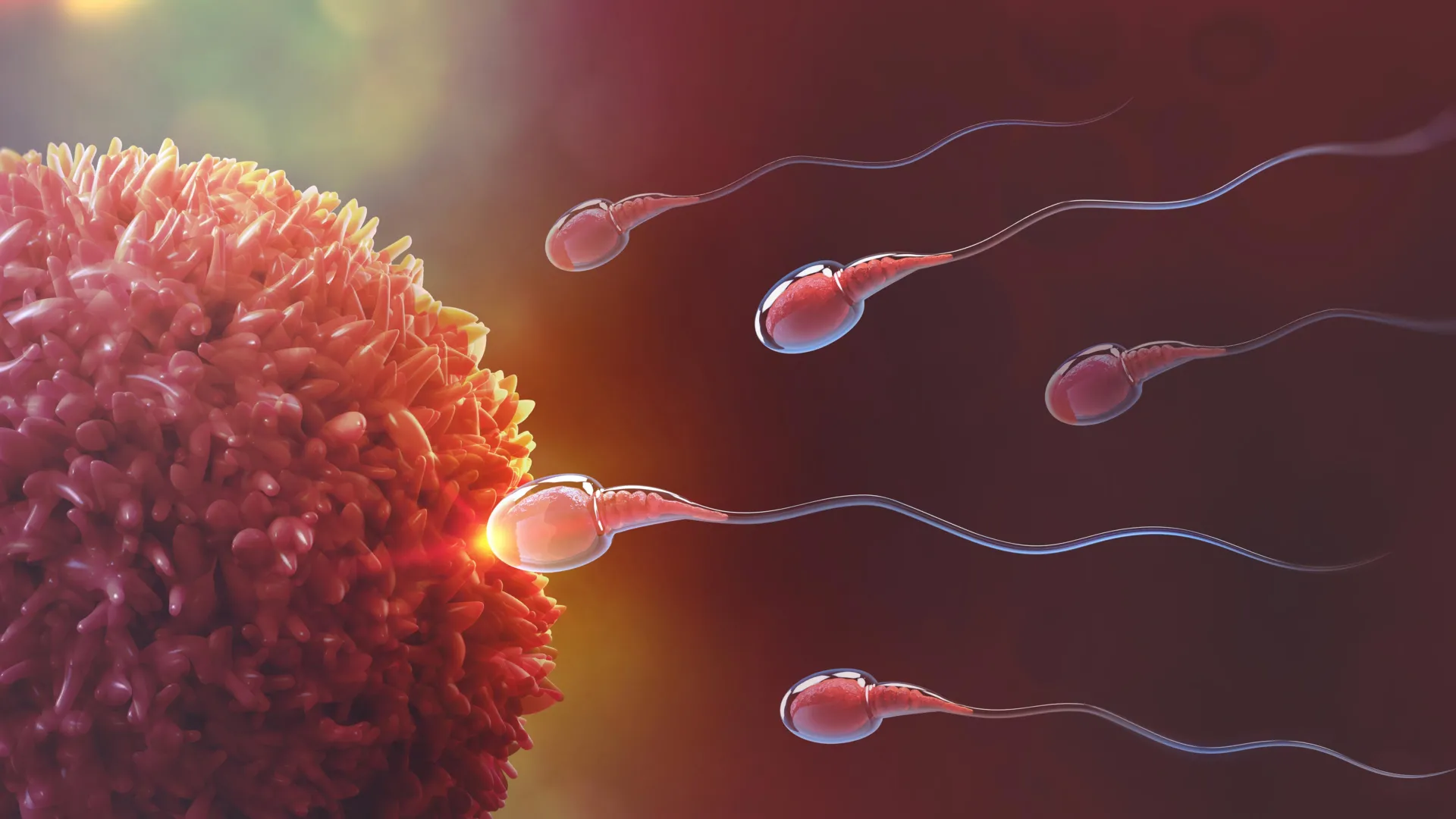
Upon ejaculation and entry into the female tract, sperm undergo a process known as "capacitation." During this phase, they must swim more forcefully—a movement termed hyperactivation—and undergo structural changes to their outer membranes. These physiological shifts are incredibly energy-intensive. "Sperm metabolism is special since it’s only focused on generating more energy to achieve a single goal: fertilization," Balbach explained.
The transition is not merely a matter of swimming faster; it is a fundamental shift in how the cell processes fuel. This metabolic reprogramming allows the sperm to navigate the complex environment of the uterus and fallopian tubes, penetrate the protective layers of the egg, and successfully deliver paternal genetic material.
Chronology of Discovery: From Enzyme Blocking to Metabolic Mapping
The findings at Michigan State University represent the culmination of years of specialized research into sperm behavior. Dr. Balbach’s previous work at Weill Cornell Medicine laid the groundwork for this study. During her tenure there, she was part of a team that demonstrated how blocking a specific enzyme in sperm could lead to temporary, reversible infertility in mice. That earlier breakthrough proved that sperm function could be "turned off" without interfering with the body’s overall hormonal balance.
After joining the MSU faculty in 2023, Balbach expanded her focus to the "how" and "why" of sperm energy production. Collaborating with experts from the Memorial Sloan Kettering Cancer Center and the Van Andel Institute, her team sought to track the movement of nutrients within the cell in real-time.
To achieve this, the researchers utilized MSU’s Mass Spectrometry and Metabolomics Core. They developed a sophisticated method to follow glucose—the primary sugar sperm absorb from their environment—as it moved through various chemical pathways. This technique allowed the team to distinguish between the metabolic profiles of inactive sperm and those that had been "activated" for fertilization.
The "Pink Car" Analogy: Mapping Cellular Traffic
To explain the complexity of their methodology, Balbach utilized a vivid analogy involving urban navigation. "You can think of this approach like painting the roof of a car bright pink and then following that car through traffic using a drone," she stated.
By "painting" the glucose molecules, the researchers could observe how the sugar was processed through the cell’s internal machinery. In dormant sperm, the "traffic" moved slowly and followed predictable, low-energy routes. However, in activated sperm, the "pink cars" moved significantly faster and shifted to different "intersections" or metabolic pathways that maximized energy output.
The study identified that activated sperm do not just rely on the glucose they absorb; they also tap into internal energy stores they carry from the beginning of their journey. This dual-fuel system ensures that the sperm has enough power to maintain hyperactivated swimming even when environmental nutrient levels fluctuate.
Aldolase: The Critical Metabolic Regulator
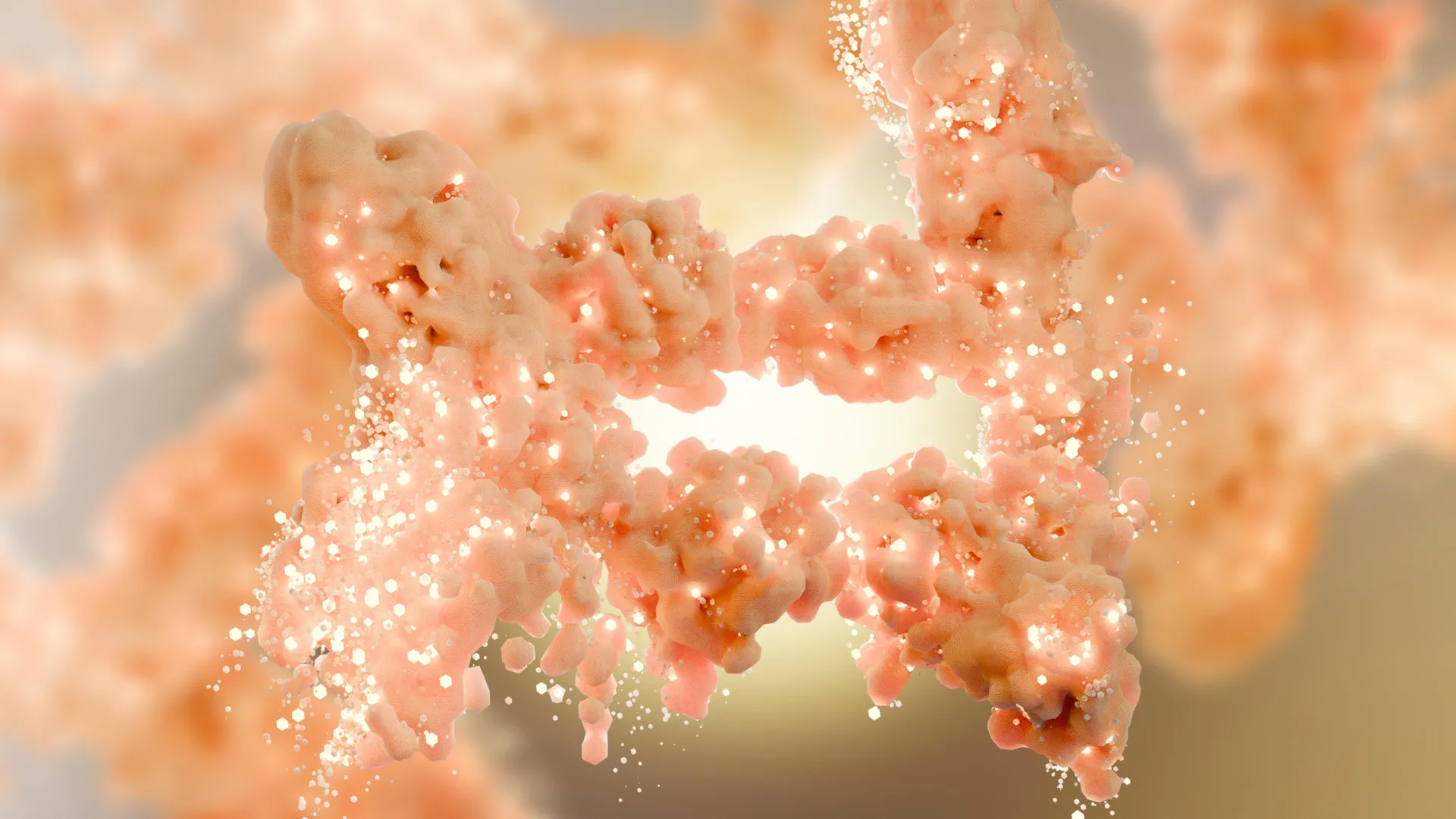
The centerpiece of the study’s findings is the identification of the enzyme aldolase as a key regulator of this energy surge. Aldolase acts as a gatekeeper in the process of glycolysis—the breakdown of glucose to extract energy. The researchers found that the activity of aldolase changes significantly during sperm activation, directing the flow of sugar into the pathways most efficient for rapid ATP (energy) production.
Furthermore, the team identified other enzymes acting as "traffic controllers," which dictate how glucose moves through various metabolic cycles. By understanding these specific enzymatic triggers, scientists now have a clear target for pharmacological intervention. If a drug can safely and temporarily inhibit aldolase or its associated regulators, it could effectively "stall" the sperm’s engine, preventing it from reaching or penetrating the egg without affecting the man’s hormones or long-term fertility.
Implications for Nonhormonal Male Contraception
For decades, the burden of hormonal contraception has fallen primarily on women. Female birth control, while effective, is associated with a wide range of side effects, including mood changes, weight gain, increased risk of blood clots, and cardiovascular issues. Efforts to create a male equivalent have historically focused on suppressing sperm production through testosterone manipulation. However, these hormonal approaches often lead to significant side effects for men, such as acne, weight gain, and libido changes, leading many clinical trials to be halted.
The MSU discovery offers a radically different approach. A contraceptive based on Balbach’s research would be:
- Nonhormonal: It would not interfere with testosterone or the endocrine system.
- Target-Specific: It would target an enzyme unique to sperm or sperm function.
- Fast-Acting and Reversible: Because it targets the "switch" that activates sperm rather than the production of sperm itself, such a drug could potentially be taken "on-demand" and would not have the months-long lead time or recovery time associated with hormonal methods.
"Right now, about 50% of all pregnancies are unplanned, and this would give men additional options and agency in their fertility," Balbach noted. "Likewise, it creates freedom for those using female birth control, which is hormone-based and highly prone to side effects."
Addressing the Global Infertility Crisis
While the contraceptive potential of this research has garnered significant attention, the implications for infertility are equally profound. Infertility currently affects approximately one in six people globally, according to the World Health Organization. In many cases, the cause of male infertility remains "idiopathic" or unexplained, even when sperm counts appear normal.
The discovery of the aldolase switch provides a new diagnostic lens. It is possible that some men struggle with infertility because their sperm possess a "broken switch"—they are produced in the correct numbers but fail to undergo the metabolic reprogramming necessary for fertilization.
By understanding the metabolic requirements of healthy sperm, clinicians could develop better screening tools to identify these energy deficiencies. Furthermore, this knowledge could improve assisted reproductive technologies (ART), such as in vitro fertilization (IVF). Lab technicians could potentially optimize the "media" (the liquid environment) used to store and prepare sperm, ensuring they have the exact nutrient mix and enzymatic triggers needed to reach peak energy levels before being introduced to an egg.
Supporting Data and Economic Impact
The drive for new reproductive technologies is supported by significant economic and social data. The global contraceptive market is projected to reach over $37 billion by 2030, yet the "male pill" segment remains entirely untapped. On the other side of the spectrum, the fertility services market is expected to exceed $40 billion in the same timeframe, driven by delayed childbearing and rising infertility rates.
From a public health perspective, reducing the rate of unplanned pregnancies—which stands at roughly 121 million annually worldwide—could significantly reduce maternal mortality and improve economic outcomes for families. The development of a nonhormonal male option is viewed by many public health experts as a critical step toward gender equity in reproductive healthcare.
Future Research and Path to Clinical Application
The MSU team is now moving toward the next phase of their research: translating these findings from mouse models to human biology. "Better understanding the metabolism of glucose during sperm activation was an important first step, and now we’re aiming to understand how our findings translate to other species, like human sperm," Balbach said.
The researchers also plan to investigate how sperm utilize other sugars, such as fructose, which is abundant in the female reproductive tract. Understanding the full "menu" of fuels available to sperm will be essential for creating robust treatments and contraceptives.
While a commercial product may still be several years away due to the rigors of clinical trials and FDA approval, the identification of the aldolase switch marks a turning point. It moves the conversation away from the blunt instrument of hormonal suppression toward the precision of metabolic engineering.
The research was supported by the National Institute of Child Health and Human Development, reflecting the high level of federal interest in expanding reproductive options. As Balbach and her colleagues continue to map the intricate machinery of the smallest cell in the human body, their work promises to reshape the landscape of family planning and fertility for the next generation.