In a landmark study that underscores the biological challenges of long-duration space exploration, scientists at Johns Hopkins Medicine have found that human heart tissue undergoes profound structural and functional degradation when exposed to microgravity. By sending 48 bioengineered human heart tissue samples to the International Space Station (ISS) for a 30-day mission, researchers observed that the low-gravity environment significantly weakened the muscle’s contractile strength and disrupted its natural rhythmic beating. The findings, published in the Proceedings of the National Academy of Sciences, provide a critical cellular-level look at why astronauts often experience cardiovascular issues after returning from orbit.
The research team, led by Deok-Ho Kim, Ph.D., a professor of biomedical engineering at the Johns Hopkins University School of Medicine, utilized cutting-edge "tissue-on-a-chip" technology to simulate the human heart’s environment. The results were stark: heart tissues aboard the ISS beat with only about half the force of identical samples maintained on Earth. Furthermore, the space-bound tissues developed irregular beating patterns, or arrhythmias, which are a primary precursor to heart failure in humans. These discoveries are not only vital for the safety of future missions to the Moon and Mars but also offer a unique model for studying the progression of heart disease and aging on Earth.
The Engineering of Cardiac Payloads for Spaceflight
The journey to the ISS began in the laboratory, where the research team utilized human induced pluripotent stem cells (iPSCs). These "master cells" were genetically reprogrammed to develop into cardiomyocytes, the specialized muscle cells responsible for the heart’s contraction. The project was spearheaded by Jonathan Tsui, Ph.D., who began the work in Kim’s lab at the University of Washington before moving with the team to Johns Hopkins in 2019.
To ensure the cells could survive the rigors of launch and the vacuum of space, Tsui developed a miniaturized, bioengineered tissue chip. This device, roughly half the size of a standard cell phone, featured a 3D housing where the heart tissues were strung between two tiny posts. This configuration allowed the tissues to contract against a resistance, mimicking the mechanical environment of an adult human heart. The chips were equipped with sophisticated sensors and bioelectronics capable of transmitting real-time data back to Earth, providing a constant stream of information regarding "twitch forces"—the strength of each contraction—and the timing of each beat.
The logistics of the mission were equally complex. In March 2020, the cardiac payload was scheduled to launch aboard the SpaceX CRS-20 mission. Tsui was tasked with hand-carrying the delicate tissue chambers on a commercial flight to Florida, where he spent a month at the Kennedy Space Center performing final preparations and ensuring the tissues remained viable until the moment of ignition. Once the tissues reached the ISS, the mission transitioned into a collaborative effort between terrestrial scientists and orbiting astronauts.
A 30-Day Chronology of Cardiac Decline
Once the bioengineered tissues were successfully installed on the ISS, the experiment began in earnest. For 30 days, the researchers received 10-second data transmissions every half hour. These transmissions provided a high-resolution look at the tissues’ performance in real-time. On the station, Astronaut Jessica Meir, Ph.D., managed the biological maintenance, performing weekly changes of the liquid nutrients that sustained the cells and preserving specific samples at scheduled intervals for post-flight analysis.
The comparative data between the space-bound samples and the Earth-bound control group revealed an immediate and progressive decline in the ISS tissues. While the Earth samples remained stable and robust, the space samples began to show signs of mechanical failure within the first two weeks.
Loss of Contractile Force
The most immediate observation was the reduction in "twitch force." The muscle tissues in space were unable to maintain the tension required for healthy cardiac output. By the end of the 30-day period, the contractile strength had plummeted by approximately 50%. This mirrors the clinical observations of "cardiac atrophy" seen in astronauts who spend six months or more in orbit, though this study identifies the phenomenon at a cellular level independent of the body’s overall circulatory demands.
Development of Arrhythmias
Beyond the loss of strength, the rhythmic integrity of the heart cells was severely compromised. On Earth, the time between beats for these tissues typically averages about one second. In the microgravity environment of the ISS, this interval grew erratic and significantly longer, eventually reaching a duration nearly five times longer than the Earth controls. While some of this rhythmic disruption normalized once the tissues returned to the Earth’s 1g environment, the period of instability highlighted a significant risk for the development of permanent arrhythmias during long-term spaceflight.
Cellular and Molecular Breakdown
When the tissues returned to Earth, the Johns Hopkins team, including postdoctoral fellow Devin Mair, Ph.D., performed an exhaustive microscopic and genetic analysis to understand the cause of the functional decline. The results pointed to a systematic breakdown of the cell’s internal machinery.
Sarcomere Disarray
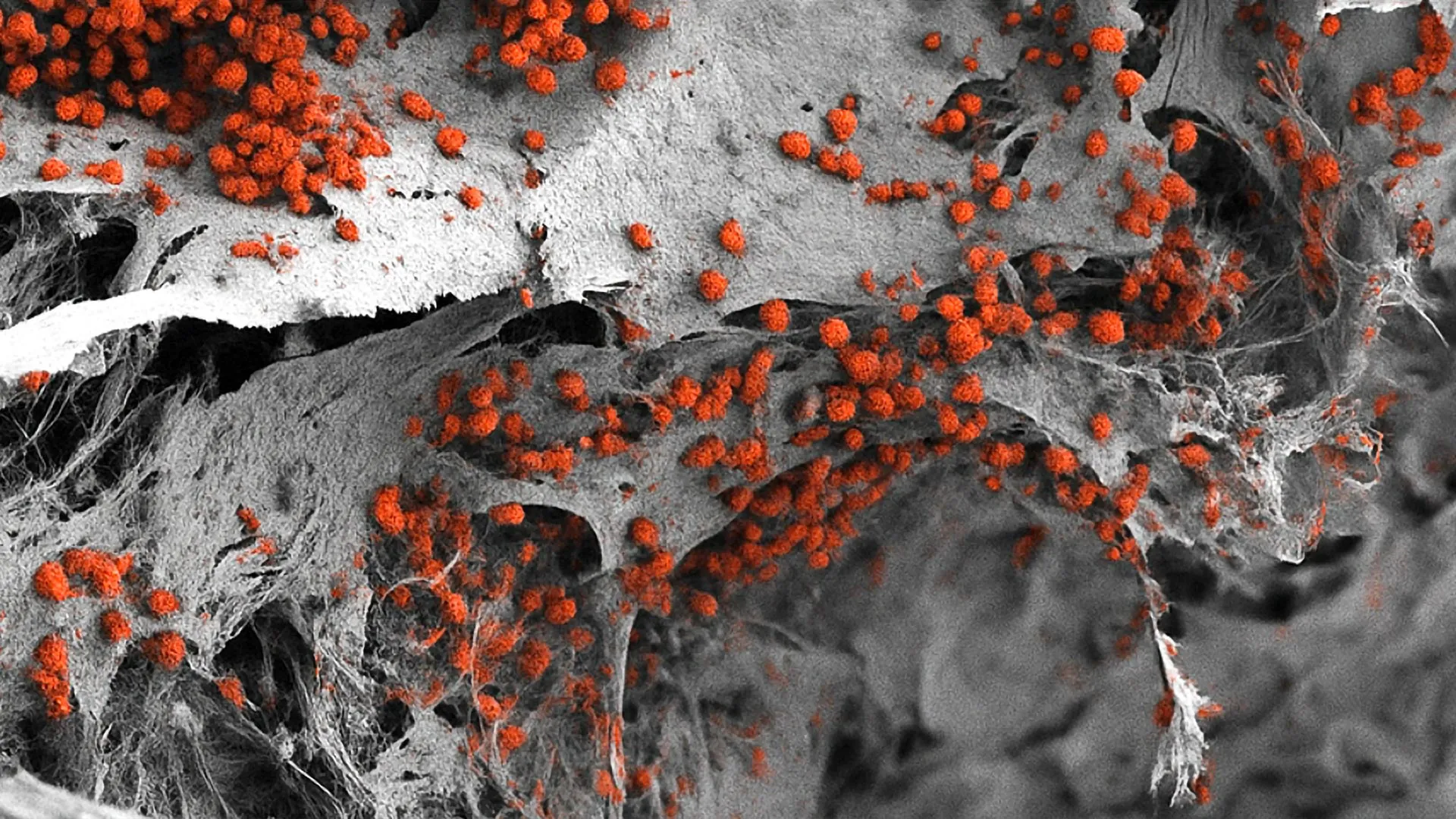
The researchers focused on the sarcomeres—the protein bundles that act as the functional units of muscle contraction. In a healthy heart, sarcomeres are organized in neat, parallel rows that allow for efficient pumping. In the space-bound tissues, these bundles became significantly shorter and highly disordered. This structural "shuffling" is a hallmark of cardiomyopathy and heart failure in terrestrial patients, suggesting that microgravity induces a form of rapid-onset cardiac aging.
Mitochondrial Dysfunction
The "power plants" of the cells, the mitochondria, also showed signs of extreme stress. Under the microscope, the mitochondria in the space-bound cells appeared larger and more rounded than their Earth-bound counterparts. Crucially, they lost the characteristic "cristae"—the internal folds where energy production occurs. This loss of surface area suggests a significant drop in the cell’s ability to produce ATP, the fuel required for muscle contraction, further explaining the loss of twitch force.
Genetic Markers of Inflammation
Genetic analysis, led by assistant research professor Eun Hyun Ahn, Ph.D., and graduate student Zhipeng Dong, revealed a surge in the expression of genes associated with inflammation and oxidative damage. Oxidative stress occurs when there is an imbalance between free radicals and antioxidants in the body, leading to cell and tissue damage. "Many of these markers of oxidative damage and inflammation are consistently demonstrated in post-flight checks of astronauts," Mair noted, confirming that the tissue-on-a-chip model accurately reflects the systemic stress experienced by human explorers.
Implications for Long-Duration Space Exploration
The findings of the Johns Hopkins study arrive at a pivotal moment for NASA and its international partners. As the Artemis program prepares to return humans to the lunar surface and eventually send crews to Mars, the health of the cardiovascular system remains a top-tier concern. A journey to Mars is estimated to take between six and nine months one way, far exceeding the 30-day duration of this study.
If heart tissue begins to show signs of failure and structural remodeling within just one month, the cumulative damage of a multi-year mission could be catastrophic without intervention. The study suggests that the lack of gravity-induced load on the heart leads to a "use it or lose it" scenario where the heart muscle begins to atrophy and lose its electrical precision.
Furthermore, while the ISS is located in Low Earth Orbit (LEO) and is largely protected by the Earth’s magnetic field, a mission to Mars would expose astronauts to high levels of cosmic radiation. The Johns Hopkins team is already expanding their research at the NASA Space Radiation Laboratory to study the synergistic effects of radiation and microgravity on heart tissue, which they suspect will exacerbate the damage found in the 2020 mission.
From Orbit to Earth: A New Model for Aging
While the primary focus of the research is space safety, the implications for terrestrial medicine are profound. The rapid degradation of heart tissue in space serves as an accelerated model for human aging. Conditions that might take decades to develop on Earth—such as the weakening of the heart muscle or the onset of irregular heartbeats—can be observed in a matter of weeks in microgravity.
This "accelerated aging" model allows scientists to screen potential drugs much faster than traditional clinical trials. In 2023, Kim’s lab sent a second batch of 3D engineered heart tissues to the ISS specifically to test protective pharmacological agents. These drugs are designed to mitigate oxidative stress and inflammation. If successful, these therapies could not only protect astronauts but could also be repurposed to treat elderly patients on Earth suffering from age-related heart failure or those with sedentary lifestyles who experience similar cardiac atrophy.
Future Horizons in Bioengineered Research
The success of the "tissue-on-a-chip" platform has opened new doors for the study of various organ systems in space. Deok-Ho Kim, who is also a co-founder of Curi Bio, continues to refine these platforms to make them more resilient and data-intensive. The integration of biosensors and microfabrication has allowed for a level of remote biological monitoring that was previously impossible.
As the scientific community digests the data from the September 23 report in the Proceedings of the National Academy of Sciences, the focus shifts toward mitigation. The research underscores that the human body is a product of Earth’s gravity, and venturing beyond it requires more than just shielding from the vacuum; it requires a deep molecular understanding of how our cells perceive and react to the absence of weight.
The study was supported by significant funding from the National Institutes of Health (NIH), reflecting the cross-disciplinary importance of the work. As humanity stands on the precipice of becoming a multi-planetary species, the humble heart cells in a chip on the ISS have provided a vital warning: the spirit may be willing to explore the stars, but the muscle that pumps our lifeblood requires a new kind of protection to survive the journey.