For millions globally afflicted by actinic keratoses (AKs), the rough, scaly patches of sun-damaged skin that serve as precursors to squamous cell carcinoma, the journey toward prevention has long been fraught with discomfort and poor adherence to treatment. Conventional therapies, while effective, often impose a significant burden on patients, leading to weeks of intense redness, peeling, and pain. However, a recent announcement from Rubedo Life Sciences, an AI- and longevity-focused biotechnology firm, suggests a transformative shift may be on the horizon with their investigational drug candidate, RLS-1496. The company recently reported positive preliminary results from a Phase 1b/2a study, demonstrating a notable reduction in AK lesions with an unprecedented level of tolerability, potentially redefining the standard of care and venturing into the realm of cellular rejuvenation.
The Unmet Need in Actinic Keratosis Treatment
Actinic keratosis represents a widespread dermatological concern, affecting an estimated 58 million Americans annually, with prevalence rates rising significantly with age and sun exposure. Globally, the incidence is substantial, particularly in regions with high UV radiation, such as Australia, where over half of the population aged 40 and older have experienced at least one AK. These lesions are not merely cosmetic nuisances; they are considered a crucial early indicator of chronic sun damage and carry a risk of progression to invasive squamous cell carcinoma (SCC), the second most common form of skin cancer. While the exact rate of progression varies, estimates suggest that between 0.025% and 20% of AKs can transform into SCC within a decade, underscoring the critical importance of effective and sustained treatment.
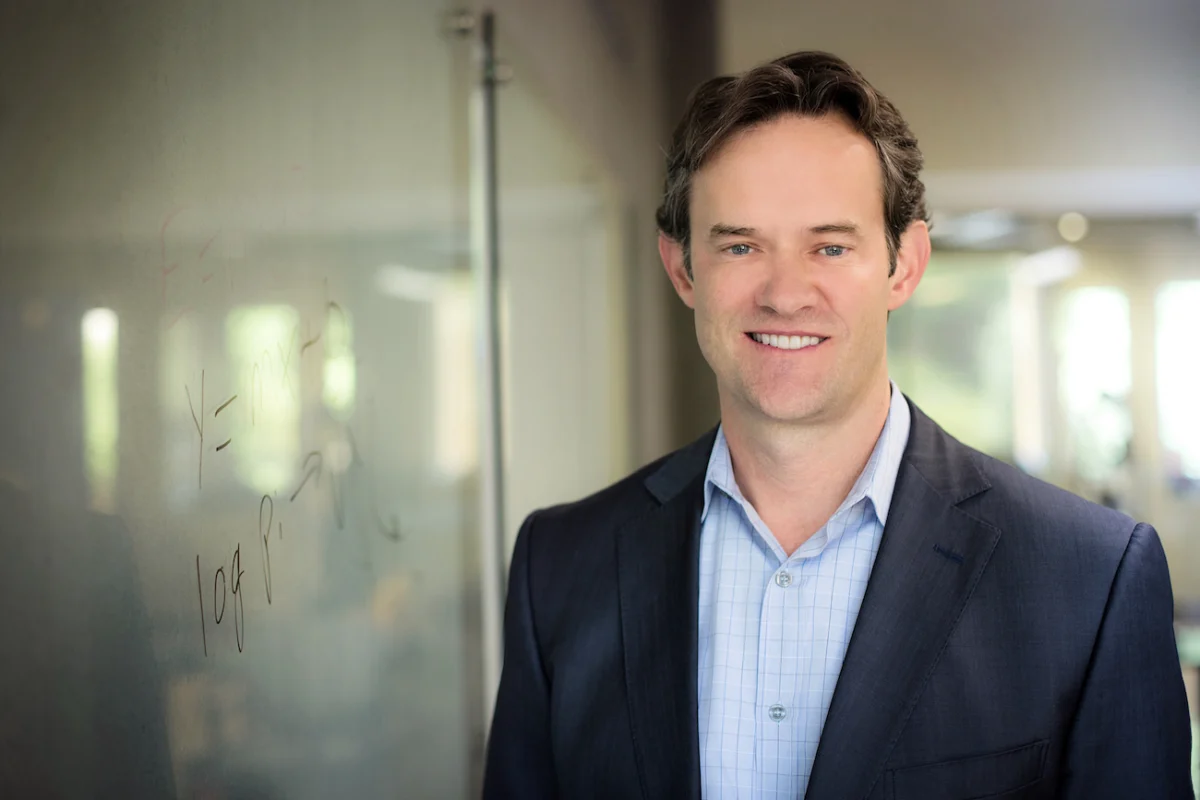
Current standard-of-care treatments for AKs include destructive methods like cryosurgery (freezing the lesions), photodynamic therapy (using light-activated drugs), and topical agents such as 5-fluorouracil (5-FU, marketed as Efudex or Carac) and imiquimod. While these therapies boast high efficacy rates in clearing lesions, their utility is often undermined by severe local skin reactions. Patients frequently report intense erythema, dryness, burning, pain, erosion, and swelling at the application sites. Dr. Frederick Beddingfield III, CEO of Rubedo Life Sciences and a dermatologist with extensive clinical experience, vividly describes the reaction to topical 5-FU as "extreme," likening it to a "CO2 laser treatment, or a blowtorch treatment." The official FDA label for 0.5% fluorouracil cream explicitly warns that treated areas may appear "unsightly" during and after therapy, a significant deterrent for many.
Rubedo’s Breakthrough: RLS-1496’s Preliminary Efficacy and Tolerability
In a pivotal development, Rubedo Life Sciences announced positive preliminary data for RLS-1496 in an ongoing Phase 1b/2a study targeting actinic keratosis. The open-label trial evaluated 18 of an eventual 24 patients, revealing a significant 46% reduction in AK lesion count at four weeks. This was markedly superior to the 11% reduction observed on the untreated contralateral forearm, indicating a clear therapeutic effect. Crucially, the study reported no serious adverse events and, perhaps more remarkably, no discontinuations directly attributable to side effects. This finding stands in stark contrast to the experience with existing therapies and represents a critical step forward in addressing the tolerability gap.
The drug, described as a selective modulator of glutathione peroxidase 4 (GPX4), is designed to operate via a novel mechanism, differentiating it fundamentally from the cytotoxic or immune-modulating actions of conventional treatments. This distinction is paramount, as it suggests a path to efficacy without the severe inflammatory responses that plague current options.
The Patient’s Plight: Why Current Therapies Fall Short
The severe local reactions associated with existing AK treatments are not merely uncomfortable; they are a primary driver of poor patient adherence, a critical issue that compromises treatment effectiveness and increases the risk of AK progression. Dermatologists frequently educate patients that "if you don’t get irritation you won’t get improvement," a statement that, while medically accurate for current drugs, inadvertently frames discomfort as a prerequisite for success. This often leads to patients prematurely discontinuing therapy.
Empirical data consistently supports this observation. A 2023 study involving 113 patients undergoing topical AK therapies found that nearly half were non-adherent, with only about a third using their medication precisely as directed. For 5-FU, which can achieve approximately a 90% reduction in lesion counts in some studies, the intensity of irritation is directly correlated with early cessation. Even within controlled trial environments, non-adherence remains a challenge; a large Dutch trial on field-directed therapies reported 12% of patients discontinuing treatment prematurely. Furthermore, a separate 2023 study explored the reasons why patients refused a second course of 5-FU, concluding that the physical and psychological burden of side effects was often significant enough to outweigh their concern about the precancerous lesions themselves.
Dr. Beddingfield underscores the cyclical nature of the problem: "These patients are in your office constantly, because even if you clear the AKs, they come back. So there’s a compliance issue, a tolerability issue, an appearance issue, and a lot of room for improvement." The preliminary data for RLS-1496, showing efficacy without irritation, thus represents a potential "break in the cycle," promising a far more patient-friendly and potentially more effective long-term solution.
Understanding Actinic Keratosis: A Precursor to Skin Cancer
Actinic keratosis develops as a direct consequence of prolonged exposure to ultraviolet (UV) radiation from sunlight or tanning beds. UV radiation damages the DNA of skin cells, particularly keratinocytes in the epidermis, leading to abnormal growth and differentiation. Over time, these damaged cells can accumulate, forming the characteristic rough, scaly, or crusty patches. AKs are typically found on sun-exposed areas such as the face, scalp, ears, neck, hands, and forearms.
While most AKs remain benign, their potential to evolve into invasive squamous cell carcinoma makes their identification and treatment paramount in dermatological practice. The risk factors for AKs include fair skin, a history of significant sun exposure, older age, and immunosuppression. Effective treatment not only clears existing lesions but also aims to prevent the development of future skin cancers. The challenge has always been to find a treatment that is both highly effective and well-tolerated enough for patients to adhere to consistently, especially given the chronic and recurrent nature of sun damage.
Mechanism of Action: A Novel Approach to Cellular Health
Rubedo’s RLS-1496 is distinguished by its unique mechanism of action, which targets specific pathways related to cellular aging and stress. Unlike traditional cytotoxic agents that broadly destroy rapidly dividing cells or immunomodulators that recruit the immune system to clear abnormal cells, RLS-1496 selectively modulates glutathione peroxidase 4 (GPX4). GPX4 is a selenoenzyme that plays a crucial role in protecting cells from ferroptosis, an iron-dependent form of programmed cell death characterized by the accumulation of lipid peroxides.
Rubedo’s hypothesis, which Dr. Beddingfield terms "Nietzschean biology" – "What doesn’t kill you makes you stronger, but at the cellular level, not the person level" – suggests a nuanced, dual-action mechanism. By briefly inhibiting GPX4, RLS-1496 is believed to:
- Induce Ferroptosis in Senescent Cells: Senescent cells are "zombie cells" that have ceased dividing but remain metabolically active, secreting pro-inflammatory molecules that contribute to aging and disease. These cells are already stressed and vulnerable. Rubedo posits that by transiently inhibiting GPX4, RLS-1496 pushes these already compromised senescent cells into ferroptosis, effectively clearing them from the tissue. This targeted removal of senescent cells is a core strategy in the burgeoning field of longevity medicine, where compounds known as senolytics are being explored for their potential to reverse aspects of aging.
- Mount an Adaptive Response in Healthy, Aged Cells: Conversely, cells that are merely aged but still functional, and not yet senescent, interpret the same GPX4 inhibition as a mild, transient stressor. This stress response triggers adaptive mechanisms, strengthening their resilience and potentially improving their function. This aspect aligns with the concept of senomorphics, which aim to rejuvenate or improve the function of aged cells without necessarily killing them.
This two-pronged approach holds the promise of not only clearing existing AK lesions (likely by eliminating senescent cells contributing to the lesions) but also improving the overall health and resilience of sun-damaged skin.
Beyond Treatment: The Promise of Skin Rejuvenation
One of the most exciting implications of RLS-1496, if confirmed by further data, is its potential to act as "almost a regenerative treatment for the skin, potentially preventing future actinic keratoses or skin cancers," according to Dr. Beddingfield. He envisions a scenario where the drug could "essentially turn back the clock on the sun damage most of us did in our teens."
The preliminary results announced so far focus exclusively on AK lesion counts. However, the trial was also specifically designed to assess whether RLS-1496 could improve the underlying sun-damaged skin that gives rise to AKs. The readout for these crucial skin-aging measurements, which would provide objective evidence of whether the drug can indeed rejuvenate damaged skin, is eagerly anticipated and expected within weeks. Should these data align with the regenerative hypothesis, RLS-1496 could emerge as a groundbreaking therapy that not only treats precancerous lesions but also addresses the root cause of skin aging and damage, offering a truly proactive approach to skin health.
Rubedo Life Sciences: Pioneers in Longevity and AI
Rubedo Life Sciences positions itself at the intersection of artificial intelligence and longevity research. The company leverages advanced AI platforms to identify and develop novel compounds that selectively target senescent cells or modulate aging pathways. This approach allows for the systematic screening of vast chemical libraries and the prediction of drug candidates with high specificity and reduced off-target effects, a critical advantage in developing therapies that can distinguish between healthy and dysfunctional cells.
The pursuit of longevity-focused therapies, particularly those targeting cellular senescence, has gained significant momentum in recent years. Researchers and biotech companies are increasingly exploring interventions that can slow, halt, or even reverse aspects of the aging process, with the potential to prevent or treat a wide range of age-related diseases, from neurodegeneration to cardiovascular conditions and, notably, cancer. Rubedo’s RLS-1496 is a prime example of this innovative frontier, aiming to translate fundamental insights into aging biology into tangible clinical benefits.
The Road Ahead: Clinical Development and Future Prospects
Following the encouraging preliminary Phase 1b/2a results, Rubedo Life Sciences is poised to advance RLS-1496 into further clinical development. A Phase 2b dose-ranging AK study is scheduled to commence in Q4 2026. This next stage will be crucial for optimizing the drug’s dosage, further confirming its efficacy across a larger patient cohort, and gathering more extensive safety data.
Assuming successful outcomes in Phase 2b and subsequent Phase 3 trials, RLS-1496 could potentially reach the market several years down the line, offering a significant improvement over existing treatments. The journey through clinical trials is rigorous, demanding consistent demonstration of safety and efficacy across diverse populations. However, the initial signal of high tolerability coupled with efficacy provides a strong foundation for continued development. The upcoming readout on skin-aging measurements will also be a critical milestone, shaping the broader narrative and potential applications of the drug.
Broader Implications for Dermatology and Anti-Aging Medicine
The potential approval of a drug like RLS-1496 could have profound implications across several domains:
- Dermatology Treatment Paradigm: It could usher in a new era of AK management, prioritizing patient comfort and adherence without compromising efficacy. This could lead to better long-term outcomes, reduced rates of AK progression to SCC, and a decrease in healthcare costs associated with managing advanced skin cancers.
- Patient Quality of Life: For millions of individuals, the prospect of treating precancerous lesions without the debilitating side effects of current therapies would represent a significant enhancement to their quality of life, fostering greater compliance and proactive skin health management.
- Longevity and Regenerative Medicine: RLS-1496’s dual potential to clear existing lesions and rejuvenate sun-damaged skin places it firmly within the emerging field of regenerative and anti-aging medicine. Success in this area could validate the broader approach of targeting senescent cells for therapeutic benefit, opening doors for similar strategies in other age-related conditions.
- Market Impact: The global market for actinic keratosis treatments is substantial, driven by an aging population and increasing awareness of sun protection. A well-tolerated, highly effective drug with regenerative properties would likely capture a significant market share, potentially disrupting existing treatment modalities and stimulating further innovation in dermatological drug development.
Expert and Patient Perspectives
While official statements from related parties are not yet available, the dermatological community has long expressed the need for more tolerable and patient-friendly AK treatments. Professional organizations like the American Academy of Dermatology have consistently highlighted the challenges of adherence and the impact of side effects on patient care. Patient advocacy groups, similarly, frequently champion innovations that improve the patient experience. The preliminary results from Rubedo Life Sciences are likely to be met with considerable interest and optimism from both clinicians eager for better tools and patients yearning for less arduous treatment options.
The vision articulated by Dr. Beddingfield – of a treatment that not only addresses the immediate lesion but also "turns back the clock" on underlying sun damage – resonates deeply with both the medical community’s preventive goals and the public’s desire for effective anti-aging solutions. If Rubedo’s RLS-1496 can fulfill this promise in subsequent clinical trials, it could indeed represent a monumental leap forward in dermatological care, offering a gentler yet more comprehensive approach to managing actinic keratosis and fostering healthier skin for years to come.