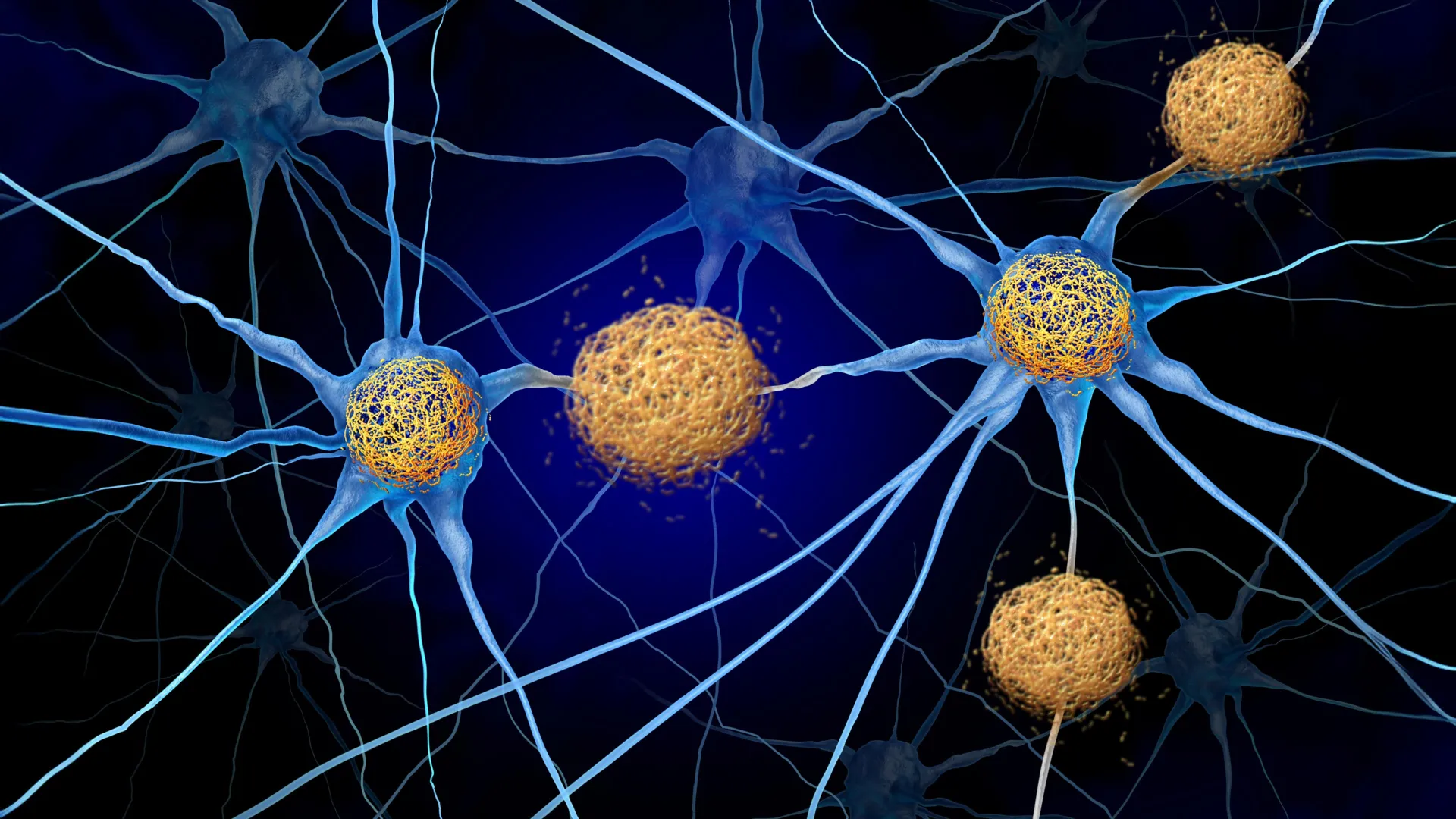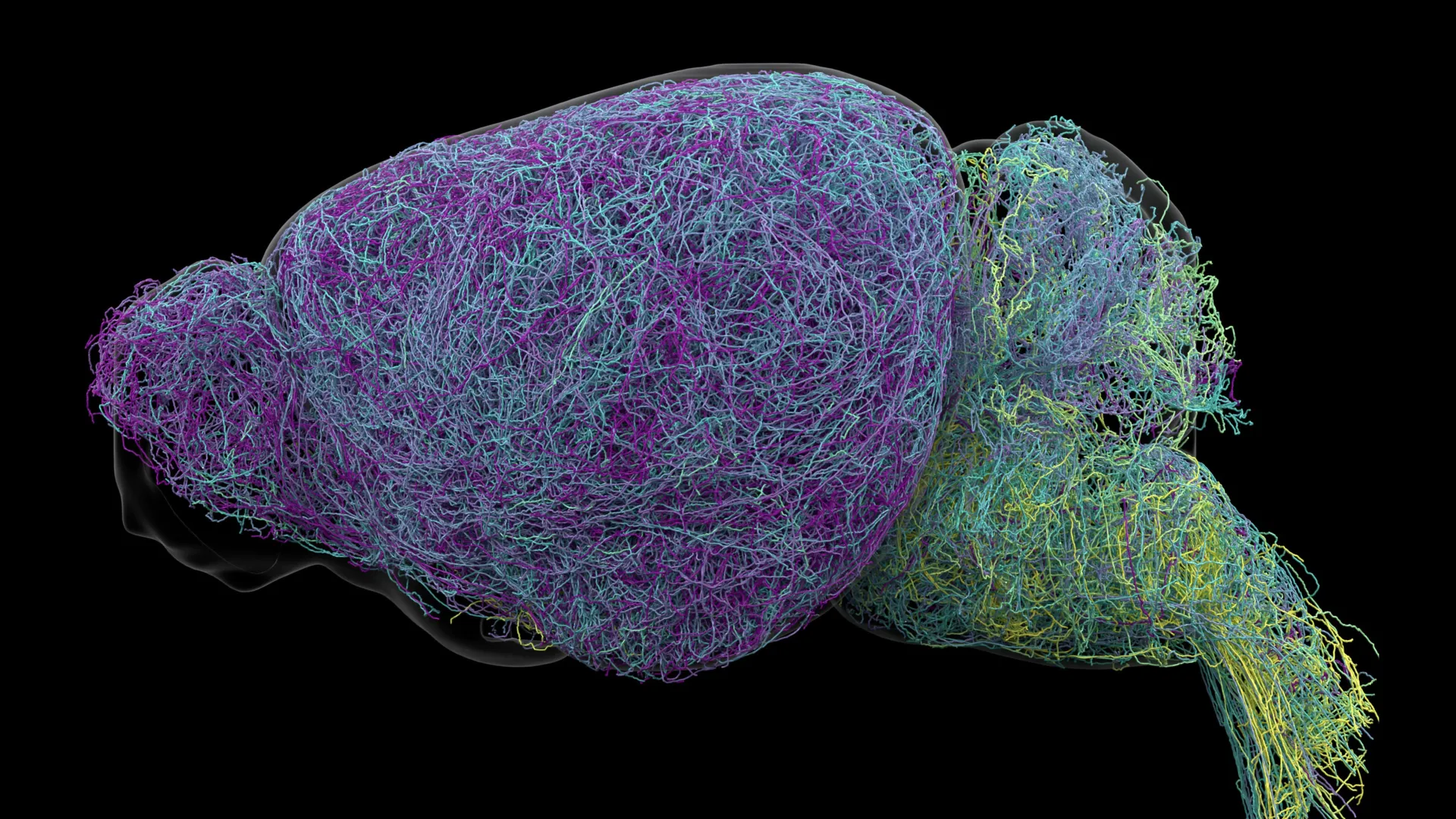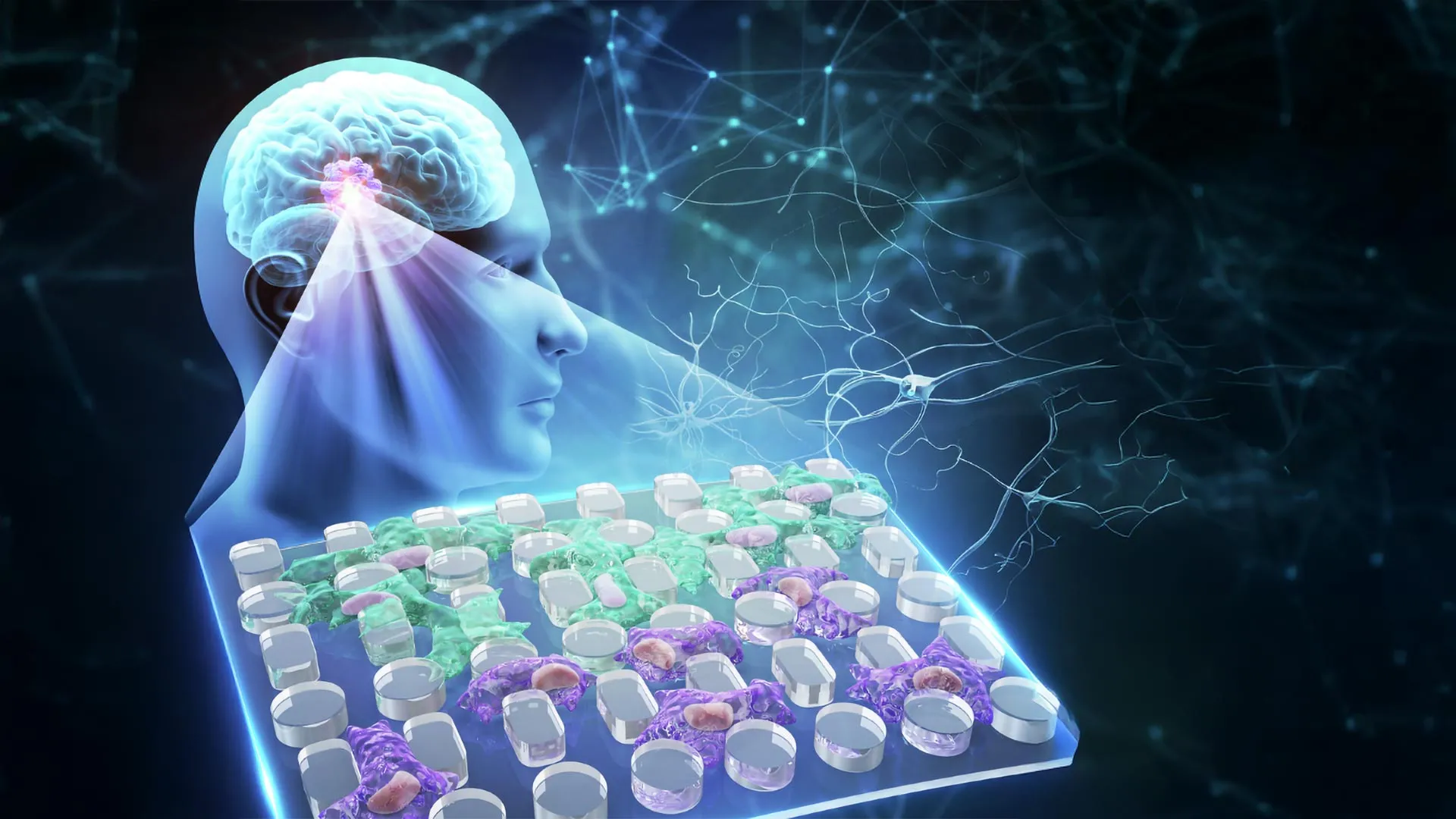
A groundbreaking study led by researchers at University College Cork (UCC) has revealed that the regular consumption of high-fat and high-sugar foods during childhood can lead to permanent alterations in brain function, specifically within the regions responsible for appetite regulation and feeding behavior. These neurological shifts, identified by scientists at APC Microbiome Ireland, appear to persist well into adulthood, even if dietary habits later improve and body weight returns to a healthy range. The research further suggests that the gut microbiome plays a pivotal role in this process, offering a potential therapeutic pathway through the use of specific probiotic bacteria and prebiotic fibers to mitigate the long-term damage caused by poor early-life nutrition.
The Hidden Impact of Early-Life Nutrition on the Brain
The study, published in the prestigious journal Nature Communications, highlights a critical developmental window during which the brain is particularly susceptible to nutritional influences. Utilizing a preclinical model, the research team observed that exposure to a "Western-style" diet—characterized by high caloric density and low nutritional value—during the early stages of life led to a significant disruption of the hypothalamus. The hypothalamus serves as the brain’s central command center for energy homeostasis, regulating sensations of hunger and satiety.
The findings indicate that these dietary-induced changes are not merely temporary physiological responses to overeating. Instead, they represent a fundamental rewiring of the neural pathways that govern how an individual interacts with food. Even after the subjects were transitioned to a balanced, nutritious diet and achieved a standard body mass index (BMI), the "memory" of the high-fat, high-sugar intake remained embedded in their neurological architecture. This suggests that the struggle with overeating in adulthood may often be rooted in biological changes established during the first decade of life.
The Modern Food Environment and Pediatric Health Trends
The implications of the UCC study arrive at a time of mounting global concern regarding childhood obesity and the ubiquity of ultra-processed foods. According to the World Health Organization (WHO), the number of children and adolescents aged 5 to 19 who are overweight or obese has risen dramatically, from 4% in 1975 to over 18% in recent years. This trend is driven by an environment where sugary and fatty foods are not only easily accessible but are aggressively marketed to younger demographics.
In modern society, highly processed foods have become deeply integrated into the fabric of childhood. From school cafeterias and sports events to birthday parties and reward systems for academic achievement, children are frequently exposed to hyper-palatable foods that overstimulate the brain’s reward centers. Dr. Cristina Cuesta-Martí, the first author of the study, noted that these early exposures shape food preferences in a way that is often invisible. "Early dietary exposure may leave hidden, long-term effects on feeding behavior that are not immediately visible through weight alone," she stated, emphasizing that a child who appears to be at a healthy weight may still be experiencing neurological changes that predispose them to obesity later in life.
The Role of the Gut-Brain Axis and Microbiota
A central component of the UCC research involved investigating the gut-brain axis—the bidirectional communication network between the gastrointestinal tract and the central nervous system. The researchers sought to determine if the damage caused by an unhealthy childhood diet could be reversed or mitigated by targeting the gut microbiome.
The team tested the efficacy of a specific beneficial bacterial strain, Bifidobacterium longum APC1472, alongside a combination of prebiotic fibers known as fructo-oligosaccharides (FOS) and galacto-oligosaccharides (GOS). These prebiotics are naturally occurring in various plant-based foods, such as garlic, leeks, onions, asparagus, and bananas, and are also available as concentrated supplements or additives in fortified food products.
The results were significant. The introduction of Bifidobacterium longum APC1472 was found to improve feeding behaviors by targeting specific pathways in the brain. Unlike broad-spectrum interventions, this probiotic strain appeared to have a highly specialized effect, causing only minor shifts in the overall microbiome while yielding substantial improvements in appetite control. Conversely, the prebiotic fiber combination (FOS+GOS) fostered a more extensive diversification of the gut microbiota, suggesting that a multi-faceted approach involving both probiotics and prebiotics may be the most effective strategy for restoring metabolic health.
Scientific Methodology and International Collaboration
The study was a multi-year effort involving a diverse cohort of international experts. Led by investigators at UCC’s APC Microbiome Ireland, the project included significant contributions from the University of Seville in Spain, the University of Gothenburg in Sweden, and the Teagasc Food Research Centre in Fermoy, Ireland.
To simulate the human experience of early-life nutrition, researchers used a mouse model where subjects were provided with a diet mirroring the high-fat, high-sugar intake common in Western societies. The study tracked the subjects from their juvenile stages through to adulthood, monitoring behavioral patterns, metabolic markers, and neurological structure. By using advanced sequencing and imaging techniques, the team was able to pinpoint the exact disruptions in the hypothalamus and correlate them with the composition of the gut microbiome.
Funding for this extensive research was provided by Research Ireland, the Government of Ireland Postgraduate Scholarship program, and a research award from the Biostime Institute for Nutrition & Care (BINC). This level of investment underscores the growing recognition of the microbiome as a critical frontier in public health and preventative medicine.
Institutional Reactions and Expert Perspectives
The research has drawn praise from the scientific community for its potential to transform pediatric nutritional guidelines. Dr. Harriet Schellekens, the lead investigator of the study, emphasized the preventative potential of these findings. "Crucially, our findings show that targeting the gut microbiota can mitigate the long-term effects of an unhealthy early-life diet on later feeding behavior," Dr. Schellekens said. "Supporting the gut microbiota from birth helps maintain healthier food-related behaviors into later life."
Professor John F. Cryan, Vice President for Research & Innovation at UCC and a renowned expert in the field of the gut-brain axis, highlighted the societal importance of the work. "Studies like this exemplify how fundamental research can lead to potential innovative solutions for major societal challenges," Professor Cryan remarked. "By revealing how early-life diet shapes brain pathways involved in the regulation of feeding, this work opens new opportunities for microbiota-based interventions."
These statements reflect a broader shift in the medical community toward "precision nutrition"—the idea that dietary recommendations should account for an individual’s microbiome and developmental history.
Broader Implications for Public Policy and Parenting
The discovery that early-life diet causes lasting brain changes has profound implications for public health policy and food industry regulation. If the "wiring" for obesity is established in childhood, then reactive measures—such as adult dieting or weight-loss medications—may be addressing the symptoms rather than the underlying neurological cause.
- Educational Reform: There is a growing call for more rigorous nutritional education in schools, focusing not just on calories, but on the importance of fiber and fermented foods that support a healthy microbiome.
- Food Marketing Restrictions: The study provides scientific evidence that could be used to support stricter regulations on the marketing of high-sugar and high-fat foods to children, similar to regulations governing tobacco or alcohol.
- Early Intervention: Pediatricians may eventually incorporate microbiome screening or the prescription of specific probiotics as part of routine wellness checks for children at risk of metabolic disorders.
- Socioeconomic Considerations: The accessibility of prebiotics and probiotics is often limited by cost and geography. This research highlights the need for policies that make fresh, fiber-rich foods more affordable in "food deserts" where processed foods are currently the primary source of nutrition.
Conclusion: A New Paradigm for Lifelong Health
The University College Cork study serves as a stark reminder that the dietary choices made during childhood have consequences that extend far beyond the immediate years of growth. By identifying the hypothalamus as a site of lasting change and the gut microbiome as a potential site of repair, the research offers both a warning and a roadmap.
While the "Western diet" continues to pose a significant challenge to global health, the ability to intervene through microbiota-based therapies provides a glimmer of hope. As science continues to unravel the complexities of the gut-brain axis, the focus of public health is likely to shift toward the first decade of life, ensuring that the foundation for the brain’s appetite control systems is built on nutrition rather than convenience. The message for parents, educators, and policymakers is clear: what children eat today will define the biological reality of their health tomorrow.