Researchers at Tampere University in Finland have engineered a groundbreaking 3D-printed ceramic implant material designed to closely emulate the intricate structure and function of natural human bone. This significant advancement promises to revolutionize the field of personalized bone regeneration, potentially providing more effective, safer, and accessible treatment options for a wide array of bone defects. The findings represent a pivotal step towards overcoming the inherent limitations of conventional bone grafting procedures, which have long presented challenges for both patients and healthcare systems worldwide.
Bone grafting stands as the second most frequently performed tissue transplantation procedure globally, with an estimated two million operations conducted annually. This immense volume underscores the critical and persistent need for effective solutions to bone loss, whether caused by trauma, disease, or surgical interventions. Current standard treatments predominantly rely on autografts, which involve harvesting bone tissue from the patient’s own body, or allografts, utilizing bone from a donor. While these methods have been foundational in reconstructive surgery, they are fraught with significant drawbacks. Autografts often lead to donor site morbidity, necessitating additional surgery, incurring prolonged recovery times, and introducing risks of pain, infection, and nerve damage at the harvest site. Furthermore, the quantity of available autograft material is inherently limited. Allografts, while circumventing the need for a second surgical site on the patient, carry risks of immune rejection and potential disease transmission, and their availability can also be constrained. As global populations age and the incidence of degenerative bone conditions and traumatic injuries rises, the urgency for safer, more efficient, and readily available alternatives has intensified dramatically.
The pioneering research, spearheaded by Dr. Antonia Ressler, a Postdoctoral Research Fellow at the Tampere Institute for Advanced Study, centers on the strategic utilization of hydroxyapatite. This calcium phosphate mineral is not merely a component but the principal inorganic constituent that forms the mineral structure of natural bone, granting it its characteristic rigidity and strength. By leveraging this innate biological material, Dr. Ressler’s team has successfully fabricated bone-like scaffolds. These intricately designed structures are not inert fillers but active platforms engineered to foster and support the body’s intrinsic capacity for tissue regeneration, encouraging osteointegration and the formation of new bone tissue within and around the implant.
"By using the same material that nature uses and shaping it through ceramic 3D printing, the implants can be precisely tailored to match a patient’s individual bone defect, without relying on drugs or growth factors that may cause side effects," explained Dr. Ressler. This statement highlights a key advantage of the Tampere approach: its biomimetic nature and independence from supplementary pharmaceutical agents, which can introduce complexities and undesirable side effects in the healing process. The ability to precisely tailor each implant to the unique anatomical requirements of a patient represents a significant leap forward in personalized medicine, moving away from a one-size-fits-all approach to bone repair.
The development of this novel technology is the culmination of four years of intensive research under the auspices of the AffordBoneS project, generously funded by the prestigious Horizon Europe Marie Skłodowska-Curie Postdoctoral Fellowship programme. This European Union initiative is renowned for supporting high-potential research and fostering innovation across various scientific disciplines. The success of AffordBoneS has paved the way for an ongoing successor project, GlassBoneS, which aims to further refine and develop this promising technology. The overarching objective of the research team is to make these advanced scaffolds affordable and widely accessible for bone augmentation procedures, thereby enabling broader patient access to cutting-edge treatments and significantly enhancing their quality of life. The researchers express optimism that "individually designed bone grafts available within a decade" could become a reality, transforming clinical practice in orthopedics and maxillofacial surgery.
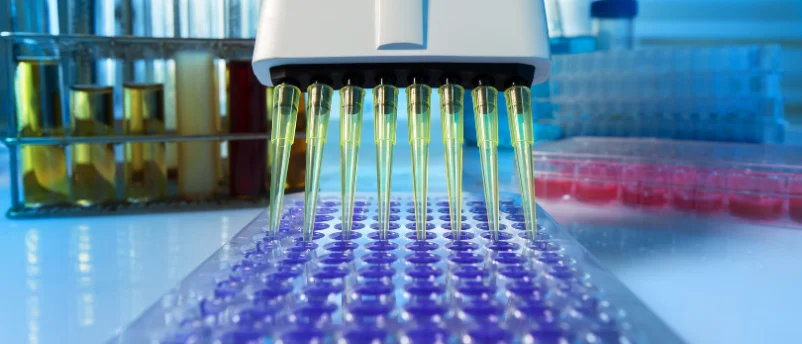
A critical aspect of the Tampere University breakthrough lies in the sophisticated manufacturing technique employed: ceramic 3D printing. This advanced method empowers researchers with unprecedented control over the internal architecture of the scaffolds. Unlike traditional manufacturing, 3D printing allows for the precise manipulation of microstructural features, including the size, distribution, and connectivity of pores within the material. These internal channels are vital, as they facilitate the infiltration of host cells, blood vessels, and nutrient-rich fluids into the implant, which are essential for initiating and sustaining the bone regeneration process.

Through meticulous experimentation, the research team identified an optimal bone-like structure for their implants. This ideal architecture features carefully designed internal pores measuring approximately 400 micrometres in diameter, coupled with an overall porosity of about 45%. Dr. Ressler elaborated on the significance of these parameters: "This architecture achieved a crucial balance between strength and biological performance, allowing bone-forming cells to enter the material, interact with one another and successfully begin forming new bone tissue." This delicate equilibrium ensures that the implant possesses sufficient mechanical integrity to withstand physiological loads while simultaneously providing an conducive environment for osteoblasts (bone-forming cells) to proliferate, differentiate, and deposit new bone matrix.
Beyond the structural considerations, the team also delved into the subtle yet profound influence of material chemistry and surface properties on cellular behavior. Their investigations revealed that the high temperatures inherent in the ceramic processing stage could inadvertently alter the surface characteristics of the material. These alterations, in turn, were found to impede the attachment and integration of human cells, posing a potential hurdle for successful regeneration. "We found that the high temperatures required during processing can alter the surface of the material in ways that make it more difficult for human cells to attach. Our finding highlights that not only the composition, but also the surface properties of biomaterials are critical for successful bone regeneration," Dr. Ressler noted. This observation underscores the complexity of designing biocompatible materials and emphasizes that a holistic understanding of material science, encompassing both bulk and surface characteristics, is paramount for optimizing regenerative outcomes. This particular discovery represents a crucial insight that will guide future development efforts, ensuring that subsequent iterations of the implants are not only structurally sound but also biologically receptive.
The work conducted by Dr. Ressler and her collaborators stands out as one of the first systematic studies globally to comprehensively design, 3D print, and evaluate bone-mimicking ceramic scaffolds. This rigorous, multi-faceted approach provides a robust foundation for the future clinical translation of this technology into personalized medicine. The implications extend far beyond academic research, promising to deliver tangible benefits to patients suffering from a wide range of conditions, from traumatic fractures and tumor resections to congenital defects and degenerative bone diseases like osteoporosis.
The broader impact of this research aligns perfectly with the evolving paradigm of precision medicine, where treatments are increasingly tailored to the individual characteristics of each patient. By offering implants that are not only biocompatible but also anatomically precise, the Tampere University team is setting a new standard for reconstructive surgery. The potential economic benefits are also substantial. By reducing the need for repeat surgeries, minimizing complications, and shortening recovery periods, these advanced implants could significantly lower healthcare costs associated with bone defect management. Moreover, the enhanced quality of life for patients – experiencing less pain, faster mobility restoration, and improved long-term outcomes – is immeasurable.
This development also intersects with other concurrent advancements in bone research, such as the recent mapping of sensory neurons in bone. A first-ever comprehensive single-cell atlas of bone-innervating sensory neurons has revealed their dual role in both reporting and actively participating in the repair of bone damage. This parallel research provides a potential target for novel drug therapies aimed at enhancing bone healing, illustrating the multifaceted nature of bone regeneration research. While distinct, such findings highlight the growing understanding of bone’s complex biology and the potential for synergistic approaches combining advanced materials with targeted biological interventions. The Tampere team’s ceramic scaffolds, by providing an ideal physical and chemical environment, could potentially act as superior platforms for integrating such biological cues, further accelerating and optimizing the healing process.
Looking ahead, the successful progression from the AffordBoneS project to GlassBoneS signifies a clear roadmap for further development and eventual clinical implementation. The emphasis on affordability is particularly noteworthy, indicating a commitment to equitable access to advanced medical technologies, rather than limiting them to a select few. The vision of "individually designed bone grafts available within a decade" is not merely aspirational but appears increasingly attainable, driven by sustained research efforts and strategic funding. This innovation from Tampere University is poised to profoundly reshape orthopedic and maxillofacial surgery, offering a future where bone defects are repaired with unprecedented precision, efficacy, and patient comfort.