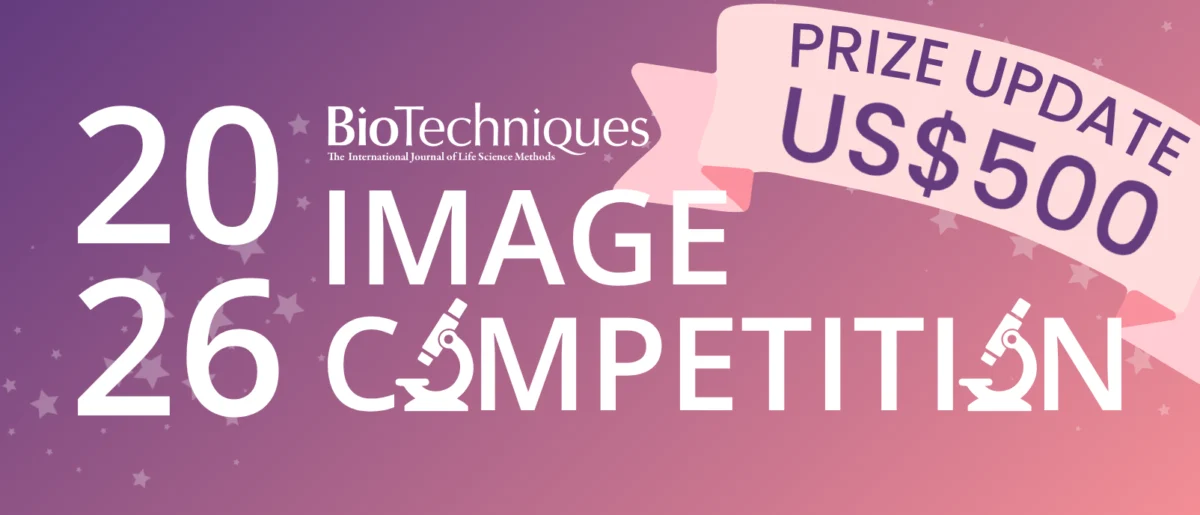
BioTechniques, a prominent journal in life science methods and applications, has officially launched its 2026 Image Competition, inviting researchers and scientists worldwide to showcase the intersection of scientific discovery and artistic expression. The annual contest, which celebrates the inherent creativity within scientific innovation, has seen a significant update, with the submission deadline now extended to August 7, 2026, at 18:00 BST (13:00 EDT/10:00 PDT). Complementing this extension, the competition’s grand prize has been substantially increased to a US$500 gift card, reflecting BioTechniques‘ amplified commitment to recognizing outstanding contributions in scientific visualization.
The competition serves as a vital platform for researchers to transform complex scientific data and observations into compelling visual narratives. Each year, the submissions underscore the profound truth that creativity is not merely an aesthetic pursuit but a fundamental component of scientific advancement. These images, ranging from intricate microscopic structures to expansive ecological findings, not only document research but also inspire new perspectives and facilitate deeper understanding across the scientific community and beyond. The call for entries is now open, encouraging scientists to submit up to ten original images that illuminate their life-science research. Prospective entrants are urged to visit the official BioTechniques website to complete the entry form and participate in this prestigious event.
A Legacy of Visual Excellence and Innovation
The BioTechniques Image Competition has established itself as a cornerstone event, consistently drawing attention to the power of visual communication in science. The competition’s history is punctuated by images that have graced journal covers and captivated audiences, embodying the blend of scientific rigor and artistic flair. The 2025 competition, for instance, saw Bruno Cisterna’s remarkable image, "Human neurons reprogrammed from skin cells," take pride of place on the BioTechniques journal cover. This winning entry exemplified the profound potential of scientific imaging to convey groundbreaking research with clarity and aesthetic appeal, offering a tangible benchmark for aspiring participants. Such examples serve as potent inspiration, demonstrating how a single image can encapsulate years of dedicated research and inspire countless others. The journal frequently highlights previous finalists and winners, providing a rich gallery of diverse imaging styles and scientific subjects for those seeking creative impetus. The top 10 finalists from the 2025 competition remain accessible on the BioTechniques website, showcasing the breadth and depth of talent within the life sciences.
Expanded Prize and Entry Incentives
The announcement of an enhanced prize of a US$500 gift card signifies a deliberate effort by BioTechniques to elevate the competition’s profile and reward participants more substantially. This prize increase was part of a strategic relaunch of the competition. Initially launched on May 5, 2026, with a US$200 gift card, the organizers swiftly recognized the opportunity to further incentivize participation and acknowledge the exceptional quality of submissions. The decision to increase the prize to US$500 ensures that all entrants, including those who submitted their work between the initial launch date and the relaunch, are eligible for the more generous reward, underscoring the organizers’ commitment to fairness and participant value. This strategic enhancement is expected to attract an even wider array of high-quality submissions, further enriching the competition’s pool of visual talent.
Submission Guidelines and Technical Specifications

Participants are invited to submit images derived from any aspect of their life-science research. This broad scope encourages diverse entries, from the intricate cellular landscapes observed through advanced microscopy to broader ecological observations captured in the field. A crucial aspect of the submission process is the requirement for entrants to provide a detailed explanation of the methods used to capture their images. This emphasis on methodology is not merely a procedural step but a core tenet of the competition, designed to highlight the sophisticated imaging techniques and rigorous research practices that underpin the creation of informative, creative, and insightful images. This transparency fosters scientific learning and promotes advancement by sharing best practices in visual documentation.
To ensure optimal quality for judging and potential publication, images must meet specific technical standards. Each submission should be a minimum of 300dpi and saved as a JPEG or JPG file. Entrants must be prepared to supply a high-resolution version suitable for enlargement and printing should their image be selected. For exceptionally large files, transfer via services like WeTransfer may be requested by the BioTechniques team. Adherence to a specific file naming convention—’PhotographerInitialsImage#.jpeg’—is also mandatory, alongside a clear image title and sufficient contextual information, ensuring proper attribution and organization throughout the judging process. Each entrant is permitted to submit up to ten images free of charge, with judging conducted on an individual image basis, not as a series.
Defining "Image" and "Illustration" in Scientific Context
To provide clarity for participants, BioTechniques has established precise definitions for acceptable submissions:
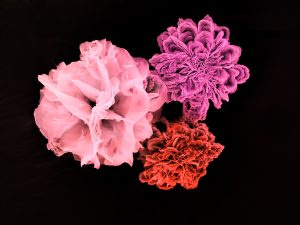
- Image: A photograph that adheres to the competition’s requirements, captured using any type of camera or microscope. Crucially, if an image has been edited or processed, a detailed explanation of all modifications must be provided. An exemplary "Image" is David Talens-Perales’ "Petit bouquet," a submission from the 2023 competition, demonstrating the clarity and scientific integrity expected.
- Illustration: Defined as a digital composition, excluding hand-drawn elements, that fulfills competition criteria. Illustrations represent an artistic interpretation of a classic scientific image but must incorporate at least one photographic image. Similar to standard images, illustrations necessitate a thorough explanation of their creation process, including how the original scientific image was edited or processed. Furthermore, contributors must own the copyright for all original images used and cite their sources where applicable. An example of an "Illustration" is a heavily edited version of Talens-Perales’ original scientific image, showcasing the creative liberties permissible while maintaining a scientific foundation. These clear definitions help ensure submissions align with the competition’s vision for both scientific accuracy and artistic interpretation.
Comprehensive Rules and Ethical Considerations
Participation in the BioTechniques Image Competition implies acceptance of the Competition Rules and Informa’s general Terms and Conditions. The competition is free to enter and open to all members of the public, reflecting an inclusive approach to scientific engagement. All entries must be submitted by the extended deadline of August 7, 2026, 18:00 BST. BioTechniques assures participants that all personal information collected during registration will be handled in strict accordance with its Privacy Policy.
A critical requirement for entry is the submission of a completed and signed copyright form to [email protected], with an option to upload it directly via the entry form. Submissions will only be considered valid once this form has been received by the BioTechniques team. This measure protects intellectual property rights and ensures appropriate permissions for potential use. Participants are explicitly reminded that only original images should be submitted; entries that have previously won any image competition or have been resubmitted to BioTechniques‘ past competitions will not be considered. This policy upholds the integrity and novelty of the entries.
Ethical guidelines are rigorously enforced. BioTechniques reserves the right to disqualify any entry that fails to comply with the stipulated requirements. Participants warrant that they are the sole owner and author of each submitted entry and possess the full right to make their entry available to the competition. Entries must not contain any infringing, threatening, false, misleading, abusive, harassing, libelous, defamatory, vulgar, obscene, scandalous, inflammatory, pornographic, or profane content. Furthermore, submissions must not infringe upon the copyrights, trademarks, contract rights, or any other intellectual property rights of any third party, nor violate any person’s rights of privacy or publicity. Images captured in public spaces do not require releases from background individuals or subjects.
Judging Process and Public Recognition
Following the submission deadline, a distinguished panel of judges will meticulously review all entries to select a shortlist of up to ten outstanding photographs. The ultimate winner will then be determined through a public vote, fostering broader engagement and allowing the scientific community and public alike to weigh in on the aesthetic and scientific merit of the finalists. The winner is slated to be announced in early August 2026, following the conclusion of the public voting phase. The decision of the judging committee is final, and no negotiation regarding their selections will be entertained, ensuring a fair and impartial process.
Broader Impact and Advancing Scientific Discourse
The BioTechniques Image Competition extends beyond a mere contest; it is an initiative that significantly contributes to the advancement of scientific communication. By encouraging researchers to hone their visual storytelling skills, the competition helps bridge the gap between complex scientific concepts and broader understanding. High-quality scientific images are indispensable tools for education, peer review, grant applications, and public outreach. They serve as universal languages, capable of conveying information across linguistic and cultural barriers.
Moreover, the competition aligns with contemporary efforts to enhance reproducibility and transparency in scientific imaging. BioTechniques actively provides additional guidance for reporting details related to microscopy images, referencing seminal works such as Montero Llopis et al. (2021) and Schmied et al. (2023). These resources offer frameworks for meticulous documentation of imaging parameters, crucial for validating results and enabling replication by other researchers. The inclusion of the "MicCheck tool," an interactive checklist generator for microscopy image details, further underscores BioTechniques‘ commitment to promoting rigorous and comprehensive reporting standards in visual science. This proactive approach not only elevates the quality of competition entries but also contributes to raising the overall standards of imaging science within the global research community.
All entrants understand and agree that any image submitted to the competition may be utilized by BioTechniques and its partners for marketing and promotional purposes. Participants grant Taylor & Francis, the parent company of BioTechniques, a non-exclusive, irrevocable license to use each entry across all media for purposes connected to the promotion of the author, BioTechniques, Taylor & Francis and its entities, and the BioTechniques Image Competition. Furthermore, winners agree to participate in related publicity and to the use of their name and likeness for advertising, promotion, and publicity without additional compensation. This ensures that the impactful visuals and the talent behind them receive widespread recognition, inspiring future generations of scientists and artists alike. The 2026 BioTechniques Image Competition stands as a testament to the journal’s enduring dedication to celebrating the creativity, innovation, and vital role of visual communication in the life sciences.