

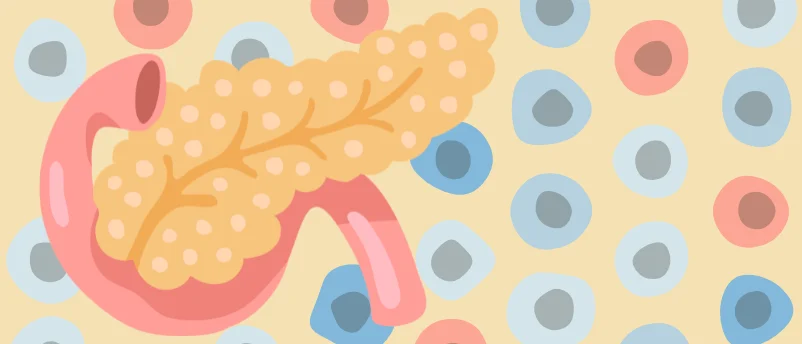
Scientists at the forefront of regenerative medicine, based at the esteemed Karolinska Institutet and KTH Royal Institute of Technology in Stockholm, Sweden, have unveiled a groundbreaking method for generating insulin-producing cells from human stem cell lines. This innovative approach has demonstrated the ability to reverse diabetes in laboratory mice, offering a powerful beacon of hope for individuals living with type 1 diabetes and potentially overcoming significant obstacles encountered by existing therapeutic strategies. The research marks a critical step forward in the quest for a functional cure, moving beyond the daily management of symptoms to address the root cause of the autoimmune condition.
Understanding the Landscape of Type 1 Diabetes and Current Challenges
Type 1 diabetes (T1D) is a chronic autoimmune disease affecting millions worldwide. In this debilitating condition, the body’s immune system mistakenly attacks and destroys the insulin-producing beta cells located within the pancreatic islets. Without these vital cells, the body is unable to produce insulin, a hormone essential for regulating blood glucose levels. This results in persistently high blood sugar, which, if left uncontrolled, can lead to severe long-term complications, including heart disease, kidney failure, nerve damage, blindness, and even limb amputations.
Globally, T1D affects an estimated 8.7 million people, with incidence rates continuing to rise, particularly among children and adolescents. In Europe alone, over 140,000 new cases are diagnosed annually. The daily reality for individuals with T1D involves a rigorous regimen of insulin injections or pump therapy, continuous glucose monitoring, and careful dietary management to maintain stable blood sugar levels. Despite advancements in insulin delivery systems and glucose monitoring technologies, achieving perfect glycemic control remains a constant challenge, often leading to a delicate balance between the risks of dangerously low blood sugar (hypoglycemia) and the long-term damage caused by high blood sugar (hyperglycemia).
For decades, pancreatic islet transplantation from cadaveric donors has offered a potential path to insulin independence. However, this option is severely limited by a critical shortage of donor organs, the need for lifelong immunosuppressive drugs to prevent rejection, and the often transient nature of islet function. These limitations underscore the urgent need for alternative, scalable, and safer therapeutic solutions.
The Promise and Hurdles of Stem Cell Therapy for Type 1 Diabetes
The advent of human pluripotent stem cells (hPSCs), including embryonic stem cells (ESCs) and induced pluripotent stem cells (iPSCs), revolutionized the field of regenerative medicine. Their unique ability to differentiate into virtually any cell type in the body presented a compelling opportunity to generate an unlimited supply of insulin-producing beta cells for transplantation. Early research showed immense promise, with scientists successfully guiding hPSCs to differentiate into cells resembling pancreatic islet cells.
However, translating this promise into a viable clinical treatment has been fraught with challenges. Existing protocols for generating pancreatic islets from hPSCs often resulted in cells with suboptimal maturity, meaning they didn’t function as effectively as native beta cells. These cells also frequently exhibited reduced glucose sensitivity, failing to produce adequate insulin in response to varying blood glucose levels. Furthermore, a significant hurdle has been the heterogeneity of cell cultures, often containing a mixture of desired endocrine cells alongside undesirable non-endocrine cells. The presence of these non-endocrine cells has been associated with a potential risk of cyst or tumor formation after transplantation, raising safety concerns and hindering clinical progress. Several clinical trials are currently underway globally, exploring different stem cell-derived islet therapies, yet these foundational issues remain central to their success.
A Novel Protocol for High-Quality Islet Generation
Addressing these critical limitations, the research team from Karolinska Institutet and KTH Royal Institute of Technology has developed an innovative and robust strategy that consistently generates functional stem cell-derived pancreatic islets with high purity and glucose responsiveness. Their optimized protocol represents a significant leap forward in the field, meticulously refined to enhance the quality and safety of the therapeutic cells.
The refined process begins with the differentiation of hPSCs into endocrine progenitor cells. This crucial initial step is performed on a specialized substrate called 2D laminin-521, which provides an optimal environment for cell growth and differentiation. A key optimization in this protocol involves shortening the preceding pancreatic progenitor stage. This seemingly subtle alteration has a profound impact, accelerating the developmental timeline and potentially guiding the cells towards a more mature and functional state more efficiently.
Following the initial differentiation, the endocrine progenitors are then allowed to spontaneously aggregate. This self-assembly process is vital, as it facilitates the natural removal of proliferative and non-endocrine cells, effectively enriching the culture for the desired insulin-producing cells. This spontaneous aggregation mimics aspects of natural islet formation, contributing to the physiological relevance of the generated cells.
The final stage involves culturing these aggregated cells in a 3D suspension. This three-dimensional environment further promotes the maturation and organization of the cells into functional islets. The result is a population of cells with robust glucose responsiveness and exceptionally high endocrine purity, minimizing the risks associated with contaminating non-endocrine cells. This multi-stage optimization ensures that the produced islets are not only capable of insulin production but also possess the intricate regulatory mechanisms required to respond dynamically to fluctuating blood glucose levels.
Rigorous Validation: From Lab Bench to Living Organisms
To validate the efficacy and safety of their novel protocol, the research team conducted a series of comprehensive tests, both in vitro (in the lab) and in vivo (in living organisms). The protocol’s consistency was a primary focus, and it was successfully applied across eight different hPSC lines, encompassing both embryonic stem cell lines (HS980, H1, H9, and KARO1) and induced pluripotent stem cell lines (C7, C9, C12, and C14). This broad testing confirms the general applicability and reliability of the method, an essential factor for future clinical translation where patient-specific or diverse cell sources might be used.
In vitro analyses provided critical insights into the identity and function of the generated cells. Flow cytometry, a technique used to analyze cell populations, confirmed that the islets contained appropriate proportions of both insulin-producing beta cells and glucagon-producing alpha cells, mimicking the natural composition of pancreatic islets. Glucose-stimulated insulin secretion assays, which measure how much insulin cells release in response to different glucose concentrations, demonstrated strong glucose responsiveness across all tested lines, with particularly robust performance observed in HS980, H1, and H9 lines. This indicates that the cells are not only capable of producing insulin but also of regulating its release dynamically, a crucial characteristic for effective glycemic control. Furthermore, single-cell RNA sequencing, a high-resolution technique that provides a molecular snapshot of individual cells, definitively showed that the generated cells were remarkably free of non-endocrine cell populations, addressing a major safety concern of previous approaches.

The true test of the therapy’s potential came with in vivo experiments. The researchers transplanted the stem cell-derived islets into the anterior chamber of the eyes of diabetic mice. This unique transplantation site was chosen strategically due to its transparency and accessibility, allowing for non-invasive, long-term monitoring of the transplanted cells through the cornea. For six months following transplantation, the researchers meticulously monitored the blood glucose levels of the mice.
The results were compelling: within three months of transplantation, the hyperglycemia (high blood sugar) characteristic of diabetes was completely reversed in the treated mice. By five to six months, their blood glucose levels had stabilized, even falling slightly below the levels observed before diabetes was induced, indicating robust and sustained glycemic control. Intraperitoneal glucose tolerance tests, performed at three, four, and six months post-transplantation, further confirmed the progressive improvement in the mice’s ability to handle glucose over time. These collective findings unequivocally demonstrate that the stem cell-derived islets generated by this new protocol can effectively restore normal glycemic control, positioning them as highly promising candidates for future cell therapy in type 1 diabetes.
Expert Perspectives and Future Trajectories
The researchers behind this significant advancement expressed optimism regarding the implications of their work. Per-Olof Berggren, the corresponding author from Karolinska Institutet, summarized the achievement, stating, "We have developed a method that reliably produces high-quality insulin-producing cells from multiple human stem cell lines. This opens up opportunities for future patient-specific cell therapies, which could reduce immune rejection." This emphasis on reliability and quality across diverse stem cell lines is crucial for scalability and personalized medicine, where cells derived from a patient’s own iPSCs could potentially bypass the need for immunosuppression.
Fredrik Lanner, the last author of the paper, echoed this sentiment, highlighting the problem-solving nature of their research. "This could solve several of the problems that have previously hindered the development of stem cell-based treatments for type 1 diabetes. Building on this, we will work towards clinical translation aiming at treating [the condition]," Lanner affirmed. This commitment to moving the research from the laboratory to human patients underscores the tangible hope this discovery offers.
The broader scientific and medical community is likely to greet these findings with considerable excitement. Patient advocacy groups, representing millions affected by T1D, will view this as a significant step towards a life free from the burdens of daily insulin management and the constant threat of complications. Clinicians, who daily witness the challenges faced by their T1D patients, will see the potential for a transformative treatment that could fundamentally alter the disease’s prognosis.
Broader Implications and The Road Ahead
The successful demonstration of a highly pure, functional, and glucose-responsive stem cell-derived islet product in animal models marks a pivotal moment. The implications extend far beyond the immediate reversal of hyperglycemia in mice.
Clinical Translation: The immediate next steps will involve further pre-clinical studies, focusing on long-term safety, optimal dosage, and potential immune responses in more complex models. The journey from animal studies to human clinical trials is typically a lengthy and rigorously regulated process, often spanning several years. However, the robustness and purity demonstrated in this study could potentially accelerate this timeline. If successful in human trials, this therapy could eventually offer a functional cure for type 1 diabetes, freeing patients from daily insulin injections and significantly improving their quality of life.
Addressing Immunorejection: The potential to use patient-specific induced pluripotent stem cells (iPSCs) is a game-changer for immune rejection. By deriving stem cells from a patient’s own body, differentiating them into insulin-producing cells, and transplanting them back, the need for lifelong immunosuppressive drugs could be drastically reduced or even eliminated. This would be a massive advantage over cadaveric islet transplantation. For allogeneic (non-patient-specific) applications, researchers may explore encapsulation devices that protect the transplanted cells from the immune system while allowing insulin release and nutrient exchange, or co-transplantation with immunomodulatory cells.
Economic and Healthcare Impact: The long-term economic benefits of a functional cure for T1D would be substantial. The costs associated with insulin, glucose monitoring supplies, and managing the chronic complications of diabetes (kidney dialysis, cardiovascular treatments, vision care, amputations) represent an enormous healthcare burden globally. A curative therapy could significantly reduce these expenditures, shifting the focus from lifelong disease management to prevention and early intervention.
Integration with Other Technologies: The field of diabetes research is dynamic, with multiple avenues being explored. This includes "smart insulin" formulations, advanced closed-loop insulin delivery systems (artificial pancreas), and even gene therapy approaches. This stem cell therapy could potentially be integrated with or complemented by other emerging technologies. For instance, the original article mentions "Bionic biology: incorporating electrically conductive mesh into lab-grown pancreatic tissue," suggesting that electrical stimulation can prompt pancreatic cells to mature. Future research might explore combining this novel stem cell differentiation protocol with such bioengineering techniques to further enhance islet maturation, function, or longevity post-transplantation. This highlights the interdisciplinary nature of modern medical breakthroughs.
Ethical Considerations: While the use of iPSCs mitigates some of the ethical concerns associated with embryonic stem cells, ongoing discussions within bioethics will continue to ensure responsible development and application of such advanced therapies.
In conclusion, the meticulous work by researchers at Karolinska Institutet and KTH Royal Institute of Technology represents a monumental stride in the battle against type 1 diabetes. By developing a protocol that reliably generates high-quality, functional, insulin-producing cells from human stem cell lines, they have not only reversed diabetes in animal models but also laid a robust foundation for future clinical trials. This innovation brings the promise of a life-changing, potentially curative, therapy closer to reality for millions worldwide.











Leave a Reply