

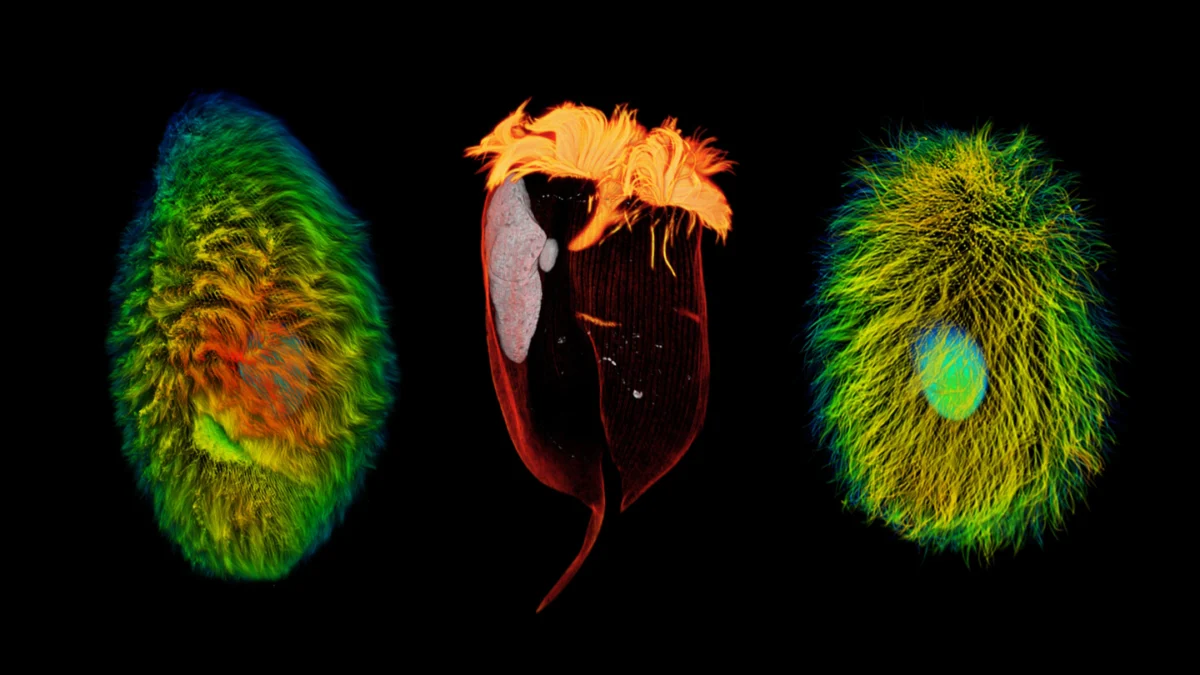
A groundbreaking discovery within the complex microbial ecosystem of a cow’s rumen has unveiled a novel organelle, tentatively named the "hydrogenobody," which researchers believe plays a pivotal role in the production of methane, a potent greenhouse gas. This finding, published on April 30th in the prestigious journal Science, could pave the way for innovative strategies to mitigate agricultural methane emissions. The research, conducted by scientists in China, not only identifies this unique cellular component but also provides a comprehensive catalog of ciliate species inhabiting the bovine digestive tract, shedding light on their understudied contribution to the ruminant digestive process.
Unveiling the Hydrogenobody: A Methane Catalyst
The rumen, the first of four stomach compartments in cud-chewing animals like cattle, is a bustling fermentation vat where complex plant material is broken down by a diverse community of microorganisms. Among these are single-celled protozoa known as ciliates, which constitute approximately a quarter of the microbial population and are crucial for plant fiber digestion. While the collective impact of these ciliates on methane production has been acknowledged, the precise mechanisms have remained elusive until now.
The newly identified hydrogenobody resides within these ciliate protozoa. Unlike the well-known hydrogenosomes found in other microorganisms, which are typically double-membraned organelles related to mitochondria and are involved in energy production, hydrogenobodies possess a single membrane. These novel organelles are strategically located at the base of the cilia – the short, hair-like appendages that ciliates use for locomotion and feeding. Crucially, the hydrogenobody is responsible for generating hydrogen gas. This hydrogen, in turn, acts as a stimulant for archaea, another group of microbes in the rumen, to produce methane through a process known as methanogenesis.
Dr. Chuanqi Jiang, lead author of the study and a researcher at the Institute of Hydrobiology, Chinese Academy of Sciences, explained the significance of their findings: "For a long time, we’ve understood that hydrogen produced by certain microbes in the rumen can drive methane production by archaea. However, pinpointing the exact source of this hydrogen within the ciliate population has been a persistent challenge. The discovery of the hydrogenobody provides a clear cellular mechanism, revealing a direct link between ciliate activity and methane generation."
A Comprehensive Catalog of Rumen Ciliates
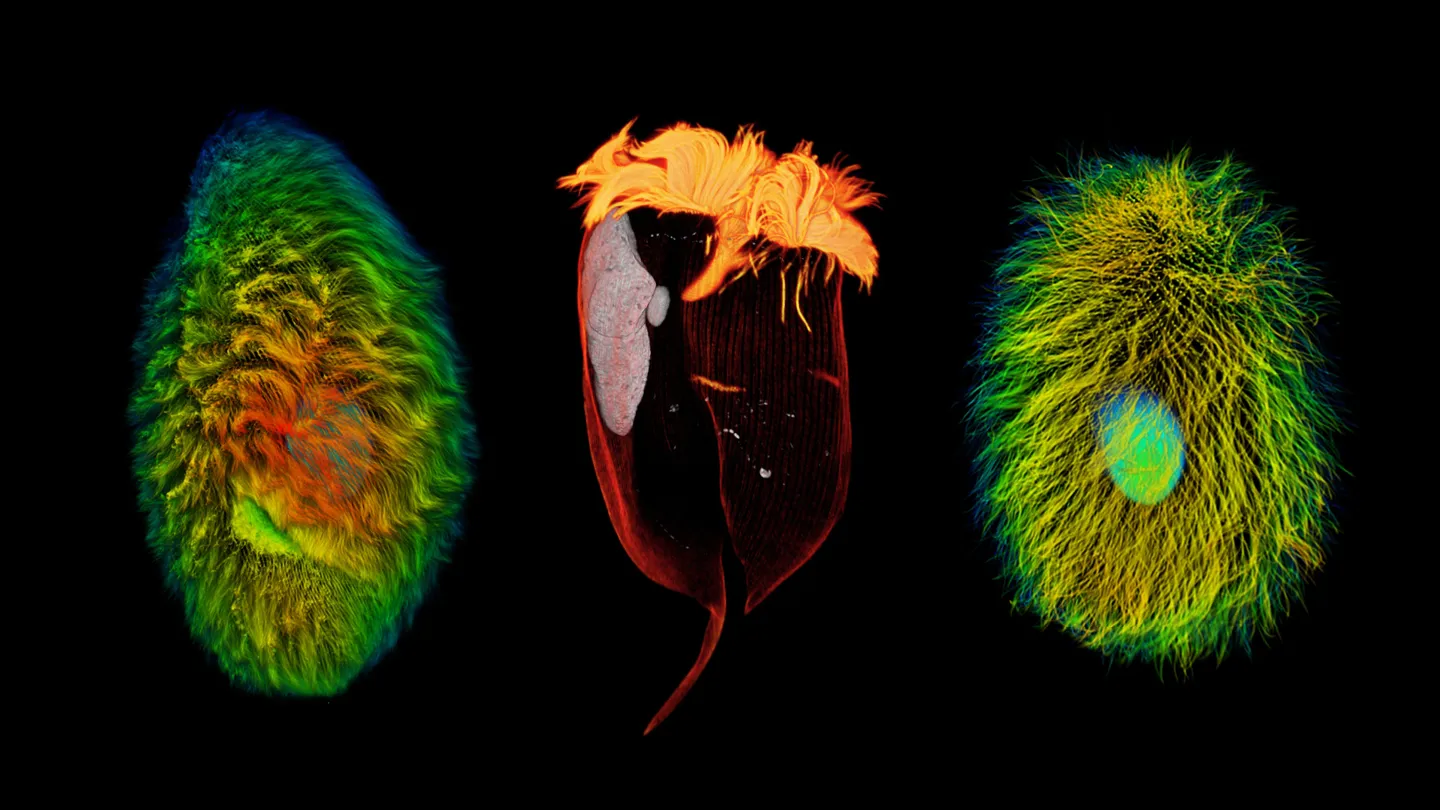
Beyond the discovery of the hydrogenobody, the research team undertook an ambitious project to genetically characterize the ciliate inhabitants of the bovine rumen. By meticulously isolating individual ciliate cells, a critical step to overcome the inherent challenges of their complex and often contaminated genetic material, they successfully cataloged the DNA of 65 distinct ciliate species. Of these, an impressive 45 had never had their DNA sequenced before. This extensive catalog categorizes these ciliates into major evolutionary groups, including Vestibuliferida, Entodiniomorphida, and an unclassified family, offering a valuable resource for future research in ruminant microbiology.
The study observed that ciliates within the Vestibuliferida family, characterized by their particularly dense covering of cilia, appear to be more prolific hydrogen producers due to their higher number of hydrogenobodies. Consequently, these species are associated with greater methane production by the rumen ecosystem. In contrast, Entodiniomorphida ciliates, which tend to have their cilia concentrated in specific areas of the cell, exhibit a less pronounced impact on methane generation.
Implications for Methane Emission Reduction
The agricultural sector is a significant contributor to global methane emissions, with ruminant livestock accounting for approximately 30% of these emissions. Methane is a greenhouse gas with a warming potential over 25 times greater than carbon dioxide over a 100-year period, making its reduction a critical climate imperative. Understanding the biological processes that drive methane production in cattle is therefore paramount.
The identification of the hydrogenobody and its role in stimulating methanogenesis opens up new avenues for intervention. If strategies can be developed to specifically target and reduce the populations of high-hydrogen-producing ciliate species, such as the Vestibuliferida, it could lead to a substantial decrease in methane emissions from cattle without negatively impacting the animals’ digestive efficiency or overall health.
Dr. Ivan ÄŒepiÄka, a protistologist at Charles University in Prague, who was not involved in the study, commented on the significance of the findings: "Ciliates are often overlooked in rumen research, despite their substantial contribution to the microbial community. This comprehensive catalog and the discovery of the hydrogenobody are major advancements. It provides us with the molecular tools to understand ciliate diversity and function in much greater detail, which is essential for developing targeted interventions."
Challenges and Future Directions
While the discovery is a significant leap forward, implementing practical solutions for methane reduction faces considerable challenges. Previous attempts to broadly eliminate ciliate protozoa from the rumen have often resulted in a decline in milk and meat production, indicating that these microbes, despite their role in methane production, are also vital for efficient digestion.
Todd Callaway, a microbiologist and ruminant nutritionist at the University of Georgia, who has extensively studied rumen microbes and methane emissions, noted the delicate balance required. "The key here is specificity," Callaway stated. "Simply wiping out all protozoa isn’t the answer, as it harms productivity. This new understanding of the hydrogenobody and the differences between ciliate species offers the potential to develop more nuanced approaches. If we can selectively reduce the populations of ciliates that are major hydrogen producers without compromising the overall health and efficiency of the rumen, we could achieve significant methane reductions."
The logistical hurdles of implementing such targeted interventions are also considerable. Callaway highlighted the extreme measures required to maintain a ciliate-free rumen, involving strict isolation, sterilized feed, and significant buffer zones to prevent contamination, underscoring the difficulty of managing ciliate populations.
However, the scientific community is optimistic about the long-term implications. "This is a crucial first step, the foundation upon which future research and applications will be built," Callaway added. "It’s likely a long road, perhaps involving 25 or more steps, but this discovery provides a clear direction and a valuable target for developing the next generation of methane mitigation strategies."
A Deeper Understanding of Ruminant Digestion
The research also sheds light on the complex interplay within the rumen. The study observed a correlation between the abundance of ciliates in cattle and the levels of methane-producing archaea, reinforcing the idea that ciliates directly influence the methanogenic activity in the rumen. This finding is particularly relevant for researchers like Rainer Roehe at Scotland’s Rural College, who investigates how an animal’s genetic makeup influences the rumen microbiome. Understanding these interactions can lead to breeding programs that promote a rumen environment naturally conducive to lower methane emissions.
The genetic sequencing of such a diverse array of ciliates also addresses a long-standing challenge in microbial research. The repetitive nature of ciliate DNA and their propensity for horizontal gene transfer (exchanging genetic material with other organisms) have historically made it difficult to accurately identify and analyze their genomes. The Chinese research team’s success in isolating single cells for genomic analysis demonstrates a significant methodological advancement, enabling a more accurate and untainted view of ciliate genetics.
Historical Context and Future Outlook
The journey to understanding rumen microbiology has been a gradual process, with early research focusing on the broader microbial communities. The role of protozoa, particularly ciliates, began to gain more attention in the latter half of the 20th century as their importance in fiber digestion became clearer. However, their intricate biology and the technical difficulties in studying them meant that many aspects, such as their direct contribution to specific metabolic pathways like hydrogen production, remained subjects of ongoing investigation.
This latest discovery, culminating in the identification of the hydrogenobody, represents a significant milestone in this long-standing scientific endeavor. It not only adds a new cellular organelle to the known repertoire of life but also provides a tangible target for mitigating the environmental impact of livestock farming.
The implications extend beyond cattle, potentially influencing strategies for other ruminant animals like sheep, goats, and deer, which also contribute to agricultural methane emissions. As research progresses, the focus will likely shift towards developing methods to either inhibit the function of hydrogenobodies, reduce the populations of specific ciliate species that harbor them, or enhance the activity of microbes that consume hydrogen without producing methane.
In conclusion, the identification of the hydrogenobody in rumen ciliates marks a pivotal moment in the study of ruminant digestion and its environmental consequences. This discovery offers a concrete biological mechanism driving methane production and provides a promising avenue for developing targeted, effective, and sustainable strategies to curb greenhouse gas emissions from livestock, contributing to global efforts in climate change mitigation. The comprehensive catalog of ciliate species further enriches our understanding of this vital microbial ecosystem, laying the groundwork for future breakthroughs in animal science and environmental sustainability.













Leave a Reply