

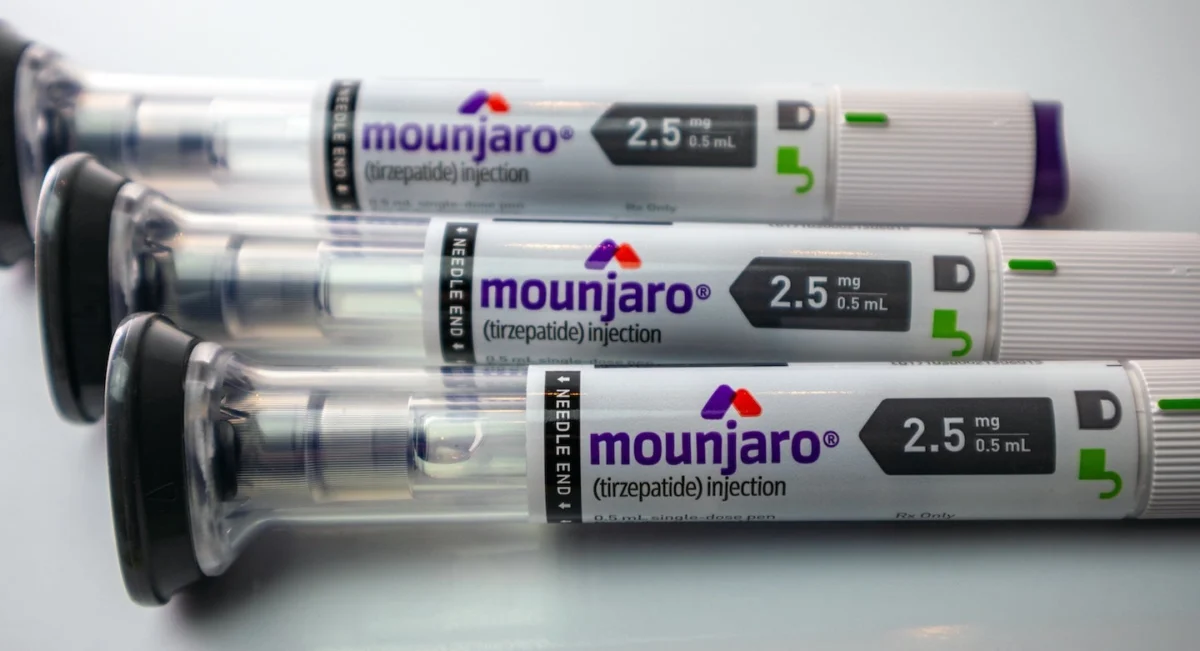
The burgeoning field of GLP-1 receptor agonists, celebrated for their transformative impact on obesity and type 2 diabetes (T2D) management, is now showing glimmers of potential utility in a distinct but related endocrine disorder: type 1 diabetes (T1D). A significant meta-analysis, unveiled at the 2026 European Congress on Obesity (ECO) in Istanbul, has shed light on the efficacy of tirzepatide, a dual GIP and GLP-1 agonist, when employed as an adjunct therapy to insulin in individuals with T1D. This comprehensive review meticulously examined the outcomes of several studies, offering a nuanced perspective on how this innovative class of drugs might contribute to better glycemic control and metabolic health in a population traditionally reliant on insulin.
Background: The Rise of GLP-1 Agonists and the Unmet Needs in T1D
The past decade has witnessed an unprecedented surge in the popularity and clinical adoption of glucagon-like peptide-1 (GLP-1) receptor agonists. Initially developed to improve glycemic control in patients with type 2 diabetes, these medications have demonstrated remarkable efficacy in promoting significant weight loss, a benefit that has propelled them to the forefront of obesity treatment. Drugs like semaglutide and liraglutide have become household names, not only for their therapeutic effects but also for their role in addressing the intertwined epidemics of obesity and T2D.
Type 1 diabetes, however, presents a fundamentally different pathophysiological landscape. It is an autoimmune disease characterized by the destruction of insulin-producing beta cells in the pancreas, necessitating lifelong insulin replacement therapy. While T1D patients do not inherently suffer from insulin resistance in the same way as those with T2D, a significant proportion also experience comorbidities such as obesity and metabolic dysfunction. Historically, the therapeutic arsenal for T1D has been limited to insulin regimens, continuous glucose monitoring (CGM), and an increasingly sophisticated understanding of carbohydrate counting and exercise physiology.
The effectiveness of GLP-1 agonists in conditions beyond T2D and obesity has remained an area of active investigation. The presentation of this meta-analysis at ECO 2026, a congress renowned for its focus on obesity and metabolic health, underscores the growing interest in exploring the broader applications of these potent incretin-based therapies. While it is widely acknowledged that GLP-1 and GIP agonists will not replace insulin as the cornerstone of T1D treatment, the possibility that they could serve as valuable adjuncts in specific patient subgroups has become a compelling area of research.
The Meta-Analysis: Unpacking the Data on Tirzepatide in T1D
The meta-analysis presented at ECO 2026 delved into six observational studies, each evaluating the impact of tirzepatide as an add-on therapy for patients with T1D who were already receiving insulin. The primary objectives of this review were to assess the drug’s effect on key metabolic indicators: glycated haemoglobin (HbA1c) and changes in body weight. Secondary endpoints provided further granular detail on the drug’s impact, including alterations in body mass index (BMI) and the total daily insulin dosage required by patients. Crucially, the study also leveraged continuous glucose monitoring (CGM) data to evaluate time in range (TIR), time above range (TAR), and time below range (TBR) – critical metrics for understanding real-time glucose fluctuations and the overall quality of glycemic control.
The findings from this rigorous review were noteworthy. In T1D patients who incorporated tirzepatide into their treatment regimen alongside insulin, a statistically significant reduction was observed in both HbA1c levels and body weight. The association of tirzepatide with weight loss is a well-established phenomenon across other patient populations, stemming from its effects on appetite regulation and satiety. However, the observed decrease in HbA1c in the T1D cohort warrants particular attention. HbA1c serves as a critical benchmark for long-term glycemic control, and any therapeutic intervention that can effectively lower this marker holds significant implications for reducing the risk of diabetes-related complications, such as retinopathy, nephropathy, and cardiovascular disease. The need for additional strategies to improve HbA1c in T1D patients is a constant pursuit within the diabetology community, and this meta-analysis suggests tirzepatide may offer a novel avenue.
Further examination of the secondary outcomes reinforced the multifaceted benefits observed. Total daily insulin usage was demonstrably reduced in patients receiving tirzepatide, indicating a potential improvement in insulin sensitivity or a reduction in the overall burden of insulin required to maintain glycemic targets. This finding is particularly significant, as it could translate into a reduced risk of hypoglycemia and improved patient adherence to treatment. Concurrently, BMI also decreased, likely a direct consequence of tirzepatide’s known effects on appetite suppression and enhanced feelings of fullness, which can lead to a spontaneous reduction in caloric intake.
The continuous glucose monitoring data provided an even more detailed picture of glycemic control. The meta-analysis revealed a significant increase in TIR, meaning patients spent a greater proportion of their time within the target blood glucose range. This was accompanied by a corresponding decrease in TAR, indicating less time spent with hyperglycemia, which is crucial for mitigating long-term complications. Interestingly, TBR, or time spent with hypoglycemia, also showed a slight increase in the treatment groups. While any increase in hypoglycemia warrants careful monitoring and management, the observed trend suggests a need for careful titration of insulin doses in conjunction with tirzepatide to optimize safety and efficacy.
Implications for Pharmaceutical Manufacturers and the T1D Market
The findings from this meta-analysis present a compelling case for potential label expansion for tirzepatide and other GIP/GLP-1 agonists into the T1D market. For pharmaceutical companies at the forefront of incretin-based therapy development, this could represent a significant opportunity to broaden their therapeutic reach. The established efficacy and safety profile of these drugs in T2D and obesity provide a strong foundation for exploring their utility in T1D.
However, a candid assessment of the market dynamics reveals strategic considerations that manufacturers will need to weigh. The patient population for T1D, while substantial, is considerably smaller than that for obesity or T2D. Furthermore, the fundamental difference in treatment paradigms means that tirzepatide would not be a standalone therapy for T1D patients, as it would be for many individuals with T2D or obesity. Insulin therapy would remain an indispensable component of care. This necessitates a careful evaluation of the potential market demand and return on investment. Companies may need to conduct extensive market research and economic modeling to determine the commercial viability of pursuing a T1D indication, especially given the substantial costs associated with clinical trials and regulatory submissions. The value proposition would likely hinge on demonstrating a clear clinical advantage and improved quality of life for T1D patients, beyond what is achievable with current insulin-centric approaches.
The Path Forward: The Crucial Role of Randomized Controlled Trials
While this meta-analysis, drawing upon observational data, provides compelling evidence for a potential link between tirzepatide and improved glucose control in T1D, it is crucial to acknowledge its inherent limitations. Observational studies, by their nature, cannot establish causality. Confounding factors and biases are more prevalent, and the data reflects real-world usage patterns rather than rigorously controlled experimental conditions.
Therefore, the next critical step in solidifying the role of tirzepatide in T1D management lies in the execution of robust, large-scale randomized controlled trials (RCTs). These trials are the gold standard for establishing causal relationships between an intervention and its outcomes. Future RCTs should be designed with specific endpoints in mind, building upon the framework provided by this meta-analysis. Key considerations for such trials would include:
- Patient Selection: Identifying specific T1D patient subgroups who are most likely to benefit from adjunct tirzepatide therapy, such as those with obesity, poor glycemic control, or high insulin requirements.
- Dosage and Titration: Establishing optimal tirzepatide dosages and carefully outlining insulin titration protocols to minimize the risk of hypoglycemia while maximizing therapeutic benefits.
- Long-Term Efficacy and Safety: Assessing the sustained impact of tirzepatide on HbA1c, body weight, and cardiovascular risk factors over extended periods. Comprehensive safety monitoring for adverse events, including gastrointestinal disturbances and hypoglycemia, will be paramount.
- Quality of Life Measures: Incorporating patient-reported outcomes to evaluate the impact of tirzepatide on overall well-being, treatment satisfaction, and the burden of diabetes management.
The decision for manufacturers to invest in pursuing label expansions for tirzepatide in the T1D market will ultimately be contingent upon the results of these future, definitive studies. The initial findings presented at ECO 2026 offer a promising glimpse into a potential new therapeutic frontier, but further rigorous scientific investigation is essential to translate this promise into tangible clinical benefits for individuals living with type 1 diabetes. The scientific community will be eagerly awaiting the outcomes of these prospective trials, which hold the potential to reshape the treatment paradigm for this lifelong condition.



















Leave a Reply