

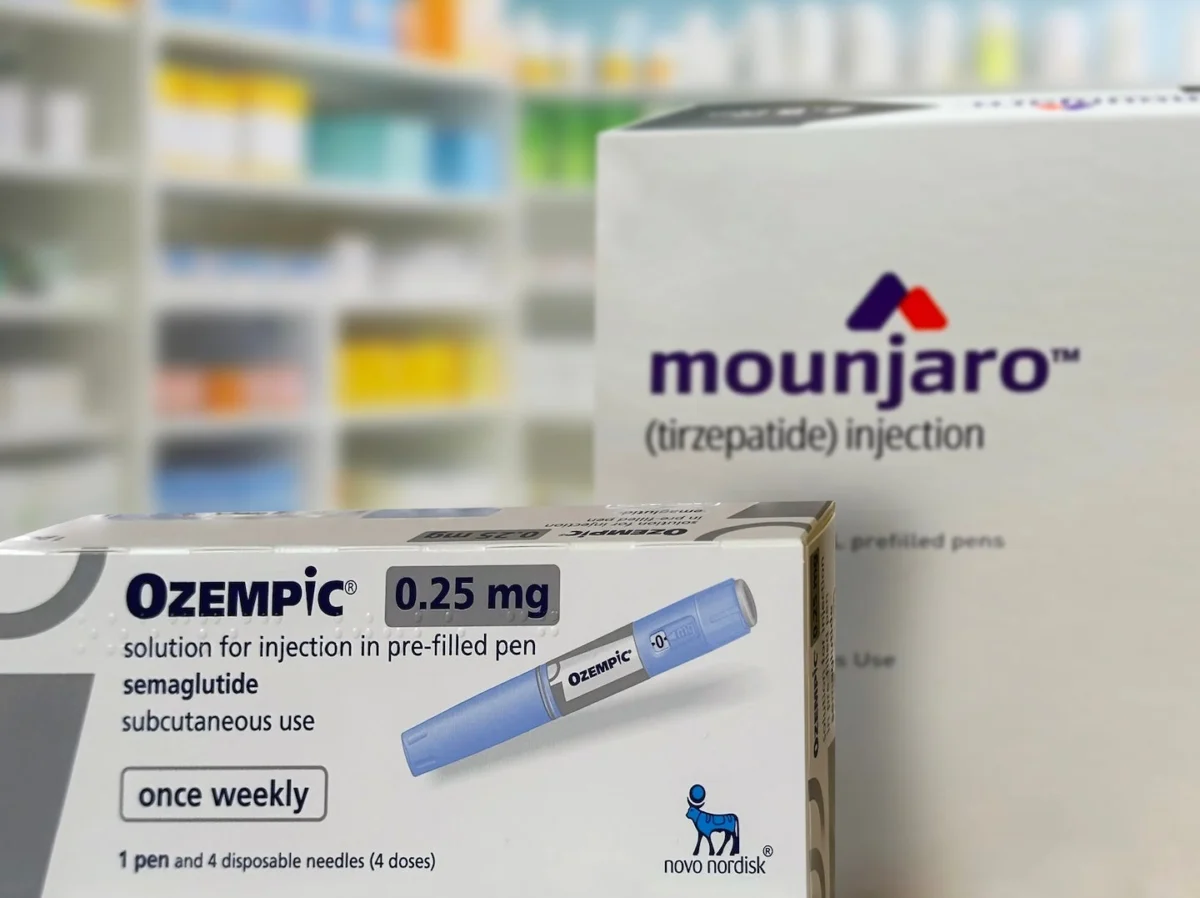
On May 13, 2024, at the 33rd European Congress on Obesity (ECO) held in Istanbul, Türkiye, groundbreaking Phase 3b trial results for Eli Lilly’s oral semaglutide candidate, orforglipron (marketed as Foundayo in some contexts), were unveiled. The ATTAIN-MAINTAIN trial (NCT06584916) provided compelling evidence that orforglipron can effectively help adults with obesity or overweight maintain substantial weight loss previously achieved with weekly injectable GLP-1 receptor agonists such as Wegovy (semaglutide) and Zepbound (tirzepatide). This pivotal study explored the feasibility and efficacy of transitioning patients from these established injectable therapies to a once-daily oral agent, addressing a critical need for sustainable weight management solutions.
Background: The Evolving Landscape of Obesity Treatment
The global burden of obesity continues to escalate, with a significant percentage of the adult population classified as overweight or obese. In recent years, the advent of GLP-1 receptor agonists has revolutionized the field, offering unprecedented efficacy in weight reduction. However, the long-term sustainability of this weight loss, particularly after discontinuation of treatment, remains a significant clinical challenge. Furthermore, the reliance on injectable formulations can present barriers to adherence for some patients, including needle phobia and the logistical complexities of regular injections. This context underscores the importance of the ATTAIN-MAINTAIN trial and the potential of an oral alternative like orforglipron to address these unmet needs. The European Congress on Obesity, a premier scientific gathering for researchers, clinicians, and policymakers, serves as a vital platform for disseminating cutting-edge research in obesity science.
ATTAIN-MAINTAIN Trial Design and Methodology
The ATTAIN-MAINTAIN trial was meticulously designed as a randomized, double-blind, placebo-controlled study. It specifically enrolled participants who had successfully completed the SURMOUNT-5 study and achieved a minimum of 5% body weight loss. This stringent inclusion criterion ensured that the trial focused on patients who had demonstrated a positive response to prior incretin therapy and were now at a stage where weight maintenance was the primary objective.
The trial comprised two distinct cohorts, each reflecting a prior treatment arm in the SURMOUNT-5 study:
- Cohort 1 (TZP): This group consisted of 205 participants who had been treated with tirzepatide in SURMOUNT-5, receiving either the maximum tolerated dose (MTD) of 10mg or 15mg.
- Cohort 2 (SEMA): This group included 171 participants who had been treated with semaglutide in SURMOUNT-5, receiving either the MTD of 1.7mg or 2.4mg.
Within each cohort, participants were then randomized to receive either the MTD of orforglipron or a placebo for a duration of 52 weeks. The administration of orforglipron involved a carefully orchestrated dose-escalation regimen. Patients began with a 9mg tablet at week 0, advanced to 14.5mg at week 4, and reached the MTD of 17.2mg at week 8. This gradual approach aimed to optimize tolerability and minimize potential adverse effects.
A critical aspect of the trial design was the protocol for managing weight regain. Participants who regained 50% or more of their initial weight reduction achieved during the SURMOUNT-5 study from week 24 onwards were offered rescue orforglipron therapy. This measure was designed to provide an effective intervention for those experiencing significant weight regain while still within the trial framework.
The primary endpoint of the ATTAIN-MAINTAIN trial was defined as the proportion of weight loss maintained by participants who had reached a weight plateau during the SURMOUNT-5 study. This endpoint directly addresses the core question of the trial: can an oral agent sustain the significant weight loss achieved with injectable therapies?
Efficacy Results: Orforglipron Sustains Weight Loss Across Both Cohorts
The findings presented at the European Congress on Obesity by leading experts, including Dr. Carel W. le Roux and Dr. Louis J. Aronne, unequivocally demonstrated that orforglipron met its primary endpoint in both the tirzepatide and semaglutide cohorts.
-
Tirzepatide Cohort (TZP): In participants who transitioned from tirzepatide, treatment with orforglipron resulted in the maintenance of an impressive 78.0% of the weight lost during the SURMOUNT-5 study. This contrasted sharply with the placebo group, where only 49.8% of the weight loss was maintained. The estimated difference (ETD) was a significant 28.2 percentage points (p<0.001), highlighting orforglipron’s substantial benefit in preventing weight regain. On average, these participants maintained approximately 20kg of their initial weight loss, experiencing a modest regain of only about 5kg during the ATTAIN-MAINTAIN trial.
-
Semaglutide Cohort (SEMA): The efficacy of orforglipron was even more pronounced in the semaglutide cohort. Here, participants treated with orforglipron maintained 82.4% of their SURMOUNT-5 weight reduction, compared to a mere 38.3% in the placebo group. This translated to an ETD of 44.1 percentage points (p<0.001). These individuals maintained approximately 18kg of their achieved weight loss, with minimal regain of only about 1kg.
These results indicate that orforglipron is not only effective but also robust in preserving substantial weight loss achieved through prior incretin therapy. The lower rates of weight regain in the orforglipron arms, compared to placebo, suggest a significant clinical advantage in long-term weight management.
Rescue Therapy and Cardiometabolic Benefits
The ATTAIN-MAINTAIN trial also provided crucial data on the need for rescue therapy. Participants in the placebo arms were significantly more likely to require rescue orforglipron due to substantial weight regain. Specifically, in the TZP cohort, 48.8% of placebo recipients required rescue therapy, compared to only 16.8% in the orforglipron arm. Similarly, in the SEMA cohort, rescue therapy was needed by 64.6% of placebo recipients versus 21.9% of those on orforglipron. This stark difference further reinforces orforglipron’s efficacy in actively preventing weight regain.
Beyond weight maintenance, the trial demonstrated that the cardiometabolic improvements achieved during the SURMOUNT-5 study were largely preserved with orforglipron treatment. This included sustained reductions in key health markers:
- Waist Circumference: Reductions of approximately 18cm were observed in the TZP cohort and around 15cm in the SEMA cohort, indicating continued visceral fat reduction.
- Lipid Parameters: Favorable changes in cholesterol and triglyceride levels were maintained.
- Systolic Blood Pressure: Continued improvements in blood pressure were noted.
These sustained cardiometabolic benefits are of immense clinical significance, as they contribute directly to reducing the risk of cardiovascular events, a major concern in individuals with obesity.
Safety and Tolerability Profile
The safety and tolerability profile of orforglipron in the ATTAIN-MAINTAIN trial was consistent with the known characteristics of the GLP-1 receptor agonist class and previous orforglipron studies. Importantly:
- Hepatic Safety: No concerning signals regarding liver function were observed, which is a critical consideration for long-term oral medications.
- Gastrointestinal Adverse Events: The rates of gastrointestinal side effects, such as nausea and diarrhea, were generally low.
- Transition to Oral Therapy: The transition to the initial 9mg dose of orforglipron was well-tolerated by participants, with no early dose reductions necessitated by adverse events. This suggests a favorable initial tolerability profile, which is crucial for patient acceptance and adherence.
This reassuring safety profile, coupled with its oral administration, positions orforglipron as a potentially attractive option for a broad range of patients.
Implications for the Obesity Treatment Market
Key opinion leaders interviewed by GlobalData suggest that orforglipron has the potential to significantly expand the obesity treatment market. Its distinct advantages include:
- Oral Formulation: Eliminates the need for injections, appealing to patients who are needle-averse or prefer less invasive treatment modalities.
- No Refrigeration Requirements: Enhances convenience and accessibility, particularly for patients with limited access to consistent refrigeration.
- Ease of Administration: A once-daily pill is generally easier to incorporate into daily routines compared to weekly injections.
These attributes are anticipated to drive uptake in primary care settings, among specific patient populations, and as a long-term maintenance therapy following initial weight loss interventions. The ability to transition from injectables to an oral agent without compromising weight loss or cardiometabolic benefits offers a valuable therapeutic pathway.
A New Era in Weight Management?
The findings from the ATTAIN-MAINTAIN trial position orforglipron as a clinically meaningful and potentially transformative option for individuals managing obesity. It offers a viable alternative for patients seeking to sustain weight loss achieved with injectable incretin therapies, thereby preserving both body weight and associated cardiometabolic improvements. This development is particularly significant in the context of a rapidly evolving and competitive landscape for obesity treatments.
According to GlobalData’s Pharma Intelligence Center, the global pipeline for overweight and obesity treatments is robust, with 48 Phase III, 112 Phase II, and 158 Phase I candidates under development. This dynamic environment underscores the ongoing innovation in the field. Orforglipron’s unique profile – an oral, once-daily agent with demonstrated efficacy in weight maintenance post-injectable therapy – sets it apart and suggests a promising future for sustained weight management strategies. The successful transition from injectable to oral therapy without significant weight regain represents a crucial step forward in the long-term management of obesity, potentially improving patient adherence and outcomes.
















Leave a Reply