

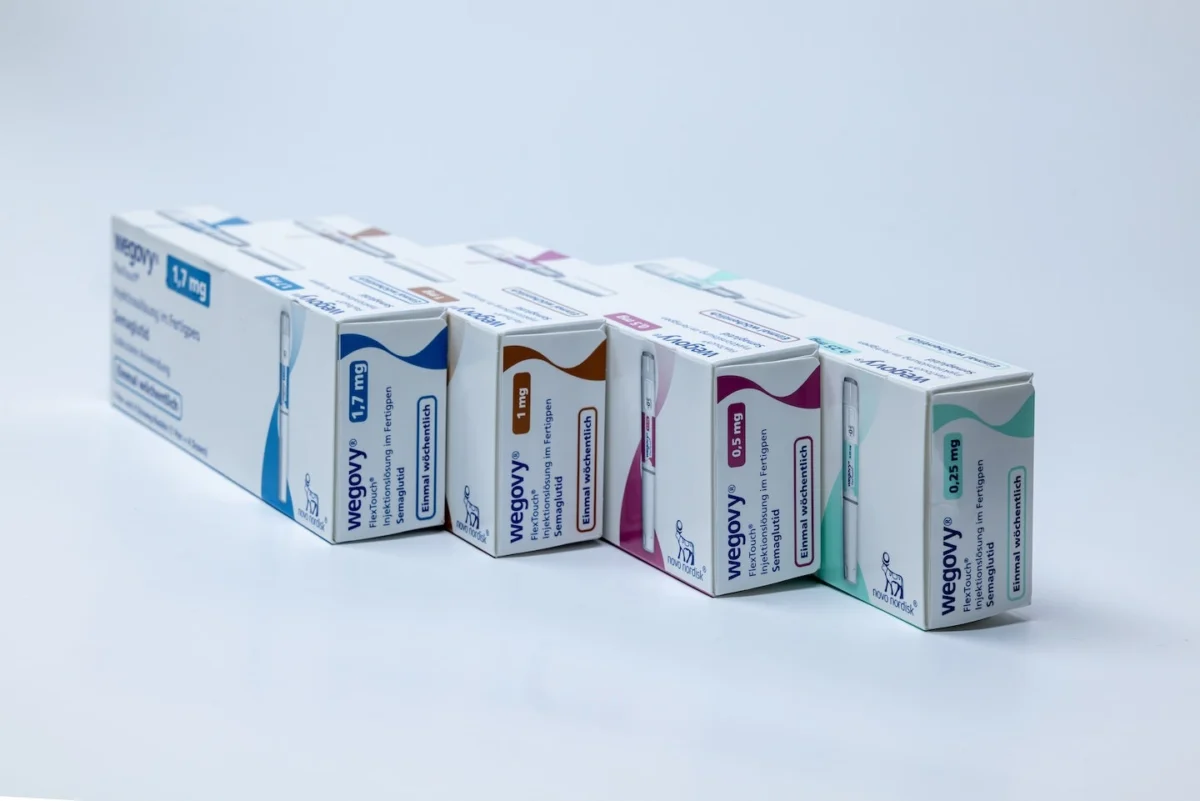
Findings presented at the 33rd European Congress on Obesity in Istanbul, Turkey, on May 15th, have provided a crucial comparative analysis of two leading oral glucagon-like peptide-1 receptor agonists (GLP-1RAs) for chronic weight management: oral semaglutide (Wegovy, 25mg) and orforglipron (Foundayo, 36mg capsule/17.2mg tablet equivalent). In the absence of a direct head-to-head clinical trial, a sophisticated post-hoc indirect treatment comparison was conducted, leveraging data from the pivotal Phase III OASIS-4 and ATTAIN-1 trials, respectively. The analysis aimed to shed light on the relative weight loss efficacy and tolerability of these two orally administered medications in adults grappling with overweight or obesity but without diabetes.
Context of the European Congress on Obesity
The 33rd European Congress on Obesity (ECO) serves as a premier global platform for researchers, clinicians, and industry professionals to disseminate the latest advancements in obesity research, treatment, and prevention. Held annually, ECO brings together a diverse international community to discuss cutting-edge scientific findings, emerging therapeutic strategies, and public health initiatives aimed at tackling the escalating global obesity epidemic. The presentation of these comparative findings at such a prominent scientific forum underscores the significant interest and critical need for robust data comparing the efficacy and safety profiles of novel weight management medications. This year’s congress, hosted in Istanbul, a city bridging Europe and Asia, provided a fitting backdrop for a discussion on a global health challenge.
Methodology: Bridging the Gap in Comparative Data
Given that no direct clinical trial has yet pitted oral semaglutide against orforglipron, researchers employed advanced statistical methodologies to bridge this data gap. The analysis drew upon data from the Phase III OASIS-4 trial for oral semaglutide (NCT05564117) and the ATTAIN-1 trial for orforglipron (NCT05869903). Both trials enrolled adults with overweight or obesity who did not have diabetes.
To address inherent cross-trial differences, which can arise from variations in patient populations, baseline characteristics, and trial conduct, a multi-faceted approach was adopted. A simulated treatment comparison (STC) was utilized to evaluate treatment regimens and efficacy outcomes. This method aims to create a comparable treatment group by statistically adjusting for baseline differences between the trial populations. For tolerability outcomes, a more rigorous two-stage matching-adjusted indirect comparison (2SMAIC) was applied. This technique involves aligning individual patient data from the OASIS-4 trial to the demographic and clinical characteristics of the ATTAIN-1 population, allowing for a more precise comparison of adverse events and discontinuation rates.
Key Findings: Oral Semaglutide Demonstrates Superiority
The results, presented by Martin Bög, statistical director at Novo Nordisk, indicated a clear advantage for oral semaglutide in terms of weight loss efficacy. Across both primary efficacy estimands—the "treatment regimen" estimand and the "efficacy" estimand—oral semaglutide demonstrated greater mean weight reduction.
- Treatment Regimen Estimand: Oral semaglutide was associated with a greater mean weight reduction of -3.2 percentage points. The 95% confidence interval (CI) for this difference was -5.9 to -0.4 percentage points, indicating a statistically significant superiority.
- Efficacy Estimand: Similarly, under the efficacy estimand, oral semaglutide showed a mean weight reduction that was -3.0 percentage points greater. The 95% CI for this difference was -5.8 to -0.3 percentage points, also signifying a statistically significant advantage.
These findings suggest that patients treated with oral semaglutide achieved a more substantial reduction in body weight compared to those treated with orforglipron, as inferred from the indirect comparison.
The differences in tolerability were even more pronounced, with orforglipron exhibiting a significantly higher risk of discontinuations due to adverse events.
- Discontinuation due to Adverse Events: Orforglipron was linked to a substantially increased risk of patients discontinuing treatment because of adverse events. The odds ratio (OR) was 4.1, with a 95% CI of 1.3 to 13.0. This indicates that patients on orforglipron were more than four times more likely to stop treatment due to adverse effects.
- Gastrointestinal Adverse Events: The disparity was particularly stark concerning gastrointestinal adverse events. Orforglipron was associated with a thirteen-fold increase in the risk of such events, with an odds ratio (OR) of 13.9 and a 95% CI of 2.0 to 96.0. This substantial difference highlights a significant tolerability burden associated with orforglipron, predominantly related to digestive system side effects.
Expert Perspectives and Market Implications
The findings of this indirect comparison are poised to influence clinical decision-making and market dynamics in the rapidly evolving landscape of obesity therapeutics. Key opinion leaders (KOLs) interviewed by GlobalData have acknowledged the significant therapeutic value of oral semaglutide. They recognize its role as a practical and effective option for long-term weight maintenance, particularly given its oral administration, which offers convenience over injectable formulations.
However, KOLs also noted that the administration requirements of oral semaglutide were generally perceived as a competitive disadvantage when contrasted with orforglipron. This sentiment likely stems from the potential for different dosing frequencies or administration guidelines, although the current data focuses on the comparative efficacy and tolerability.
In a market where two novel oral GLP-1RAs are vying for the same patient population, this indirect comparison, despite its inherent methodological limitations, provides the only available comparative insight. The apparent advantages of oral semaglutide in both efficacy and tolerability are likely to play a critical role in shaping its clinical positioning. Furthermore, these findings will be invaluable for health technology assessment (HTA) bodies as they evaluate the cost-effectiveness and clinical utility of these medications.
Future Directions and the Broader Obesity Pipeline
The competition within the oral GLP-1RA class is intensifying, making robust comparative data essential for healthcare providers and payers. While this indirect comparison offers valuable insights, direct comparative trials remain the gold standard for definitively establishing the superiority of one treatment over another. Such trials would also be crucial for evaluating longer-term cardiometabolic outcomes, which are of paramount importance in the management of obesity and its associated comorbidities.
The development pipeline for obesity treatments is robust and expanding. According to GlobalData’s Pharma Intelligence Center, the global landscape shows significant activity:
- Phase III Candidates: There are currently 48 candidates in Phase III development, indicating a substantial number of potential new treatments nearing market approval.
- Phase II Candidates: A larger cohort of 112 candidates are in Phase II trials, suggesting a rich pipeline of innovative compounds undergoing early-stage efficacy and safety testing.
- Phase I Candidates: An even more extensive 158 candidates are in Phase I development, highlighting ongoing research and discovery efforts to identify novel therapeutic targets and mechanisms of action for weight management.
This burgeoning pipeline underscores the significant unmet need and the immense commercial opportunity in the obesity market. As new drugs emerge, comparative efficacy and safety data will become increasingly critical for differentiating treatments and guiding clinical practice. The findings from the indirect comparison of oral semaglutide and orforglipron represent a significant step in understanding the relative merits of these two important oral GLP-1RAs, setting the stage for further clinical evaluation and informed therapeutic choices.



















Leave a Reply