

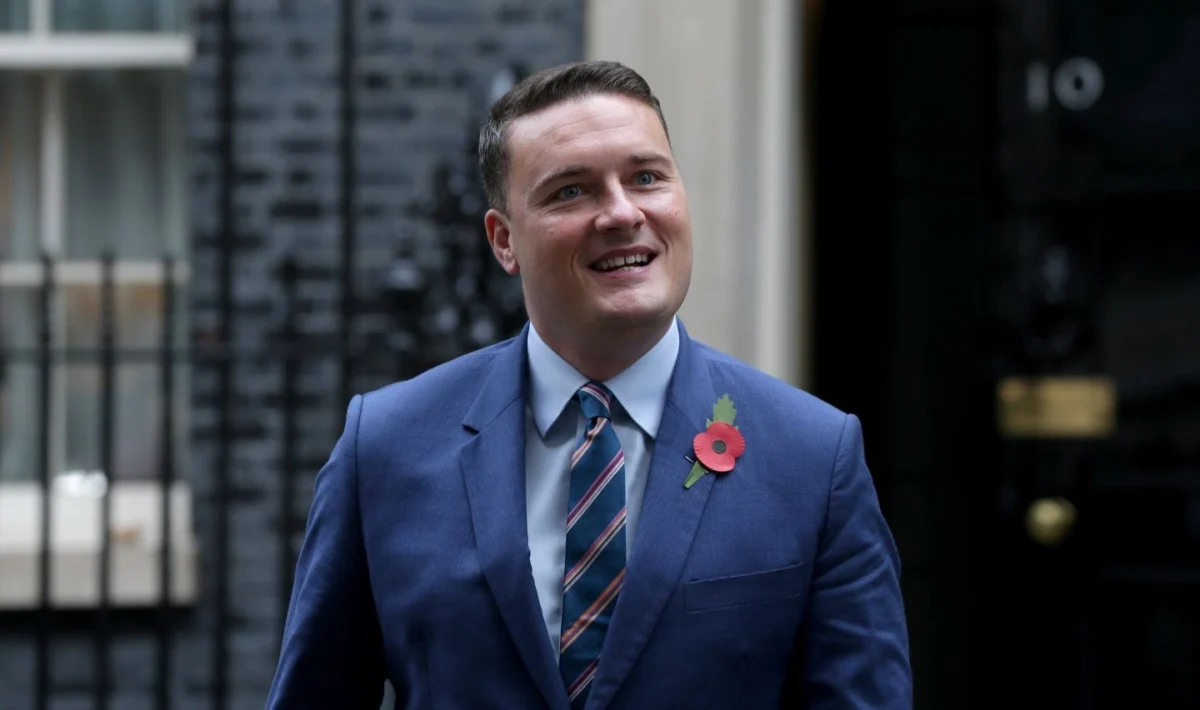
The political landscape of the United Kingdom has been significantly reshaped by the dramatic resignation of Wes Streeting, the UK Health Secretary, who has cited a profound "loss of faith" in the leadership of Prime Minister Keir Starmer. This pivotal decision follows a series of devastating local election results for the Labour Party, which saw the party suffer substantial setbacks across England, Scotland, and Wales on May 7th. The election outcomes, described by Streeting as "unprecedented" in their scale and consequences, have amplified existing internal party tensions and are now fueling speculation about a potential leadership challenge to Starmer.
Local Election Fallout: A Devastating Blow to Labour
The local elections held on May 7th proved to be a harsh reality check for the Labour Party. According to data released by the BBC, Labour lost control of 36 local authorities, diminishing its nationwide council count to a mere 28. This represents a significant decline in the party’s electoral standing and has been interpreted by many as a direct repudiation of its current strategic direction under Keir Starmer. The results are particularly concerning given Labour’s historical performance in local government, which often serves as a barometer for national sentiment ahead of a general election.
In stark contrast to Labour’s performance, the Reform Party, under the leadership of Nigel Farage, experienced notable gains. Similarly, the Green Party, with Zack Polanski at its helm, secured victories in constituencies previously considered Labour strongholds. These gains by opposition parties underscore the shifting electoral allegمنed and present a formidable challenge for Labour as it seeks to regain public trust and support.
Streeting’s Resignation: A Public Declaration of Discontent
In his formal resignation letter, Wes Streeting articulated his deep-seated concerns regarding the party’s trajectory. He characterized the election results not only as a "scale of the defeat" but also as a failure with significant "consequences." While acknowledging that there were "good reasons" for him to remain in his ministerial position, Streeting ultimately concluded that continuing under Starmer’s leadership, in light of his lost confidence, would be "dishonourable and unprincipled."
Streeting took the opportunity in his resignation to highlight what he perceived as key achievements during his tenure at the Department of Health. He emphasized improvements in the UK National Health Service (NHS), including faster ambulance response times for critical conditions like heart attacks and strokes, and a reduction in A&E waiting times. He also pointed to the recruitment of over 2,000 additional General Practitioners (GPs) and a reported 15% increase in public satisfaction with NHS services since Labour assumed power following the July 2024 general election.
A Troubled NHS: Contextualizing Labour’s Health Reforms
The state of the NHS has been a perennial concern in British politics, particularly after fourteen years of Conservative Party rule. In an analysis published in 2024, Professor Andrew Street of the London School of Economics (LSE) famously described the NHS as being "left in intensive care," attributing the particularly dire situation in England "almost entirely to Westminster’s Conservative government policies." This historical context is crucial to understanding the scale of the challenge faced by any government attempting to reform and improve the health service.
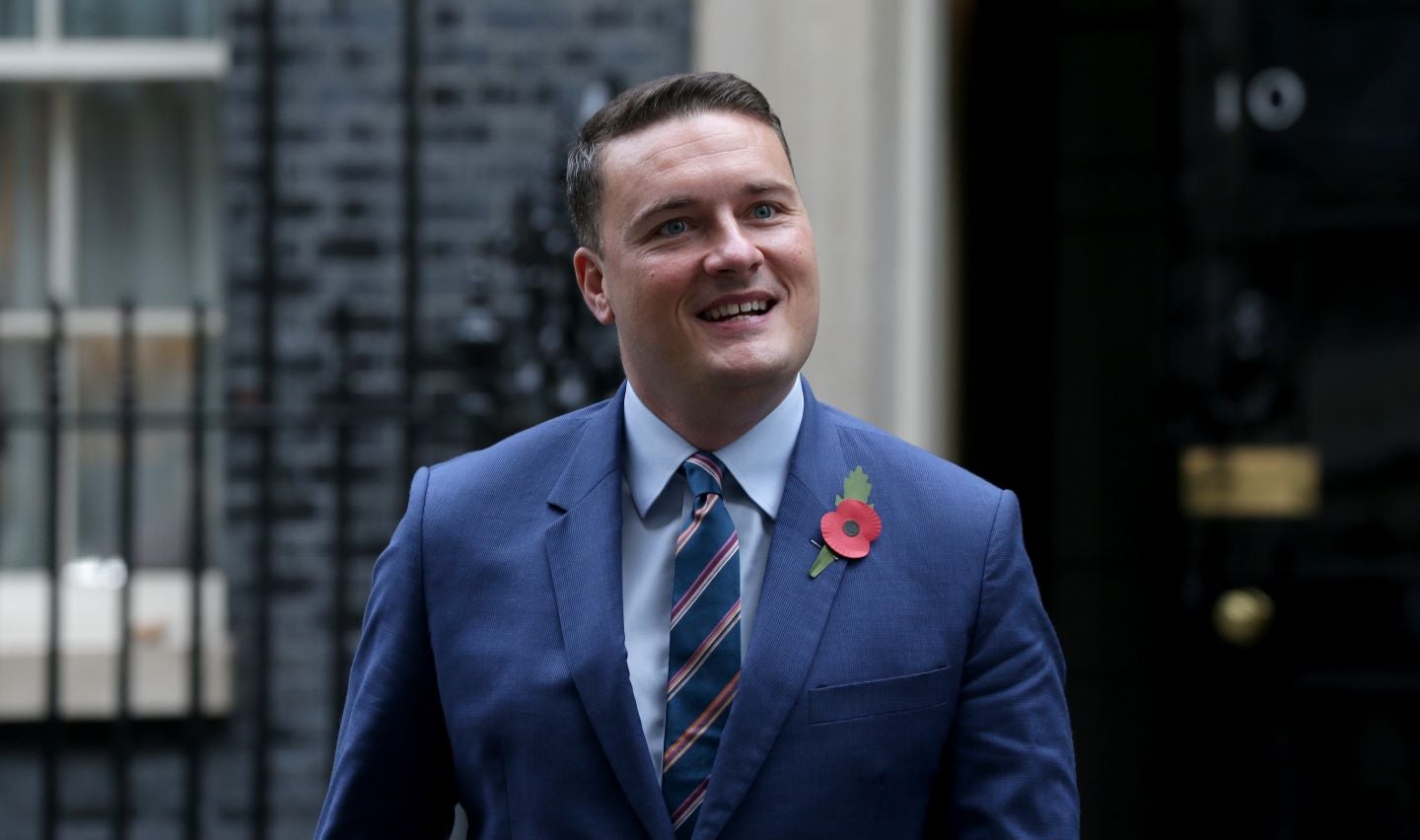
Streeting’s tenure has been marked by efforts to address these deep-seated issues. The appointment of Lord Darzi to conduct a comprehensive review of the NHS was a significant early step, as noted by Thea Stein, CEO of the Nuffield Trust. Stein described the review as having "laid bare the monumental challenges facing the health service and what needed to improve." She acknowledged that Streeting’s initial approach was "promising" and that there had been "slow but positive progress" in areas such as public satisfaction and access to GP appointments.
However, Stein also offered a critical perspective, suggesting that Streeting’s department had not adequately acknowledged the "trade-offs needed during a time of scarce resources." She highlighted the inherent difficulty in simultaneously pursuing ambitious plans to shift care away from hospitals and rapidly reduce waiting times. Furthermore, Stein pointed to the controversial trade deal with the United States, which she argued would lead to billions more being spent on medicines, potentially diverting funds from existing services that offer greater health benefits and thus hindering the government’s ability to achieve its NHS objectives.
The Specter of a Leadership Challenge
Wes Streeting’s resignation has amplified existing whispers of discontent within the Labour Party and is being widely interpreted as a potential catalyst for a leadership challenge against Keir Starmer. The poor local election results had already created fertile ground for such speculation, with prominent figures like Ed Miliband and Andy Burnham being frequently mentioned as potential contenders. Streeting himself has also been identified in media reports as a possible candidate for the leadership.
The timing of Streeting’s departure is particularly significant. As a high-profile figure and a key member of the Shadow Cabinet, his public declaration of lost faith in Starmer’s leadership carries considerable weight. It signals a deepening schism within the party, fueled by disappointment over electoral performance and a perceived lack of direction. The coming weeks and months will likely see intense internal debate and strategizing as different factions within the Labour Party assess their options and the viability of challenging the current leadership. The stability of Starmer’s position will undoubtedly be tested by this latest development, with significant implications for Labour’s electoral prospects and its ability to present a united front ahead of the next general election.
Broader Implications and Future Outlook
Streeting’s resignation, coupled with the sobering local election results, raises critical questions about Labour’s electoral strategy and its appeal to the wider electorate. The party’s inability to capitalize on public dissatisfaction with the incumbent government and its perceived failure to connect with voters in key areas have been major talking points. The emergence of Reform and the Green Party as significant forces further complicates the electoral map, suggesting a more fragmented and unpredictable political landscape.
The focus now shifts to how the Labour Party will navigate this period of internal turmoil. Will Starmer be able to weather the storm and consolidate his leadership, or will the pressure from a disillusioned parliamentary party and a dissatisfied electorate prove too much? The coming months will be crucial in determining the future direction of the Labour Party and its chances of forming a government in the near future. The health of the NHS, a central pillar of public service, remains a critical issue that will continue to dominate political discourse and voter concerns. The ability of any party to present a credible and effective plan for its future will be paramount.



















Leave a Reply