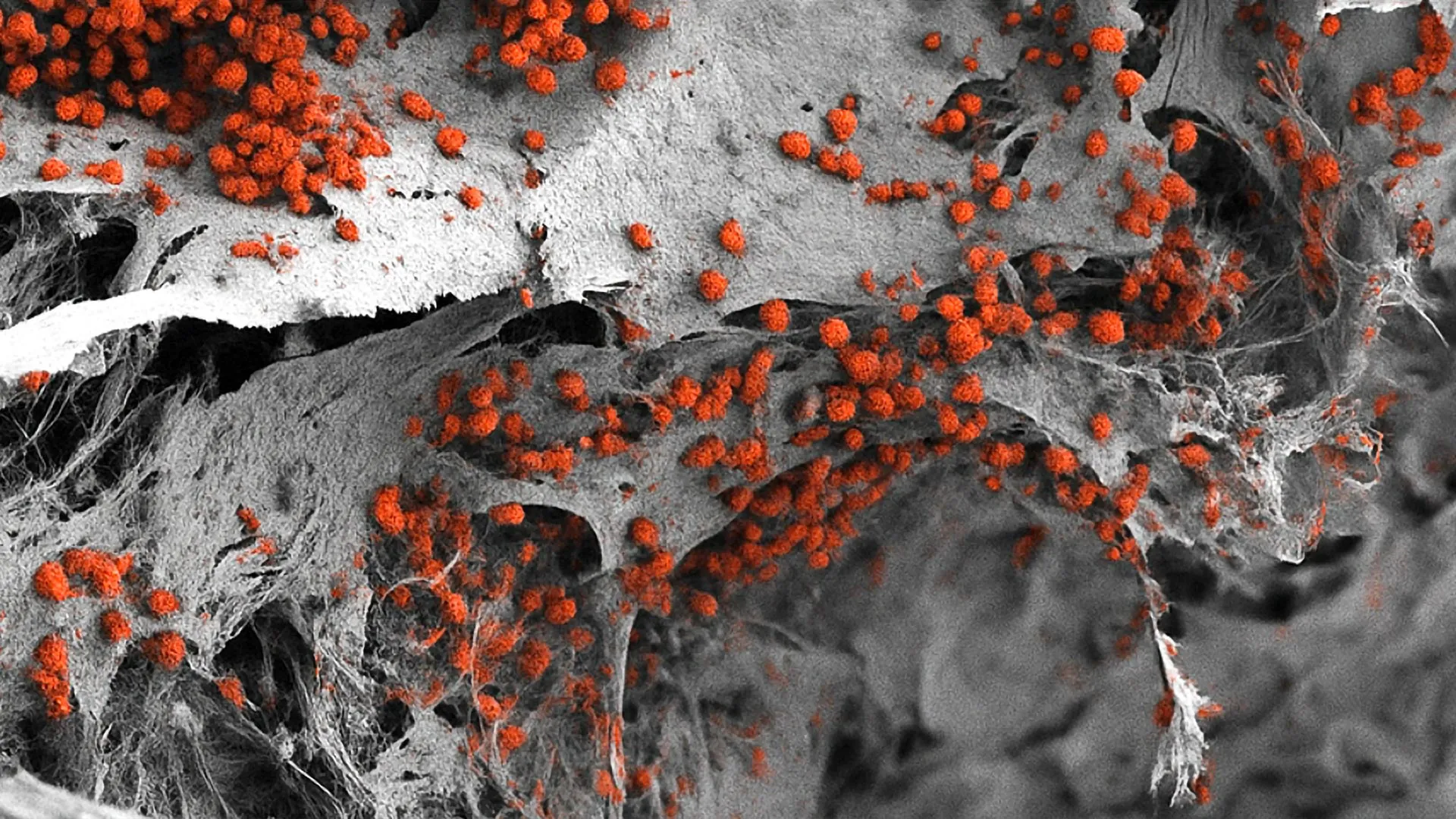
The persistence of estrogen receptor-positive (ER+) breast cancer remains one of the most formidable challenges in modern oncology, as patients often face the threat of recurrence years or even decades after initial successful treatment. A collaborative study led by researchers at the University of Michigan and the University of California San Diego has identified a critical mechanism that explains how these "sleeper" cancer cells survive within the bone marrow. Published in the Journal of Clinical Investigation, the research reveals that disseminated breast cancer cells survive by forming physical connections with normal bone marrow cells, essentially "smuggling" vital resources to maintain their viability and develop drug resistance.
Estrogen receptor-positive breast cancer is the most prevalent subtype of the disease, accounting for approximately 70% to 80% of all breast cancer diagnoses. While advancements in targeted therapies, such as endocrine treatments, have significantly improved survival rates, the tendency of these cells to migrate and remain dormant in the bone marrow creates a long-term risk. This study provides a molecular map of how these dormant cells transition back into aggressive, life-threatening malignancies.
The Bone Marrow as a Sanctuary for Cancer Cells
For decades, clinicians have observed that breast cancer cells frequently migrate to the bone marrow early in the progression of the disease. Once there, they can enter a state of dormancy, evading the immune system and resisting traditional chemotherapy. The bone marrow acts as a protective niche, or "sanctuary," where these cells remain until they are triggered to "reawaken."
According to the study, approximately 40% of patients with ER+ breast cancer will experience a recurrence of the disease. When the cancer returns, it often manifests as aggressive bone metastasis. This secondary stage of the disease is associated with debilitating symptoms, including pathological bone fractures and hypercalcemia—a condition where calcium levels in the blood are too high, potentially leading to kidney stones, bone pain, and heart and brain dysfunction. More critically, these reawakened cells can use the bone marrow as a staging ground to spread to other vital organs, resulting in metastatic disease that is currently considered incurable.
The central question for the research team was identifying what allows these dispersed cells to not only survive in a foreign environment but also to acquire the aggressive traits necessary for a relapse.
The "Generous Neighbor" Mechanism: CX43 and Tumor-Stroma Tunnels
The researchers discovered that the survival of breast cancer cells in the bone marrow is not an isolated process. Instead, it relies on direct physical interaction with mesenchymal stem cells (MSCs)—a type of multipotent stromal cell found in the bone marrow that usually aids in the repair and regeneration of bone and cartilage.
Dr. Gary Luker, M.D., head of the Luker Lab at the University of Michigan’s Center for Molecular Imaging and the senior author of the paper, described the relationship as a form of biological theft or "borrowing." The study found that breast cancer cells form "tumor-stroma tunnels" using a protein called Connexin 43 (CX43). These tunnels serve as conduits through which the cancer cells physically extract molecules, including proteins and messenger RNA (mRNA), directly from the mesenchymal stem cells.
"We discovered that the breast cancer cells require direct contact with mesenchymal stem cells," Dr. Luker explained. "The cancer cells physically borrow molecules directly from the mesenchymal stem cells. Essentially, the mesenchymal stem cells act as very generous neighbors in donating things that make the cancer cells more aggressive and drug resistant."
This interaction represents a paradigm shift in how scientists view the tumor microenvironment. Rather than the cancer cells simply existing alongside healthy cells, they actively manipulate and exploit the healthy stroma to reprogram their own biological makeup.
Identifying GIV: The Driver of Chemoresistance
To understand the impact of this molecular smuggling, the research team conducted laboratory experiments that monitored the changes in cancer cells following contact with MSCs. They observed alterations in hundreds of different proteins within the cancer cells. Through a rigorous filtering process, they aimed to identify which of these proteins were most responsible for the cells’ newfound resilience.
The analysis led the team to a protein known as GIV (Girdin). GIV is a well-known signaling molecule that has been implicated in the progression of various cancers. The study notes that GIV is a primary driver of "invasiveness, chemoresistance, and the acquisition of metastatic potential."
Crucially, the research demonstrated that GIV specifically enables cancer cells to resist estrogen-targeted therapies. One of the most common treatments for ER+ breast cancer is Tamoxifen, a medication designed to block estrogen receptors and prevent the growth of hormone-sensitive cancer cells. However, when breast cancer cells in the bone marrow acquire GIV through their interactions with stem cells, they become desensitized to Tamoxifen, allowing them to survive even while the patient is undergoing active treatment.
Collaborative Research and Methodology
The study’s findings are the result of a multi-disciplinary effort combining advanced molecular imaging, proteomics, and cellular biology. By utilizing sophisticated laboratory models that simulate the bone marrow environment, the researchers were able to observe the formation of CX43-mediated tunnels in real-time.
Pradipta Ghosh, M.D., a professor at the UC San Diego School of Medicine and a key author of the study, emphasized the clinical significance of these "sleeper cells." She noted that the ability of these cells to reawaken after as long as a decade is what makes ER+ breast cancer a lifelong concern for survivors.
"Since these cancer cells ‘borrow’ essential proteins from stem cells in the bone marrow through cellular tunnels—much like smuggling—approaches for targeting the tunnels or proteins they smuggle could help prevent the relapse and metastasis of estrogen receptor-positive breast cancer," Dr. Ghosh stated.
The research highlights a specific chronology of recurrence:
- Dissemination: Early-stage breast cancer cells leave the primary tumor and enter the bloodstream.
- Seeding: The cells settle in the bone marrow niche.
- Tunneling: The cells establish CX43-related connections with mesenchymal stem cells.
- Acquisition: The cancer cells "smuggle" mRNA and proteins like GIV, altering their phenotype.
- Dormancy/Resistance: The cells remain in the marrow, resistant to endocrine therapies.
- Reawakening: Triggered by unknown environmental cues, the now-aggressive cells proliferate, causing local bone destruction or spreading to distant organs.
Broader Impact and Future Clinical Applications
The discovery of the CX43-GIV pathway opens several new avenues for therapeutic intervention. If the "tunnels" can be blocked or the GIV protein can be targeted, clinicians may be able to "starve" the dormant cancer cells or render them sensitive to hormone therapy once again.
Currently, the standard of care involves long-term endocrine therapy, sometimes lasting five to ten years post-remission. However, if the cancer cells have already acquired resistance via the bone marrow stroma, these treatments may provide a false sense of security. The findings from U-M and UC San Diego suggest that future treatment protocols might include "niche-disrupting" agents—drugs designed not to kill the cancer cells directly, but to break their connection to the supportive bone marrow environment.
From a diagnostic perspective, this research could lead to the development of biomarkers that identify which patients are at the highest risk for bone marrow-mediated recurrence. By screening for high levels of CX43 or GIV activity in disseminated tumor cells, doctors could potentially tailor more aggressive or specialized follow-up care.
The Economic and Human Cost of Recurrence
The implications of this study extend beyond the laboratory. Breast cancer is the most diagnosed cancer among women worldwide, and the economic burden of treating metastatic recurrence is significantly higher than that of treating primary localized tumors. Recurrent disease often requires continuous chemotherapy, radiation for bone pain, and frequent hospitalizations for complications like fractures.
By uncovering the mechanism of "cellular smuggling," researchers have provided a target for preventing these costs—both financial and human. The goal is to move from a model of managing recurrence to a model of preventing it entirely by eliminating the "sleeper cells" in their sanctuary.
As the scientific community continues to digest these findings, the focus will likely shift toward clinical trials. Developing inhibitors for CX43 or GIV that are safe for human use will be the next significant hurdle. Nevertheless, the identification of these "tumor-stroma tunnels" marks a major milestone in the fight against breast cancer, offering hope to millions of survivors that their remission can be permanent.
The researchers conclude that while the bone marrow is a complex and protective environment, it is no longer an invisible one. With the mechanism of survival now exposed, the path toward preventing late-stage relapse in estrogen receptor-positive breast cancer has become significantly clearer.