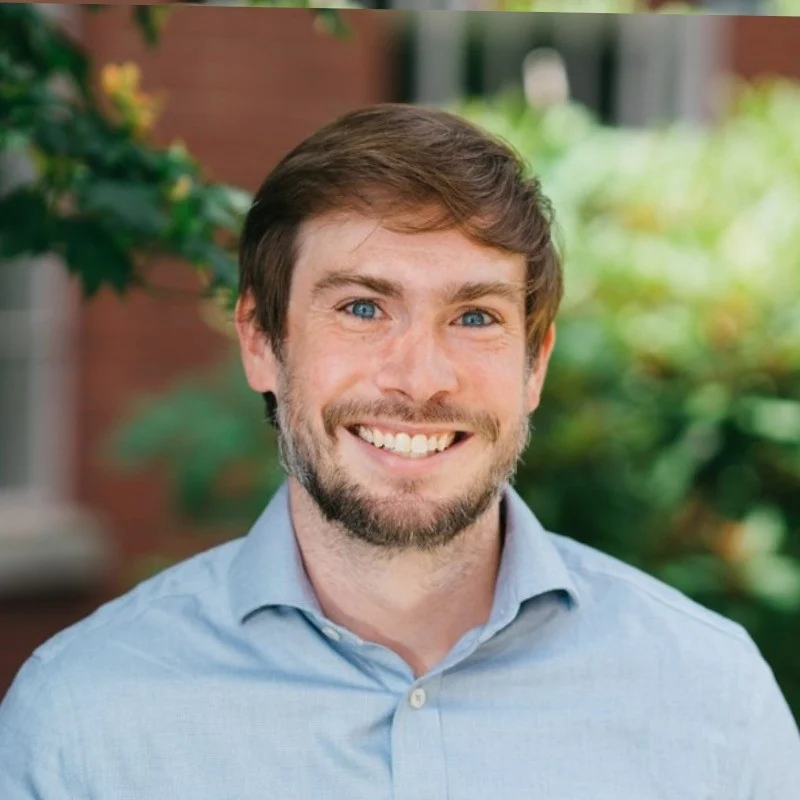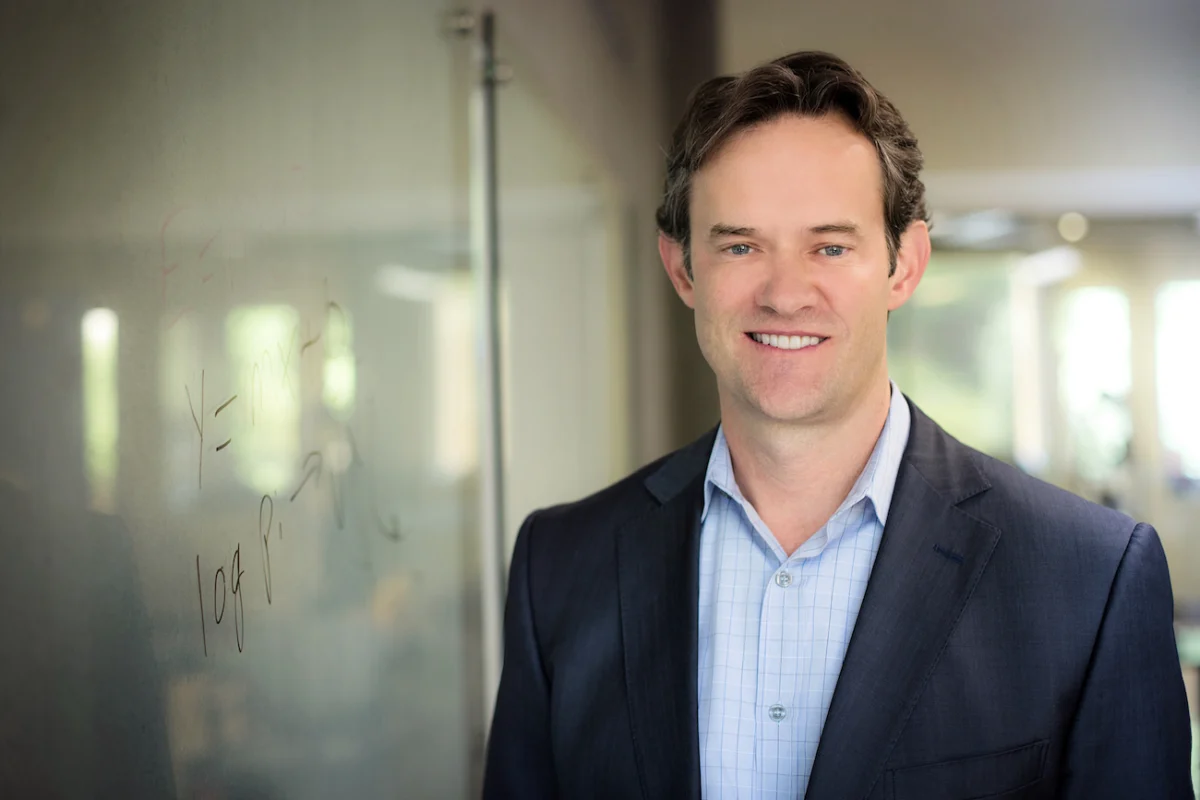
Dr. Frederick Beddingfield III, a seasoned pharmaceutical executive known for his instrumental role in scaling Botox into a multi-billion-dollar franchise at Allergan, is now spearheading Rubedo Life Sciences with an ambitious vision: to fundamentally reverse the biological aging process of tissues, beginning with the skin. Having spent over a decade at the forefront of dermatology and aesthetics, crafting strategies for products that made people look younger, Beddingfield is now placing his bet on a more profound, albeit harder to articulate, objective: making tissue behave younger. This strategic shift marks a significant move within the burgeoning field of geroscience, where the focus is on addressing the underlying cellular mechanisms of aging to treat age-related diseases.
A Veteran’s Journey into Geroscience
Dr. Beddingfield’s career trajectory is a testament to his acumen in identifying and developing blockbuster therapies. After his tenure at Allergan, where he oversaw clinical and regulatory strategy for dermatology and aesthetics, he transitioned to the startup ecosystem. He served as Chief Medical Officer of Kythera, the company behind Kybella, which Allergan later acquired for approximately $2 billion. Subsequently, he took the helm as CEO of Sienna Biopharmaceuticals. His experience was further broadened by a period at Apollo Health Ventures, an investment firm deeply embedded in the longevity sector, offering him a comprehensive understanding of the financial and scientific landscape of anti-aging research. This extensive background, combining deep pharmaceutical expertise with an understanding of cutting-edge longevity science, uniquely positions him to lead Rubedo Life Sciences into this new frontier.
Rubedo’s approach epitomizes a growing trend within the pharmaceutical industry: veteran executives are increasingly gravitating towards geroscience, recognizing its potential to unlock novel therapeutic pathways for a myriad of age-related conditions. Unlike the traditional drug development model that targets specific diseases, geroscience aims to intervene in the fundamental processes of aging, thereby impacting multiple pathologies simultaneously. This paradigm shift is reflected in other companies within the space, such as Insilico Medicine, which is leveraging AI to advance a TNIK inhibitor for idiopathic pulmonary fibrosis, and BioAge, which previously explored obesity targets derived from human longevity cohorts, though their lead candidate azelaprag was discontinued in December 2024 due to liver transaminitis in a Phase 2 trial. These examples highlight both the immense promise and inherent challenges of pioneering drug development in aging biology.
A key regulatory nuance underpins this strategic pivot. As Beddingfield articulated, "I knew the FDA is not approving an anti-aging drug per se, a longevity drug. But they will approve a drug for an age-related disease." This understanding is central to Rubedo’s near-term strategy: to select indications where senescent cells are clearly implicated in disease pathology, allowing for a regulatory pathway that focuses on specific, approvable age-related conditions, while simultaneously demonstrating the broader potential of their senolytic platform.
The Science of Senescence: Targeting "Zombie Cells"
At the heart of Rubedo’s therapeutic strategy lies cellular senescence, a biological phenomenon characterized by cells that have ceased dividing but remain metabolically active, secreting a cocktail of pro-inflammatory molecules known as the Senescence-Associated Secretory Phenotype (SASP). These "zombie cells" accumulate in tissues with age, contributing to chronic inflammation, tissue dysfunction, and the progression of numerous age-related diseases, from cardiovascular conditions to neurodegeneration and, crucially for Rubedo, skin pathologies.
The scientific community’s understanding of senescent cells has evolved significantly since their initial discovery in the 1960s. Research over the past two decades has elucidated their complex roles, which can be both beneficial (e.g., in wound healing and embryonic development) and detrimental (e.g., in chronic disease). The challenge for senolytic therapies, therefore, lies in selectively clearing the harmful senescent cell populations without impacting the beneficial ones.
Preclinical studies, particularly in animal models, have provided compelling evidence for the therapeutic potential of clearing senescent cells. Such experiments have shown remarkable improvements across a range of age-linked phenotypes, including enhanced metabolic function, improved cardiovascular health, and even visible rejuvenation of skin and hair. Beddingfield playfully referenced these findings, noting how mice treated with senolytics can become "Arnold Schwarzenegger mice" with "more hair, better skin, bigger muscles" and even a reversal of diabetes-like symptoms. While the magnitude of these effects can vary across different models and endpoints, the consistent theme of improved healthspan and lifespan has fueled significant excitement and investment in the senolytics field, making it one of longevity biology’s most intensely researched and debated therapeutic frontiers.
However, translating these promising animal model results to human clinical success has presented hurdles. Early-generation senolytic programs in humans have yielded mixed signals, often encountering issues with selectivity and dose-limiting toxicities. The heterogeneity of senescent cell populations – meaning they are not a uniform group but rather diverse cells with varying markers and functions – poses a significant challenge. Non-selective clearance strategies risk eliminating beneficial senescent cells or causing off-target effects in healthy cells, undermining both efficacy and safety.
Rubedo’s Precision Approach: RLS-1496 and the ALEMBIC Platform
Rubedo Life Sciences aims to overcome these challenges with a novel and highly selective approach. Their lead program, RLS-1496, is a topical GPX4 modulator designed to induce ferroptosis, a distinct form of regulated cell death, specifically in pathologic senescent cells. GPX4 (glutathione peroxidase 4) is a crucial enzyme that protects cells from oxidative stress by reducing lipid hydroperoxides. By disrupting GPX4 activity, RLS-1496 sensitizes cells to ferroptosis, an iron-dependent form of cell death that differs mechanistically from apoptosis or necrosis.
The selectivity of RLS-1496, according to Rubedo’s thesis, hinges on the inherent vulnerabilities of senescent cells. Unlike healthy cells, senescent cells are already in a state of cell-cycle arrest and often exhibit specific markers like p16, which Beddingfield describes as an "inherent vulnerability" that can be exploited. This contrasts with oncology strategies involving ferroptosis, where cancer cells might need to be "forced" into a susceptible state before a GPX4-oriented approach can be effective. In the context of senescence, the target cells are already primed. Rubedo’s preclinical work in skin tissues has shown strong sensitivity in senescent keratinocytes and fibroblasts, key cell types involved in skin structure and inflammation, while melanocytes appear less responsive. This uneven sensitivity guides their indication selection towards tissues where a wider therapeutic window is anticipated, minimizing off-target effects.
This targeted approach was born out of Rubedo’s proprietary Artificial Intelligence (AI)-driven platform, ALEMBIC. Built from foundational work by co-founder and CSO Marco Quarta at Stanford, ALEMBIC is trained on extensive human tissue datasets, incorporating single-cell and spatial omics data. This advanced computational engine identified GPX4 as a critical and actionable vulnerability in pathologic senescent cells – a therapeutic angle that was not a dominant focus for GPX4 in earlier drug development efforts, which were often centered on cancer or neurodegeneration. The ability of AI to uncover such nuanced biological insights underscores its transformative potential in drug discovery.
Clinical Development: A Dual Strategy for Skin Health
Rubedo’s clinical strategy for RLS-1496 is designed to be both clinically meaningful and regulator-friendly, focusing initially on inflammatory skin diseases where senescent cells are known to play a pathogenic role. The company initiated its first Phase 1 clinical trial in May 2025, a single-center, ascending-dose, randomized, double-blind, vehicle-controlled study of topical RLS-1496. The primary objectives are safety, tolerability, and lesion-level improvement in patients with mild-to-moderate stable plaque psoriasis.
What makes this trial particularly innovative is its "double duty" design. Recognizing the topical nature of the drug and the expectation of limited systemic exposure, Rubedo successfully advocated for moving directly into patient studies, bypassing a traditional healthy-volunteer program. Furthermore, each participant has a non-lesional skin area treated and monitored in parallel, generating crucial "aging-skin" data alongside the disease-specific endpoints. A key aspect of this parallel monitoring is the measurement of the skin’s biological age using epigenetic clock approaches. This aims to provide objective, quantifiable evidence that the senolytic mechanism of RLS-1496 can indeed induce a change in the underlying tissue state, effectively making the skin biologically younger.
While initial Phase 1 results were previously expected in Q4 2025, Dr. Beddingfield indicated during JPM week that the timeline had shifted, with psoriasis efficacy data now anticipated in early 2026. Data for atopic dermatitis are expected to follow, and results for actinic keratosis (AK) later in the year. The FDA has already cleared an Investigational New Drug (IND) application for an RLS-1496 study in AK, an indication particularly well-suited for an aging-biology approach given its strong association with cumulative sun exposure and its prevalence in older populations. Beyond topical applications, Rubedo is also developing a systemic formulation of RLS-1496, which, if successful in reaching the clinic, could significantly expand the platform’s reach into metabolic, fibrotic, and other systemic age-linked conditions.
Differentiating in a Competitive Landscape
The treatment landscape for inflammatory skin diseases like psoriasis and atopic dermatitis has been revolutionized by biologics and JAK inhibitors, which effectively target specific immune pathways. However, Rubedo’s senolytic approach offers a mechanistically distinct paradigm. Instead of inhibiting individual cytokines or immune signals, RLS-1496 aims to eliminate the very cell populations that produce these multiple inflammatory signals. This upstream intervention is hypothesized to offer a more fundamental resolution to the inflammatory cascade driven by senescent cells.
This mechanistic distinction also opens up possibilities for combination therapies. Many patients on systemic biologics still require topical treatments for residual disease or localized flares. A non-immunosuppressive topical agent like RLS-1496, with a different mechanism of action, could seamlessly integrate into existing treatment regimens, offering an alternative or adjunctive therapy. This is particularly relevant in conditions like psoriasis, where patients often cycle through multiple agents due to waning responses, accumulating tolerability issues, or both. By addressing the root cause of inflammation (senescent cells) rather than just modulating immune responses, Rubedo believes RLS-1496 could provide a durable and differentiated therapeutic option.
Funding, Partnerships, and the Dual Business Model
To fuel its ambitious development pipeline, Rubedo is actively pursuing Series B financing, although Dr. Beddingfield confirmed the company has sufficient runway to complete the current phase of clinical work. Rubedo successfully closed a $40 million Series A financing round in April 2024, led by prominent longevity-focused investors such as Khosla Ventures and Ahren Innovation Capital, with participation from Hevolution. This strong investor backing underscores the growing confidence in the geroscience sector and Rubedo’s specific approach.
Beyond traditional pharmaceutical development, Rubedo has strategically embraced a dual business model, leveraging its expertise in skin biology for both therapeutic and cosmetic applications. A significant move in this direction is a multi-year partnership with Beiersdorf, the global skincare giant behind brands like NIVEA and Eucerin, announced in 2024. This collaboration focuses on developing cosmetic products aimed at cellular aging. Beiersdorf also participated as a strategic investor through its Oscar & Paul venture fund. Dr. Beddingfield characterized this deal as "biobucks-heavy," indicating a milestone-driven structure with downstream royalties rather than substantial upfront cash.
This partnership is a shrewd business move. It allows Rubedo to generate earlier revenue signals from the consumer market, which can help fund the longer, more capital-intensive arc of pharmaceutical drug development. It also provides validation of their underlying scientific platform and technology in a commercial context. The broader pitch is compelling: dermatology enables Rubedo to simultaneously pursue a conventional drug development path with clear disease endpoints and established regulatory pathways, alongside a consumer partnership track that can provide early market traction, non-dilutive funding, and broad brand recognition. This diversified strategy hedges risks and accelerates market penetration, positioning Rubedo uniquely at the intersection of medicine and wellness.
Broader Implications and the Future of Longevity Medicine
Rubedo Life Sciences stands at the vanguard of a profound shift in how humanity approaches aging and age-related diseases. If successful, their senolytic platform, starting with topical RLS-1496, could redefine treatment paradigms for common skin conditions, moving beyond symptomatic relief to addressing a root cause of tissue dysfunction. The potential to objectively measure and reverse the biological age of skin through epigenetic clocks represents a significant leap forward in demonstrating the efficacy of anti-aging interventions.
The implications extend far beyond dermatology. A successful topical senolytic could pave the way for systemic formulations, unlocking therapeutic potential in a vast array of age-related conditions including metabolic disorders, fibrotic diseases, and neurodegenerative conditions, which all share senescent cell accumulation as a common pathological thread. This would transform geroscience from a promising research field into a mainstream therapeutic modality.
Dr. Beddingfield’s concluding statement perfectly encapsulates this ambitious transition: "I spent 10 years at Allergan with Botox making people look younger. Now I’m actually making them younger." This assertion underscores Rubedo’s commitment to not just aesthetic improvement, but to genuine biological rejuvenation. As the global population ages, the demand for interventions that not only extend lifespan but also enhance healthspan will only grow. Rubedo Life Sciences, with its innovative science, strategic clinical development, and astute business model, is poised to be a significant player in shaping this future, potentially ushering in an era where the concept of "acting younger" is not merely cosmetic, but a biological reality. The ongoing clinical trials and forthcoming data in 2026 will be crucial in validating this transformative vision.