

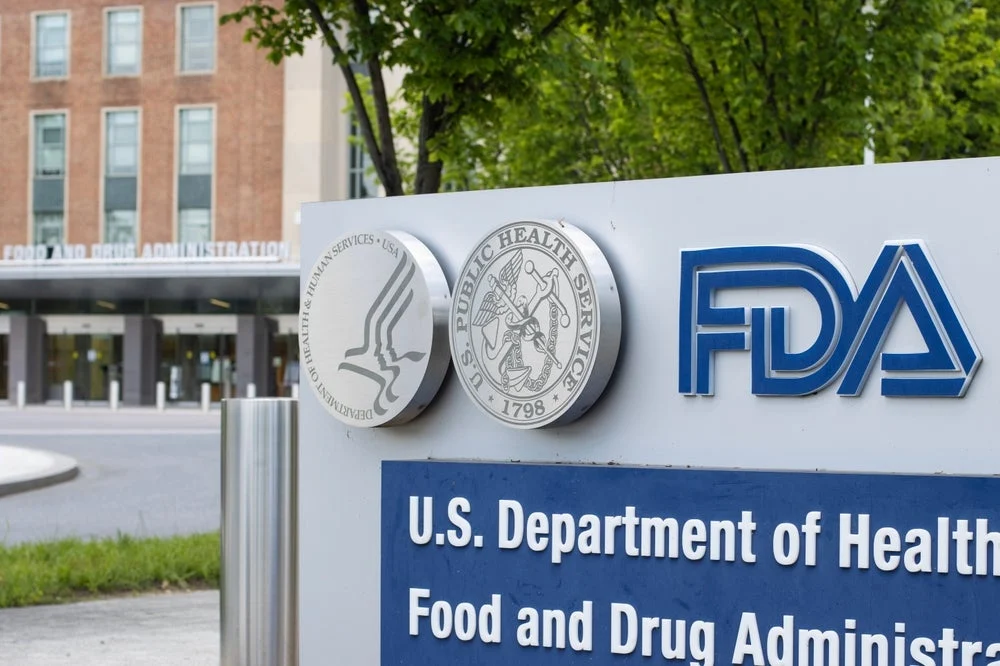
The leadership void at the U.S. Food and Drug Administration (FDA) has prompted a significant groundswell of support from the biopharmaceutical industry for agency veteran Dr. Richard Pazdur to assume the role of Commissioner. In a testament to his perceived capabilities, nearly 400 prominent figures within the biotech sector, including CEOs, investment partners, financial analysts, and patient advocates, have collectively signed a letter to President Donald Trump, recommending Dr. Pazdur for the critical position. The signatories argue that Dr. Pazdur, with his extensive 26-year tenure at the FDA, possesses the requisite qualities to navigate the agency through its current period of significant unrest and restore confidence in its scientific and regulatory processes.
A Call for Experienced Leadership in Turbulent Times
The letter explicitly addresses the current challenges facing the FDA, citing "decisional volatility, staff exodus, missed deadlines, and eroding scientific predictability." These factors, the signatories assert, have collectively fostered a "crisis of confidence" that jeopardizes America’s standing as a leader in biomedical progress. The signatories emphasize that resolving these issues demands leadership characterized by "proven experience, unimpeachable scientific credibility, and a demonstrated track record of leadership and effectiveness"—qualities they firmly believe Dr. Pazdur embodies.
This endorsement comes at a precarious moment for the FDA. The agency’s top leadership position became vacant on May 12th following the resignation of Commissioner Marty Makary. Kyle Diamantas, previously at the helm of the FDA’s food division, has stepped in as the acting Commissioner. Makary’s tenure, while marked by efforts to implement important regulatory reforms, was also characterized by a period of considerable political friction. His disagreements with President Trump over the authorization of fruit-flavored e-cigarettes and the abortion pill mifepristone are widely cited as contributing factors to his departure.
The instability at the FDA’s highest echelon is not an isolated incident. The agency has experienced considerable leadership flux throughout President Trump’s second term. Another notable departure occurred in April 2026 when Vinay Prasad left his position as head of the Center for Biologics Regulation and Evaluation (CBER) for the second time, underscoring a pattern of turnover in key scientific leadership roles.
Dr. Pazdur’s Track Record: Expediting Oncology Innovation
Dr. Richard Pazdur is a highly respected figure within the oncology drug development and regulatory landscape. His 26-year career at the FDA culminated in his leadership of the Center for Drug Evaluation and Research (CDER), a pivotal role overseeing the review and approval of a vast array of pharmaceutical products. During his extensive service, Dr. Pazdur was instrumental in implementing several key initiatives aimed at accelerating the approval of life-saving oncology drugs.
Among his most significant contributions is his role as a founding director of the Oncology Center of Excellence (OCE). This body was established to consolidate expertise and streamline the development and review processes for novel cancer therapies. Furthermore, Dr. Pazdur is credited with championing Project Orbis, an innovative international collaborative program facilitated by the FDA. Project Orbis enables regulatory authorities from various partner nations to concurrently review and approve promising new cancer treatments, thereby expediting patient access to these critical therapies on a global scale.
Dr. Pazdur retired from the FDA in December 2025. Reports at the time suggested his departure was influenced by dissatisfaction with the direction the agency was taking under the Trump administration. His retirement was met with considerable praise from the oncology community. Dr. Julie Gralow, Chief Medical Officer at the Association for Clinical Oncology (ASCO), lauded him as "a visionary leader who dedicated his tenure at the FDA to doing everything possible to enhance patient access to safe, effective and improved cancer therapies."
The Industry’s Criteria for FDA Leadership
The industry-backed letter, however, explicitly states that its objective extends beyond merely endorsing an individual. The signatories aim to articulate a clear set of criteria that they believe are essential for any future FDA leader. The letter concludes with a powerful statement: "Our coalition is not simply endorsing an individual. We are endorsing a set of criteria that any FDA leader must possess: deep regulatory experience, a track record of reform, and the ability to lead a scientific institution under political and competitive pressure without compromising speed or rigor. We stand ready to support the Administration in ensuring this appointment fulfils the FDA’s mission."
This emphasis on fundamental qualifications suggests a broader concern within the biopharma sector regarding the FDA’s capacity to maintain its scientific integrity and operational efficiency amidst political pressures. The call for "deep regulatory experience" points to a desire for leadership that understands the intricate nuances of drug development and approval processes. A "track record of reform" implies a need for someone capable of implementing positive changes and addressing existing systemic issues. Crucially, the requirement to lead "under political and competitive pressure without compromising speed or rigor" highlights the industry’s concern about maintaining the balance between expedited approvals and the unwavering commitment to scientific evidence and patient safety.
Analysis of Implications and Future Outlook
The broad support for Dr. Pazdur signifies a consensus within the biopharma industry that a return to experienced, scientifically grounded leadership is paramount for the FDA. The agency plays a pivotal role in safeguarding public health by ensuring the safety, efficacy, and security of drugs, biologics, and medical devices. Any perception of weakness or instability at the FDA can have far-reaching consequences, potentially impacting investment in biomedical research, the pace of drug innovation, and, most importantly, patient access to new treatments.
The current political climate surrounding regulatory agencies presents a significant challenge for any potential appointee. Dr. Pazdur’s previous decision to retire, reportedly due to dissatisfaction with the administration’s direction, raises questions about his willingness to re-enter what has been described as a "volatile environment." However, the overwhelming industry endorsement suggests a belief that his leadership could be a stabilizing force, capable of bridging the gap between scientific imperatives and political realities.
The signatories’ explicit articulation of criteria for FDA leadership also serves as a clear message to the White House. It signals that the industry is looking for a leader who can restore predictability and trust in the FDA’s decision-making processes. Such predictability is vital for biopharmaceutical companies that invest billions of dollars in research and development, often with long and uncertain timelines. A stable and scientifically robust FDA fosters an environment conducive to innovation and investment.
The coming weeks and months will be critical in determining the future leadership of the FDA. Whether Dr. Pazdur will be formally considered or express interest in the role remains to be seen. However, the significant show of support from the biopharmaceutical sector underscores the urgent need for experienced, credible leadership at the agency to navigate the complex challenges ahead and uphold its vital mission of protecting and promoting public health. The industry’s collective voice is a clear call for a return to scientific governance and operational stability at a time when it is arguably needed most.



















Leave a Reply