

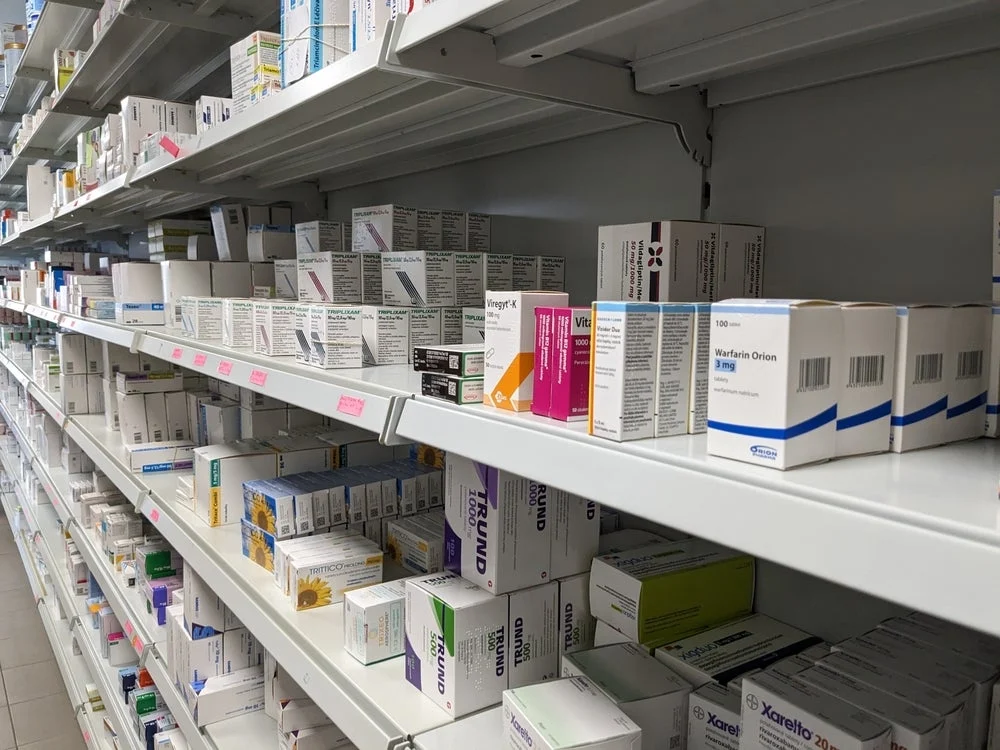
The European Union (EU) has achieved a significant legislative milestone with the provisional agreement on the Critical Medicines Act (CMA), a pivotal initiative designed to bolster the resilience and security of the region’s pharmaceutical supply chain and safeguard the availability of essential medicines for its citizens. This agreement, forged between the European Parliament and the Council, marks a crucial step in the EU’s ongoing efforts to enhance its pharmaceutical ecosystem amidst growing global uncertainties and pressures.
Genesis and Objectives of the Critical Medicines Act
The proposal for the Critical Medicines Act was first introduced in March 2025, stemming from a growing recognition of vulnerabilities exposed by recent global events, including the COVID-19 pandemic and escalating geopolitical tensions. These crises highlighted the potential for disruptions in the supply of medicines crucial for public health, prompting a proactive strategy to address these risks.
The CMA’s overarching objectives are multifaceted and strategically aimed at creating a more robust and self-sufficient pharmaceutical sector within the EU. Key among these goals are:
- Bolstering Manufacturing Capacities: The Act seeks to encourage and support the expansion of pharmaceutical manufacturing within the EU, reducing reliance on external production facilities and enhancing domestic capabilities for essential medicines.
- Mitigating Supply Chain Disruptions: By fostering greater transparency and implementing early warning systems, the CMA aims to proactively identify and address potential disruptions to the supply chain, thereby preventing shortages before they impact patients.
- Leveraging Collaborative Procurement: The framework introduces mechanisms for collaborative procurement of critical medicines at the EU level, aiming to increase purchasing power, secure favorable terms, and ensure equitable access across member states.
- Diversifying Supply Chains: The Act emphasizes the importance of diversifying sourcing for raw materials and active pharmaceutical ingredients (APIs) through strategic partnerships and investments, reducing dependence on any single country or region.
- Reducing Dependency on Non-EU Countries: A core tenet of the CMA is to decrease the EU’s reliance on pharmaceutical imports, particularly for medicines deemed critical for public health and national security.
- Boosting Competitiveness of the Pharmaceutical Industry: By providing a more stable and predictable regulatory environment, alongside targeted support for domestic production, the CMA aims to enhance the competitiveness of the EU’s pharmaceutical sector on the global stage.
A Timeline of Progress and Anticipated Impact
The journey towards the finalization of the Critical Medicines Act has been a deliberate process, reflecting the complexity of the issue and the need for broad consensus among member states.
- March 2025: The European Commission formally proposes the Critical Medicines Act, outlining the strategic rationale and initial legislative proposals. This proposal is based on extensive consultations and analyses of existing supply chain vulnerabilities.
- Late 2025 – Early 2026: The European Parliament and the Council of the EU engage in extensive deliberations, negotiations, and amendments to the proposed legislation. This phase involves input from various stakeholders, including industry associations, patient groups, and national health authorities.
- Mid-2026 (Provisional Agreement): The European Parliament and the Council reach a provisional political agreement on the text of the Critical Medicines Act. This signifies a crucial step towards formal adoption, though the legislation still requires final endorsement.
- Formal Adoption and Implementation (Anticipated 2026-2027): Following the provisional agreement, the Act will undergo formal adoption procedures by both institutions. Subsequently, member states will be required to transpose the directive into their national laws, paving the way for its full implementation across the EU.
The impact of the CMA is anticipated to be far-reaching, touching upon various aspects of healthcare and economic policy within the EU. The legislation is designed to ensure that medicines such as antibiotics, vaccines, and treatments for chronic and rare diseases are consistently available to patients. The Union’s current list of critical medicines, comprising approximately 300 substances, includes widely used medications like paracetamol and insulin, alongside less common but vital immunosuppressants and antibacterials. These are defined as medicines whose continuous supply is paramount for public health.
Supporting Data and Context
The urgency behind the Critical Medicines Act is underscored by recent trade data. In 2025, imports of medicinal and pharmaceutical products into the EU saw a significant increase of 21%, while exports rose by 16%. The United States remains the EU’s primary partner for pharmaceutical imports, highlighting a substantial trade dependency. This data point serves as a stark indicator of the need for greater self-reliance and diversification within the EU’s pharmaceutical supply chains.
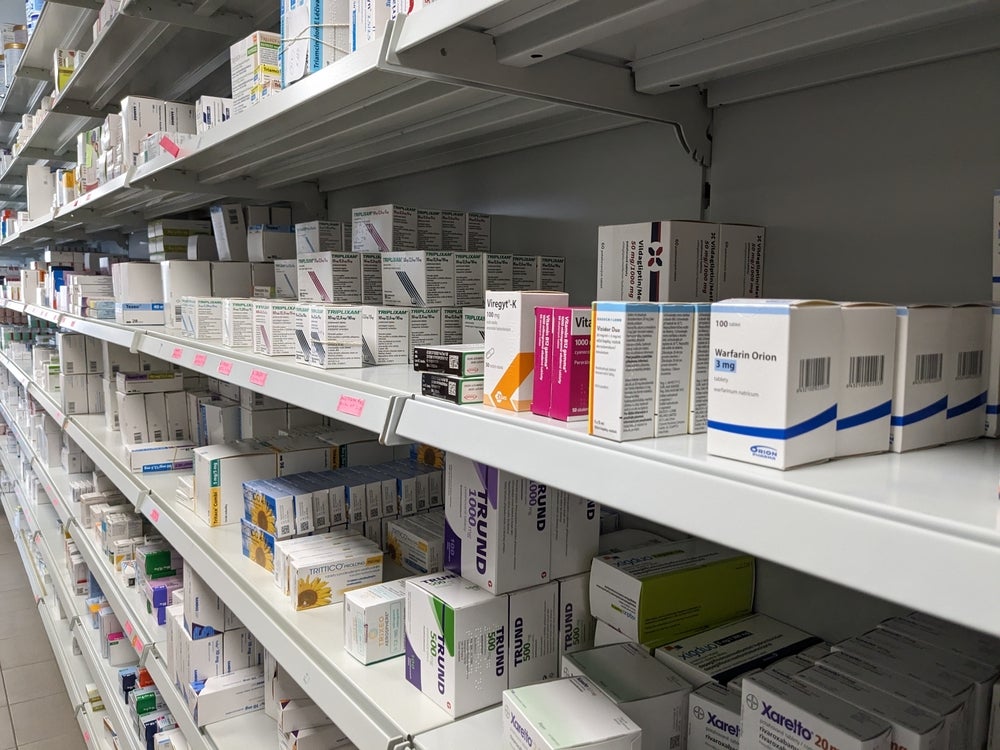
Furthermore, the global economic landscape and geopolitical considerations lend additional weight to the CMA’s objectives. The ongoing conflict in the Middle East, for instance, has had a demonstrable impact on global trade routes. Commercial activity through the Strait of Hormuz, a vital maritime chokepoint, has reportedly fallen by 90% below pre-war levels. While not directly linked to pharmaceutical shipments in all cases, such disruptions illustrate the fragility of global logistics and the potential for indirect impacts on the availability of essential goods, including medicines.
Official Responses and Endorsements
The agreement on the Critical Medicines Act has been met with widespread approval from key European institutions and officials.
Tomislav Sokol, a Member of the European Parliament and a key figure in presenting the deal, expressed strong support for the legislative package. "By introducing collaborative procurement at EU level, we are taking concrete action to address shortages and ensure security of supply," Sokol stated. He further emphasized the signal being sent to the industry: "At the same time, we are sending a clear signal that Europe is committed to strengthening its pharmaceutical manufacturing base. Companies that produce medicines in Europe will be favoured in procurement procedures. Strategic projects will benefit from access to national and EU funding and from faster and more efficient permitting procedures." This highlights a dual approach of regulatory reform and targeted incentives to foster domestic production.
The European Medicines Agency (EMA) also welcomed the provisional agreement. In a statement, the EMA underscored how events like the COVID-19 pandemic and geopolitical instability have exposed weaknesses in pharmaceutical supply chains. Emer Cooke, the EMA’s Executive Director, commented on the significance of the Act: "At a time of increasing global disruptions, resilient and secure supply chains for critical medicines are essential to protect public health across the EU. Today’s provisional agreement on the Critical Medicines Act marks a significant milestone towards strengthening Europe’s capacity to improve the availability, supply and production of critical medicines." Her statement directly links the Act’s provisions to the imperative of public health protection in an increasingly volatile global environment.
Broader Impact and Strategic Implications
The Critical Medicines Act is poised to have profound implications for the European pharmaceutical landscape and beyond.
- Enhanced Public Health Security: The primary benefit will be a more secure and reliable supply of essential medicines, reducing the risk of shortages that could have serious consequences for patient health and healthcare systems. This proactive approach is a significant departure from reactive crisis management.
- Economic Revitalization: By incentivizing domestic manufacturing and R&D, the CMA has the potential to create high-skilled jobs, foster innovation, and stimulate economic growth within the EU’s pharmaceutical sector. The preference for European producers in procurement processes directly supports this objective.
- Strategic Autonomy: The Act represents a significant step towards greater strategic autonomy for the EU in a critical sector. Reducing reliance on external suppliers for essential medicines enhances the Union’s resilience to international trade disputes, geopolitical pressures, and global health crises.
- Innovation and Research: The promise of faster and more efficient permitting procedures for strategic projects, coupled with access to funding, could accelerate the development and deployment of new medicines and manufacturing technologies within Europe.
- International Cooperation and Partnerships: While aiming for greater self-sufficiency, the Act also recognizes the importance of strategic partnerships. Diversifying supply chains through collaboration with reliable international partners will be crucial to building a truly resilient ecosystem.
The success of the Critical Medicines Act will hinge on its effective implementation and the ongoing commitment of member states and the European Commission. However, the provisional agreement itself signals a clear and determined direction for the EU – one that prioritizes the health and well-being of its citizens by building a stronger, more secure, and competitive pharmaceutical future. The Act is not merely a regulatory update; it is a strategic reorientation designed to future-proof Europe’s access to the medicines it needs most.




















Leave a Reply