Researchers at Michigan State University (MSU) have identified a critical molecular "switch" that triggers a massive surge in sperm energy production immediately before the fertilization process begins. This metabolic breakthrough, led by Dr. Melanie Balbach, an assistant professor in the Department of Biochemistry and Molecular Biology, provides a detailed map of how sperm transition from a dormant state to a high-velocity, hyperactivated state. The findings, published in the Proceedings of the National Academy of Sciences (PNAS), carry profound implications for the dual challenges of global reproductive health: improving the success rates of infertility treatments and developing the world’s first effective, non-hormonal male contraceptive.
The study illuminates the unique biological requirements of sperm cells, which are unlike any other cell type in the human body. While most cells manage energy for long-term survival and diverse functions, sperm are biological "specialists" with a singular, terminal objective. According to Dr. Balbach, sperm metabolism is exclusively fine-tuned to generate the massive kinetic energy required to navigate the female reproductive tract and penetrate the protective layers of an egg.
The Energetic Transformation of Sperm
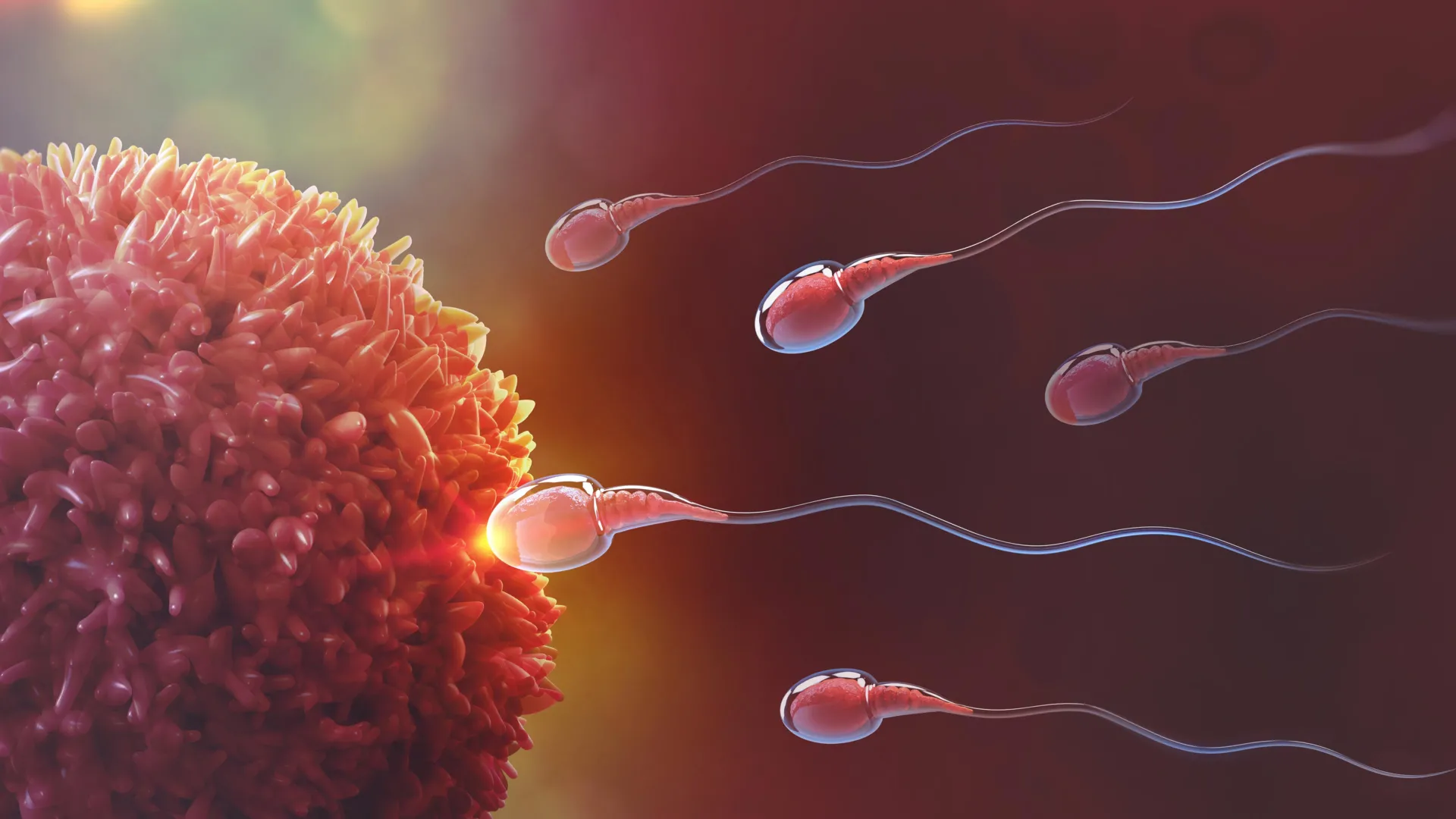
In the male reproductive system, mammalian sperm are maintained in a state of metabolic quiescence. This low-energy state ensures that the cells do not exhaust their limited fuel supplies before they are needed. However, upon entering the female reproductive tract, a process known as capacitation begins. This transformation involves a rapid increase in swimming force—referred to as hyperactivation—and a structural reorganization of the sperm’s outer membranes.
These physiological shifts require a sudden, localized explosion of energy. Until this recent MSU study, the exact biochemical "intersections" that regulated this energy surge remained a mystery to reproductive biologists. The discovery of a specific metabolic switch allows scientists to see exactly how sperm cells "downshift" and "upshift" their internal engines depending on their environment.
"Many types of cells undergo this rapid switch from low to high energy states, and sperm are an ideal way to study such metabolic reprogramming," Balbach noted. Her work at MSU, which began in 2023, builds upon years of research into how these microscopic cells manage their fuel sources under extreme pressure.
Mapping Glucose Metabolism: The "Pink Car" Analogy
To uncover the mechanics of this energy surge, Balbach’s team collaborated with specialists from the Memorial Sloan Kettering Cancer Center and the Van Andel Institute. The researchers developed a sophisticated method to track how sperm process glucose, the primary sugar they absorb from their environment to fuel their journey.
By utilizing the MSU Mass Spectrometry and Metabolomics Core, the team was able to map the chemical trajectory of glucose as it moved through the sperm’s internal pathways. To explain the complexity of this tracking, Dr. Balbach compared the method to a high-tech traffic monitoring system.
"You can think of this approach like painting the roof of a car bright pink and then following that car through traffic using a drone," Balbach explained. By "painting" glucose molecules, the researchers could observe how they were broken down and utilized in real-time. In activated sperm, the "pink cars" moved significantly faster through metabolic pathways, preferring specific routes that maximized energy output. The team could even identify "intersections" or enzymatic steps where the process tended to slow down or get stuck, providing a clear target for potential medical interventions.
The Role of Aldolase and Internal Energy Reserves
A primary finding of the study was the identification of the enzyme aldolase as a master regulator of sperm metabolism. Aldolase acts as a gatekeeper in glycolysis, the process of converting glucose into adenosine triphosphate (ATP), the universal energy currency of cells. The researchers discovered that when sperm are activated, aldolase activity spikes, facilitating the rapid breakdown of sugars.
Furthermore, the study revealed that sperm do not rely solely on the glucose they absorb from the female reproductive tract. Instead, they carry internal energy reserves—metabolic "backpacks"—that they draw upon the moment the journey begins. Certain enzymes act as traffic controllers, directing whether the sperm uses its internal stores or external glucose to maintain the high-intensity swimming required for fertilization.
Addressing the Global Infertility Crisis
The implications of this research for infertility are significant. Current statistics from the World Health Organization (WHO) suggest that approximately one in six people globally experience infertility in their lifetime. Male factor infertility contributes to roughly half of these cases, yet diagnostic tools for assessing sperm quality remain relatively basic, often focusing on count and morphology rather than functional metabolic health.
By understanding the metabolic requirements for fertilization, clinicians may be able to develop new diagnostic assays that measure a sperm sample’s ability to "switch on" its energy production. If a patient’s sperm lacks the necessary enzymatic activity or cannot process glucose efficiently, it may explain why fertilization fails even when other parameters appear normal.
Additionally, this research could lead to improvements in assisted reproductive technologies (ART), such as in vitro fertilization (IVF). Optimizing the nutrient media used in labs to better match the metabolic needs of activated sperm could potentially increase the success rates of these expensive and emotionally taxing procedures.
A New Era for Male Contraception
Perhaps the most revolutionary application of Balbach’s work is in the field of male contraception. For decades, the primary options for men have been limited to condoms or vasectomies. Efforts to develop a "male pill" have historically focused on suppressing sperm production through hormonal manipulation. However, hormonal approaches often come with a suite of side effects, including mood changes, weight gain, and concerns regarding the long-term reversibility of infertility.
The MSU study suggests a different path: a non-hormonal, "on-demand" contraceptive. By targeting the metabolic switch—specifically the enzymes like aldolase that control the energy surge—it may be possible to develop a drug that temporarily "stalls" the sperm. If the sperm cannot activate their high-energy state, they cannot reach or fertilize the egg.
"One option is to explore if one of our ‘traffic-control’ enzymes could be safely targeted as a non-hormonal male or female contraceptive," Balbach said. Because this method targets the function of the sperm rather than its production in the testes, it could offer a rapid-onset and rapidly reversible form of birth control without interfering with a man’s natural hormones.
Socioeconomic Impact and Unplanned Pregnancies
The social necessity for such a breakthrough is backed by data. Currently, nearly 50% of all pregnancies worldwide are unintended. This high rate is often attributed to the limitations, side effects, or inconsistent use of existing contraceptive methods.
"Right now, about 50% of all pregnancies are unplanned, and this would give men additional options and agency in their fertility," Balbach emphasized. Furthermore, a male metabolic contraceptive would relieve the burden on women, many of whom rely on hormonal birth control that can cause significant physical and psychological side effects. By providing a safe, non-hormonal alternative for men, researchers hope to foster more equitable participation in family planning.
Chronology of Research and Future Directions
The journey to this discovery began earlier in Dr. Balbach’s career at Weill Cornell Medicine, where she participated in studies showing that blocking specific sperm enzymes could cause temporary, reversible infertility in mice. That foundational work proved the concept that sperm function could be "paused" without permanent damage to the reproductive system.
Since joining Michigan State University in 2023, Balbach has focused on the granular details of how these metabolic pathways operate across different species. The next phase of the research involves translating these findings from mouse models to human sperm. The team is also investigating how sperm utilize other sugars, such as fructose, which is found in high concentrations in the male reproductive tract.
Institutional Support and Scientific Significance
The study was supported by the National Institute of Child Health and Human Development (NICHD), a branch of the National Institutes of Health (NIH). The collaboration between MSU, Memorial Sloan Kettering, and the Van Andel Institute underscores the interdisciplinary nature of modern reproductive science, combining expertise in biochemistry, oncology, and advanced imaging.
By mapping the metabolic landscape of the smallest cell in the human body, the research team has opened a door to a future where reproductive health is more precise, more equitable, and more effective. Whether through the lens of helping families conceive or providing individuals with better control over their reproductive timing, the "pink car" of sperm metabolism is now firmly on the scientific map.
"I’m excited to see what else we can find and how we can apply these discoveries," Balbach concluded. As the research moves toward human clinical trials, the scientific community remains optimistic that the era of non-hormonal male contraception and advanced metabolic fertility diagnostics is finally within reach.