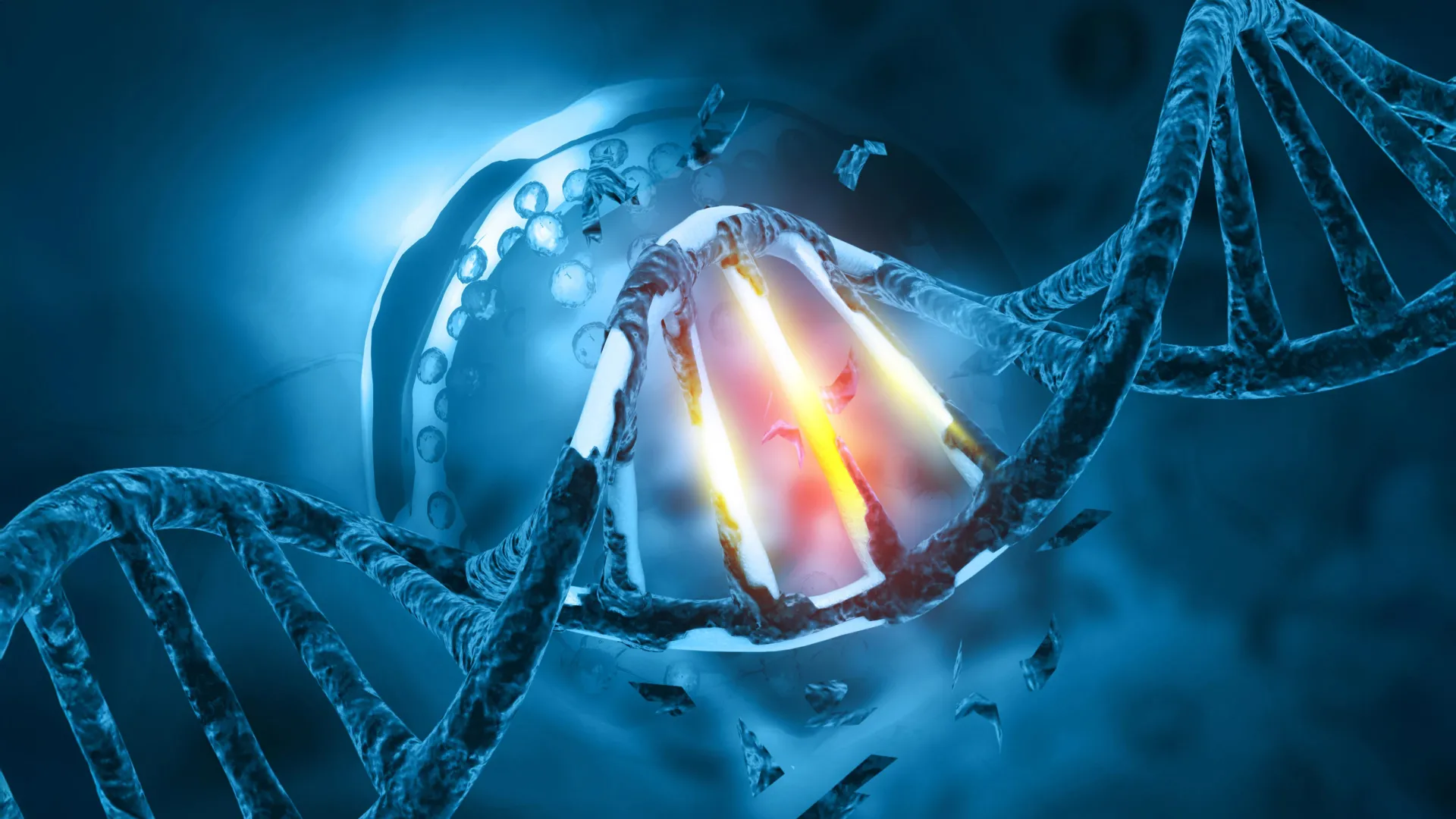
New scientific evidence published in the journal Nature has revealed that the accumulation of disease-causing genetic mutations in the sperm of aging men is not merely a byproduct of random cellular errors, but is driven by a process of internal natural selection. Researchers from the Wellcome Sanger Institute, King’s College London, and Harvard Medical School have demonstrated that certain harmful DNA changes provide a competitive advantage to the cells that produce sperm, allowing these mutations to expand clonally and increase in frequency over time. This discovery fundamentally alters the understanding of how paternal age influences the genetic health of future generations, suggesting that the male reproductive system is a dynamic environment where biological competition can inadvertently favor traits that lead to serious neurodevelopmental disorders and cancer risks in offspring.
The Biological Mechanism of Selfish Spermatogonial Selection
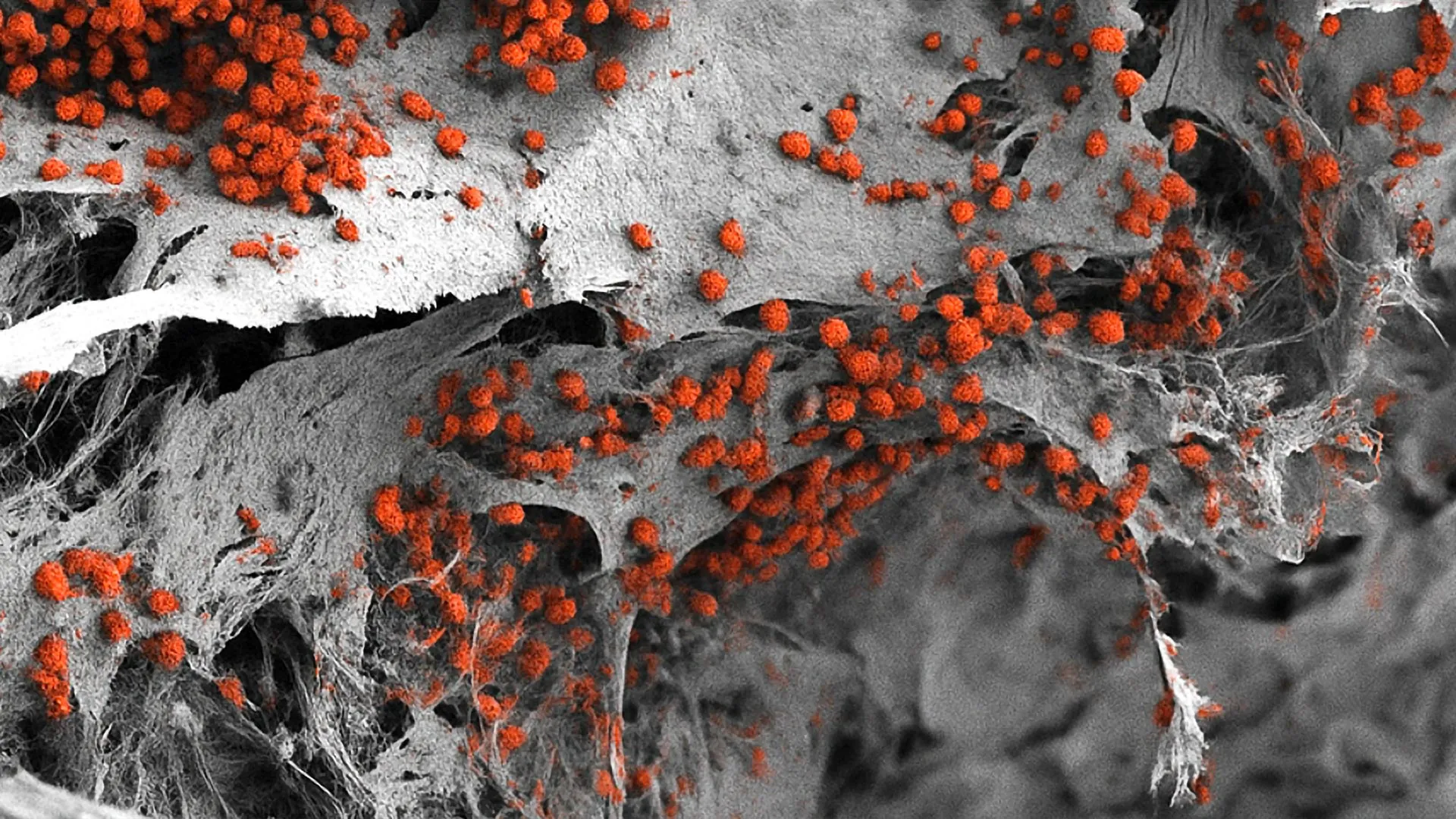
For decades, the scientific community operated under the assumption that the "germline"—the population of cells that give rise to eggs and sperm—was uniquely protected from the high mutation rates seen in the body’s somatic tissues, such as the skin or liver. However, this new research highlights a phenomenon known as "selfish spermatogonial selection." In the testes, spermatogonial stem cells (SSCs) undergo continuous division throughout a man’s life to maintain a constant supply of sperm. In this high-turnover environment, mutations that happen to occur in genes regulating cell growth or survival can give a specific stem cell a "fitness" advantage over its neighbors.
These advantaged stem cells divide more frequently or survive more robustly, creating large clusters of identical "clonal" cells. As these clones expand, the proportion of sperm carrying that specific mutation grows. While these mutations may be beneficial for the stem cell’s survival within the testis, they are often profoundly detrimental to the health of a child conceived from that sperm. This internal selection process explains why certain rare genetic conditions, such as achondroplasia (a form of dwarfism) and various craniosynostosis syndromes, appear more frequently in children of older fathers.
Methodology: Precision Sequencing with NanoSeq Technology
The primary study utilized a groundbreaking DNA sequencing technology called NanoSeq to achieve a level of precision previously unattainable in germline research. Standard sequencing methods often struggle to distinguish between actual biological mutations and technical errors introduced during the sequencing process. NanoSeq overcomes this limitation, allowing researchers to detect rare mutations that may exist in only a small fraction of the total sperm population.
The research team analyzed sperm samples from 81 healthy men, ranging in age from 24 to 75. These participants were drawn from the TwinsUK cohort, the United Kingdom’s largest adult twin registry. By utilizing a cohort with well-documented medical histories and genetic backgrounds, the scientists were able to control for various environmental factors and focus specifically on the correlation between age and the clonal expansion of mutations. This longitudinal approach provided a clear window into how the male germline evolves over five decades of life.
Quantitative Data: The Rising Tide of Genetic Risk
The findings present a stark statistical correlation between advancing paternal age and the prevalence of harmful mutations. The study found that in men in their early 30s, approximately 2 percent of sperm carried mutations capable of causing disease. By the time men reached the age bracket of 43 to 74, this proportion rose to between 3 and 5 percent. Specifically, among the 70-year-old participants, an average of 4.5 percent of sperm contained harmful mutations.
While these percentages may seem small in isolation, the cumulative risk is significant given that a single ejaculate contains millions of sperm. The researchers identified 40 specific genes that appear to benefit from internal selection. Many of these genes are critical for cell signaling and development; when mutated, they are linked to serious conditions including:
- Neurodevelopmental disorders (such as autism and schizophrenia).
- Inherited cancer syndromes.
- Congenital heart defects.
- Skeletal abnormalities.
Notably, 13 of these genes had been identified in previous, smaller studies, but the Sanger Institute’s research expanded the list significantly, proving that the phenomenon of selfish selection is far more widespread across the human genome than previously suspected.
Corroboration Through Parent-Child Genomic Analysis
The findings were further bolstered by a complementary study conducted by Harvard Medical School and the Sanger Institute. Rather than looking directly at sperm, this second team analyzed the "end result" of the mutation process by examining the DNA of children. By processing data from over 54,000 parent-child trios and a reference group of 800,000 healthy individuals, the researchers identified more than 30 genes where mutations gave sperm a competitive edge.
This large-scale analysis revealed that certain mutations can increase the mutation rate in sperm by as much as 500-fold. This explains a long-standing mystery in medical genetics: why some rare disorders appear in children even when neither parent carries the mutation in their blood or saliva. The Harvard study also noted a significant clinical complication: because these mutations are so common in the sperm of older men, they can lead to "false-positive" disease associations. In some cases, a gene might appear to be linked to a disease simply because it has a high mutation rate due to selection, rather than because it is the primary cause of the pathology.
Official Responses and Expert Perspectives
The research has prompted significant discussion among the study’s lead authors regarding the implications for reproductive medicine. Dr. Matthew Neville, the first author from the Wellcome Sanger Institute, expressed surprise at the magnitude of the findings. He noted that while the team expected some evidence of selection, the degree to which it drives up the frequency of disease-linked mutations was unexpected.
Professor Matt Hurles, Director of the Wellcome Sanger Institute, emphasized the "hidden" nature of this genetic risk. He pointed out that because these mutations are localized within the testes and do not appear in a father’s blood or other tissues, they are invisible to standard genetic screenings. This means fathers who conceive later in life may be entirely unaware of the elevated risks they pass on.
Professor Kerrin Small, Scientific Director of the TwinsUK study, highlighted the importance of large-scale population studies. She noted that the collaboration with the twin registry allowed for a level of genetic and health-linked detail that is rarely available in reproductive studies, paving the way for more nuanced understandings of human inheritance.
Dr. Raheleh Rahbari, senior author of the study, challenged the traditional view of the germline as a static, protected reservoir of genetic information. She described the male germline as a "dynamic environment" where natural selection operates in ways that can be counterproductive to the health of the next generation.
Broader Implications for Public Health and Reproductive Trends
The implications of this research are particularly relevant in the context of modern demographic shifts. In many developed nations, the average age of fatherhood has been steadily increasing over the past several decades. As more men delay starting families into their late 30s, 40s, and 50s, the population-level impact of selfish spermatogonial selection is likely to grow.
This research may lead to several changes in clinical practice and public health policy:
- Refined Risk Assessments: Current reproductive counseling focuses heavily on maternal age (particularly the risk of trisomies like Down Syndrome). These findings suggest that paternal age risk assessments need to be more sophisticated, accounting for the clonal expansion of single-gene mutations.
- Advanced Screening Technologies: There may be a growing demand for "sperm-specific" genetic screening or more detailed non-invasive prenatal testing (NIPT) that can detect the specific 40 genes identified in the study.
- Fertility Preservation: Much like the trend of social egg freezing for women, this data may encourage more men to consider banking sperm at a younger age to mitigate the risks associated with the "paternal clock."
- Understanding Miscarriage and Infertility: The study suggests that many of these mutations may be incompatible with life, potentially explaining a portion of unexplained infertility or recurrent pregnancy loss in couples with older male partners.
Future Research Directions
While the study provides a comprehensive map of how mutations accumulate, it also raises new questions for the scientific community. Researchers are now looking to investigate how external factors—such as diet, tobacco use, environmental toxins, and obesity—might accelerate or mitigate the selection process within the testes. There is also a need to understand why certain men seem to accumulate these mutations more rapidly than others, suggesting a potential role for individual genetic predispositions to "germline instability."
Furthermore, the interaction between these sperm mutations and the mother’s egg remains a critical area for study. Not every mutated sperm that reaches an egg will result in a successful conception, and the mechanisms by which the female reproductive tract might "filter" or select against certain genetic anomalies are still poorly understood.
In conclusion, the work of the Wellcome Sanger Institute and its partners has unveiled a complex biological battlefield within the male body. By demonstrating that natural selection can favor mutations that harm the next generation, this research provides a vital missing piece in the puzzle of human genetics and paternal aging. As the scientific community continues to explore this dynamic environment, the goal remains to provide prospective parents with the most accurate information possible to ensure the health and well-being of future generations.