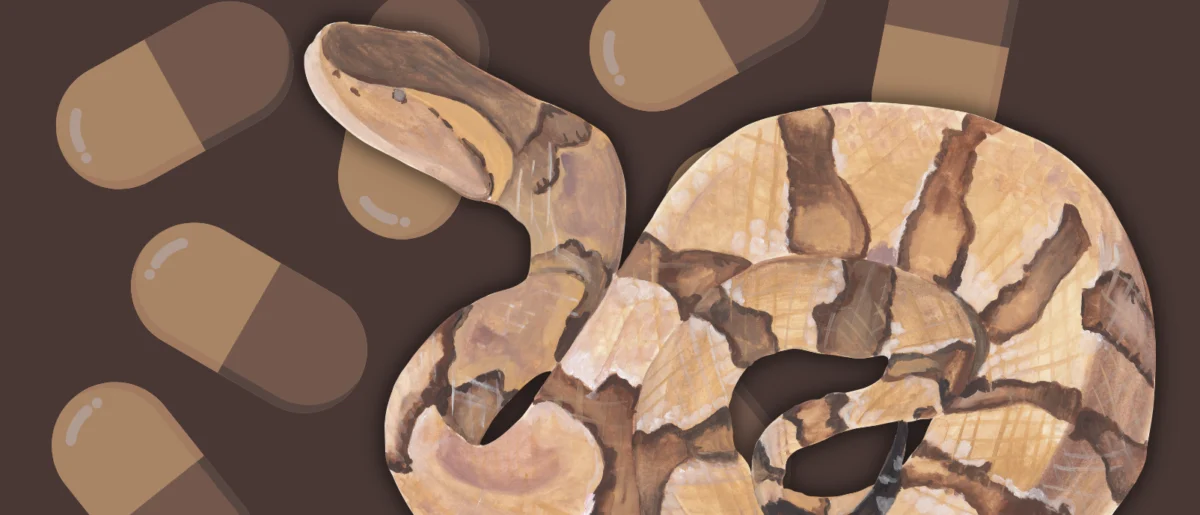
A groundbreaking discovery by a collaborative team of scientists from the University of Colorado Boulder, Stanford University, and Baylor University has unveiled a potent appetite-suppressing metabolite in python blood, a finding that could revolutionize the development of new weight loss therapies and treatments for various metabolic disorders. This metabolite, identified as para-tyramine-O-sulfate (pTOS), has shown remarkable efficacy in promoting satiety and inducing weight loss in mice without the undesirable side effects often associated with existing drugs, such as nausea and muscle degradation. The research, spearheaded by Leslie Leinwand, a distinguished professor of Molecular, Cellular and Developmental Biology at the University of Colorado Boulder, and Jonathan Long, an associate professor of pathology at Stanford University, leverages the extraordinary metabolic adaptations of pythons to unlock novel biological pathways with profound therapeutic potential.
The Unveiling of pTOS: A Breakthrough from the Serpent World
The journey to uncover pTOS began with decades of dedicated research into the unique physiology of pythons. These fascinating reptiles possess unparalleled metabolic capabilities, allowing them to consume enormous meals—sometimes exceeding their own body weight—and then endure months or even years of fasting while maintaining robust cardiovascular health and muscle mass. This incredible adaptability, particularly their ability to rapidly expand their heart by 25% and boost their metabolism 4000-fold post-meal to digest their prey, has long intrigued scientists seeking to understand the extremes of biological function.
In this pivotal study, researchers meticulously analyzed blood samples from ball pythons and Burmese pythons, collected immediately after they had consumed a meal following a 28-day fasting period. The analysis revealed a staggering 208 metabolites that significantly increased after feeding. Among these, pTOS stood out dramatically, surging a remarkable 1000-fold. This unprecedented increase immediately flagged pTOS as a molecule of significant interest.
Subsequent investigations, conducted in collaboration with researchers at Baylor University, focused on understanding the physiological effects of pTOS. When administered in high doses to both obese and lean mice, pTOS demonstrated a clear and impactful role in appetite suppression. Crucially, its action was traced to the hypothalamus, the region of the brain responsible for regulating appetite and hunger. Unlike many existing weight loss medications, pTOS-induced weight loss in mice occurred without triggering gastrointestinal distress, significant muscle loss, or a decline in overall energy levels, presenting a highly favorable therapeutic profile.
Pythons: Nature’s Metabolic Marvels and a Model for Health
The choice of pythons as a research model is far from arbitrary. Professor Leslie Leinwand, who has dedicated over two decades to studying these serpents, emphasizes the concept of "nature-inspired biology." "You look at extraordinary animals that can do things that you and I and other mammals can’t do, and you try to harness that for therapeutic interventions," Leinwand remarked, highlighting the rationale behind exploring such unique biological systems. Pythons are not merely fascinating creatures; they are living laboratories of metabolic extremes. Their ability to drastically alter their metabolic rate and organ size in response to feeding, all while maintaining long-term health, offers invaluable insights into metabolic regulation, cardiovascular adaptation, and muscle preservation.
Jonathan Long echoed this sentiment, stating, "If we truly want to understand metabolism, we need to go beyond looking at mice and people and look at the greatest metabolic extremes nature has to offer." This perspective underscores a growing trend in biomedical research: turning to organisms with exceptional adaptations to uncover novel biological mechanisms that might be conserved, or at least inform, human physiology. The python’s unique digestive cycle, involving periods of intense metabolic activity followed by prolonged dormancy, provides a rich environment for identifying compounds that regulate energy balance and tissue maintenance under extreme conditions.
The Global Obesity Crisis and the Quest for Novel Therapies
The discovery of pTOS comes at a critical juncture, as the world grapples with a burgeoning obesity epidemic. According to the World Health Organization (WHO), global obesity rates have nearly tripled since 1975, with over 1 billion people worldwide now living with obesity, including 650 million adults, 340 million adolescents, and 39 million children. Obesity is a major risk factor for a cascade of non-communicable diseases, including type 2 diabetes, cardiovascular diseases, certain cancers, and musculoskeletal disorders, placing immense strain on healthcare systems globally. The economic burden of obesity, encompassing direct medical costs and indirect productivity losses, runs into trillions of dollars annually.
Current pharmacological interventions for weight loss, such as GLP-1 receptor agonists (e.g., Ozempic, Wegovy), have shown considerable success. These drugs, inspired by the hormone glucagon-like peptide-1, mimic a natural hormone that regulates blood sugar and appetite. Interestingly, the initial inspiration for GLP-1 drugs also came from the animal kingdom, specifically the Gila monster’s venom, which contains a hormone similar to human GLP-1. While effective, these medications are not without their limitations. Studies indicate that as many as half of the individuals prescribed GLP-1 agonists discontinue treatment within a year, often due to side effects like nausea, vomiting, and diarrhea. Furthermore, a significant concern with some weight loss methods, including certain medications and rapid dieting, is the potential for muscle mass loss alongside fat reduction, which can have long-term negative health implications. The search for therapies that can promote healthy weight loss while preserving lean muscle mass remains a high priority.
Beyond GLP-1: A New Horizon in Appetite Suppression
The distinct advantages of pTOS, particularly its ability to induce weight loss without causing gastrointestinal discomfort or muscle atrophy in mice, position it as a potentially superior alternative or complementary therapy to existing GLP-1 drugs. "We’ve basically discovered an appetite suppressant that works in mice without some of the side-effects that GLP-1 drugs have," explained Leinwand. This differentiation is critical for patient adherence and overall health outcomes. Muscle preservation is particularly vital, as muscle tissue is metabolically active and crucial for strength, mobility, and overall quality of life. Losing muscle during weight loss can lead to a less favorable body composition, slower metabolism, and increased frailty, especially in older adults.
The mechanism by which pTOS acts on the hypothalamus suggests a direct pathway to appetite regulation, distinct from the multi-faceted actions of GLP-1, which also involve pancreatic insulin secretion and gastric emptying. This novel mechanism opens up new avenues for pharmacological targeting and could lead to a new class of appetite suppressants with a different side-effect profile.

From Gut Bacteria to Brain: The Journey of pTOS
Intriguingly, the study revealed that pTOS is produced by the snake’s gut bacteria. This finding adds another layer of complexity and potential therapeutic insight, highlighting the increasingly recognized role of the gut microbiome in host metabolism and health. While pTOS is not naturally present in mice, human urine contains low levels of the metabolite, with some increase observed after a meal. This subtle presence in humans, largely overlooked in traditional metabolic research primarily focused on rodent models, suggests that pTOS or a similar compound might play a minor, yet previously unrecognized, role in human appetite regulation. The fact that most metabolic research relies heavily on mice and rats, which do not naturally produce pTOS, may explain why this powerful appetite suppressant remained undiscovered until now. This underscores the value of looking beyond conventional models to uncover novel biological secrets.
The Road Ahead: Translating Discovery to Therapy
The path from a scientific discovery in an animal model to a safe and effective human therapy is long and arduous, requiring extensive research and rigorous clinical trials. Recognizing the immense potential of their findings, Leinwand, Long, and their colleagues at CU Boulder have co-founded Arkana Therapeutics. This start-up aims to bridge the gap between basic scientific discovery and commercial therapeutic development, with the ultimate goal of translating the lessons learned from pythons into tangible treatments for human health.
The immediate next steps for Arkana Therapeutics and the research team involve further characterizing pTOS. This includes detailed studies on its pharmacokinetics and pharmacodynamics in various animal models, exploring different routes of administration, and optimizing its chemical structure for stability, bioavailability, and specificity. A crucial phase will be to investigate how pTOS functions in human physiology. This will involve human observational studies to confirm its presence and activity, followed by early-phase clinical trials to assess its safety, tolerability, and preliminary efficacy in human volunteers. These trials will be critical to determine if the promising results observed in mice translate effectively to humans and if the lack of side effects, particularly nausea and muscle loss, holds true. The process of drug development, from lead identification to market approval, can take over a decade and cost billions of dollars, emphasizing the significant investment and commitment required.
Broader Implications: Sarcopenia and Beyond
The therapeutic aspirations of the research extend beyond just weight loss. Professor Leinwand believes that the unique metabolic insights from pythons could also offer solutions for sarcopenia, the age-related loss of muscle mass and strength. Sarcopenia affects a vast segment of the aging population, impacting nearly everyone to some degree as they get older. It is particularly detrimental for individuals with underlying health conditions that limit their physical activity. Currently, there are no approved pharmacological therapies to halt or reverse sarcopenia, making it a major unmet medical need.
Pythons’ remarkable ability to maintain muscle mass even during prolonged periods of fasting and metabolic flux suggests that their biology might hold clues to preventing or reversing muscle atrophy. If pTOS or other python-derived metabolites can influence muscle protein synthesis or degradation pathways, they could pave the way for novel treatments for sarcopenia, improving quality of life and functional independence for millions worldwide. This broader scope highlights the versatility of "nature-inspired biology" and the potential for a single research avenue to yield multiple therapeutic breakthroughs.
The Power of Biomimicry: Learning from Extremes
The discovery of pTOS from python blood is a powerful testament to the value of biomimicry – the emulation of natural biological processes and designs to solve human problems. From the Gila monster’s venom informing GLP-1 drugs to the python’s unique metabolism revealing pTOS, the natural world continues to be an unparalleled source of innovation for biomedical science. By studying organisms that thrive in extreme conditions or possess extraordinary physiological capabilities, scientists can uncover fundamental biological principles that are often obscured in more conventional models. This approach not only broadens our understanding of life but also accelerates the development of novel treatments for complex human diseases.
The research team is far from concluding their exploration of python metabolites. Leinwand noted, "We’re not stopping with just this one metabolite. There’s a lot more to be learned." The initial study identified numerous other metabolites that soared by 500% to 800% after pythons ate, each representing a potential new avenue for discovery. Future research will undoubtedly focus on cataloging the functions of these additional compounds, exploring their roles in various metabolic processes, and assessing their therapeutic potential for a wide array of human health conditions, from cardiovascular disease to metabolic syndrome.
Expert Perspectives and Future Outlook
The scientific community has reacted to the pTOS discovery with a mixture of excitement and cautious optimism. While the findings in mice are highly encouraging, experts emphasize the inherent challenges in translating such results to human patients. Dr. Elena Rodriguez, a prominent endocrinologist not involved in the study, commented, "This is an incredibly exciting piece of research, showcasing the power of comparative physiology. The potential for a weight loss therapy that avoids common gastrointestinal side effects and preserves muscle mass would be a game-changer. However, we must proceed with rigorous clinical trials to ensure safety and efficacy in humans. The journey from discovery to drug is long, but this is a very promising start."
Public health organizations and patient advocacy groups also express hope, acknowledging the urgent need for more effective and tolerable weight management solutions. The prospect of a new class of appetite suppressants, potentially offering a different set of benefits and fewer drawbacks than current options, could significantly impact the global fight against obesity and its associated health burdens. As Arkana Therapeutics moves forward with its mission, the scientific world will be watching closely, anticipating the next chapters in this fascinating story of nature-inspired medical innovation. The secrets held within the blood of a python may yet unlock profound improvements in human metabolic health.