In a significant leap forward for hematological research and regenerative medicine, scientists at the Indiana University School of Medicine have successfully engineered a sophisticated imaging methodology designed to visualize the intricate internal landscape of bone marrow within mouse models. This pioneering approach, which utilizes high-dimensional multiplex imaging, addresses long-standing technical hurdles that have historically impeded the study of this complex tissue. By preserving the structural integrity of the bone marrow while simultaneously identifying dozens of cellular markers, the IU research team has opened a new window into the "niche" where blood cells are born and where diseases like leukemia often take root. The findings, recently published in the prestigious journal Leukemia, represent a collaborative effort between the IU Cooperative Center of Excellence in Hematology and the Herman B Wells Center for Pediatric Research.
The Biological Frontier: Understanding the Bone Marrow Niche
Bone marrow is one of the most vital yet least accessible tissues in the mammalian body. Located within the medullary cavities of bones, it serves as the primary site of hematopoiesis—the process by which the body produces billions of new blood cells every day. It is a highly specialized environment, or "niche," containing a diverse population of hematopoietic stem cells (HSCs), mesenchymal stem cells, immune cells, and a complex network of blood vessels and nerves.
However, the very nature of bone marrow makes it a nightmare for traditional imaging. As Sonali Karnik, PhD, an assistant research professor of orthopedic surgery at the IU School of Medicine and co-lead author of the study, noted, the tissue is gelatinous and delicate, yet it is encased in a rigid, mineralized bone shell. To study it, researchers have historically had to choose between two suboptimal paths: they could either chemically dissolve the bone, which often damages the delicate marrow inside, or they could extract the marrow and break it down into a cellular "soup" for analysis. Both methods result in a loss of spatial context—the crucial information about where specific cells are located in relation to one another.
The spatial arrangement of cells within the bone marrow is not merely an aesthetic detail; it is fundamental to how the tissue functions. For instance, the proximity of a stem cell to a specific blood vessel or a nerve fiber can determine whether that cell remains dormant or begins to divide and differentiate. When this spatial organization is disrupted by disease, such as in the case of leukemia or bone metastasis, the entire system can fail. The IU team’s new methodology allows for the first time a high-resolution, multi-marker view of this organization in its undisturbed state.
Overcoming the Limitations of Traditional Diagnostic Tools
For decades, the gold standards for studying bone marrow and blood-related disorders have been flow cytometry and standard immunofluorescence imaging. While these tools have provided invaluable insights, they come with significant technological "ceilings" that the IU researchers sought to break through.
Flow cytometry is a powerful technique for quantifying cell populations. It involves labeling cells with fluorescent antibodies and passing them one by one through a laser. While it can detect many markers simultaneously, it requires the tissue to be dissociated into a single-cell suspension. This process effectively destroys the "map" of the tissue. Researchers can tell how many of a certain cell type are present, but they cannot tell where they were or how they were interacting with their neighbors.
On the other hand, standard immunofluorescence imaging preserves the tissue structure but is severely limited by the "color" spectrum. Most standard microscopes can only distinguish between three or four different fluorescent markers at a time because the light signals from the dyes begin to overlap, creating visual noise. In a tissue as complex as bone marrow, where dozens of different cell types interact, three markers are insufficient to capture the full biological picture.
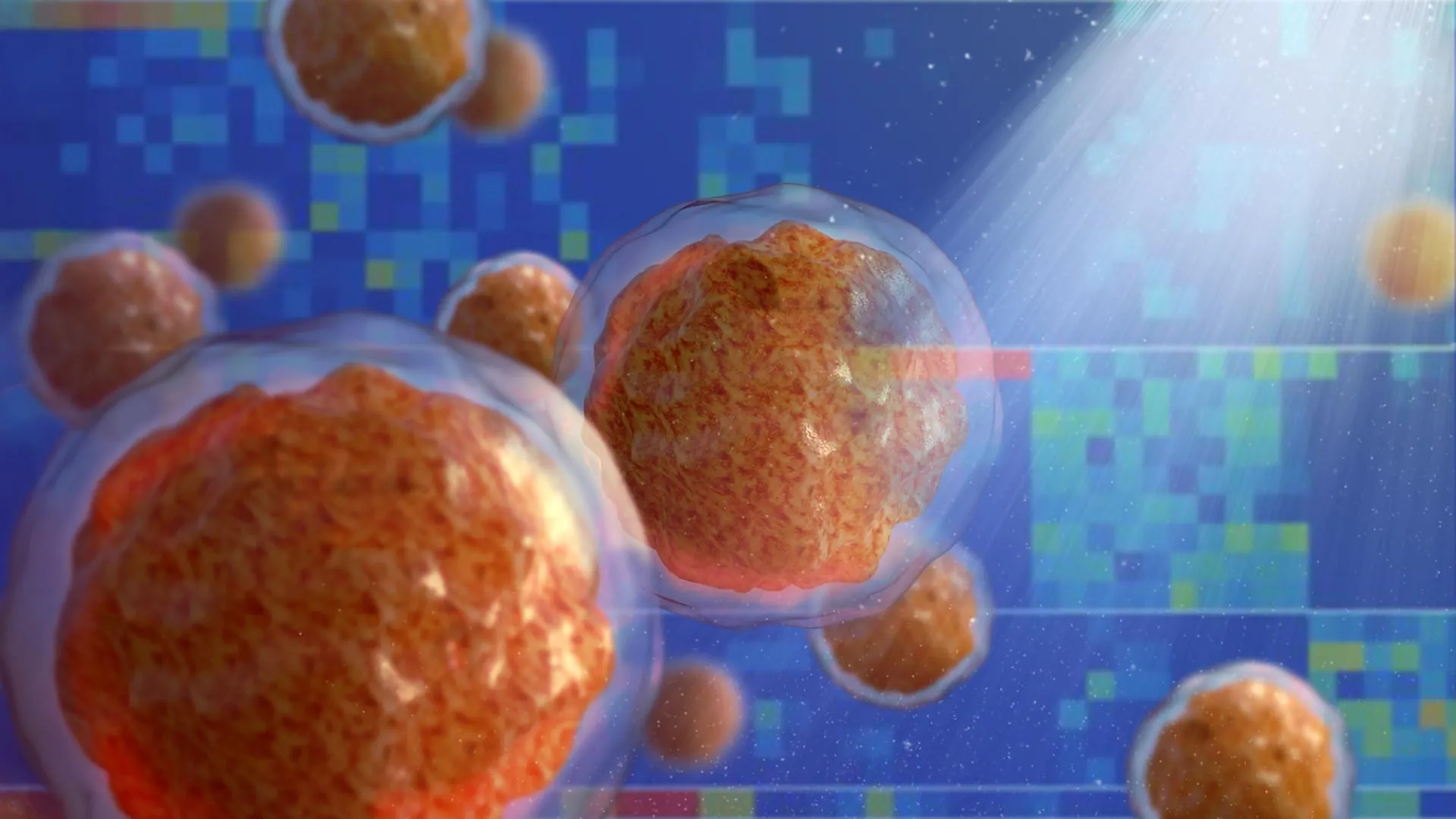
The Indiana University team utilized the Phenocycler 2.0 (formerly known as CODEX), a multiplex imaging platform that uses a "cycle-and-image" approach. Instead of applying all antibodies at once, the system applies them in small batches, images them, and then washes them away before applying the next set. This allows researchers to visualize an unprecedented number of markers—25 in this specific study—on a single slice of tissue. By layering these images, the team can create a comprehensive, high-definition map of the bone marrow environment.
Methodological Chronology and Technical Development
The journey toward this breakthrough involved several years of optimization and cross-disciplinary collaboration. The IU Cooperative Center of Excellence in Hematology (CCEH) identified a need for better spatial proteomics in mouse models, which are the primary vehicles for preclinical drug testing and disease modeling.
The research began with the challenge of preparing the mouse bone for imaging without compromising the marrow’s cellular integrity. The team developed a specialized protocol for fixing and sectioning the bone that maintained the spatial relationship between the hard mineralized exterior and the soft interior. Following the preparation phase, the team curated a panel of 25 antibodies, each targeting a specific protein marker indicative of different cell types, such as myeloid cells, lymphoid cells, and various stages of stem cell development.
During the testing phase, the researchers had to ensure that the repeated cycling of the Phenocycler 2.0—the process of staining, imaging, and stripping—did not degrade the tissue sample over time. The successful application of this tool to mouse bone marrow marks the first time this specific technology has been successfully adapted for this challenging tissue type, as previous applications were largely restricted to softer organs like the spleen, liver, and kidneys.
Data Analysis and Scientific Significance
The data generated by the 25-marker panel provides a granular look at the bone marrow architecture that was previously unattainable. The researchers were able to identify distinct "neighborhoods" within the marrow, where specific clusters of cells congregate.
Key data points highlighted in the study include:
- Spatial Distribution of HSCs: The ability to map hematopoietic stem cells in relation to the endosteum (the inner surface of the bone) and the vascular niches.
- Immune Cell Mapping: Visualizing the distribution of T-cells, B-cells, and macrophages, which is critical for understanding how the bone marrow responds to infection or immunotherapy.
- Disease Modeling: The technique was validated in mouse models of human disease, demonstrating its utility in tracking how leukemia cells infiltrate the marrow and displace healthy blood-forming cells.
Reuben Kapur, PhD, co-senior author of the study and director of the Herman B Wells Center for Pediatric Research, emphasized that the use of mouse models is critical. Because mouse physiology closely mirrors human biology in terms of blood formation, the ability to map mouse bone marrow with such precision allows researchers to test new drugs and observe their effects on the "micro-architecture" of the tissue before moving to human clinical trials.
Implications for Oncology and Beyond
The implications of this research extend far beyond the laboratory. In the field of oncology, particularly for blood cancers like leukemia and multiple myeloma, the bone marrow is the "ground zero" of the disease. Cancer cells often hijack the bone marrow niche, using it as a shield to protect themselves from chemotherapy. By using the IU team’s imaging technique, researchers can now see exactly how these cancer cells interact with the surrounding healthy cells and the bone itself. This could lead to the development of "niche-disrupting" therapies that flush cancer cells out of their hiding spots, making them more vulnerable to treatment.
Furthermore, the technique holds promise for autoimmune diseases. In conditions where the immune system attacks the body’s own tissues, the bone marrow is often where the rogue immune cells are produced and trained. Understanding the spatial dynamics of this process could lead to more targeted interventions that do not suppress the entire immune system.
Musculoskeletal disorders, such as osteoporosis and bone healing after trauma, also stand to benefit. Since the bone marrow contains the precursors for bone-building cells, the ability to see how these cells are activated or inhibited within the marrow could lead to new treatments for bone density loss.
Future Directions and Intellectual Property
The Indiana University Innovation and Commercialization Office has recognized the transformative potential of this methodology and has officially filed a provisional patent. This move signals the intent to transition this laboratory technique into a standardized tool that could be used by pharmaceutical companies and academic institutions worldwide.
Looking ahead, the research team is already working to expand the scope of their imaging panel. While 25 markers represent a record for bone marrow, the scientists aim to include even more features. Future iterations of the panel are expected to include markers for:
- Nervous System Integration: Mapping how nerves within the bone influence blood cell production.
- Muscle Interaction: Examining the interface between the bone, marrow, and surrounding muscle tissue.
- Expanded Signaling Pathways: Identifying the specific proteins and chemical signals that cells use to communicate within the niche.
The ultimate goal is to create a "digital twin" of the bone marrow—a complete, three-dimensional, multi-parameter model that can be used to simulate disease progression and drug responses.
Institutional and Financial Support
This research was made possible through significant support from the National Institutes of Health (NIH), reflecting the federal government’s commitment to advancing high-tech diagnostic and research tools. The collaboration involved a diverse group of experts from the IU School of Medicine, including specialists in orthopedic surgery, pediatrics, and hematology.
Contributing authors alongside Dr. Karnik and Dr. Kapur include Connor Gulbronson, Paige C. Jordan, Rahul Kanumuri, Baskar Ramdas, Ramesh Kumar, Melissa L. Hartman, Izza Khurram, Drew M. Brown, Karen E. Pollok, Pratibha Singh, and Melissa A. Kacena. The multidisciplinary nature of the team underscores the complexity of the project, requiring expertise in everything from bone biology to advanced computational imaging.
As the medical community continues to move toward "precision medicine," tools like the IU multiplex imaging technique will be essential. By providing a high-resolution map of the body’s most hidden tissues, Indiana University researchers are not just observing the bone marrow; they are providing the blueprint for the next generation of life-saving therapies.