The rapidly evolving landscape of multiple myeloma treatment is witnessing a pivotal moment with the emergence of in vivo chimeric antigen receptor (CAR)-T cell therapies. Kelonia Therapeutics, recently acquired by pharmaceutical giant Eli Lilly, presented promising yet preliminary data for its investigational therapy, KLN-1010, at the prestigious American Society of Clinical Oncology (ASCO) 2026 meeting. The findings from the Phase I inMMyCAR clinical trial (NCT07075185), held from May 29 to June 2, 2026, position KLN-1010 as a potential contender in the relapsed or refractory (r/r) multiple myeloma space, while also inviting direct comparisons with AstraZeneca’s similar investigational therapy, ESOT-01.
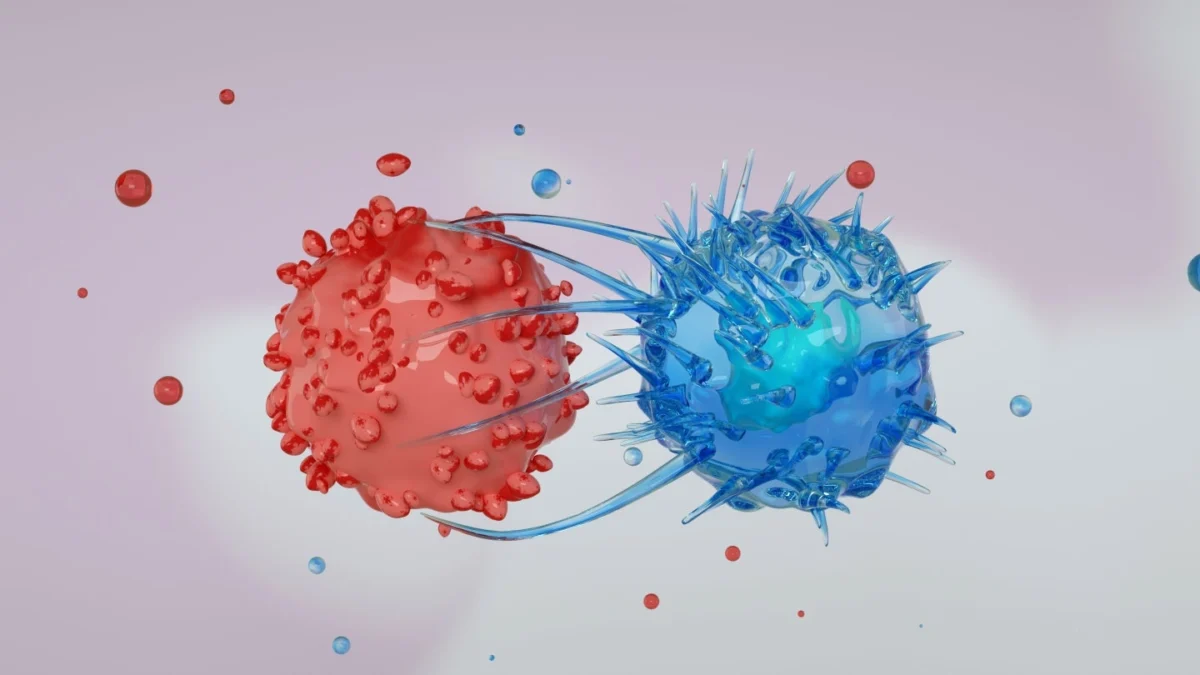
The core innovation behind KLN-1010 lies in its "in vivo" CAR-T approach. Unlike traditional autologous CAR-T therapies, which necessitate a complex multi-step process involving patient apheresis, ex vivo cell manipulation and manufacturing, and subsequent lymphodepletion, KLN-1010 is a modified lentiviral vector designed to be infused directly into patients. This vector encodes a human anti-B-cell maturation antigen (BCMA) CAR, aiming to engineer the patient’s own T-cells to target and destroy multiple myeloma cells expressing BCMA. This streamlined delivery method bypasses the logistical hurdles and time delays associated with ex vivo manufacturing, potentially accelerating patient access to this advanced therapeutic modality.
The acquisition of Kelonia Therapeutics by Eli Lilly in April 2026 for an upfront payment of $3.25 billion, with an additional $3.75 billion contingent on future milestone achievements, underscores the significant strategic interest in Kelonia’s innovative CAR-T platform, including KLN-1010. This substantial investment signals Eli Lilly’s commitment to advancing novel oncology treatments and its belief in the transformative potential of in vivo CAR-T therapies.
Promising Efficacy Signals in Early-Stage Trial
The Phase I inMMyCAR trial enrolled 18 patients diagnosed with relapsed or refractory multiple myeloma, a patient population that has exhausted standard treatment options. These patients received KLN-1010 across three escalating dose levels. The initial results presented at ASCO 2026 were encouraging, with all 18 participants demonstrating some level of response to the therapy. Specifically, the reported outcomes included nine partial responses (PR), four very good partial responses (VGPR), one complete response (CR), and four stringent complete responses (sCR).
Further analysis of patients evaluable at least four months post-infusion (n=6) revealed a sustained deep response. Two of these patients achieved VGPRs, while a notable four achieved sCRs, indicating that KLN-1010 possesses the capacity to induce durable and profound responses in a subset of patients. A critical measure of treatment success in multiple myeloma is minimal residual disease (MRD) negativity, which signifies the absence of detectable cancer cells after treatment. In this trial, all 18 patients achieved MRD negativity at one month post-infusion. However, the data also highlighted the dynamic nature of responses, with one patient becoming MRD-positive at their four-month follow-up. Another patient experienced disease progression at their four-month follow-up, despite an initial partial response and MRD negativity at the one-month mark. These observations underscore the need for extended follow-up to fully ascertain the long-term efficacy and durability of KLN-1010.
An additional positive observation was the complete resolution of extramedullary disease in one patient by the first-month follow-up, a form of the cancer that has spread beyond the bone marrow and is often associated with a poorer prognosis.
Tolerability and Safety Profile: A Key Differentiator?
A significant concern with lentiviral-based therapies, particularly CAR-T approaches, is their potential for toxicity. However, the safety data presented for KLN-1010 at ASCO 2026 appeared relatively moderate, offering a potentially favorable profile compared to some earlier CAR-T therapies. Four patients experienced cytokine release syndrome (CRS), a common and potentially serious side effect of CAR-T therapy, characterized by a rapid, widespread release of inflammatory cytokines. Crucially, all instances of CRS in this trial were graded as 1 or 2, indicating mild to moderate severity, and were successfully managed with standard interventions such as tocilizumab and corticosteroids.
Furthermore, two patients developed immune effector cell-associated neurotoxicity syndrome (ICANS), another significant CAR-T related adverse event. One of these cases was graded as 3, representing a more severe form of neurotoxicity, but it was reportedly manageable and resolved within three days. The ability to manage these toxicities effectively and the observed moderate severity suggest that KLN-1010 might be amenable to outpatient administration in the future, a significant advancement that could improve patient convenience and reduce healthcare burdens.
Comparison with AstraZeneca’s ESOT-01: Efficacy vs. Safety Trade-offs
The preliminary data for KLN-1010 invites direct comparison with AstraZeneca’s ESOT-01, another BCMA-targeting lentiviral in vivo CAR-T therapy. Data for ESOT-01 was published in The Lancet in March 2026, also in the context of r/r multiple myeloma. The Lancet paper detailed findings from five patients, with three experiencing grade 3 CRS, indicating a potentially higher incidence of severe CRS compared to KLN-1010.
A particularly concerning event reported with ESOT-01 involved a patient with pre-existing extramedullary disease who experienced severe neurological deterioration coinciding with peak CAR-T expansion. This patient subsequently died of cardiac arrest. While all four evaluable patients in the ESOT-01 study achieved MRD negativity, with three achieving sCR and one a VGPR, the reported severe adverse events, including a fatality, raise significant safety concerns.
Based on these early comparisons, it appears that AstraZeneca’s ESOT-01 might exhibit greater efficacy, evidenced by the potentially deeper and more consistent responses observed in a small cohort. However, Eli Lilly’s KLN-1010 may possess a more favorable safety profile, characterized by lower rates of severe CRS and manageable neurotoxicity. This potential trade-off between efficacy and safety will be a critical factor in the future development and clinical positioning of these therapies.
Unanswered Questions and Clinical Positioning Challenges
Despite the promising initial findings, the data presented for KLN-1010 remains immature. The trial is still in its early stages, and a larger patient cohort followed for a longer duration is essential to definitively establish both the safety and efficacy of this therapy. Several critical questions remain unanswered that will significantly influence its clinical utility.
A key consideration is the prior treatment history of the patients enrolled in the inMMyCAR trial. It is unclear if any of the patients had previously received BCMA-targeting bispecific antibodies or autologous ex vivo CAR-T therapies. This information is crucial because many patients with relapsed or refractory multiple myeloma, particularly those in later lines of therapy, are likely to have been treated with J&J’s Carvykti (ciltacabtagene autoleucel) or Tecvayli (teclistamab), which are already approved for r/r multiple myeloma and are in late-stage trials for newly diagnosed patients. If KLN-1010 is to be considered for patients who have already undergone BCMA-targeted therapies, its efficacy might be diminished in those who are refractory to such treatments. This potential for cross-resistance could limit its therapeutic window and competitive advantage.
The rapid evolution of the multiple myeloma treatment landscape, with the introduction of novel agents and the increasing use of established therapies in earlier lines of treatment, presents a significant challenge for any new therapy, including in vivo CAR-Ts. The clinical positioning of KLN-1010, and indeed in vivo CAR-Ts in general, will require careful navigation to identify specific patient populations where they offer a clear benefit over existing or emerging treatment paradigms. Demonstrating superior efficacy, a more manageable safety profile, or a significant improvement in patient convenience and accessibility will be paramount for successful market entry and widespread adoption.
The Future of In Vivo CAR-T Therapies
The ASCO 2026 meeting served as a crucial platform for showcasing the advancements in in vivo CAR-T cell therapy. While both KLN-1010 and ESOT-01 are in their nascent stages of development, the early data offers a glimpse into the potential of this next-generation therapeutic approach. The ability to deliver CAR-T therapy directly to patients, bypassing the complexities of ex vivo manufacturing, holds the promise of democratizing access to these life-saving treatments.
The success of Eli Lilly’s investment in Kelonia Therapeutics hinges on the continued positive development of KLN-1010. Future clinical trials will need to rigorously assess its long-term efficacy, durability of response, and safety in larger, more diverse patient populations. Comparative studies against established standards of care and head-to-head trials against other novel therapies will be essential to define its place in the treatment algorithm for multiple myeloma. The journey for in vivo CAR-T therapies is still unfolding, but the initial steps taken by Kelonia Therapeutics and Eli Lilly, as presented at ASCO 2026, represent a significant stride forward in the ongoing fight against multiple myeloma. The oncology community will be closely watching as more data emerges, aiming to understand the full potential and limitations of these groundbreaking therapies.