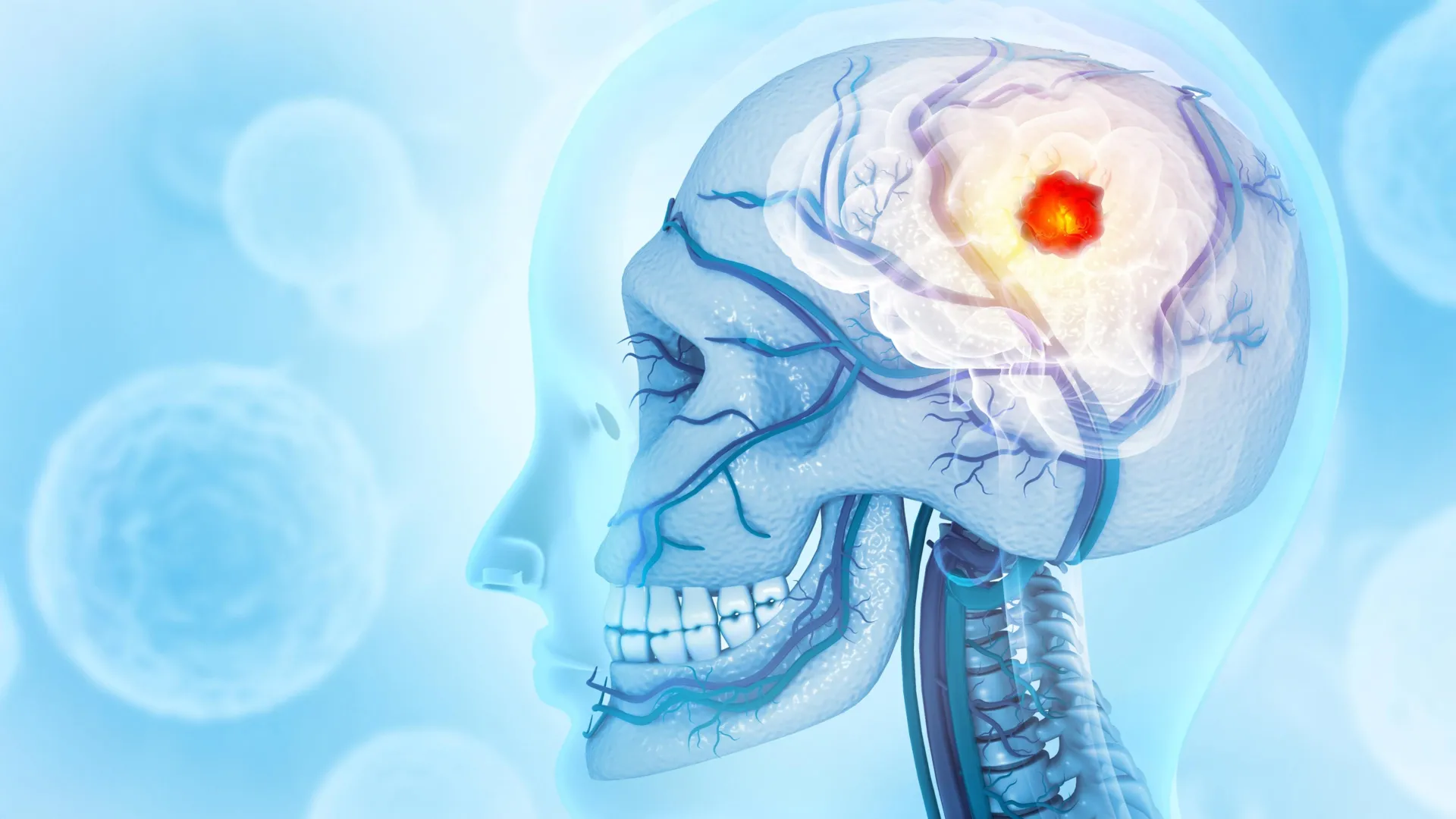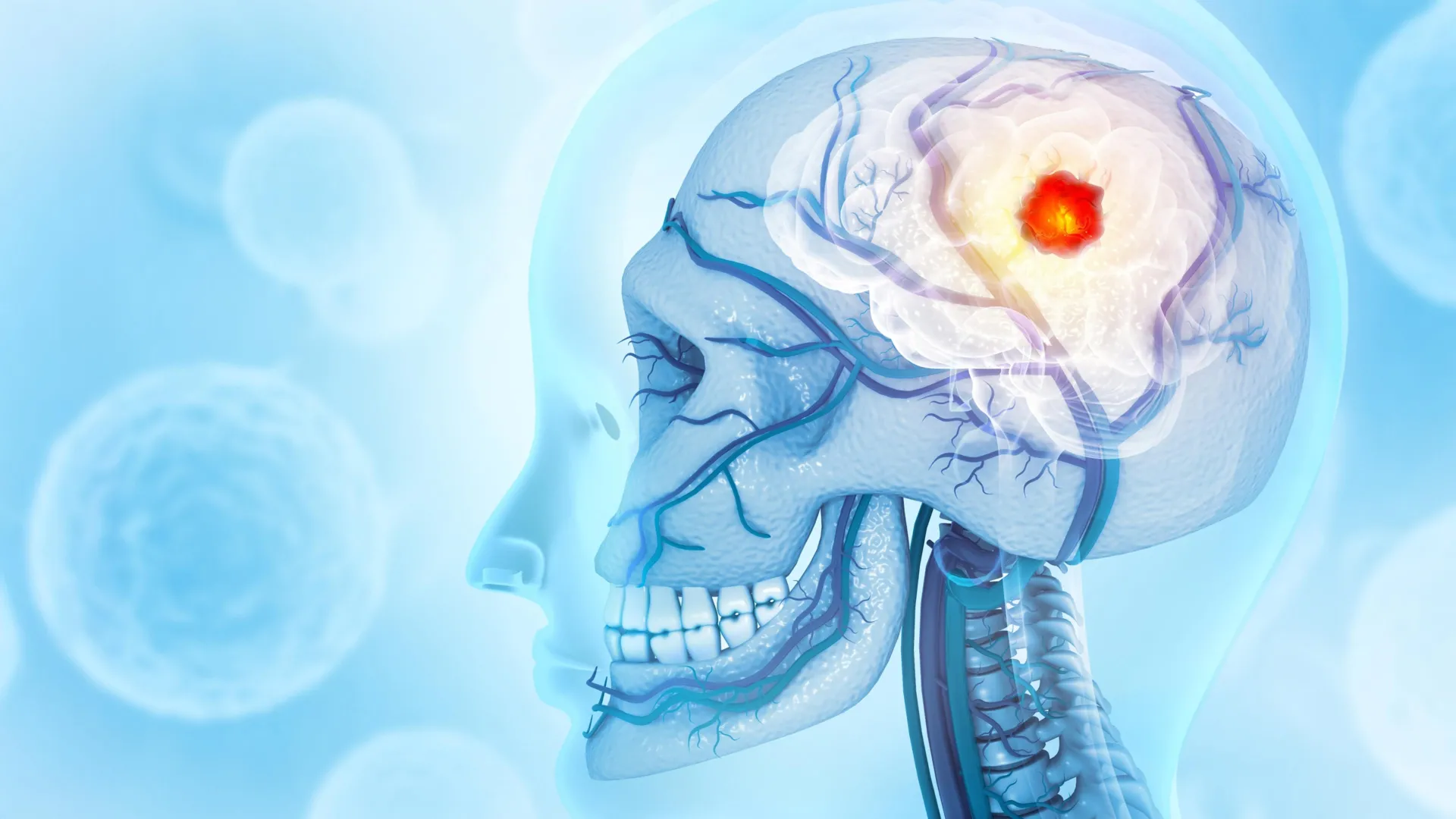
A groundbreaking study led by researchers from the Montefiore Einstein Comprehensive Cancer Center (MECCC) and the Albert Einstein College of Medicine has fundamentally altered the scientific understanding of glioblastoma, the most aggressive and lethal form of primary brain cancer. For decades, glioblastoma has been treated as a localized neurological malignancy, confined within the blood-brain barrier. However, the findings published on October 3 in the journal Nature Neuroscience reveal that the tumor’s reach extends far beyond brain tissue, actively remodeling the skull’s physical structure and hijacking the body’s immune-cell production centers.
The research indicates that glioblastoma triggers significant erosion of the skull bone and fundamentally alters the composition of the bone marrow located within the calvaria (the upper part of the neurocranium). Perhaps most significantly, the study warns that certain medications commonly prescribed to prevent bone loss—such as those for osteoporosis—may inadvertently accelerate the progression of the cancer or interfere with the efficacy of immunotherapy. This revelation provides a potential explanation for why traditional therapies, which focus solely on the brain, have consistently failed to improve long-term survival rates for patients.
The Paradigm Shift: From Local to Systemic Disease
Glioblastoma multiforme (GBM) remains one of the most challenging diagnoses in oncology. According to data from the National Cancer Institute (NCI), approximately 15,000 individuals in the United States are diagnosed with the disease annually. Despite an aggressive standard of care—which typically involves surgical resection followed by a combination of temozolomide chemotherapy and ionizing radiation—the median survival time has remained stubbornly fixed at approximately 15 months.
"Our discovery that this notoriously hard-to-treat brain cancer interacts with the body’s immune system may help explain why current therapies have failed," stated Jinan Behnan, Ph.D., the study’s corresponding author and assistant professor at Einstein. Dr. Behnan, who serves in the Leo M. Davidoff Department of Neurological Surgery and the department of microbiology & immunology, emphasized that the medical community has long viewed glioblastoma through a narrow lens. By treating it as a "local disease," clinicians may have been ignoring the systemic reinforcements the tumor recruits from the surrounding bone structure.
The Discovery of Skull-Brain Connectivity
The research team was motivated by recent anatomical discoveries suggesting that the brain is not as isolated as once thought. Emerging evidence has shown the existence of microscopic, "extremely thin" channels that bridge the gap between the brain and the skull. These channels serve as conduits for the exchange of molecular signals and immune cells, creating a direct line of communication between the central nervous system and the bone marrow of the skull.
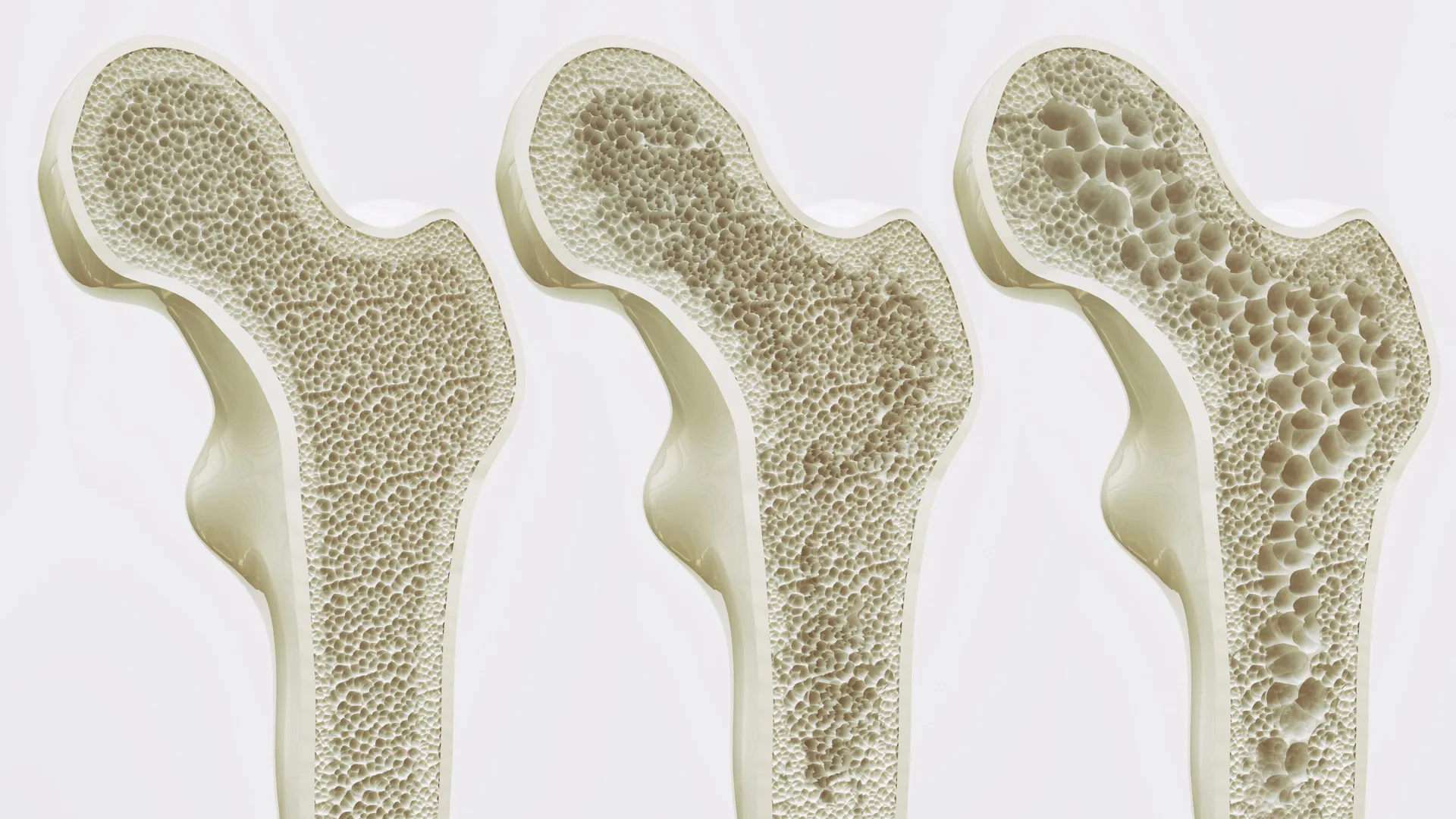
To investigate how glioblastoma exploits these pathways, the MECCC team utilized advanced imaging tools to observe mice models with two distinct types of glioblastoma. The results were startling: as the tumors grew, the skull bone began to erode, particularly at the sutures—the fibrous joints where the various bones of the skull fuse together.
Crucially, this bone loss was not a generic response to intracranial pressure or brain injury. When researchers observed mice that had suffered strokes or other forms of traumatic brain injury, the skull remained intact. Similarly, cancers originating elsewhere in the body did not produce this localized skull erosion. The phenomenon was specific to glioblastoma and other highly aggressive brain tumors, suggesting the tumor actively secretes signals to "digest" its surrounding container.
To confirm these findings in humans, the researchers analyzed CT scans of patients diagnosed with glioblastoma. The clinical data mirrored the laboratory results, showing significant thinning of the skull in the exact regions identified in the mouse models.
Remodeling the Bone Marrow: A Tilt Toward Inflammation
The erosion of the skull does more than just weaken the bone; it physically expands the channels connecting the brain to the marrow. The study found that as the bone thinned, the size and number of these channels increased. The researchers hypothesized that the tumor uses these widened "highways" to send molecular instructions to the skull’s bone marrow, effectively "reprogramming" the immune system’s production line.
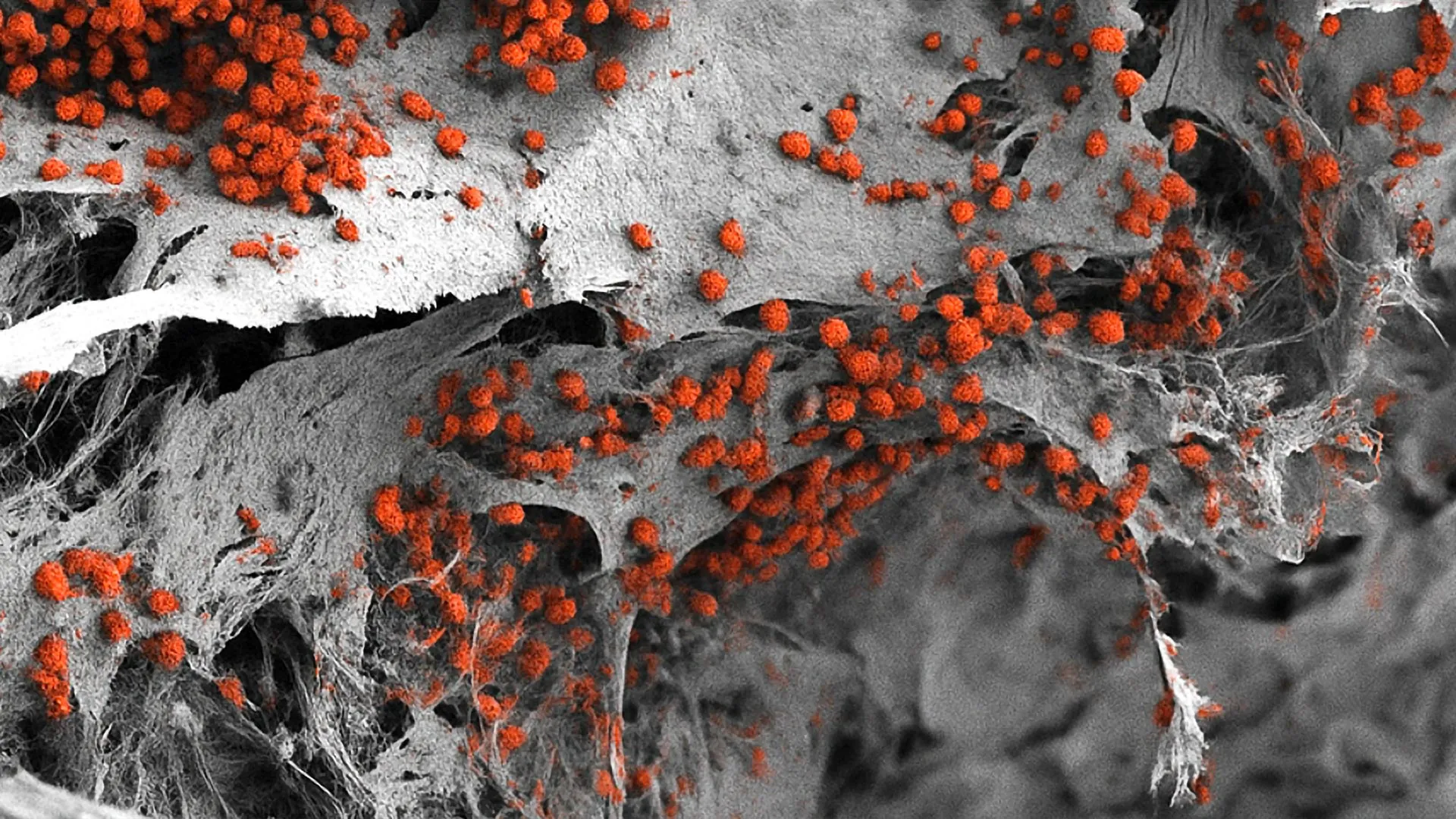
Using single-cell RNA sequencing—a high-resolution technique that allows scientists to examine the genetic activity of individual cells—the team mapped the immune landscape within the skull marrow. They discovered a dramatic shift in cell populations. In the presence of glioblastoma, the marrow began overproducing pro-inflammatory myeloid cells. Specifically, levels of inflammatory neutrophils nearly doubled.
Simultaneously, the marrow’s production of beneficial, "protective" immune cells plummeted. The researchers observed the near-total elimination of several types of B cells, which are responsible for producing antibodies, as well as other critical lymphoid cells.
"The skull-to-brain channels allow an influx of these numerous pro-inflammatory cells from the skull marrow to the tumor, rendering the glioblastoma increasingly aggressive," explained co-author E. Richard Stanley, Ph.D., a professor of developmental and molecular biology at Einstein. This influx creates a "vicious cycle" where the tumor recruits inflammatory cells that suppress the body’s natural ability to fight the cancer, leading to rapid progression and resistance to treatment.
The Systemic Disconnect: Skull vs. Femur
One of the most intriguing aspects of the study was the realization that glioblastoma affects different parts of the skeletal system in opposing ways. While the marrow in the skull was pushed into a hyper-inflammatory state, the marrow in the femur (thigh bone) reacted differently.
In the skull marrow, glioblastoma activated genes that boosted the production of inflammatory cells. However, in the femur marrow, the cancer appeared to suppress the genes necessary for producing various immune cells. This finding reinforces the theory that glioblastoma is a systemic disease that communicates with the entire body, but its most direct and damaging "orders" are reserved for the marrow in its immediate vicinity.
The Osteoporosis Medication Paradox
Perhaps the most clinically significant finding involves the use of bone-preserving medications. Given the observation of skull erosion, the researchers tested whether FDA-approved anti-osteoporosis drugs could mitigate the damage. They administered two common treatments: zoledronic acid (a bisphosphonate) and denosumab (a monoclonal antibody).
While both drugs were successful in halting the erosion of the skull bone, the biological consequences were catastrophic in the context of cancer. In one type of glioblastoma, zoledronic acid actually fueled the progression of the tumor, making it more aggressive.
Furthermore, both drugs were found to interfere with the efficacy of immunotherapy. Specifically, they blocked the beneficial effects of anti-PD-L1 drugs. Anti-PD-L1 is a class of checkpoint inhibitors designed to "unmask" cancer cells so that tumor-fighting T cells can attack them. By altering the bone marrow environment, the osteoporosis drugs prevented the immune system from mounting the response the immunotherapy was intended to trigger.
This finding carries heavy implications for clinical practice. Many cancer patients are prescribed bone-strengthening agents to combat the side effects of chemotherapy or to treat bone metastases. The Einstein study suggests that for glioblastoma patients, these drugs might be doing more harm than good by inadvertently shielding the tumor from the immune system.
Implications for Future Treatment Strategies
The study’s results point toward a desperate need for a new generation of glioblastoma therapies that address the "skull-marrow-brain" axis. Rather than focusing solely on killing the tumor cells within the brain, future treatments may need to focus on restoring the "immune balance" within the skull marrow.
Dr. Stanley suggested that a two-pronged approach might be necessary: suppressing the overproduction of pro-inflammatory neutrophils and monocytes in the skull marrow while simultaneously working to restore the depleted populations of B cells and T cells. By "healing" the marrow, clinicians might be able to cut off the supply of inflammatory cells that the tumor uses to fuel its growth.
The research also underscores the importance of screening glioblastoma patients for bone density and reconsidering the use of standard bone-loss medications. If these drugs are indeed providing a "sanctuary" for the tumor by blocking immunotherapy, oncologists may need to develop new protocols for managing bone health in neuro-oncology patients.
A Global Collaborative Effort
The publication in Nature Neuroscience represents a massive international collaboration, reflecting the complexity of the research. In addition to the core team at MECCC and Albert Einstein College of Medicine—including contributors such as Abhishek Dubey, Biljana Stangeland, and Emad Eskandar—the study involved researchers from several global institutions.
Contributing experts hailed from Osaka University in Japan, Karolinska Hospital in Sweden, Duke University Medical Center in North Carolina, the University of California, San Francisco (UCSF), and the German Rheumatism Research Center in Berlin. This multidisciplinary approach combined expertise in neurosurgery, immunology, molecular biology, and advanced radiology to provide a comprehensive look at the disease.
Conclusion and Path Forward
The findings from Montefiore Einstein Comprehensive Cancer Center represent a milestone in neuro-oncology. By proving that the skull is an active participant in the progression of glioblastoma, the researchers have opened a new frontier for therapeutic intervention.
As the medical community moves forward, the focus will likely shift toward clinical trials that monitor the "calvarial bone" and "skull marrow" as key indicators of disease state. If the systemic pathways identified by Dr. Behnan and her team can be successfully blocked or reversed, it may finally be possible to break the 15-month survival ceiling that has defined the glioblastoma prognosis for far too long. The study serves as a powerful reminder that in the fight against the body’s most complex cancers, the solution may lie not just within the organ affected, but in the very bones that protect it.