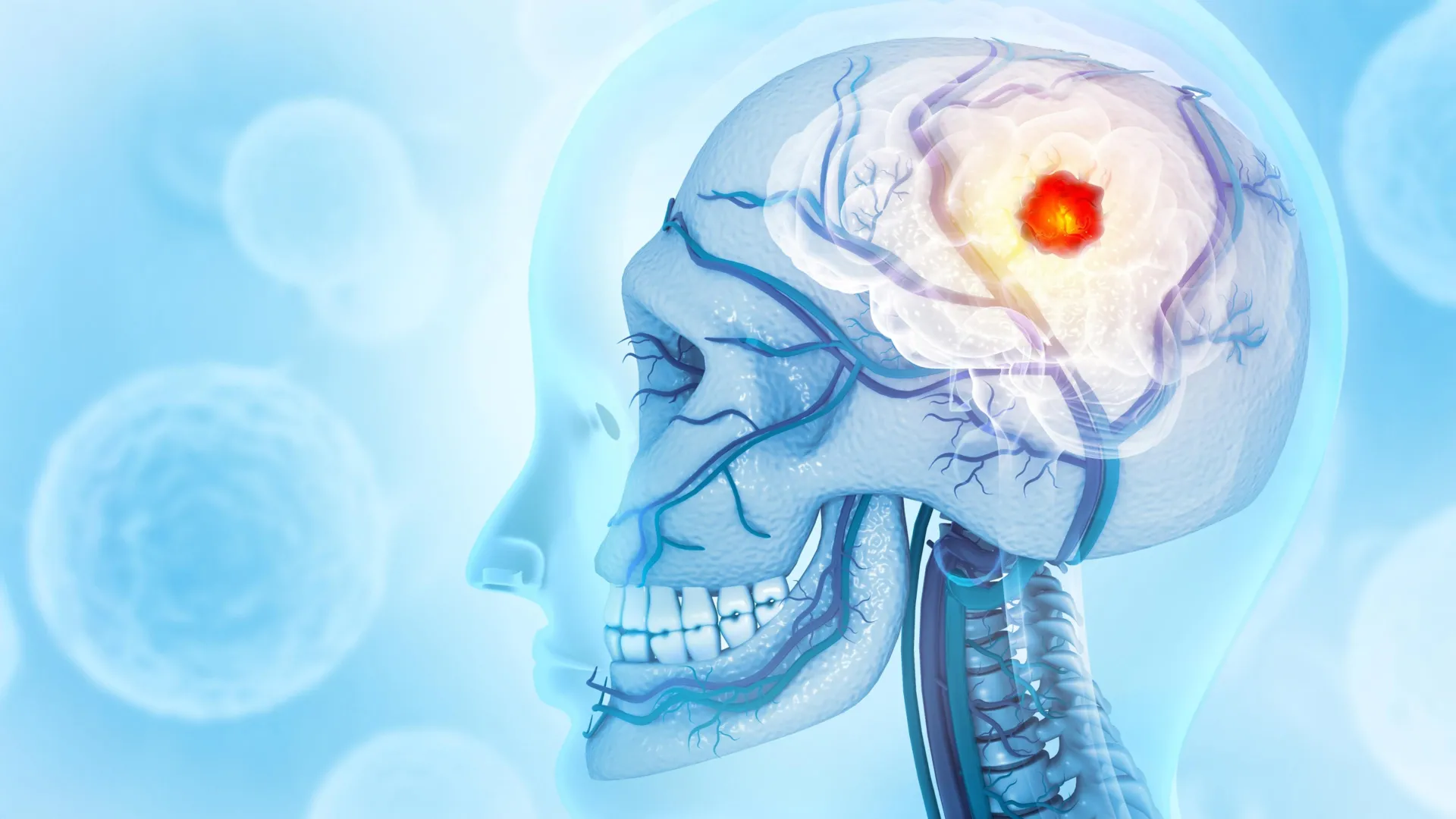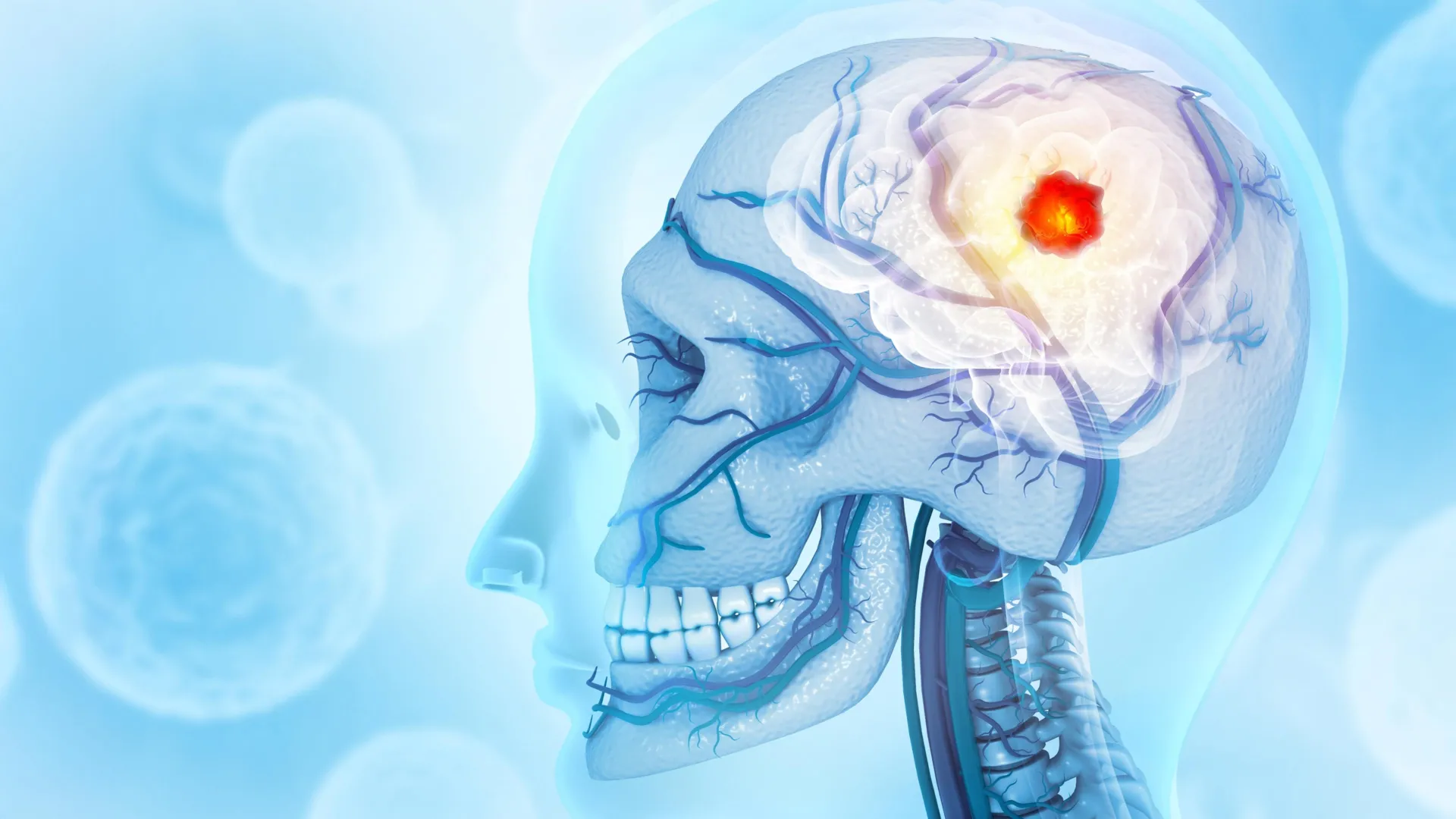
Researchers from the Montefiore Einstein Comprehensive Cancer Center (MECCC) and the Albert Einstein College of Medicine have fundamentally challenged the long-standing medical consensus that glioblastoma is a localized neurological disease. Their groundbreaking study, published on October 3 in the journal Nature Neuroscience, demonstrates that this lethal form of brain cancer exerts a systemic influence, physically eroding the skull and hijacking the body’s immune-cell production within the bone marrow. This discovery offers a potential explanation for the persistent failure of localized treatments and suggests that current clinical practices, particularly the use of certain bone-strengthening medications, may inadvertently accelerate tumor progression.
Glioblastoma multiforme (GBM) has long been regarded as one of the most aggressive and difficult-to-treat malignancies in oncology. While traditional research has focused almost exclusively on the tumor’s interaction with neural tissue and the blood-brain barrier, the MECCC team has shifted the focus outward to the "calvarium"—the upper part of the skull. By investigating the relationship between the brain and the surrounding bone, the researchers uncovered a complex communication network that the tumor exploits to paralyze the body’s natural defenses.
The Architecture of Invasion: Skull Erosion and Channel Expansion
The human skull was historically viewed as a static, protective vessel for the brain. However, recent advancements in neurobiology have identified microscopic channels that connect the skull’s bone marrow directly to the meninges, the protective membranes covering the brain. These channels facilitate a two-way exchange of molecules and immune cells. The Einstein study reveals that glioblastoma does not merely exist within the brain; it actively remodels this physical architecture.
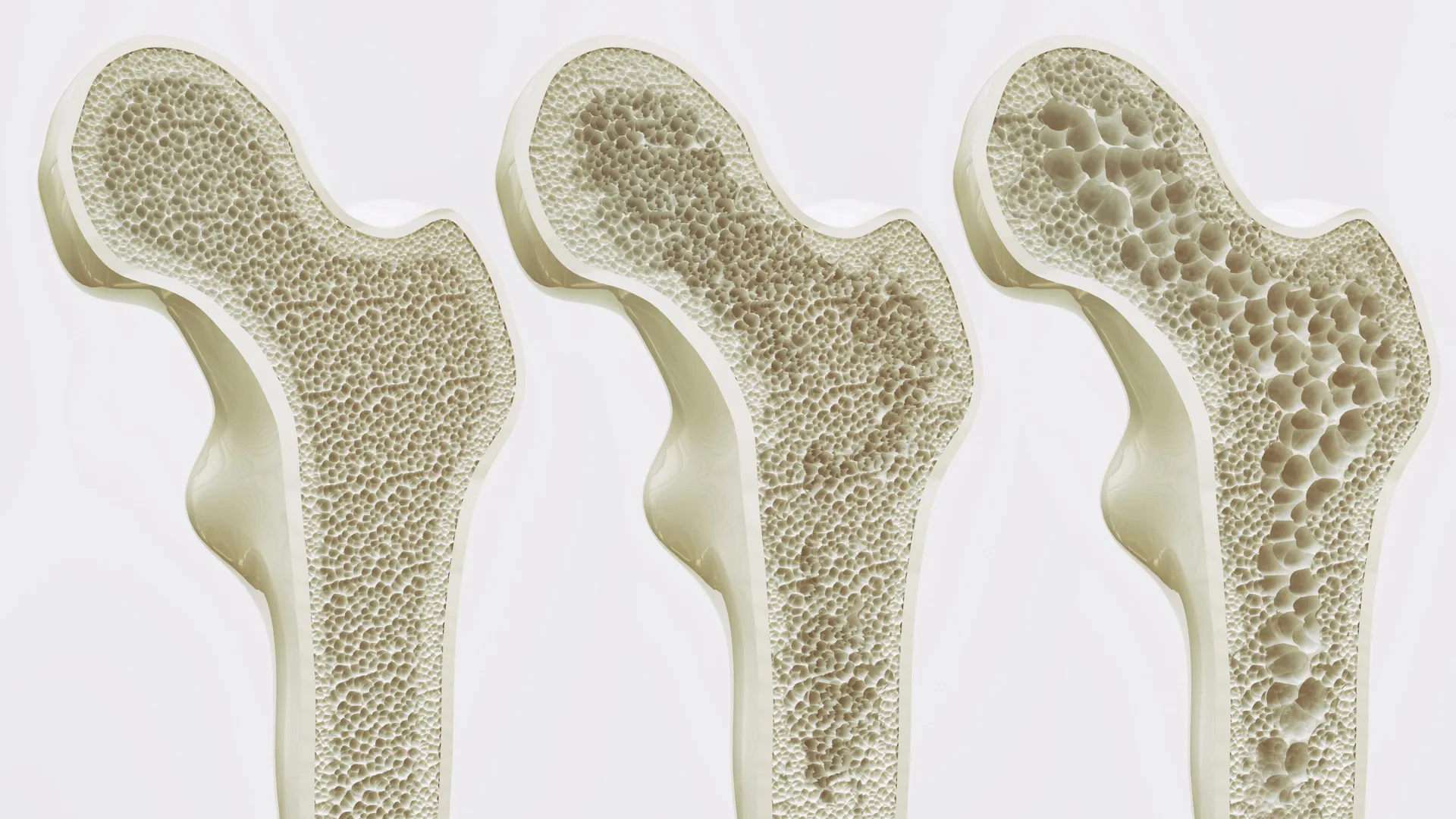
Utilizing high-resolution imaging and CT scans, the research team observed significant bone loss in mice harboring glioblastoma. This erosion was not random; it occurred primarily along the sutures—the fibrous joints where the bones of the skull fuse. The study noted that this phenomenon was highly specific to glioblastoma and other malignant, high-grade brain tumors. In control groups involving mice with strokes, traumatic brain injuries, or cancers located elsewhere in the body, no such skull degradation was observed.
When the researchers transitioned to human subjects, the findings were mirrored. CT scans of glioblastoma patients revealed a distinct thinning of the skull in the same regions identified in the laboratory models. This physical degradation leads to an increase in both the number and the diameter of the channels connecting the brain to the skull marrow. The researchers hypothesize that the tumor uses these widened "highways" to send biochemical signals into the marrow, effectively "reprogramming" the immune cells before they ever reach the site of the cancer.
Systemic Immune Hijacking: The Shift Toward Inflammation
One of the most profound revelations of the study is the "immune tilt" caused by the tumor’s signals. The bone marrow is the primary factory for the body’s immune system, producing various types of white blood cells. Through single-cell RNA sequencing, the researchers discovered that glioblastoma fundamentally alters the output of the skull’s marrow.
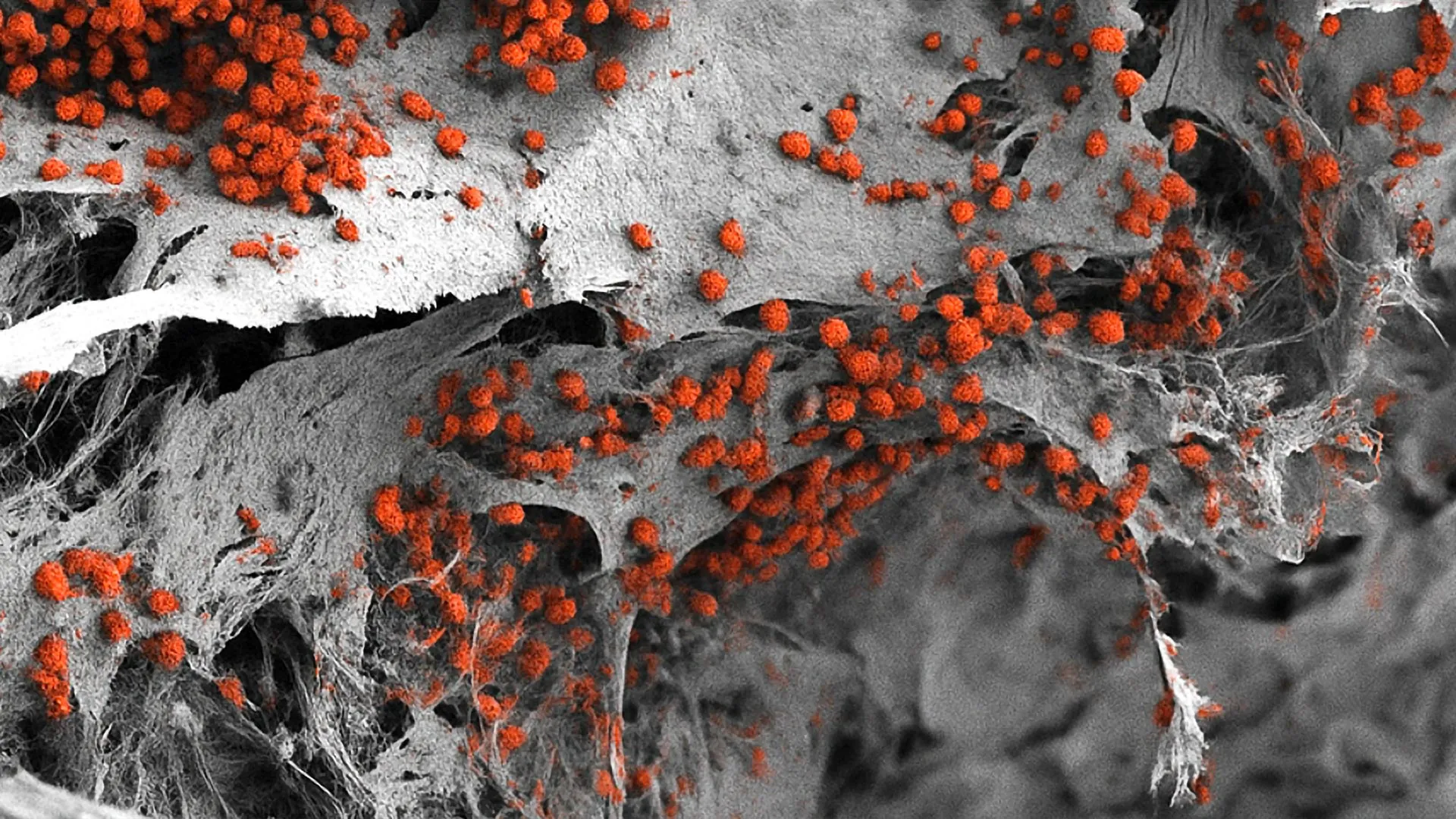
In healthy conditions, the marrow maintains a balance of pro-inflammatory cells and antibody-producing cells. However, in the presence of glioblastoma, the skull marrow nearly doubles its production of pro-inflammatory myeloid cells, specifically neutrophils. Simultaneously, the production of B cells—the white blood cells responsible for creating antibodies—is nearly extinguished.
"The skull-to-brain channels allow an influx of these numerous pro-inflammatory cells from the skull marrow to the tumor, rendering the glioblastoma increasingly aggressive and, all too often, untreatable," explained study co-author E. Richard Stanley, Ph.D., a professor of developmental and molecular biology at Einstein. This influx creates a "suppressive" environment around the tumor, where the inflammatory cells actually protect the cancer from being attacked by the body’s T cells.
Furthermore, the study highlighted a striking difference between the marrow in the skull and the marrow in the femur (thigh bone). While the skull marrow became a hyper-active producer of inflammatory cells, the femur marrow showed suppressed gene activity for immune cell production. This suggests that glioblastoma manages the body’s immune resources with surgical precision, localized to the area of the tumor, further cementing the theory that it is a systemic disease with localized manifestations.
The Clinical Paradox: Osteoporosis Drugs and Tumor Progression
Perhaps the most alarming finding for the clinical community concerns the use of FDA-approved medications for bone loss. Patients with advanced cancer are often prescribed anti-osteoporosis drugs, such as zoledronic acid and denosumab, to prevent bone degradation or treat skeletal complications.
The research team tested these drugs on mice with glioblastoma to see if preventing skull erosion would slow the disease. While both drugs successfully halted the physical thinning of the bone, the results for the cancer itself were unexpected and concerning. In one type of glioblastoma, zoledronic acid actually accelerated tumor progression.
Even more significant was the interaction between these bone drugs and immunotherapy. Anti-PD-L1 is a common immunotherapy drug designed to "unmask" cancer cells so the immune system can attack them. The researchers found that both zoledronic acid and denosumab blocked the beneficial effects of anti-PD-L1. By attempting to save the bone, the treatments inadvertently crippled the immune system’s ability to fight the tumor. This suggests that current treatment protocols for glioblastoma patients who also suffer from bone density issues may need an immediate and radical reassessment.
Background and Context: The Glioblastoma Challenge
To understand the weight of these findings, one must consider the historical context of glioblastoma treatment. For decades, the "Stupp Protocol"—a combination of maximal surgical resection, radiotherapy, and the chemotherapy drug temozolomide—has remained the gold standard of care. Despite these interventions, the prognosis remains grim.
According to data from the National Cancer Institute (NCI), approximately 15,000 Americans are diagnosed with glioblastoma annually. The median survival rate has remained stubbornly fixed at approximately 15 months, with a five-year survival rate of less than 7%. The failure of modern medicine to move the needle on these statistics has led many to believe that the fundamental understanding of the disease was incomplete.
Traditional oncology has treated the brain as an "immune-privileged" site, largely disconnected from the rest of the body’s immune system due to the blood-brain barrier. The discovery of skull-brain channels in the last decade began to erode this "privilege" theory. The MECCC study is the first to demonstrate that a tumor can actively manipulate these channels to its advantage.
Timeline of Discovery and Methodology
The research, led by Jinan Behnan, Ph.D., was the result of an international collaboration involving institutions from the United States, Japan, Sweden, and Germany. The timeline of the study involved several years of multi-disciplinary work:
- Initial Observation: The team began by investigating why immunotherapy, which has revolutionized the treatment of melanoma and lung cancer, consistently fails in glioblastoma patients.
- Mapping the Channels: Using advanced intravital imaging, the researchers mapped the microscopic connections between the brain and the skull in mice.
- Tumor Induction: Two distinct models of glioblastoma were introduced to observe how different genetic profiles of the cancer affected the bone.
- Genomic Analysis: Single-cell RNA sequencing was utilized to provide a high-resolution map of the immune changes in the marrow.
- Human Correlation: The team cross-referenced their findings with CT scans from human patients at Montefiore Einstein to ensure the mouse models were clinically relevant.
- Drug Testing: The final phase involved the administration of osteoporosis medications and immunotherapy to observe the "paradoxical" effects on tumor growth.
Broader Impact and Future Treatment Strategies
The implications of this research extend far beyond the laboratory. By identifying the skull marrow as a key player in glioblastoma progression, the study opens the door for a new class of "systemic" therapies.
"Our discovery that this notoriously hard-to-treat brain cancer interacts with the body’s immune system may help explain why current therapies—all of them dealing with glioblastoma as a local disease—have failed," said Dr. Jinan Behnan.
Future treatment strategies may now focus on:
- Marrow Modulation: Developing drugs that prevent the "inflammatory tilt" in the skull marrow without interfering with T-cell activity.
- Diagnostic Biomarkers: Using skull thickness and channel diameter in CT and MRI scans as early biomarkers for tumor aggression or treatment response.
- Combination Immunotherapy: Redesigning immunotherapy trials to account for the bone marrow’s role, potentially incorporating treatments that restore B-cell populations.
The study also serves as a cautionary tale regarding the use of common medications in cancer patients. It highlights the necessity of "whole-body" monitoring, even when a tumor appears to be confined to a single organ. As the medical community digests these findings, the focus of neuro-oncology is likely to shift from the center of the brain to the very bones that protect it.
The paper, titled "Brain Tumors Induce Widespread disruption of Calvarial Bone and Alteration of Skull Marrow Immune Landscape," features contributions from a wide array of specialists, reflecting the interdisciplinary nature of modern cancer research. It marks a significant step toward transforming glioblastoma from a certain death sentence into a manageable, and perhaps eventually curable, condition.