


The landscape of regenerative medicine has been significantly altered by a preclinical study led by Weill Cornell Medicine investigators, which identifies a single molecular switch, the protein FLI-1, as the essential catalyst for blood stem cells to enter an activated, regenerative state. Published in the journal Nature Immunology, the findings offer a potential breakthrough in the field of hematology, promising to enhance the efficacy of bone marrow transplants and gene therapies for patients suffering from various blood disorders and cancers. By understanding how to transition these cells from a state of "hibernation" to active production, researchers have unlocked a method to rapidly expand stem cell populations, addressing one of the most persistent bottlenecks in modern transplant medicine: the limited supply of viable donor cells.
The Biological Mechanism of Hematopoietic Stem Cells
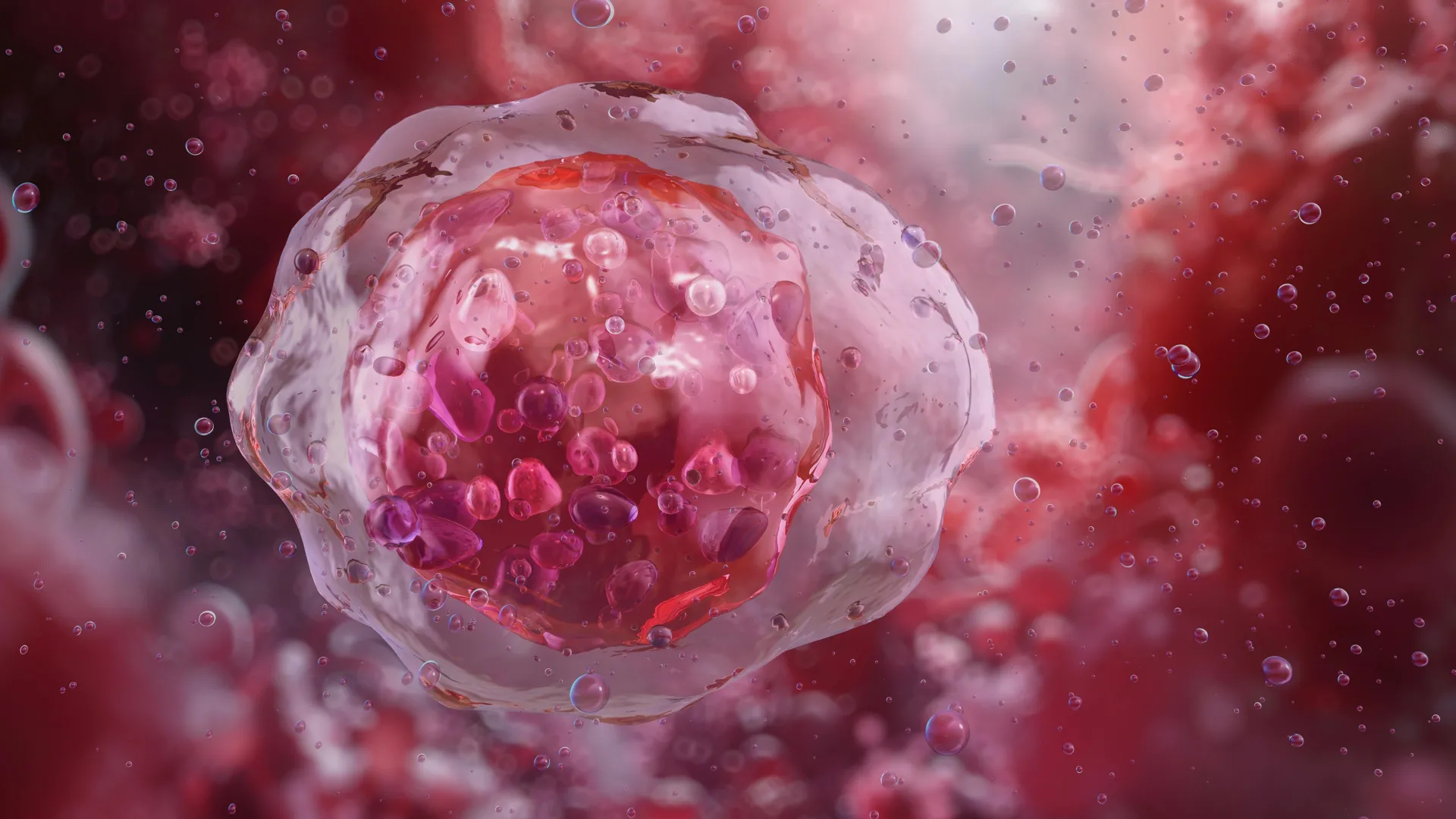
Stem cells serve as the fundamental architects of human physiology, acting as immature progenitors with the unique capability to develop into specialized tissue types. In the context of the circulatory and immune systems, hematopoietic stem cells (HSCs) are the primary engines of production. Under normal physiological conditions, these cells reside within the bone marrow in a state known as "quiescence." In this dormant phase, the cells divide very slowly, preserving their long-term viability and protecting their genetic integrity from the stresses of rapid replication.
However, the body’s requirement for blood cells is dynamic. Following an injury, severe infection, or medical interventions like chemotherapy, the demand for new blood and immune cells skyrockets. To meet this need, quiescent stem cells must "wake up" and transition into an activated state. During this activation, they multiply at high speeds and differentiate into mature, functional cells, such as oxygen-carrying red blood cells or pathogen-fighting white blood cells. The transition from dormancy to activity is a complex biological maneuver that requires precise orchestration at the molecular level.
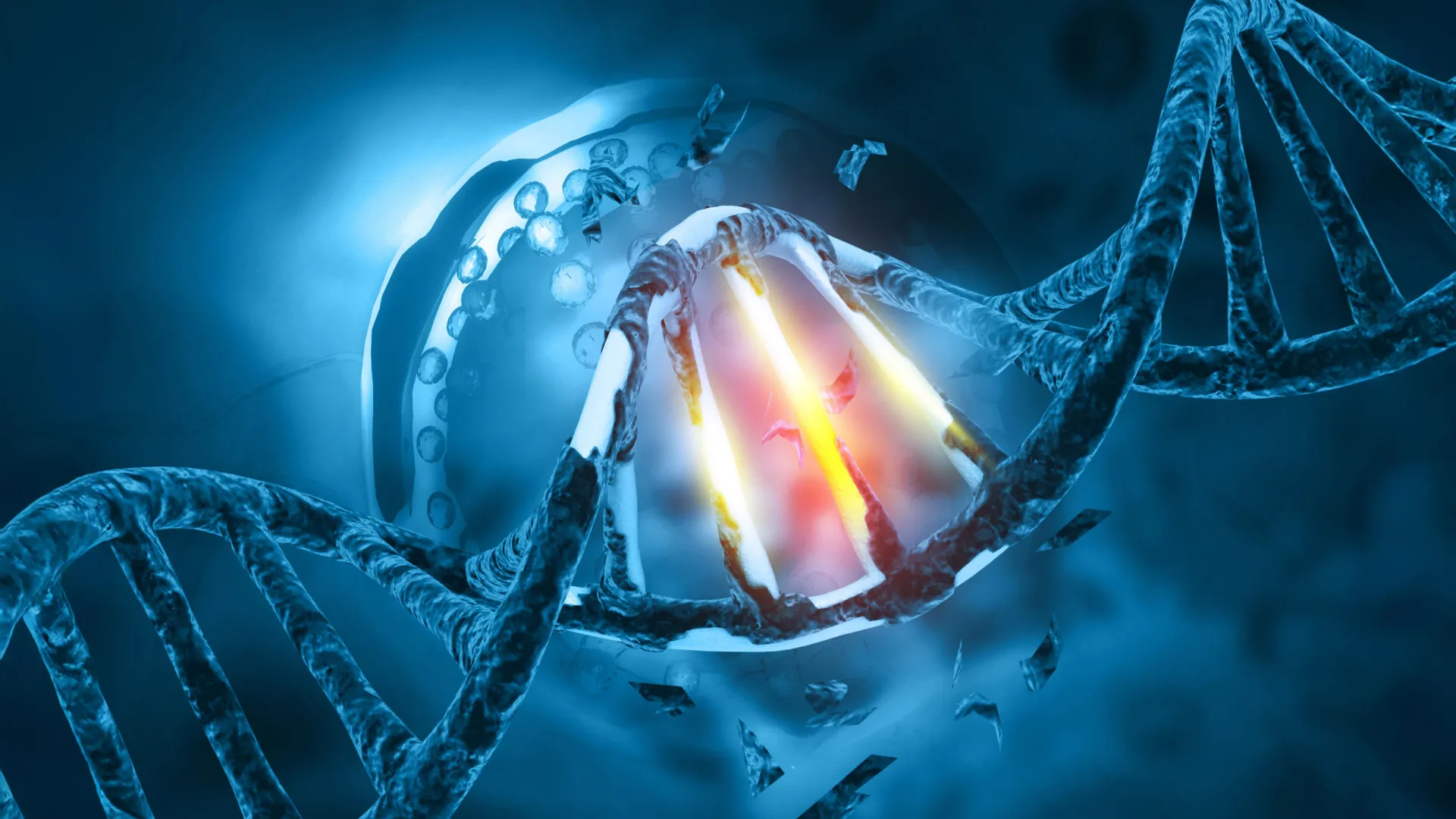
The Weill Cornell study focused on how this switch is flipped. By utilizing advanced single-cell profiling and computational modeling, the research team identified the DNA transcription-regulating protein FLI-1 as the master regulator of this process. Transcription factors like FLI-1 act as cellular "commanders," binding to specific regions of DNA to turn thousands of genes on or off simultaneously. The researchers discovered that without FLI-1, blood stem cells remain trapped in a quiescent state, unable to respond to the body’s regenerative signals.
The Role of the Vascular Niche in Stem Cell Activation
A critical component of the study’s findings is the relationship between blood stem cells and their surrounding environment, specifically the "vascular niche." This niche is composed of specialized endothelial cells that line the blood vessels within the bone marrow. For decades, scientists have debated whether stem cells function autonomously or if their behavior is dictated entirely by external signals from their environment.
The research led by Dr. Shahin Rafii, director of the Hartman Institute for Therapeutic Organ Regeneration at Weill Cornell Medicine, clarifies this relationship. The study demonstrates that stem cell activity is a product of "co-adaptability" between the stem cells and the endothelial cells. FLI-1 serves as the bridge for this communication. When FLI-1 is active, it restores the stem cells’ ability to interact with the vascular niche, enabling them to receive the necessary cues for expansion and maturation.
"We showed that stem cell activity is not autonomous but also is not fully determined by endothelial cell vascular niche signals—it depends instead on signaling and adaptability between the two," explained co-first author Sean Houghton, a bioinformatics analyst. This discovery shifts the paradigm of regenerative medicine, suggesting that successful stem cell therapies must consider not just the cells themselves, but their ability to integrate with the recipient’s internal environment.
Overcoming the Leukemia Risk with mRNA Technology
While the discovery of FLI-1’s regenerative power is monumental, it carries an inherent risk. Overactivity or permanent mutations in the FLI-1 protein are well-documented drivers of certain types of leukemia and Ewing sarcoma. In these oncogenic contexts, the "switch" is essentially stuck in the "on" position, leading to the uncontrolled proliferation of immature cells—the hallmark of cancer.
To harness the regenerative benefits of FLI-1 without inducing malignancy, the research team developed a sophisticated delivery method. They utilized modified mRNA (messenger RNA) technology, similar to the platform used in the development of COVID-19 vaccines. This approach allows for the transient production of FLI-1. By introducing a "pulse" of FLI-1 that lasts only a few days, the researchers were able to kickstart the stem cells into an activated state without permanently altering their genetic code.
Dr. Tomer Itkin, study co-first author and director of Tel Aviv University’s Neufeld Cardiovascular Research Institute, noted the safety of this method: "The stem cells we prime with FLI-1 modified mRNA in this way wake up from hibernation, expand and functionally and durably engraft in the recipient host, without any evidence of cancer." This transient activation provides the necessary boost for the cells to take root and begin production in a new host while ensuring the safety of the patient.
Solving the Umbilical Cord Stem Cell Mystery
The study also addressed a long-standing puzzle in hematology: why stem cells derived from umbilical cord blood possess significantly higher regenerative potential than those harvested from adult bone marrow or peripheral blood. Umbilical cord blood has long been a preferred source for transplants in pediatric patients because the cells are "younger" and more "potent," but the biological reason for this increased potency remained elusive.
The Weill Cornell team found that umbilical cord-derived blood stem cells naturally exhibit higher levels of FLI-1 activity compared to their adult counterparts. This elevated activity allows cord blood cells to interact more efficiently with the regenerative vascular niche upon transplantation. By identifying FLI-1 as the source of this "youthful" vigor, the researchers have opened the door to potentially "rejuvenating" adult stem cells by artificially boosting their FLI-1 levels, making them as effective as cord blood cells for adult recipients.
Clinical Implications for Transplants and Gene Therapy
The implications of this discovery for clinical practice are vast. Bone marrow transplants are a cornerstone of treatment for leukemias, lymphomas, and certain genetic blood disorders. However, the procedure often faces two major hurdles: the limited number of stem cells available from a donor and the difficulty of getting those cells to "engraft" or successfully colonize the recipient’s bone marrow.
In many cases, particularly when using the patient’s own stem cells (autologous transplant) after they have been weakened by chemotherapy or radiation, the cells are sluggish and struggle to activate. By priming these cells with FLI-1 before re-infusion, doctors could significantly increase the speed and success rate of the replenishment process.
Furthermore, the discovery is set to revolutionize gene therapy. For conditions like beta-thalassemia and sickle cell anemia, patients’ stem cells are harvested, genetically modified in a laboratory to correct a defect, and then re-infused. This process is grueling for the cells, and many do not survive or expand sufficiently in the lab. Integrating FLI-1 activation into the gene-editing workflow could ensure that a robust, expanded population of corrected cells is ready for the patient, reducing the risk of treatment failure.
Chronology of the Research and Future Directions
The journey to identifying FLI-1 involved years of multi-disciplinary effort, combining traditional bench science with cutting-edge computational analysis. The timeline of the study highlights the progression from basic observation to potential clinical application:
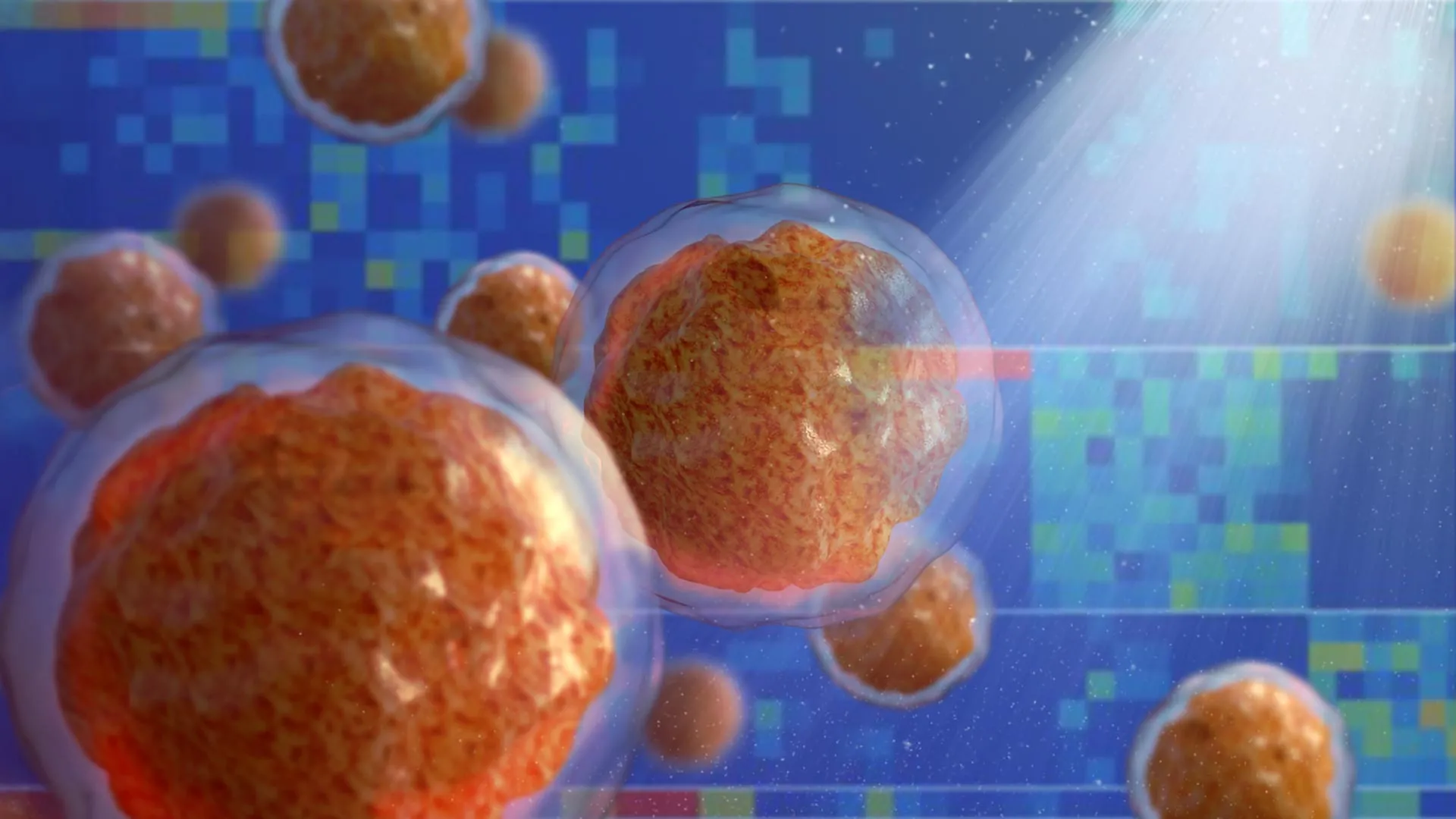
- Initial Profiling: Researchers used single-cell RNA sequencing to map the gene expression profiles of thousands of individual blood stem cells in various states of activity.
- Target Identification: Computational algorithms identified FLI-1 as a central node in the regulatory network of activated cells, while it remained absent in quiescent ones.
- In Vitro Testing: The team demonstrated that removing FLI-1 from cells caused them to lose their ability to interact with endothelial cells.
- Preclinical Validation: Using mouse models, the researchers showed that adult stem cells primed with FLI-1 mRNA were significantly better at repopulating the blood system of a host than untreated cells.
- Publication: The full findings were shared with the scientific community on February 25 in Nature Immunology.
The research was supported by several branches of the National Institutes of Health (NIH), including the National Heart, Lung, and Blood Institute. Looking forward, the team plans to scale up the production of FLI-1 modified mRNA for use in larger preclinical models, with the ultimate goal of launching human clinical trials.
Conclusion and Analysis of Broader Impact
The identification of FLI-1 as the "regenerative switch" for blood stem cells represents a significant milestone in the move toward precision medicine. By shifting the focus from simply "adding more cells" to "improving cell communication and activation," this research addresses the root causes of transplant failure.
In a broader sense, this study underscores the importance of the cellular "neighborhood" in healing. As regenerative medicine continues to evolve, the ability to manipulate the interaction between stem cells and their vascular environment will likely become a standard tool in treating not just blood disorders, but potentially organ damage and age-related tissue degeneration. For the thousands of patients currently waiting for compatible donors or struggling through the recovery phase of a transplant, the "waking up" of FLI-1 offers a new horizon of hope for stable, long-term health.










Leave a Reply