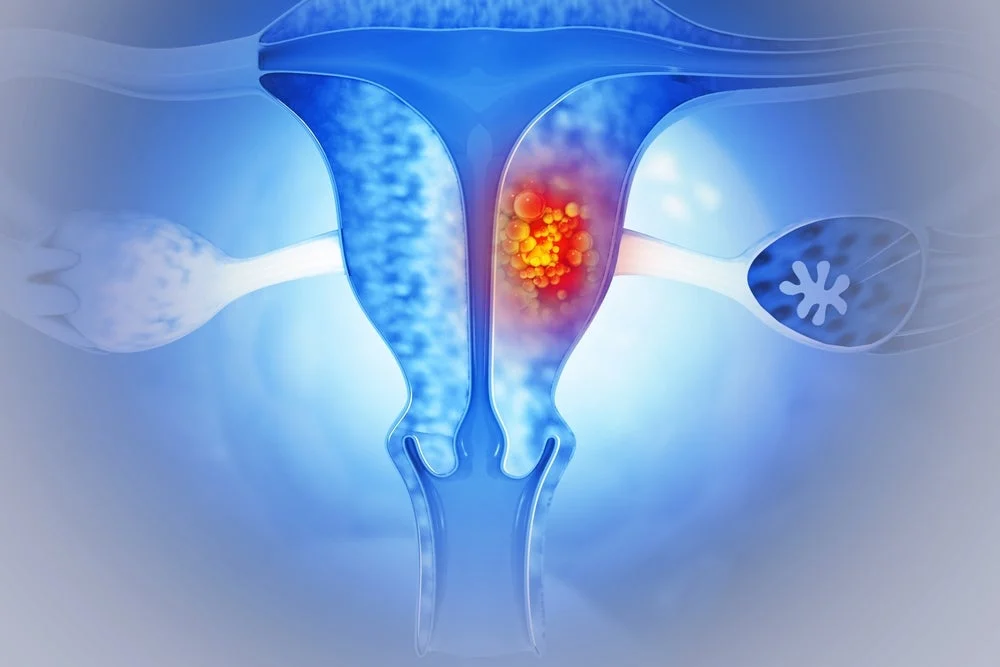
In a significant departure from decades of established medical consensus, researchers at the University of Kentucky have identified a novel…
Read More

In a significant departure from decades of established medical consensus, researchers at the University of Kentucky have identified a novel…
Read More
For decades, the prevailing consensus in neurology characterized Alzheimer’s disease as an inherently localized phenomenon, a process of protein misfolding…
Read More
For decades, the global scientific community’s understanding of Alzheimer’s disease has been anchored to the "amyloid hypothesis"—the observation that the…
Read More
Researchers at the University of Kentucky have uncovered a pivotal mechanism in the progression of Alzheimer’s disease, identifying the brain’s…
Read More
The medical community is facing a significant paradigm shift in its understanding of cerebrovascular health as new research challenges long-held…
Read More
The progression of Alzheimer’s disease has long been understood as a relentless march of cellular destruction, fueled by the accumulation…
Read More
Neuroscientists at Johns Hopkins University have identified a specialized group of neurons within an evolutionarily ancient region of the brain…
Read More
In a significant breakthrough for the field of clinical genetics and neurology, a collaborative team of researchers in Germany has…
Read More
In a major advancement for the field of neurogenetics, a collaborative team of scientists in Germany has identified a previously…
Read More
Researchers at Weill Cornell Medicine have identified a singular molecular switch, known as FLI-1, which acts as a fundamental gatekeeper…
Read More