Researchers at Weill Cornell Medicine have identified a singular molecular switch, known as FLI-1, which acts as a fundamental gatekeeper for blood stem cells to transition from a dormant state into an active, regenerative phase. This discovery, detailed in a study published in the journal Nature Immunology, represents a significant leap forward in the field of regenerative medicine. By understanding and controlling this mechanism, scientists believe they can dramatically enhance the efficacy of bone marrow transplants and the delivery of life-saving gene therapies.
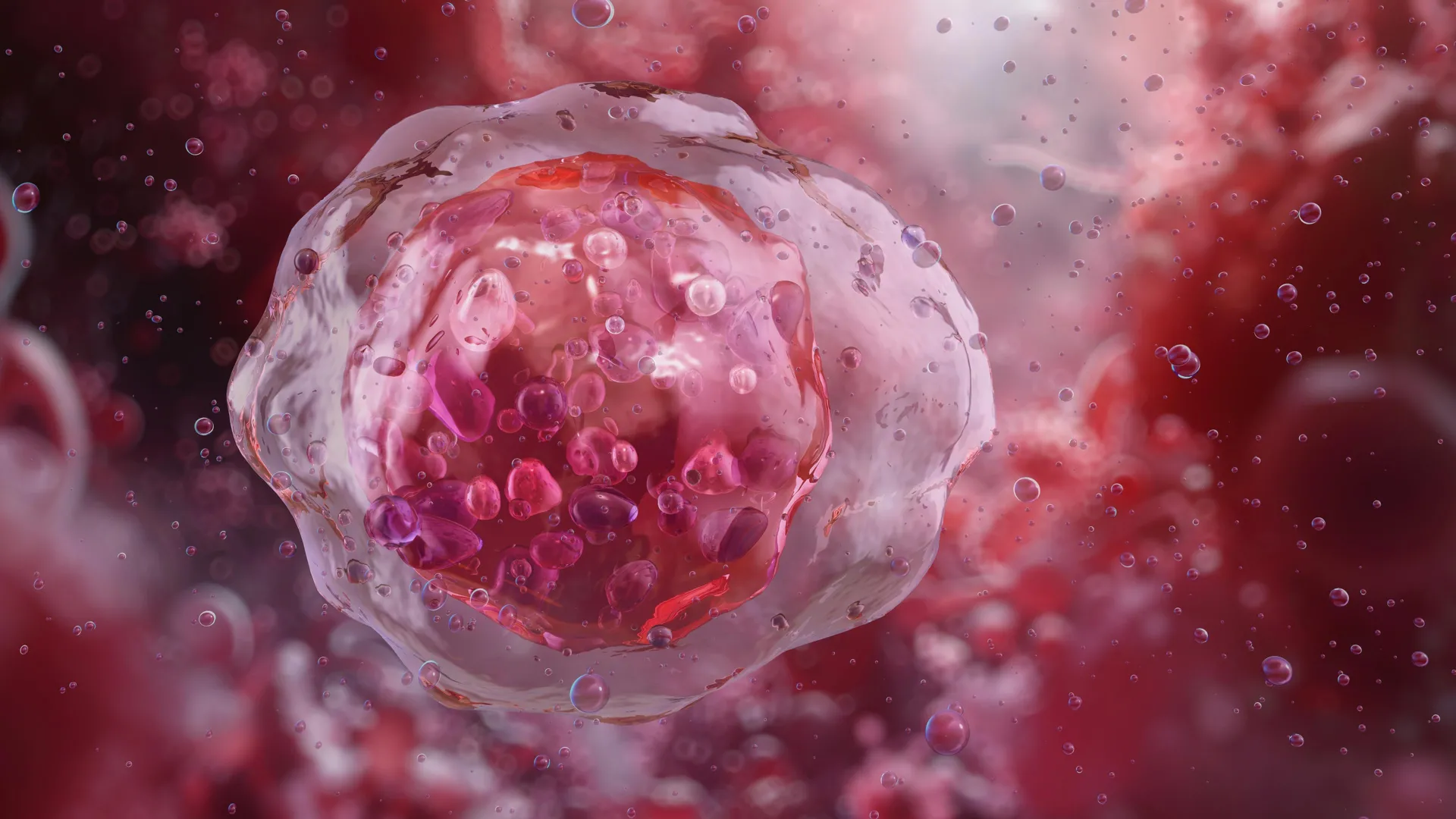
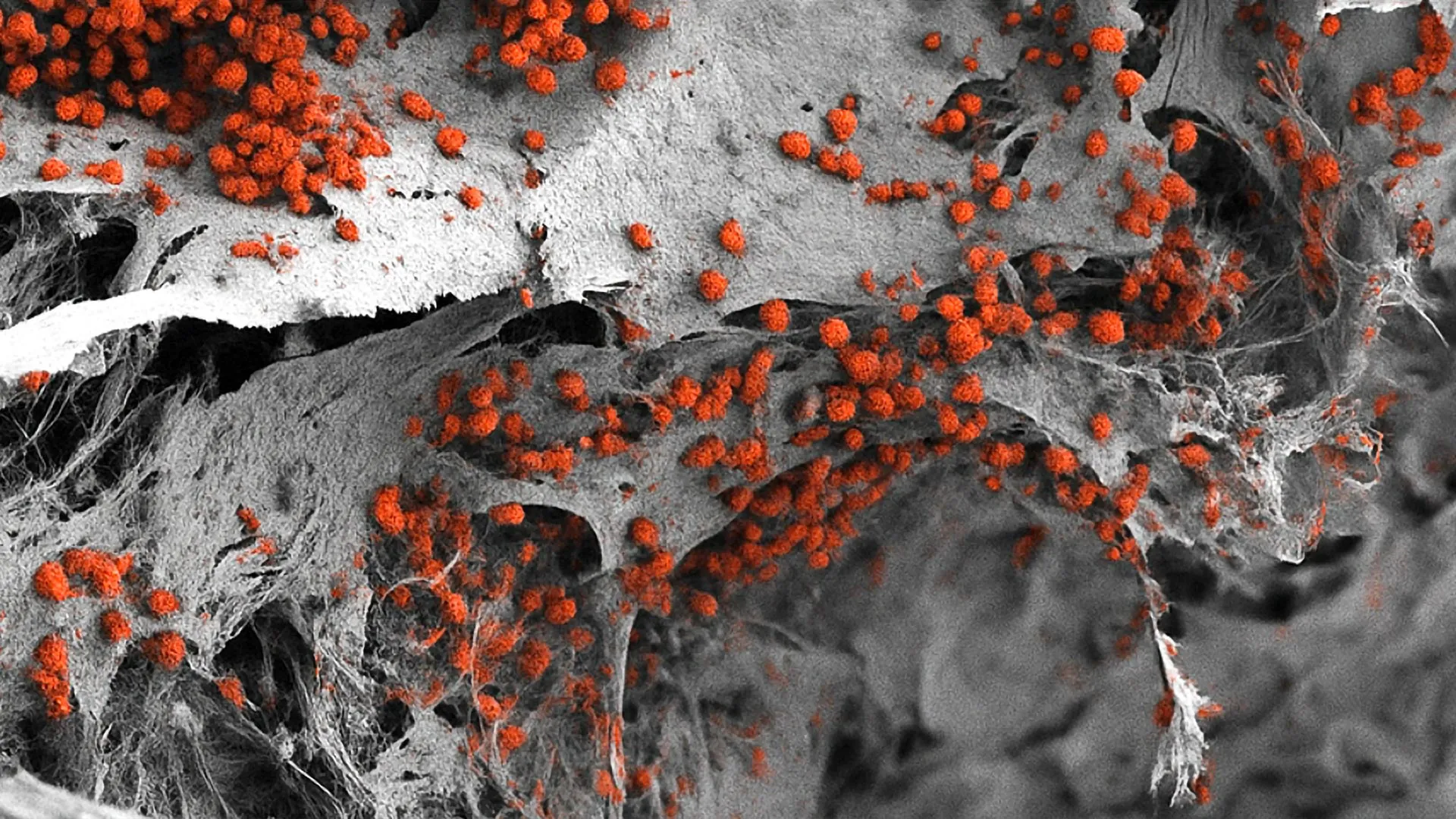
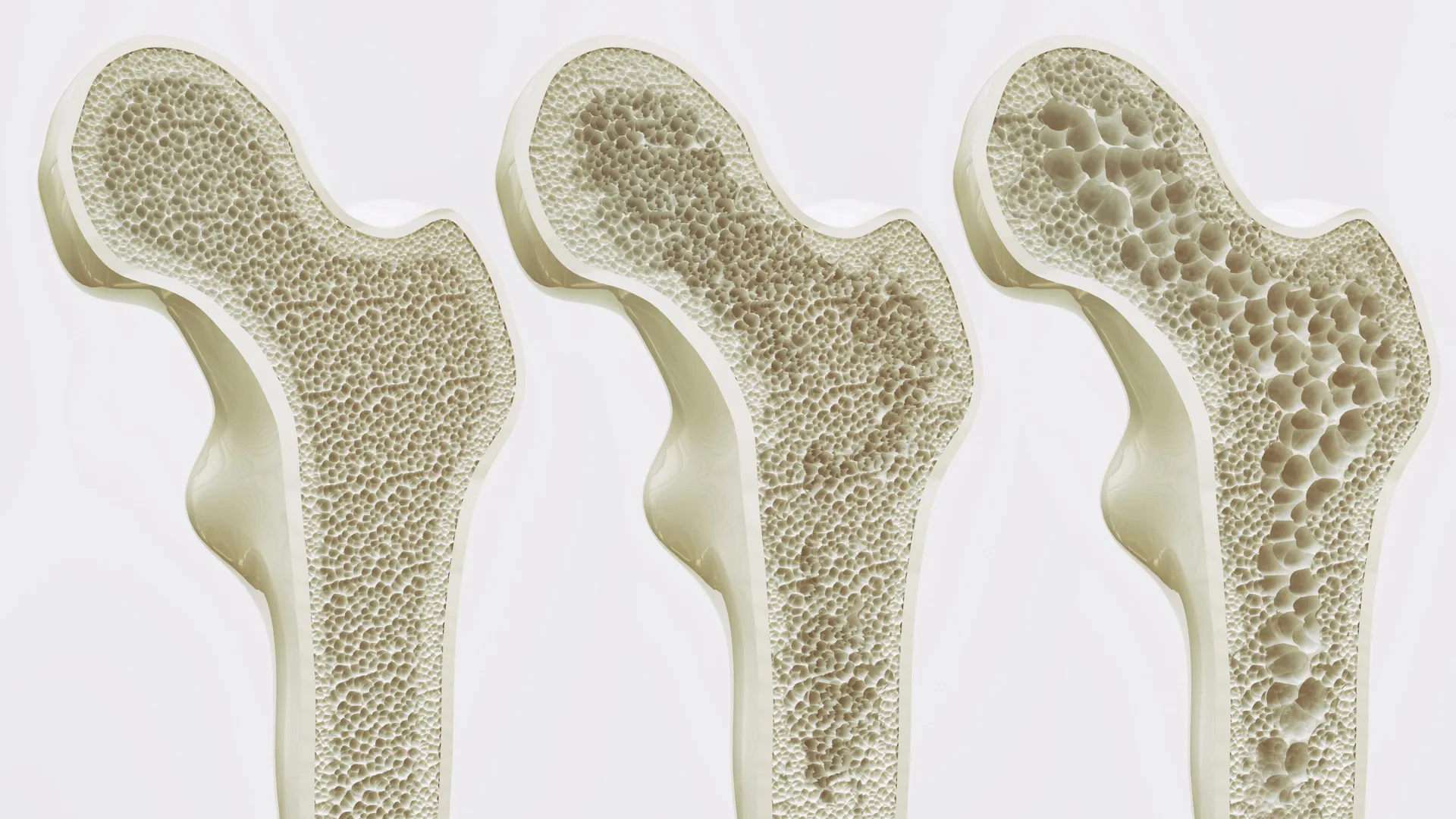
Hematopoietic stem cells (HSCs) are the foundation of the human circulatory and immune systems. Located primarily within the bone marrow, these immature cells possess the unique ability to self-renew and differentiate into all types of mature blood cells, including oxygen-carrying red blood cells, infection-fighting white blood cells, and clot-forming platelets. For the majority of an individual’s life, these stem cells exist in a state of "quiescence"—a form of cellular hibernation where they divide slowly to preserve their long-term health and prevent genetic exhaustion. However, when the body experiences trauma, infection, or blood loss, these cells must "wake up" and enter an activated state to replenish the body’s supply. The Weill Cornell study identifies FLI-1 as the primary protein responsible for orchestrating this critical transition.
The Biological Mechanism of Stem Cell Activation
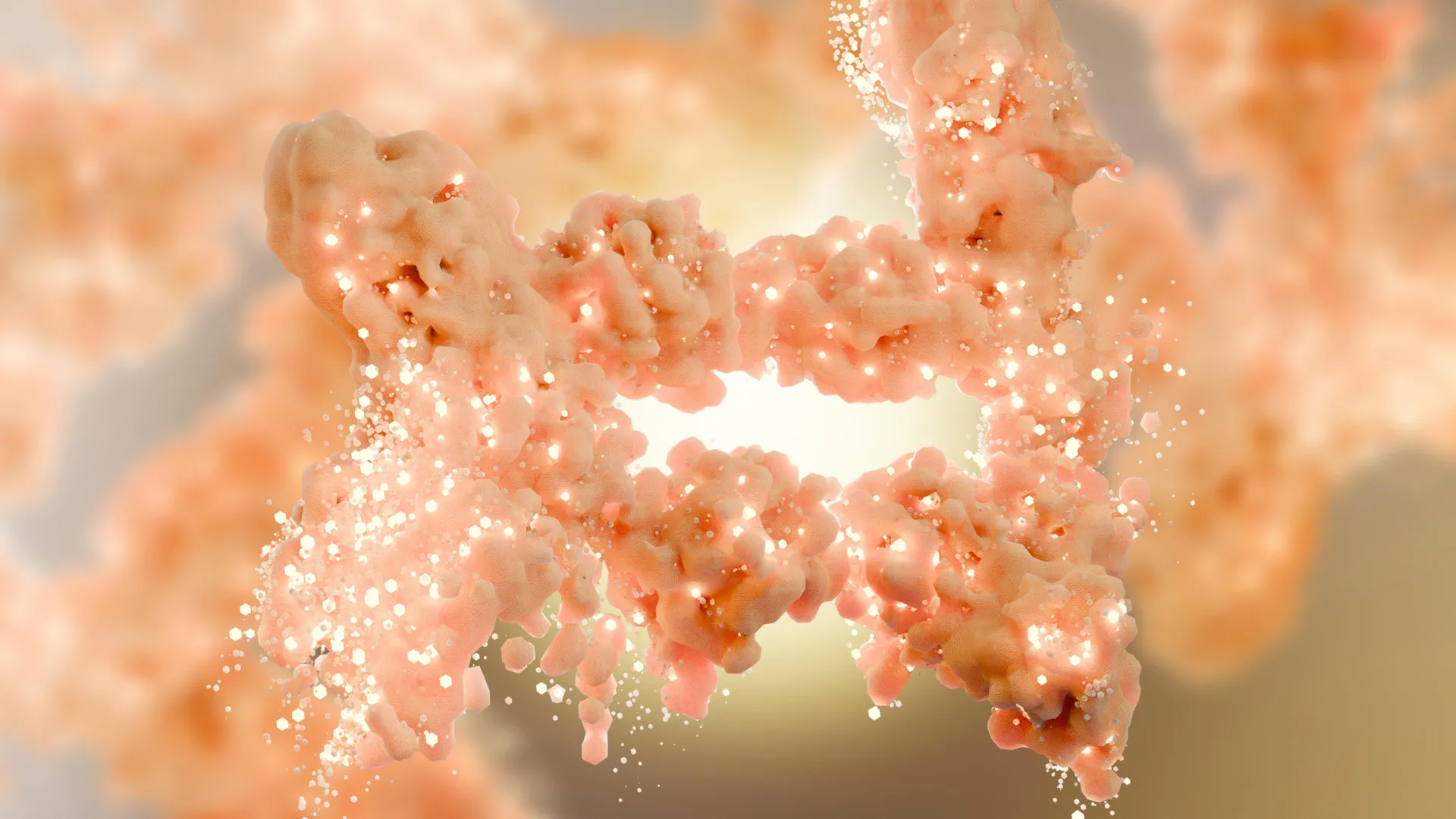
The transition from quiescence to activation is a complex process governed by the cell’s internal genetic programming and external signals from its environment. In the bone marrow, this environment is known as the "vascular niche," a specialized neighborhood of endothelial cells that line the blood vessels. The researchers found that FLI-1, a DNA transcription-regulating protein, serves as the central coordinator between the stem cell and this niche.
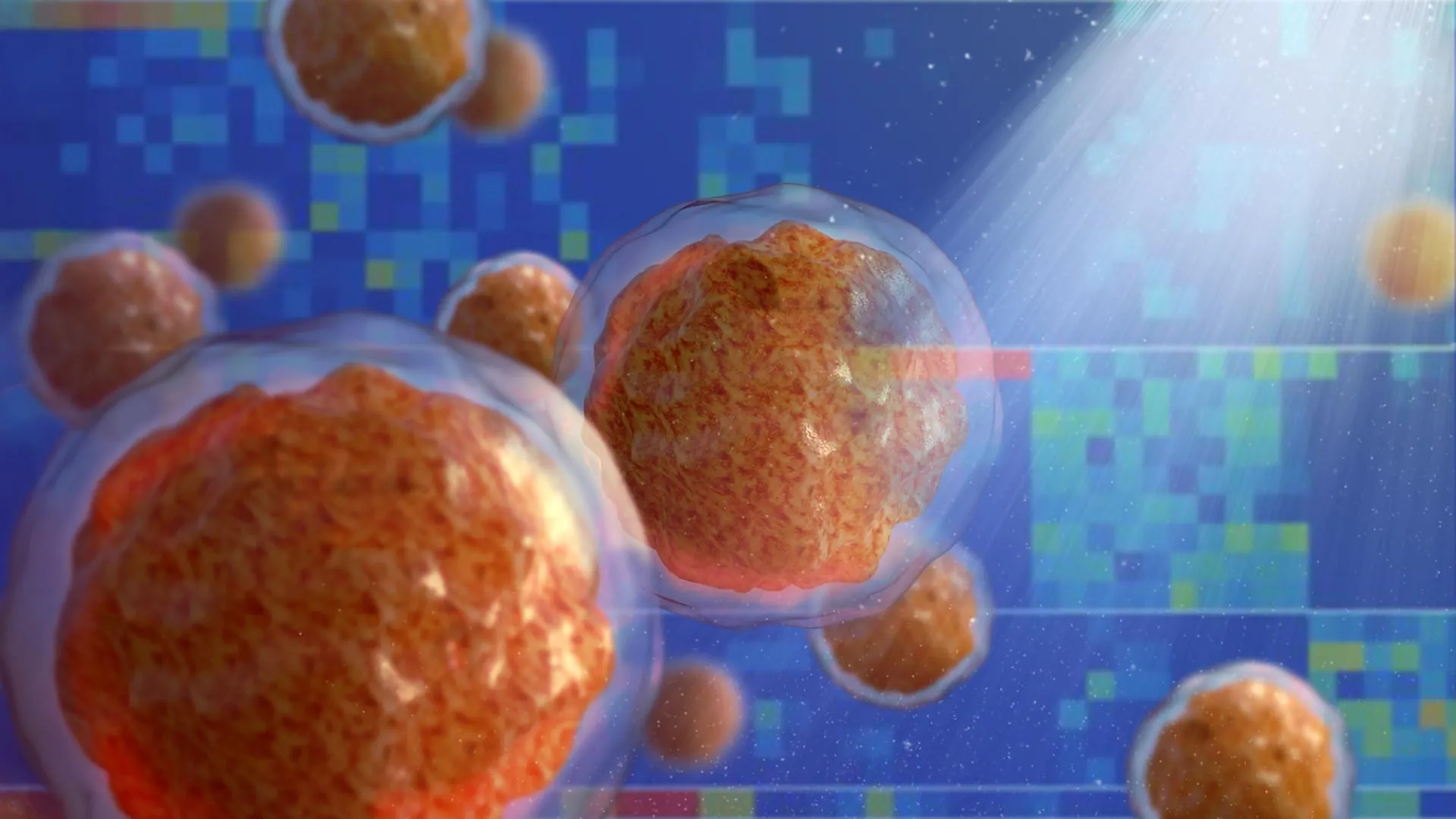
Using advanced single-cell profiling techniques, the research team analyzed the gene activity of blood stem cells at various stages of activation. They discovered that the absence of FLI-1 effectively locks stem cells in a dormant state. Without this protein, stem cells are unable to interact with the surrounding endothelial cells, rendering them incapable of responding to the body’s demands for new blood production. Conversely, when FLI-1 is present and active, it triggers a cascade of genetic instructions that restore the stem cell’s ability to connect with its microenvironment. This "co-adaptability" allows the stem cells to multiply rapidly and mature into functional blood cells.
This interaction is not a one-way street. The study clarified that while the vascular niche provides essential signals, the stem cells themselves must be "primed" to receive those signals. FLI-1 provides that priming, acting as the bridge that allows the stem cell to integrate with the regenerative signals provided by the marrow’s blood vessels.
Addressing the Challenges of Modern Transplants and Gene Therapy
The implications of this discovery are particularly relevant for bone marrow and stem cell transplants, which are standard treatments for various leukemias, lymphomas, and blood disorders. In a typical transplant, a patient’s diseased bone marrow is destroyed via chemotherapy or radiation and replaced with healthy stem cells from a donor. However, the success of the procedure depends heavily on the "engraftment" process—the ability of the donor cells to find their way to the marrow, activate, and begin producing new blood.
One of the primary hurdles in this field is the limited supply of high-quality stem cells. Adult stem cells, particularly those harvested from patients who have already undergone intensive chemotherapy, are often sluggish or "exhausted." These cells may struggle to activate and expand in the recipient’s body, leading to delayed recovery and increased risk of infection.
"The approach we outlined in this study could substantially improve the efficiency of marrow transplants and marrow-cell-targeted gene therapies, especially in cases where the donor has a very limited supply of viable blood stem cells," said study senior author Dr. Shahin Rafii, director of the Hartman Institute for Therapeutic Organ Regeneration and the Ansary Stem Cell Institute at Weill Cornell Medicine.
Similarly, gene therapy applications for disorders like beta-thalassemia and sickle cell anemia require the harvesting of a patient’s own stem cells, the insertion of a corrective gene in a laboratory setting, and the re-infusion of those cells. These "vulnerable" engineered cells must then expand quickly to be effective. A safe, reliable method for switching these cells into a regenerative state using FLI-1 could solve one of the most persistent bottlenecks in genetic medicine.
Innovation Through mRNA Technology
While FLI-1 is essential for regeneration, its overactivity is not without risk. Historically, mutations that lead to the chronic over-expression of FLI-1 have been linked to the development of certain types of leukemia. Therefore, any clinical application of this protein must be carefully controlled to prevent the permanent activation of stem cells, which could lead to malignancy.
To solve this problem, the research team looked toward the technology used in modern mRNA vaccines. Instead of permanently altering the cell’s DNA to produce FLI-1, they developed a method to transiently introduce the protein using modified mRNA. This "pulse" of FLI-1 lasts only a few days—just long enough to wake the cells from hibernation and encourage them to engraft and expand.
Dr. Tomer Itkin, study co-first author and current director of Tel Aviv University’s Neufeld Cardiovascular Research Institute, explained the results: "The stem cells we prime with FLI-1 modified mRNA in this way wake up from hibernation, expand and functionally and durably engraft in the recipient host, without any evidence of cancer." This temporary activation ensures that the cells regain their regenerative potency without the long-term risks associated with permanent genetic modification.
Solving the Cord Blood Puzzle
The study also provided an answer to a long-standing mystery in hematology: why do stem cells derived from umbilical cord blood possess such high regenerative potential compared to adult stem cells? Despite their small numbers, cord blood stem cells are remarkably efficient at reconstituting a patient’s blood system.
The research team found that human umbilical cord-derived blood stem cells naturally possess higher levels of FLI-1 activity. This elevated activity allows them to interact more effectively with the regenerative vascular niche from the moment they are transplanted. By identifying FLI-1 as the source of this "potency," the researchers suggest that adult stem cells could be "boosted" to match the performance of cord blood, effectively increasing the pool of high-quality donor material available for patients.
Computational Analysis and Signaling Pathways
The discovery was made possible through extensive computational analysis and bioinformatics. The team needed to decipher how FLI-1 integrated with existing signaling pathways that drive stem cell self-renewal and survival. This involved mapping the thousands of genes that FLI-1 controls and observing how these genes influence the physical interactions between stem cells and endothelial cells.
Sean Houghton, a bioinformatics analyst and co-first author of the study, noted that the research shifted the understanding of stem cell autonomy. "We showed that stem cell activity is not autonomous but also is not fully determined by endothelial cell vascular niche signals—it depends instead on signaling and adaptability between the two," Houghton said. This finding highlights the importance of the "microenvironment" in medical treatments, suggesting that future therapies must focus not just on the stem cells themselves, but on their ability to communicate with the surrounding tissue.
Broader Impact and Future Clinical Outlook
The potential impact of this research extends beyond the laboratory. If successfully translated to human patients, the FLI-1 activation method could revolutionize how blood disorders are treated globally.
- Reduced Recovery Times: By accelerating the activation of transplanted cells, patients could see faster recovery of their immune systems, reducing the time they must spend in isolation or hospital care following a transplant.
- Expansion of Donor Pools: Patients who currently struggle to find a "perfect" match might be able to utilize less-than-ideal donor cells if those cells can be artificially primed for success.
- Enhanced Gene Therapy: For patients with genetic blood disorders, the ability to reliably expand engineered cells in the lab and ensure their survival post-infusion could make gene therapy a more accessible and safer "one-time" cure.
The research team is now focused on scaling up their modified mRNA-based method for further preclinical development. The goal is to refine the delivery system to ensure it is safe for human clinical trials. This phase will involve testing the approach in larger models to confirm that the transient "pulse" of FLI-1 remains stable and effective over long periods without side effects.
The study was a collaborative effort involving multiple departments at Weill Cornell Medicine, including the Englander Institute for Precision Medicine and the Sandra and Edward Meyer Cancer Center. Support for the research was provided by several branches of the National Institutes of Health (NIH), including the National Heart, Lung, and Blood Institute, as well as the Hartman Institute for Therapeutic Organ Regeneration.
As the medical community moves toward more personalized and precise treatments, the identification of FLI-1 as a master regulator of blood stem cells provides a new roadmap for treating some of the most challenging diseases of the blood and immune system. By mastering the switch that controls cellular "waking," scientists are one step closer to unlocking the full regenerative potential of the human body.