A new era in therapeutic innovation is dawning, marked by the successful Phase IIa clinical trial results for Hybridopa, an investigational product developed by Remepy. This pioneering startup is redefining disease management by seamlessly integrating conventional pharmaceuticals with AI-driven, app-delivered treatment protocols. The recent achievement in Parkinson’s disease treatment, where Hybridopa significantly augmented the effects of standard levodopa therapy, signals a potential paradigm shift in how chronic conditions are approached and managed, offering a more cohesive and personalized care experience for patients.
The Evolution of Digital Health and the Birth of Hybrid Drugs
The concept of leveraging technology for healthcare gained significant traction with the advent of smartphones. The popular phrase, “There’s an app for that,” which emerged during the early smartphone era following the launch of Apple’s App Store in 2008 and Android Market shortly thereafter, quickly permeated various sectors, including medicine. Visionary clinicians and innovators, such as Scripps cardiologist Eric Topol and Singularity University faculty member Daniel Kraft, were early proponents, forecasting a future where smartphones, wearable sensors, and health applications would play pivotal roles in diagnosing, monitoring, and managing diseases. They envisioned a time when digital tools would be prescribed with the same routine as pharmaceutical pills.
While this vision has seen notable progress with the emergence of FDA-cleared digital therapeutics (DTx), its widespread integration into mainstream clinical practice has faced considerable hurdles. Michal Tsur, Ph.D., co-founder and co-CEO of Remepy, identifies this gap as the impetus for her company’s innovative "hybrid drug" model. "I think one reason nobody has done it before is that the digital therapeutic ecosystem had to evolve first," she explained, highlighting the foundational development required before such an integrated approach could be realized.
Remepy’s strategy is rooted in a fundamental critique of the often-fragmented nature of contemporary healthcare delivery. Many chronic medical conditions necessitate a multidisciplinary approach, combining pharmaceutical treatments with a spectrum of non-pharmaceutical interventions. These can range from physiotherapy and mental health support to cognitive neuromodulation and speech therapy. Historically, these modalities have been managed as separate care pathways, leading to inconsistencies and suboptimal patient outcomes. Tsur emphasizes, "Everything we do is the understanding that most medical conditions are better treated with a multidisciplinary, integrative approach." With advancements in technology, particularly the increasing power and sophistication of mobile devices, delivering, measuring, and personalizing high-quality interventions through a single digital platform has become increasingly feasible.

Learning from Past Challenges: The Reimbursement Imperative
The journey of digital therapeutics has not been without its challenges, most notably highlighted by the commercial struggles of early pioneers. Pear Therapeutics, which achieved the distinction of developing the first FDA-cleared prescription digital therapeutic, ultimately filed for Chapter 11 bankruptcy in 2023. Despite demonstrating that its software could be prescribed by doctors and effectively used by patients, Pear Therapeutics struggled to secure consistent and adequate reimbursement from payers, a critical factor for business sustainability in the healthcare sector.
This commercial failure served as a crucial learning experience for Remepy. Tsur articulated this lesson, stating, "That’s where we decided to invent this new type of product, which we call hybrid drugs, integrating a pharmaceutical drug with a digital protocol delivered by an app." Remepy’s model is meticulously designed to overcome the reimbursement barriers that plagued earlier DTx companies. By positioning the digital component not as a standalone product but as an integral part of a pharmaceutical drug, Remepy aims to translate digital health innovations into established pharmaceutical economic frameworks.
This strategic approach leverages existing regulatory pathways, such as combination-product regulation and the FDA’s Prescription Drug Use-Related Software (PDURS) pathway. The PDURS pathway is particularly significant as it allows software to support an expanded drug label based on its proven therapeutic effect, effectively bundling the digital intervention with the pharmaceutical agent for regulatory and reimbursement purposes. Tsur sees this as Remepy’s "strongest tailwind," as it offers a clearer path to market and, crucially, to sustainable reimbursement. This integrated structure means that the digital component is not an optional add-on but an essential, evidence-based part of the overall therapeutic package, subject to the same rigorous clinical trials and regulatory scrutiny as the drug itself.
Targeting Disease Areas for Maximum Impact
Remepy is deliberate in its selection of therapeutic areas, prioritizing diseases where non-pharmaceutical interventions have already demonstrated a meaningful effect and where patients are likely to remain engaged with a structured protocol. This pragmatic approach ensures that the hybrid drug model can deliver the most significant clinical benefit. Tsur noted, "For many diseases, such as Parkinson’s, certain oncology indications, many neurology and immunology indications, and definitely many women’s health indications, integrating a drug with non-pharmaceutical interventions can sometimes double the clinical effect." This potential for synergistic enhancement of treatment outcomes guides Remepy’s focus on areas where the combination of pharmacological and digital interventions can yield a substantially larger effect size.
The inherent limitation of many single-mechanism drugs is another key consideration. While drugs typically target a specific biological pathway, an app can concurrently deploy multiple mechanisms, addressing the multifaceted nature of complex diseases. "Drugs usually have one mechanism. An app can have many," Tsur explained. This versatility is particularly advantageous in diseases characterized by high individual variation in symptoms and underlying mechanisms. By offering a broad set of personalized modalities, the hybrid approach can better overcome individual patient differences and tailor treatment to specific needs, enhancing efficacy and patient response rates.
Addressing the Unmet Needs in Parkinson’s Disease
Parkinson’s disease, a progressive neurodegenerative disorder affecting millions globally, is a prime example of a condition that greatly benefits from a multidisciplinary approach. Characterized by motor symptoms like tremors, rigidity, bradykinesia (slowness of movement), and postural instability, as well as a wide array of non-motor symptoms such as cognitive impairment, mood disorders, sleep disturbances, and speech difficulties, Parkinson’s significantly impacts patients’ quality of life.
Levodopa, often administered in combination with carbidopa (to reduce peripheral side effects), remains the most effective pharmacological treatment for the motor symptoms of Parkinson’s disease. It works by replenishing dopamine levels in the brain, which are progressively lost in Parkinson’s patients. However, the benefits of levodopa therapy tend to diminish over time. A 13-year cohort study cited in the original report revealed that motor fluctuations, a common complication where patients experience unpredictable shifts between "on" (good motor control) and "off" (poor motor control) periods, affected over half of patients within five years of treatment initiation and virtually all patients within a decade. This "ceiling effect" of levodopa highlights the critical need for adjunctive therapies that can extend and enhance its efficacy.
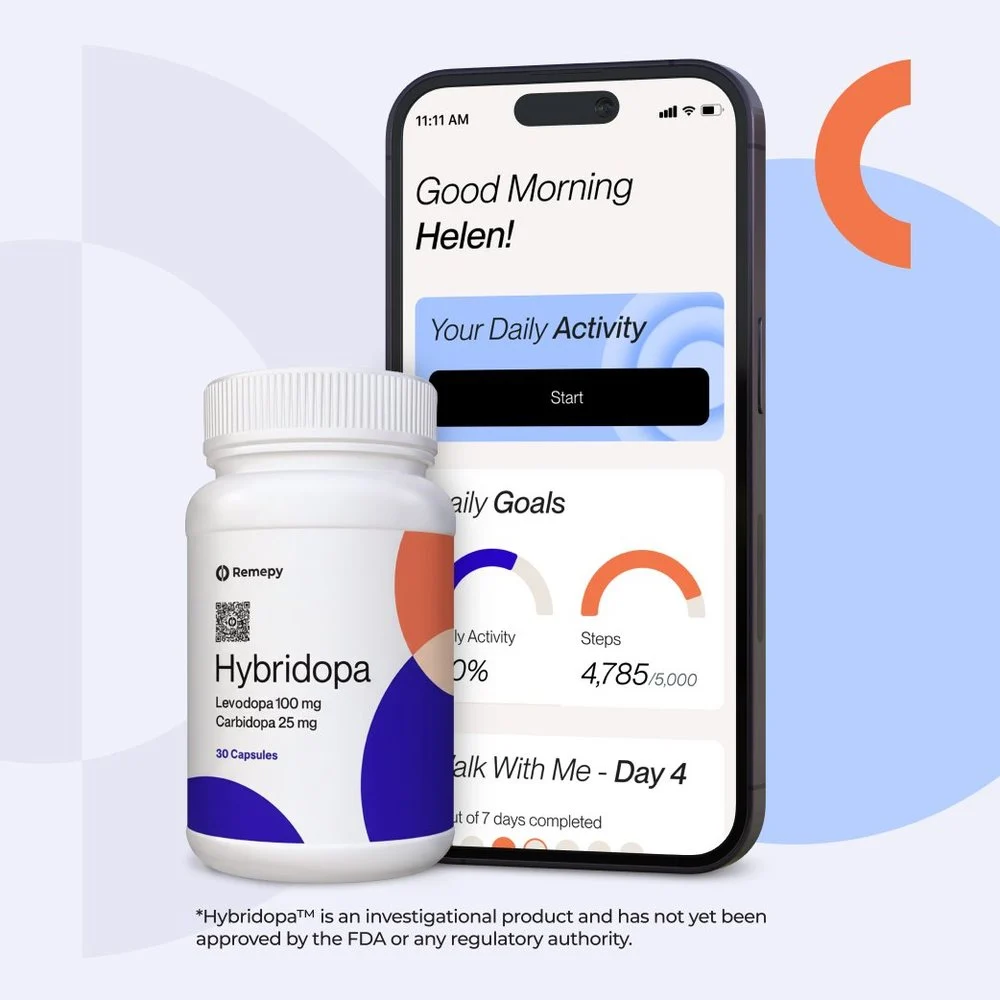
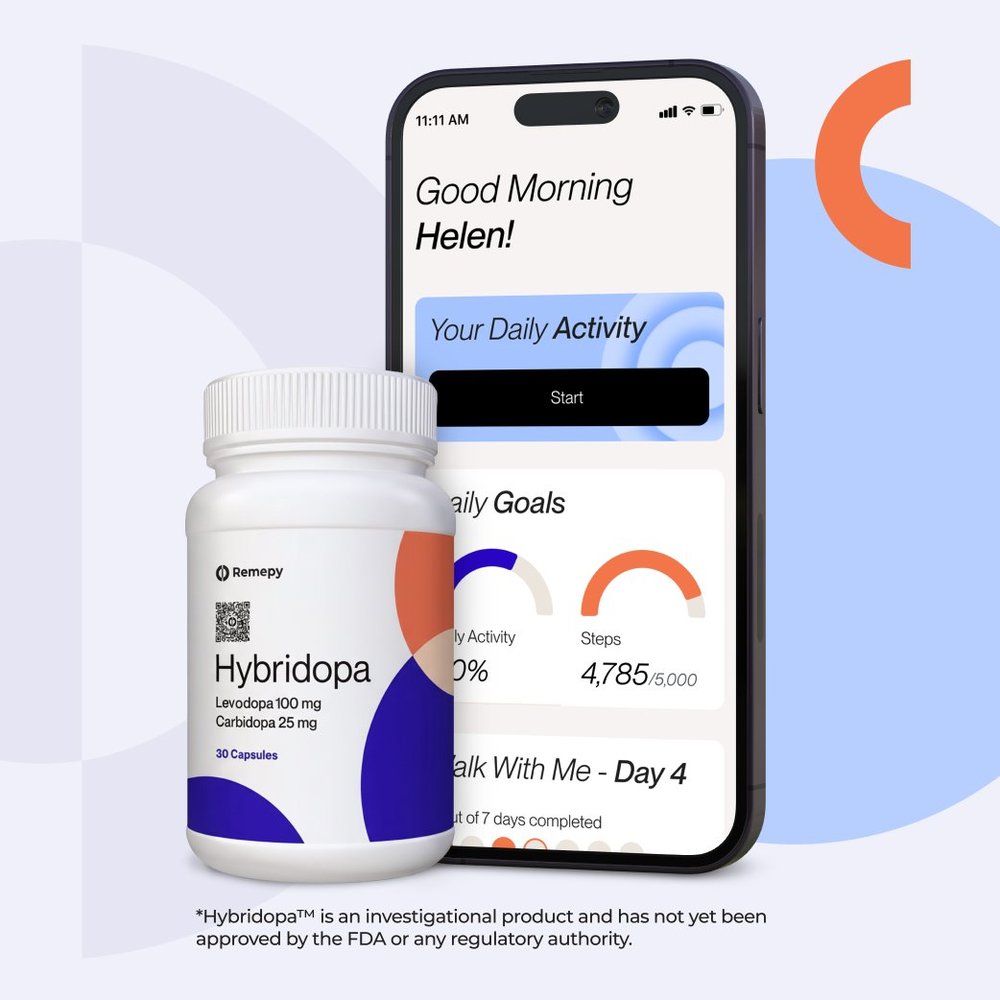
Remepy’s Hybridopa, leveraging the well-established carbidopa-levodopa as its pharmacological foundation, seeks to push past this therapeutic ceiling. The investigational combination integrates the drug with a sophisticated daily digital protocol delivered through an app called DopApp. This protocol encompasses a range of non-pharmacological interventions, including physiotherapy, speech therapy, and occupational exercises, all personalized and adaptively tuned as the patient’s condition evolves. The hypothesis is that by holistically addressing movement, speech, cognition, and mood through a unified therapeutic package, the combined approach can significantly improve outcomes beyond what the drug can achieve alone.
The Landmark Phase IIa Trial: Hybridopa’s Clinical Validation

The efficacy of Remepy’s innovative approach was rigorously tested in a Phase IIa clinical trial, the positive results of which were reported in May 2026 and subsequently published in the esteemed journal Brain Communications. This three-week, double-blind study involved 41 patients who were maintained on their existing levodopa doses. Participants were then randomized to receive either the DopApp protocol or a placebo app, ensuring a robust comparison.
The trial successfully met its primary endpoint, demonstrating a statistically and clinically significant improvement in the protocol group. Patients adhering to the DopApp protocol showed a mean improvement of 9.7 points on the Movement Disorder Society’s revision of the Unified Parkinson’s Disease Rating Scale (MDS-UPDRS), the globally recognized standard measure for assessing Parkinson’s severity. In stark contrast, the placebo group exhibited an average improvement of only 1.95 points. The MDS-UPDRS scale assesses various aspects of Parkinson’s, including non-motor experiences of daily living, motor experiences of daily living, motor examination, and motor complications. A five-point change is generally considered clinically meaningful.
Further underscoring the profound impact of Hybridopa, 90% of the patients in the active protocol group cleared a five-point response threshold, indicating a substantial clinical benefit for a vast majority of treated individuals. Tsur provided context for these results, comparing them to the known efficacy of carbidopa/levodopa alone. "Carbidopa/levodopa reduces the Unified Parkinson’s Disease Rating Scale by about eight to ten points, and we reduced it by an extra 9.7 points compared to 1.95 for placebo, with a 90% response rate," she stated. This arithmetic suggests that the digital app component effectively doubled the clinical effect observed with the pharmaceutical agent alone, a remarkable achievement that could fundamentally alter Parkinson’s management.
Transforming Fragmented Care into a Unified Prescription
Current Parkinson’s care guidelines widely acknowledge the crucial role of rehabilitative services such as physiotherapy, occupational therapy, and speech-language therapy. However, these services are typically organized as disparate care pathways, requiring separate referrals, appointments, and coordination. This fragmentation places a significant burden on patients and their caregivers, who must navigate multiple healthcare providers and integrate various treatment recommendations into their daily lives.
Hybridopa represents a deliberate effort to consolidate this multidisciplinary care plan into a single, prescribable product. Instead of a neurologist prescribing levodopa and then separately recommending a host of other therapies, which may or may not be consistently pursued by the patient, the hybrid drug model offers a streamlined solution. "We’re making physicians’ lives easier," Tsur explained, "because instead of prescribing a drug and then recommending many other therapies, which they do, they just prescribe a hybrid drug." This simplification not only enhances physician workflow but also significantly improves patient adherence by embedding these essential non-pharmacological interventions directly into their daily treatment regimen via an intuitive mobile application. The digital platform also allows for continuous monitoring of patient activity and symptoms, providing valuable data to both patients and their care teams, fostering a more engaged and informed approach to disease management.

Broader Implications and the Future Landscape
The successful Phase IIa trial of Hybridopa holds significant implications beyond Parkinson’s disease, potentially heralding a new paradigm for chronic disease management. For patients, the promise lies in enhanced therapeutic efficacy, a more integrated and personalized care experience, and potentially improved quality of life through better management of complex symptoms. The AI-driven personalization means that interventions can adapt to individual progress and challenges, optimizing outcomes.
For healthcare providers, Hybridopa offers a more efficient and comprehensive tool for managing patients with chronic conditions requiring multifaceted care. The ability to prescribe a single "hybrid drug" that bundles pharmacological treatment with validated digital interventions simplifies the care pathway, reduces administrative burden, and potentially improves patient engagement and adherence. The data tracking capabilities of the DopApp could also offer physicians unprecedented insights into patient behavior and symptom progression outside of clinical visits.
Economically, Remepy’s model aims to unlock reimbursement potential that has historically eluded standalone digital therapeutics. By integrating the digital component with a pharmaceutical product under established regulatory frameworks like PDURS, the company seeks to create a commercially viable product that healthcare systems are more likely to cover. This could lead to greater access for patients and a sustainable business model for innovation in digital health.
Looking ahead, the "hybrid drug" concept could be extended to numerous other conditions where lifestyle interventions, behavioral modifications, and therapeutic exercises play a crucial role alongside medication. This includes chronic pain, diabetes, hypertension, cardiovascular rehabilitation, mental health disorders like depression and anxiety, and various autoimmune conditions. The adaptability of AI-driven apps to stack multiple mechanisms and personalize interventions makes this model particularly attractive for complex diseases with heterogeneous patient populations.
However, the path forward will require continued rigor. Larger, longer-term Phase III trials will be essential to confirm Hybridopa’s efficacy and safety across diverse patient populations. Challenges such as long-term patient adherence to digital protocols, data privacy and security, seamless integration with existing electronic health records, and global scalability will need to be meticulously addressed. Nevertheless, Remepy’s achievement with Hybridopa marks a significant milestone, bridging the gap between pharmaceutical innovation and digital health to offer a truly integrated, patient-centric approach to chronic disease management. It represents a tangible step towards fulfilling the long-held promise of technology in transforming healthcare, offering a beacon of hope for patients grappling with debilitating conditions like Parkinson’s disease.