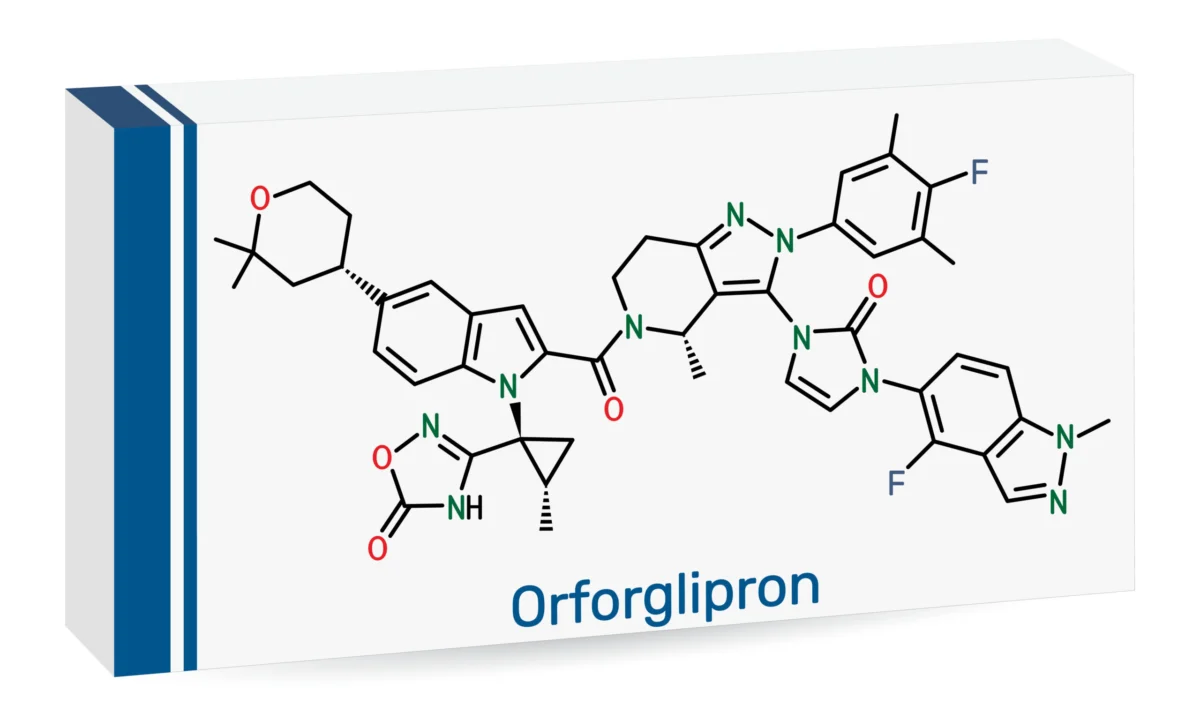
The pharmaceutical landscape for metabolic disorders, particularly Type 2 Diabetes and obesity, is undergoing a profound transformation, heralded by the recent approval of orforglipron in 2026. This landmark event marks the transition from the long-standing era of injectable GLP-1 receptor agonists to the dawn of oral small-molecule therapies, fundamentally altering drug discovery paradigms, clinical practice, and patient experience. The shift from "pens to pills" represents not merely a change in administration route but a comprehensive re-evaluation of drug disposition, metabolism, and therapeutic potential at the scientific bench.
The Evolution of GLP-1 Agonists: A Journey of Innovation
The story of Glucagon-Like Peptide-1 (GLP-1) receptor agonists began in earnest with the U.S. Food and Drug Administration (FDA) approval of exenatide (brand name Byetta) in 2005 for the treatment of Type 2 Diabetes. This synthetic version of a hormone found in Gila monster saliva, which mimics the human GLP-1 hormone, introduced a new class of drugs that stimulate insulin release, suppress glucagon secretion, slow gastric emptying, and promote satiety. These actions collectively lead to improved glycemic control and often weight loss.
Early GLP-1 agonists, including exenatide, required twice-daily or once-daily injections, posing a significant hurdle for patient adherence despite their demonstrable efficacy. Pharmaceutical researchers quickly recognized the potential of this drug class and embarked on a mission to improve pharmacokinetic profiles. The subsequent years saw the development of longer-acting peptide formulations, culminating in the approval of semaglutide (Ozempic) in 2017. Engineered for greater stability and a prolonged half-life, semaglutide offered the convenience of once-weekly subcutaneous injections, a significant advancement that dramatically improved patient compliance and solidified GLP-1s as a cornerstone in diabetes management. The success of semaglutide further expanded with its approval as Wegovy in 2021 for chronic weight management, tapping into a vast, unmet medical need and propelling GLP-1s into the mainstream consciousness.
Despite the clinical success and patient benefits offered by once-weekly injections, the ultimate goal for drug developers has always remained an orally administered therapy. The challenges of developing an oral peptide are formidable due to their inherent susceptibility to degradation by digestive enzymes in the gastrointestinal tract and poor permeability across the intestinal wall. While Novo Nordisk achieved a breakthrough with oral semaglutide (Rybelsus) in 2019, utilizing an absorption enhancer (SNAC) to facilitate its passage, it remained a peptide-based therapy with specific dosing requirements (taken with minimal water on an empty stomach). The true "gold standard," as articulated by industry experts, was the development of a small-molecule mimetic that could be absorbed efficiently and metabolised predictably, akin to most conventional oral medications.
Orforglipron: Ushering in the Small-Molecule Era
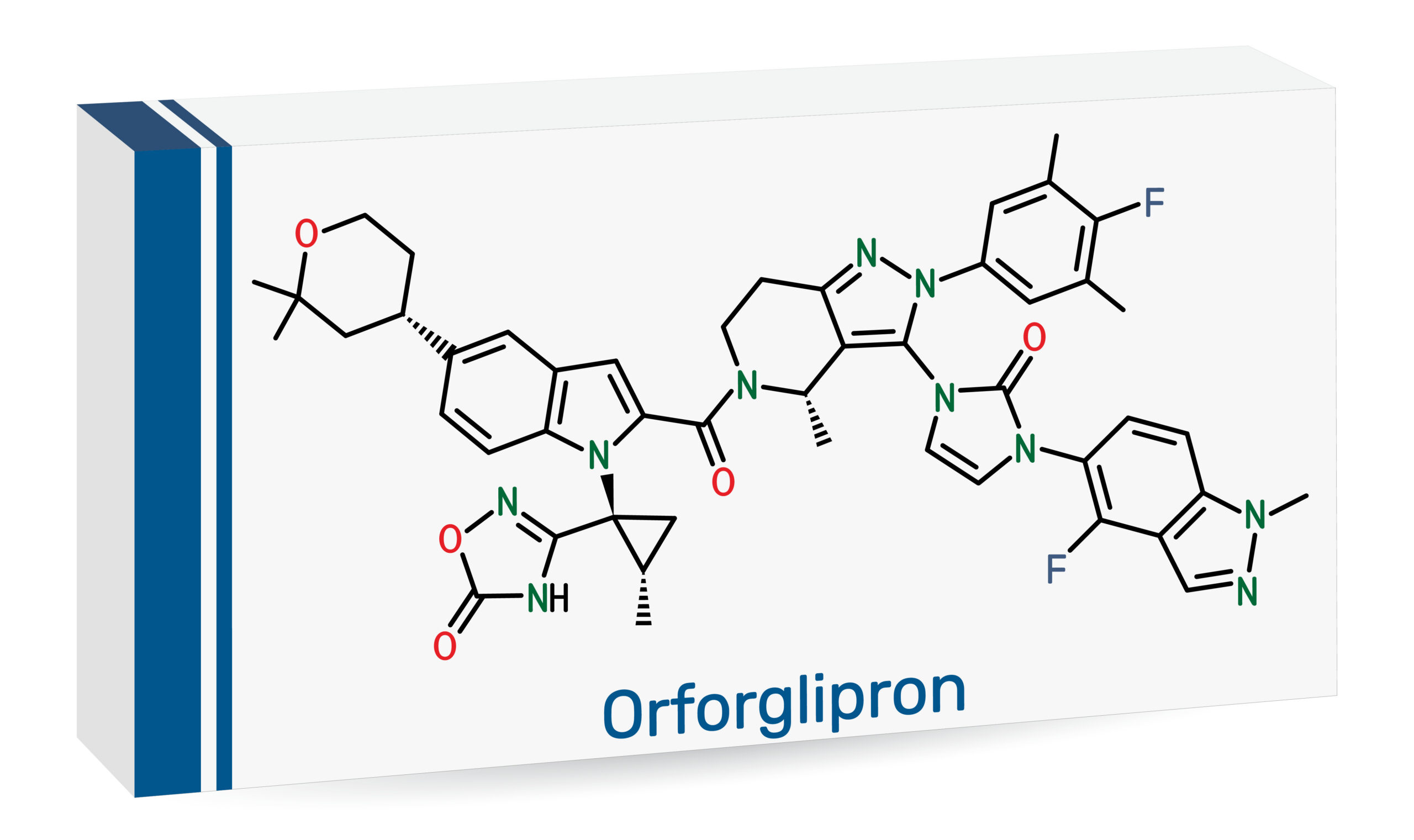
The 2026 approval of orforglipron (Eli Lilly’s Founday™) represents the culmination of this pursuit, marking the first oral small-molecule GLP-1 receptor agonist to reach the market. This achievement is not just an incremental improvement but a fundamental paradigm shift. As Brian Ogilvie, Ph.D., vice president of scientific consulting at BioIVT, emphasizes, "If you can now mimic the same GLP-1 and GIP receptor agonist effect with a small molecule, that’s the gold standard for a medication. You want something you can take by mouth and not worry about it, as opposed to taking injections, even if they’re only every week or every other week."
The clinical implications of this development are profound. Oral administration vastly improves patient convenience, potentially leading to higher adherence rates and broader access to these highly effective therapies. For individuals managing chronic conditions like Type 2 Diabetes and obesity, the psychological burden of daily or weekly injections can be substantial. An oral pill simplifies treatment regimens, reduces injection-site reactions, and may destigmatize therapy, making it a more appealing option for a wider demographic. Healthcare providers anticipate that this ease of use will enable earlier intervention in the disease progression, potentially mitigating long-term complications associated with poorly controlled metabolic disorders.
A Scientific Metamorphosis: Changes at the Bench
The transition from peptide-based injectables to small-molecule orals necessitates a complete re-evaluation of drug discovery and development methodologies, particularly in the realm of ADME (Absorption, Distribution, Metabolism, Excretion) and DMPK (Drug Metabolism and Pharmacokinetics) studies. The inherent chemical differences between peptides and small molecules dictate vastly different biological interactions and degradation pathways, requiring a distinct set of analytical approaches.
Metabolic Pathways Diverge:
For traditional peptide GLP-1 agonists, their metabolism often involves proteolytic degradation. As Dr. Ogilvie explains, "Some of these peptides will be degraded in lysosomes, so we use a human liver lysosome fraction… just for screening, or to try to modify them to make them more stable, so they have a longer half-life and can be injected less frequently." Lysosomes, cellular organelles rich in digestive enzymes, break down proteins and other macromolecules. Therefore, understanding and engineering peptides to resist lysosomal degradation has been crucial for extending their half-life and enabling less frequent dosing.
In stark contrast, small-molecule GLP-1s are subject to the well-established metabolic pathways characteristic of most orally administered drugs. "When it comes to small molecules," Ogilvie notes, "there’s the normal CYP-focused metabolism, the typical studies we do for other small molecules. So the mix is changing." The Cytochrome P450 (CYP) system, primarily located in the liver and small intestine, comprises a superfamily of enzymes responsible for metabolizing approximately 75% of clinically used drugs. These enzymes convert lipid-soluble compounds into more water-soluble forms, facilitating their elimination from the body. This shift means drug developers must now focus on identifying the specific CYP isoforms involved in the metabolism of oral GLP-1 small molecules, characterizing their metabolic stability, and profiling potential metabolites. This involves a return to standard CYP inhibition/induction assays and metabolite identification studies that are commonplace for other small-molecule drugs.
Advanced Tools for Ultra-Stable Compounds:
The quest for enhanced stability has led to the development of compounds with exceptionally long half-lives, some designed to last for weeks. While beneficial for patient convenience, this ultra-stability presents a unique challenge for in vitro assessment of clearance. "If you get a compound that’s incredibly stable in an in vitro model," Ogilvie points out, "it can be very difficult to determine: is it cleared at all?" To address this, specialized in vitro systems are employed. One such example is HEPATOPAC, a micro-patterned co-culture system that allows hepatocytes (liver cells) to maintain their metabolic activity and viability for extended periods, often 28 days or longer. This prolonged culture period enables researchers to observe even very slow metabolic processes, providing critical data on the long-term disposition of highly stable drug candidates.
Navigating Drug-Drug Interactions (DDIs):
The introduction of oral GLP-1 small molecules also intensifies the need for comprehensive Drug-Drug Interaction (DDI) studies. Patients taking GLP-1 agonists, particularly those with Type 2 Diabetes and obesity, often manage multiple comorbidities and are on polypharmacy. GLP-1s, regardless of their modality, exert physiological effects that can indirectly impact the pharmacokinetics of co-administered drugs.
One significant mechanism is the slowing of gastric emptying time, a key pharmacological action contributing to satiety and glycemic control. "A lot of these slow gastric emptying time, for instance, which may be one of the pharmacological actions," Ogilvie explains, "and that can affect the absorption of other drugs that are commonly administered." For drugs that rely on rapid absorption or have narrow therapeutic windows, altered gastric emptying can lead to delayed onset of action, reduced peak concentrations, or even overall diminished exposure, potentially affecting their efficacy or safety.
Furthermore, some GLP-1 peptides can elicit an immune response, leading to a "cytokine release." This inflammatory cascade can have systemic effects, including the suppression of drug-metabolizing enzymes, particularly certain CYP isoforms. "There are also cases where peptides can cause an immune response, so you get a cytokine release, and that cytokine release can actually suppress the level of some drug-metabolizing enzymes," Ogilvie states. "We know there are immunomodulatory effects of some of these GLP-1s." While this phenomenon is more typically associated with peptide therapeutics, vigilance for any immunomodulatory effects remains crucial for small molecules as well. Understanding these complex interactions is paramount to ensuring patient safety and optimizing therapeutic outcomes in a real-world setting where polymedication is common.
A Crowded and Evolving Therapeutic Landscape
The success of GLP-1 agonists, coupled with the breakthrough in oral small-molecule development, has ignited intense competition and innovation across the pharmaceutical industry. The field is rapidly expanding beyond Eli Lilly’s pioneering efforts. "It’s not only Lilly, which had the first approval in April [2026]," Ogilvie confirms, "but other companies looking at small molecules against other targets, not only GLP-1 but some of the GIPs, glucagon receptor, and so on." This indicates a strategic move towards multi-target agonists, such as GLP-1/GIP co-agonists (like tirzepatide, a peptide), and even triple agonists (GLP-1/GIP/glucagon receptor), which aim to harness synergistic effects for even greater metabolic benefits.
Geographically, the development efforts are global. "Some of these compounds are coming out of China, so it’s not just US or European companies," Ogilvie notes. This diversification of research and development hubs underscores the universal demand for effective metabolic therapies and the global race to bring novel oral agents to market. Several companies have preclinical pipelines moving into clinical trials, with some candidates already reaching Phase 3, signaling a wave of new oral small-molecule GLP-1s and related compounds expected in the coming years.
Expanding Horizons: Beyond Diabetes
The therapeutic applications of GLP-1 agonists are also expanding significantly beyond their initial indication for Type 2 Diabetes. The profound weight loss observed with these drugs has led to their approval for chronic weight management, addressing the global obesity epidemic. Furthermore, emerging research highlights their potential in treating a range of related conditions, including cardiovascular disease, chronic kidney disease, and non-alcoholic steatohepatitis (NASH), now commonly referred to as metabolic dysfunction-associated steatohepatitis (MASH).
This widening roster of indications directly impacts the types of biospecimens and research models required at the discovery and development stages. As the companion piece, "Diabetes to MASH: the specimens behind GLP-1’s widening roster," explores, researchers now need access to a more diverse array of human tissues and cells, such as adipocytes for lipolysis and fatty acid uptake studies, as well as liver-derived models to investigate the effects on hepatic steatosis and inflammation. This expansion underscores the versatility of the GLP-1 pathway and the broad therapeutic potential of its modulation, whether by peptides or small molecules.
Implications for Patients, Clinicians, and the Pharmaceutical Industry
The advent of oral small-molecule GLP-1s represents a monumental leap forward with far-reaching implications:
- For Patients: Enhanced convenience, improved adherence, reduced psychological burden of injections, and potentially broader access to highly effective treatments for diabetes, obesity, and related metabolic conditions. This could lead to better disease management, improved quality of life, and a reduction in long-term complications.
- For Clinicians: A more diverse toolkit for managing metabolic disorders, allowing for personalized treatment approaches based on patient preference and specific clinical needs. However, it also necessitates a thorough understanding of the distinct pharmacokinetic profiles and DDI potential of small molecules compared to peptides.
- For the Pharmaceutical Industry: A significant shift in research and development priorities, requiring adaptation of discovery platforms, ADME/DMPK methodologies, and DDI assessment strategies. The market for GLP-1 agonists is projected to grow exponentially, driven by the convenience of oral options and the expansion into new therapeutic areas. This intensifies competition and fosters further innovation in an already dynamic sector. The potential for lower manufacturing costs associated with small molecules compared to complex biologics could also impact market pricing and accessibility in the long term.
In conclusion, the approval of orforglipron and the subsequent emergence of oral small-molecule GLP-1 receptor agonists are nothing short of revolutionary. This shift from "pens to pills" is not just a convenience factor; it fundamentally redefines the scientific inquiry at the bench, demanding new approaches to understand drug metabolism, disposition, and interaction. It promises to transform patient care by removing barriers to adherence and expanding therapeutic reach, while simultaneously reshaping the competitive landscape and strategic focus of the global pharmaceutical industry. The next chapter in metabolic disease management has truly begun, characterized by accessibility, precision, and an unprecedented potential to improve global health outcomes.