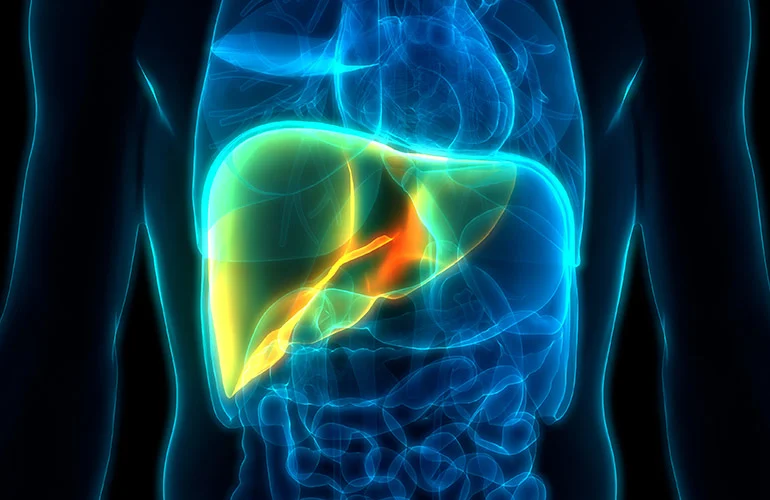
For decades, fatty liver disease, specifically its more severe inflammatory manifestation known as metabolic dysfunction-associated steatohepatitis (MASH), remained a significant yet often overlooked medical challenge with a stark scarcity of approved therapeutic options. Boehringer Ingelheim is now strategically positioning itself as a key player in this evolving therapeutic landscape, committing a concerted effort to address MASH with its innovative dual agonist, survodutide. This ambitious push signifies a broader industry shift towards comprehensive metabolic health, moving beyond traditional single-target approaches.
Neeraja Balachander, who leads Boehringer Ingelheim’s extensive cardio-renal-metabolic portfolio, underscored the company’s commitment, stating, "We have a program in MASH, in the liver, the LIVERAGE program, plus a robust data-generation program to come over the next couple of years, because we want to bring a comprehensive package for metabolic health." The LIVERAGE program represents Boehringer Ingelheim’s pivotal Phase 3 clinical investigation, specifically enrolling adult patients diagnosed with MASH and hepatic fibrosis, aiming to solidify survodutide’s efficacy and safety profile in this critical indication.
Survodutide’s Promising Efficacy: From Obesity to Liver Health
While MASH represents a significant new frontier, survodutide has already garnered substantial attention for its remarkable efficacy in treating obesity. The headline data emerged from the SYNCHRONIZE-1 trial, a rigorous 76-week Phase 3 study. Published on June 7 in the prestigious New England Journal of Medicine, this trial evaluated survodutide in 725 adults grappling with obesity but without diabetes. The glucagon/GLP-1 receptor dual agonist successfully achieved both primary endpoints, demonstrating significant weight reduction. Participants receiving the higher 6.0-mg dose experienced an average body weight loss of 13.0% under the trial’s primary analysis, a substantial improvement compared to the 5.4% observed in the placebo group. Furthermore, a compelling 71.9% of participants on the 6.0-mg dose achieved at least a 5% reduction in their initial body weight, a clinically meaningful threshold for improving metabolic health. This data positions survodutide competitively within the burgeoning class of incretin-based obesity treatments, alongside established therapies like semaglutide and tirzepatide, which have reported average weight losses of approximately 15% and up to 22.5%, respectively, in their pivotal trials.
Beyond its impressive impact on body weight, survodutide has demonstrated compelling effects on liver health, a crucial factor for MASH treatment. The initial liver-fat results, unveiled by Boehringer Ingelheim at the 2026 American Diabetes Association (ADA) Scientific Sessions, served as a powerful opening statement for the drug’s potential in MASH. Balachander confirmed these were merely the "first tranche of [survodutide] data coming out at ADA," signaling more comprehensive results to follow. Within the same SYNCHRONIZE-1 trial, survodutide achieved a remarkable reduction in liver fat, by up to 63.1%. In the distinct SYNCHRONIZE-MASLD trial, which specifically focused on patients with metabolic dysfunction-associated steatotic liver disease (MASLD), approximately 6 out of 10 patients achieved liver fat normalization after 48 weeks of treatment. This degree of liver fat reduction and normalization is a critical indicator of therapeutic success, as excess fat accumulation is the initial pathological step in the progression towards MASH and subsequent fibrosis.
The Burden of MASH: An Unmet Medical Need and Historical Challenges
MASH, formerly known as non-alcoholic steatohepatitis (NASH), represents an advanced form of MASLD (previously NAFLD). It is characterized by liver inflammation and hepatocyte injury (ballooning) in addition to steatosis (fat accumulation), often leading to progressive fibrosis, cirrhosis, liver failure, and an increased risk of hepatocellular carcinoma. The global prevalence of MASLD is estimated to affect approximately 25% of the adult population worldwide, with MASH affecting a significant subset, ranging from 1.5% to 6.5% of adults. The disease is intimately linked to the global epidemic of metabolic syndrome, including obesity, type 2 diabetes, dyslipidemia, and hypertension, making it a growing public health crisis.
For many years, the field of MASH drug development was notoriously challenging, often dubbed a "graveyard for drug discovery" by Balachander and others in the industry. Numerous promising compounds failed in late-stage clinical trials, leading to significant disappointment and frustration for patients and researchers alike. These failures underscored the complex pathophysiology of MASH and the difficulty in developing therapies that could effectively reverse or halt disease progression without unacceptable side effects.
A Shifting Landscape: Recent Approvals and Past Challenges
The landscape of MASH treatment has, however, begun to undergo a transformative shift in recent years, instilling new hope. A timeline of significant events highlights this evolution:
- March 2024: Madrigal Pharmaceuticals’ Rezdiffra (resmetirom), an oral thyroid hormone receptor-beta (THR-beta) agonist, received the first-ever full FDA approval for MASH/NASH with moderate-to-advanced fibrosis. This landmark approval validated a new mechanistic approach to MASH treatment.
- August 2025: The FDA granted accelerated approval to Novo Nordisk’s Wegovy (semaglutide) for adults with noncirrhotic MASH and moderate-to-advanced fibrosis. This marked the first GLP-1 therapy cleared for the condition, albeit contingent on confirmatory evidence from ongoing trials. Semaglutide’s approval highlighted the potential of incretin-based therapies to address liver pathologies alongside their established benefits in obesity and diabetes.
These recent successes stand in stark contrast to a history riddled with late-stage disappointments:
- Gilead Sciences’ selonsertib: This ASK1 inhibitor failed to meet its primary endpoints in Phase 3 trials for advanced fibrosis and compensated cirrhosis, highlighting the challenges of targeting inflammatory pathways downstream.
- Genfit’s elafibranor: A PPAR-alpha/delta agonist, elafibranor failed the interim analysis of its Phase 3 RESOLVE-IT trial, leading to the discontinuation of its development for MASH.
- Intercept Pharmaceuticals’ obeticholic acid (OCA): Despite initial promise, OCA, a farnesoid X receptor (FXR) agonist, faced a second FDA rejection, citing concerns over its risk-benefit profile, particularly regarding drug-induced liver injury and pruritus. Intercept subsequently pivoted away from MASH development.
These setbacks underscored the need for a deeper understanding of MASH pathophysiology and the development of more targeted and safer therapeutic approaches. Balachander reflected on this journey, noting the scientific appeal of the liver itself, a concept she termed "medicine 101." The liver, as the body’s largest internal organ, possesses a remarkable capacity for regeneration, and importantly, fibrosis in the liver is, to some extent, reversible. This inherent plasticity offers a window of opportunity for therapeutic intervention, making the MASH field a renewed focus for drug developers.
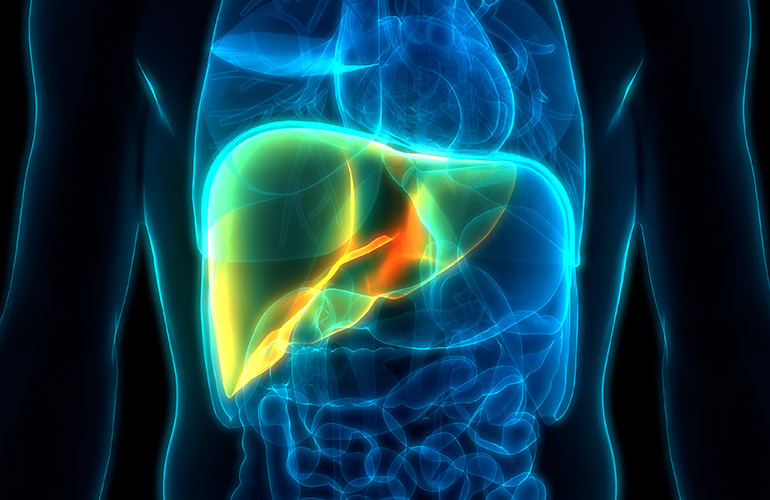
Survodutide’s Unique Dual Mechanism of Action
Survodutide distinguishes itself as a dual agonist, leveraging two complementary pathways that are central to metabolic regulation. One half of its mechanism aligns with the incretin class, a group of hormones that have revolutionized the treatment of obesity and type 2 diabetes. The glucagon-like peptide-1 (GLP-1) component of survodutide mimics the action of natural GLP-1, leading to glucose-dependent insulin secretion, suppression of glucagon release, delayed gastric emptying, and a reduction in appetite, collectively contributing to weight loss and improved glycemic control.
The second, and perhaps more unique, target for survodutide is the glucagon receptor. Balachander elaborated on the strategic significance of this dual action: "Glucagon receptors, predominantly, are found on the liver, the pancreas, the kidney, lungs and heart." This widespread distribution underscores glucagon’s diverse roles in metabolism. In the context of MASH, which initiates with fat accumulation that subsequently distorts the liver’s architecture and triggers inflammation, the glucagon component is particularly relevant.
The mechanistic rationale for survodutide in MASH begins with insulin resistance, a fundamental metabolic dysfunction that forms the common link between obesity, type 2 diabetes, and fatty liver disease. Balachander pointed out a fascinating and critical observation: "It’s very interesting, because the insulin resistance triggers another point. In MASH, people have found glucagon resistance: the body produces glucagon but somehow it doesn’t act on the liver." This impaired signaling of endogenous glucagon appears to be a significant contributor to the pathological accumulation of fat within the organs of patients with MASLD. By agonising both GLP-1 and glucagon receptors, survodutide aims to restore balanced metabolic signaling, potentially overcoming this glucagon resistance, promoting fat breakdown in the liver, and improving overall metabolic homeostasis. This dual agonism offers a comprehensive attack on the multifaceted metabolic dysregulations underlying MASH.
Reframing MASH Treatment: Targeting Upstream Metabolic Triggers
A significant paradigm shift in MASH research and drug development has been the reorientation of therapeutic targets. Early efforts, as Balachander noted, often focused on the "downstream damage," such as inflammation and then fibrosis. She admitted, "we almost came late to the game" in these earlier approaches. However, the current strategy, exemplified by Boehringer Ingelheim, involves "going more upstream and asking why there’s inflammation, and I think that’s behind some of the success in MASH drug discovery." This reframing stems from a growing scientific consensus that the inflammation and subsequent fibrosis in MASH are not isolated events but rather consequences of upstream metabolic triggers.
Reviews of MASH pathogenesis broadly support this evolving understanding, describing MASH as a metabolically driven process. In this context, an excess of fatty acids and the accumulation of toxic lipid intermediates within hepatocytes can initiate cellular stress, activate macrophages (immune cells), and trigger fibrotic signaling pathways. By targeting these root metabolic dysfunctions, drugs like survodutide aim to interrupt the disease cascade much earlier, potentially preventing or reversing the progression to severe liver damage.
This connection between upstream metabolic dysfunction and downstream liver pathology points towards a more targeted future for metabolic drugs. The field has already witnessed significant transformation since 2021, when semaglutide received its landmark approval for obesity. Balachander predicted that this evolution would lead to a more nuanced understanding of therapeutic success: "Now, there are multiple mechanisms competing even in the obesity space, and that’s going to have a big downstream effect on how we look at targeted mechanisms beyond just weight loss." The focus, she suggested, could shift from simply the number of pounds lost to achieving "quality weight loss," implying a reduction in visceral fat, improved body composition, and positive impacts on associated metabolic conditions like MASH.
The LIVERAGE Program: A Comprehensive Approach to Metabolic Health
Boehringer Ingelheim’s LIVERAGE program, now in Phase 3, underscores the company’s commitment to delivering a holistic solution for patients suffering from MASH and fibrosis. This comprehensive package for metabolic health reflects an understanding that MASH is not an isolated liver condition but rather a systemic disease deeply intertwined with broader metabolic dysregulation. The program’s design and anticipated data generation are intended to provide robust evidence not only for liver-specific endpoints but also for the overall improvement in patient well-being and long-term health outcomes. Industry observers and patient advocacy groups will keenly watch the progress of LIVERAGE, as a successful outcome could significantly expand treatment options and improve the prognosis for millions globally.
Broader Implications and Future Outlook
The entry of survodutide into the MASH arena, backed by compelling early data, carries significant implications for the competitive landscape and future treatment paradigms. Survodutide’s dual GLP-1/glucagon agonism offers a distinct mechanistic advantage over semaglutide (a GLP-1 mono-agonist) and Rezdiffra (a THR-beta agonist). This multi-pronged approach may lead to superior efficacy in addressing the complex metabolic dysfunctions inherent in MASH, potentially offering a best-in-class profile for certain patient populations.
The emphasis on "quality weight loss" and a "comprehensive package for metabolic health" signals a move towards personalized medicine in metabolic disorders. Clinicians may soon have a wider array of tools to choose from, allowing for more tailored treatment strategies based on a patient’s specific metabolic profile, disease severity, and comorbidities. This could lead to improved patient outcomes, reduced progression to end-stage liver disease, and a lower incidence of associated cardiovascular and metabolic complications. The ongoing research and development in this space underscore a renewed optimism in tackling MASH, transforming it from a "graveyard for drug discovery" into a vibrant and promising area of therapeutic innovation.